
三电系统

Search documents
潍柴动力20260122
2026-01-23 15:35
Summary of Weichai Power Conference Call Company Overview - **Company**: Weichai Power - **Industry**: Heavy-duty truck and engine manufacturing Key Points and Arguments Market Challenges and Opportunities - Weichai Power faces challenges from the rapid development of the electric heavy-duty truck market, despite expanding its three-electric system integration capabilities. The trend of electric trucks replacing diesel engines poses pressure on traditional engine demand [2][4] - The domestic heavy-duty truck market is expected to remain stable in 2026, with electric truck sales projected to see a slight increase. Weichai aims to maintain profitability through new business ventures, including partnerships with Foton [2][6] Financial Performance and Projections - The collaboration with Kion Group in 2025 led to personnel optimization and expense provisions, impacting Weichai's financial statements in the short term. However, Kion's performance is expected to improve significantly in 2026, contributing several hundred million yuan to Weichai's profits, returning its contribution to around 10% [2][7] - Weichai's large-bore engine business has shown significant results, with shipments nearing 11,000 units in 2025 and expected to reach 14,000-15,000 units in 2026. The high profitability of this segment could lead to a valuation exceeding 80 billion yuan [2][8] Solid Oxide Fuel Cell (SOFC) Development - Weichai is actively investing in the SOFC sector, planning to achieve 10 MW capacity by 2026 and 1 GW by 2030. This area is anticipated to become a significant growth driver for the company [2][9] Business Transformation - The transformation from a traditional truck cycle stock to a diversified power supply platform is driven by changes in business and profit structures. In 2023, truck-related business accounted for 20% of revenue but contributed over 80% of net profit. This ratio is expected to decline significantly by 2025 and 2026 as diversification efforts take effect [3] Valuation and Market Position - Weichai's valuation differs from international peers like Cummins and Caterpillar due to variations in profit pool structure, the pace of electrification in the domestic truck market, and pricing mechanisms. The company is expected to see significant valuation upside in the next 1-2 years, with a projected market cap of 240-250 billion yuan by 2026 [4][11][12] - Currently, Weichai's valuation is considered low, with an expected performance exceeding 14 billion yuan in 2024, while its market cap is below 200 billion yuan, translating to a price-to-earnings ratio of about 14 times, compared to around 30 times for its overseas counterparts [13] Future Outlook - The market is expected to develop further post-2027 with the introduction of new models and battery swap infrastructure [5] - By 2030, Weichai's revenue could approach 20 billion USD, with profit margins expected to exceed 20%, indicating a substantial market potential [10]
观车 · 论势 || “车不好卖”:存量竞争下如何换挡升级
Zhong Guo Qi Che Bao Wang· 2026-01-13 07:26
Core Insights - The automotive industry in China is transitioning from a growth phase to a period of stock competition and structural clearing, making it increasingly difficult to sell cars in 2025 [1] - Leading companies like BYD and Geely are thriving through price competition and extensive product offerings, while many joint venture fuel vehicle companies and fringe new players are struggling to meet sales targets [1] Group 1: Profitability Challenges - The industry is trapped in a price war, particularly in the under 200,000 yuan segment, leading to a continuous compression of profit margins [2] - The automotive industry's profit margin was 4.4% from January to November 2025, significantly lower than the average profit margin of 6% for downstream industrial enterprises [2] Group 2: Capacity Utilization Issues - Structural overcapacity is a prominent issue, with capacity utilization rates for vehicle manufacturing and parts remaining below 75%, indicating a need for industry consolidation [2] - In 2025, the capacity utilization rate showed a gradual recovery but remained low, with major joint venture companies like SAIC-GM and Dongfeng Honda operating at only 40% to 60% capacity [2] Group 3: Transition Risks - The risk of asset depreciation due to technological shifts is significant, as production lines for fuel vehicles struggle to convert to new energy capacities [2] - Over half of automotive dealers reported losses in the first half of last year, exacerbating operational pressures on companies [2] Group 4: Strategic Upgrades - Companies must move away from low-price competition and focus on building core competencies in technology, resources, and market presence [3] - Technological innovation is crucial, with over 50% of new energy vehicles replacing fuel vehicles, highlighting the need for advancements in battery systems and intelligent driving technologies [3] Group 5: Global Expansion - Globalization is essential for growth, as traditional vehicle exports are no longer sufficient; companies must adopt a global 2.0 model that integrates capacity and supply chain collaboration [4] - BYD's overseas sales exceeded 1 million units in 2025, demonstrating the importance of international markets as a source of growth in a saturated domestic market [4] Group 6: Market Restructuring - The deepening of stock competition will lead to a fundamental restructuring of the automotive market, with a concentration of market players and a shift from price competition to value competition [4] - The next 3 to 5 years will see dynamic adjustments in fuel vehicle capacity, with some being shut down or restructured, while leading new energy companies will dominate the market [4] Group 7: Industry Transformation - The sales performance in 2025 reflects not only market competition but also signals the need for industry transformation, emphasizing the importance of focusing on technological innovation, resource integration, and global strategies [5]

贵阳经开区“十五五”时期拟打造5个百亿级产业集群
Xin Lang Cai Jing· 2026-01-11 22:25
Core Insights - The Guizhou Economic Development Zone aims to enhance industrial capabilities during the "14th Five-Year Plan" period by establishing five industrial clusters, each valued at over 10 billion [1] Group 1: Advanced Manufacturing - The zone plans to strengthen the advanced equipment manufacturing sector by creating a 10 billion-level aerospace defense equipment and components industrial cluster [1] - It will leverage the existing aviation and aerospace industry foundation to develop a 10 billion-level industrial cluster for key aviation components and large aircraft production [1] Group 2: Electronics Manufacturing - The electronics manufacturing sector will be optimized, focusing on companies like Hisense, Aerospace Electric, and Dingsheng Copper to establish a 10 billion-level industrial cluster for LCD TVs and servers [1] - Additionally, a 10 billion-level industrial cluster for copper-based new materials will be developed [1] Group 3: New Energy Vehicles - The zone will promote the new energy vehicle industry by encouraging companies such as Chery Wanda and Zhonghui Heavy Industry to actively engage in smart connected vehicles, "three electric" systems, and gearboxes [1] - The goal is to accelerate the establishment of an industrial closed loop from core components to complete vehicle manufacturing [1] Group 4: Consolidation of Advantageous Industries - The development of advantageous industries will be reinforced through projects like the technological transformation of the Guiyang Tobacco Factory and the expansion of Tongjitang's production line and research building [1] - The health and pharmaceutical, as well as tobacco industries, will be prioritized to ensure stable economic fundamentals [1] Group 5: Infrastructure and Development Guidelines - The zone will implement the "Guidelines for High-Quality Development of Industrial Parks" to improve spatial governance and optimize spatial layout [1] - Continuous enhancement of industrial supporting infrastructure will be pursued, guiding the park's development towards specialization, intensification, digitization, greening, and standardization [1]
经开区加快打造汽车智造创新城:2028年底亦庄汽车产量将超百万辆
Xin Lang Cai Jing· 2025-12-25 22:30
Core Insights - The Beijing Economic-Technological Development Area (BDA) aims to establish the "Beijing Yizhuang Automotive Intelligent Manufacturing Innovation City" with a target of exceeding 1 million vehicles in production and achieving an industrial scale of 350 billion yuan by the end of 2028 [1][3] Group 1: Automotive Industry Development - The automotive industry is positioned as a "ballast" and "stabilizer" for economic development in the BDA, with a high-end automotive industry cluster led by Beijing Benz and a new energy intelligent connected vehicle cluster led by Xiaomi Auto, BAIC New Energy, and Xiaoma Zhixing [3] - In the first three quarters of this year, the automotive industry in the BDA generated a production value of 226.58 billion yuan, reflecting a year-on-year growth of 13.2% [3] Group 2: Policy Support and Innovation - The new policy aims to create a comprehensive support system for the automotive industry covering the entire lifecycle of enterprise development and the entire chain of technological innovation [4] - The BDA encourages automotive companies to establish global, national, regional, and functional headquarters, and supports the expansion of industrial scale and business scope for companies with good industrial development [4] - Financial support will be provided for key technology breakthroughs, including solid-state batteries, new power batteries, high-performance electric drive systems, automotive-grade chips, operating systems, and automotive industrial software [4] Group 3: Ecosystem and Infrastructure Development - The BDA will enhance the automotive industry ecosystem by integrating research, production, exhibition, and sales into a cohesive automotive export ecosystem [4] - Financial support systems will be strengthened to develop automotive production services and aftermarket industry chains, encouraging enterprises to pilot new mobility services, intelligent vehicle modifications, and customized sales [4] - The construction of automotive-themed commercial complexes and the introduction of international top automotive events and exhibitions will be promoted, along with support for new energy vehicle charging facilities and vehicle-road collaborative infrastructure [4]

回看贾跃亭造车的十年残梦
3 6 Ke· 2025-12-22 01:33
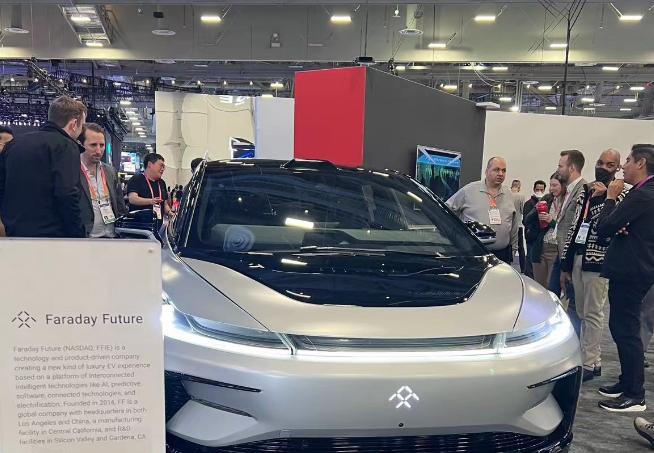
Core Viewpoint - The article discusses the rise and fall of Faraday Future (FF) and its founder Jia Yueting, highlighting the missed opportunities in the electric vehicle (EV) market and the challenges faced by the company over the past decade [3][5][20]. Group 1: Company Overview - FF was initially launched with high expectations at CES 2016, showcasing the FF Zero 1 concept car, which generated significant media attention [1][3]. - Despite the initial excitement, FF has struggled to deliver on its promises, with production delays and a lack of market presence leading to a perception of failure [3][5]. Group 2: Technological Challenges - FF's technological ambitions were ambitious but ultimately unfocused, leading to a failure to integrate and deliver viable products to the market [6][8]. - The company attempted to assemble a strong technical foundation but ended up with a disjointed array of technologies that did not translate into successful vehicle production [8][11]. Group 3: Strategic Missteps - FF's strategy of integrating its automotive business into a broader ecosystem, similar to its other ventures, did not materialize as expected, leading to financial strain and operational challenges [9][11]. - The company diverted funds from its automotive ambitions to support its broader ecosystem, which ultimately hindered its ability to establish a sustainable automotive business [11][12]. Group 4: Market Positioning - FF's shift in market positioning from affordable vehicles to high-end luxury cars, driven by financial constraints, resulted in missed opportunities in the growing EV market [13][15]. - The FF 91 2.0 Futurist Alliance was launched at a price of $309,000, significantly higher than the mainstream EV market, which is concentrated in the $30,000 to $60,000 range [15]. Group 5: Industry Context - The article contrasts FF's struggles with the success of other Chinese EV manufacturers, which have capitalized on the domestic market's growth and technological advancements [20]. - FF's reliance on the U.S. market and supply chain has proven detrimental, especially as the Chinese EV market matured and offered significant growth opportunities [16][18].

贾可:中国汽车淘汰赛至少还有十年
Xin Lang Cai Jing· 2025-12-05 11:18
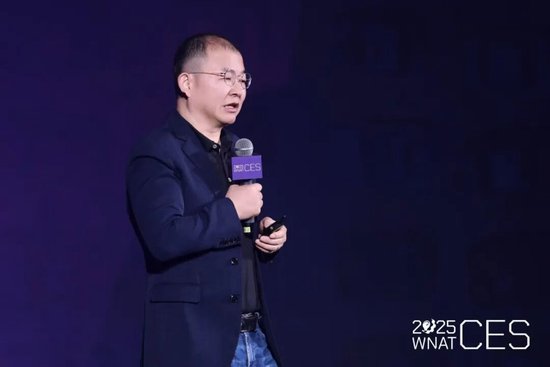
Core Viewpoint - The Chinese automotive industry is not yet in a stable state and may take at least another 10 years to reach a comfortable equilibrium, with an expectation that around 10 major automotive giants will remain in the market [1][36][56]. Group 1: Industry Outlook - The WNATCES 2025 event aims to address the current challenges in the automotive industry, focusing on the collaboration between manufacturers and suppliers to create a sustainable ecosystem [7][39]. - The event features 100 speakers, including 42 automotive executives and 1,000 attendees from 12 automotive groups and 300 supply chain companies, highlighting the industry's collaborative efforts [7][38]. - The theme of the event, "Long-term and Short-term," emphasizes the need for balance between immediate concerns and future growth strategies [5][36]. Group 2: Historical Context - The evolution of the automotive industry in Europe and the U.S. shows a historical pattern of consolidation, with significant changes occurring over more than a century [13][44]. - The Chinese automotive industry has undergone rapid changes since 2009, with government initiatives aimed at creating a few large manufacturers, but the market has seen a shift towards electric and intelligent vehicles [14][45]. Group 3: Competitive Landscape - The competitive landscape is shifting, with the emergence of six major camps in the Chinese automotive market, including traditional manufacturers, state-owned enterprises, and new entrants [49][51]. - The core competitive advantages have transitioned from traditional components to new technologies such as electric powertrains and intelligent systems, which are now critical for success in the market [17][48]. Group 4: Future Predictions - Industry leaders predict a "淘汰赛" (elimination race) in the automotive sector, with varying timelines for consolidation, ranging from 3 to 10 years [11][42]. - The future of the industry is expected to involve significant technological advancements, particularly in areas like AI and smart vehicle systems, which will reshape the competitive dynamics [25][56]. Group 5: Collaboration and Ecosystem Building - The event aims to foster collaboration among industry players to build a robust ecosystem that can adapt to ongoing changes and challenges [27][61]. - The focus on creating a cooperative environment is seen as essential for navigating the complexities of the automotive market and ensuring long-term sustainability [58][61].
贾可:中国汽车淘汰赛至少还有十年
汽车商业评论· 2025-12-05 07:31
Core Viewpoint - The Chinese automotive industry has not yet reached a stable state, and it may take another 10 years for the market to stabilize, with approximately 10 major automotive giants expected to remain in the future [3][35]. Group 1: Industry Overview - The WNATCES 2025 event focused on the theme of "long-term vs. short-term," featuring various forums and exhibitions aimed at addressing current industry pain points and promoting sustainable development in the new automotive ecosystem [5][7]. - Historical context shows that the automotive industry has undergone significant changes over the past century, with periods of fragmentation followed by consolidation, particularly in Europe and the U.S. [12][15][17]. Group 2: Market Dynamics - Predictions from industry leaders suggest a competitive landscape where only a few manufacturers will survive in the coming years, with estimates ranging from 3 to 10 major players by 2030 [10][19]. - The transition from traditional fuel vehicles to electric and intelligent vehicles has created new opportunities and challenges, with core components like the "three electrics" (battery, motor, and electronic control) becoming critical for competitiveness [20][22]. Group 3: Competitive Landscape - The current automotive market is categorized into six major camps, including traditional private enterprises, state-owned groups, new car-making forces, and joint ventures, each with distinct strategies and market positions [26][29]. - The rise of new entrants in the automotive sector, particularly those leveraging technology and innovative business models, indicates a dynamic and evolving competitive environment [31][38]. Group 4: Future Outlook - The industry is expected to continue evolving, with a focus on both cost leadership and superior user experience as key competitive strategies [24][30]. - The integration of AI and other advanced technologies into the automotive sector presents significant potential for transformation and growth, suggesting that the industry is still in a phase of exploration and development [33][43].

百度站台,又一家自动驾驶公司开向港股
Sou Hu Cai Jing· 2025-11-15 11:16
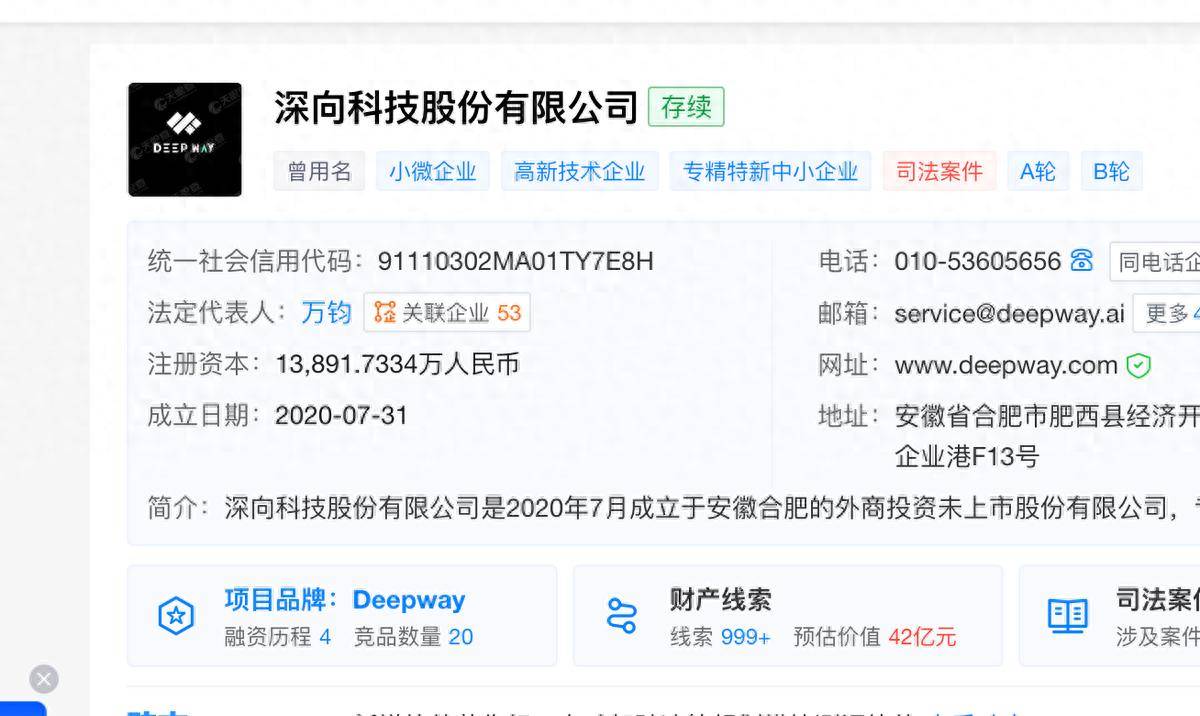
Core Viewpoint - DeepWay, a new energy heavy truck company co-founded by Baidu and Lionbridge, has submitted its prospectus for an IPO on the Hong Kong Stock Exchange, aiming to become the first smart heavy truck company to list in Hong Kong. The company has shown significant revenue growth but is still in a loss-making phase, raising questions about its profitability as it seeks to enter the public market [1][31]. Company Overview - DeepWay was established in December 2020 and has quickly positioned itself as a leading player in the new energy heavy truck sector, with a global market share of 2.7% as of 2024 [1]. - The company reported revenues of 426 million yuan, 1.969 billion yuan, and 1.506 billion yuan for the years 2023, 2024, and the first half of 2025, respectively, with year-on-year growth rates of 362.5% and 97.6% [1]. - Despite high revenue growth, DeepWay has incurred significant losses, totaling approximately 1.702 billion yuan from 2022 to the first half of 2025 [1]. Financial Performance - DeepWay's primary revenue source is the sale of new energy heavy trucks, which accounted for 99.9%, 99.6%, and 99.4% of total revenue in 2023, 2024, and the first half of 2025, respectively [1]. - The company's gross margins are concerning, with rates of 0.4%, 0.5%, and 2.9% for 2023, 2024, and the first half of 2025, respectively, while traditional heavy trucks typically have gross margins of 10% to 15% [1][2]. Industry Context - The heavy truck industry is experiencing a price war, leading to a decline in average gross margins below 10% [3][4]. - DeepWay's pricing strategy aligns with industry trends, with suggested retail prices ranging from 470,000 to 700,000 yuan [4]. - The market is increasingly concentrated, with the top five companies holding a market share of 71% as of early 2024, indicating a "Matthew Effect" where larger firms continue to dominate [15][16]. Supply Chain and Customer Concentration - DeepWay's customer base is highly concentrated, with the top five clients accounting for 50.7% of revenue in 2024, and the first client alone contributing about 25% [6][8]. - On the supply side, the top five suppliers represent 92.3% of total procurement in 2024, with the largest supplier accounting for over 60% [7][8]. Technological Development - DeepWay has invested heavily in R&D, with expenditures of 231 million yuan, 352 million yuan, and 365 million yuan for 2022, 2023, and 2024, respectively, and 179 million yuan in the first half of 2025 [9][10]. - The company has developed a full-stack three-electric system, which constitutes over 60% of the vehicle's cost, aiming to control costs and enhance competitiveness [11]. - DeepWay's autonomous driving technology is still in development, focusing on a gradual approach to commercialize its capabilities [12][13]. Market Challenges - The new energy heavy truck market is facing significant challenges, including high competition from established players and the need for new entrants to prove reliability and cost-effectiveness [21][22]. - The narrative around autonomous driving technology does not resonate with commercial vehicle buyers, who prioritize total cost of ownership (TCO) over technological features [24][26]. - DeepWay's reliance on partnerships for manufacturing and technology raises questions about its long-term viability and market positioning [13][31]. Future Outlook - DeepWay aims to expand its international market presence, targeting over 60% of revenue from overseas by 2030, with existing networks in Singapore, Thailand, and the UAE [32]. - The company is focused on reducing manufacturing costs through technological upgrades and is exploring new market opportunities to enhance its competitive edge [31][32].
2000万辆新能源车,将带动3.9万亿元后市场?多方混战!|人民智行
Zheng Quan Shi Bao Wang· 2025-09-25 02:46
Core Insights - The core viewpoint of the articles is that the after-market for electric vehicles (EVs) is rapidly emerging as a significant growth area, driven by increasing vehicle ownership and evolving consumer demands for maintenance and services related to the "three electric systems" [1][5][7]. Group 1: Market Dynamics - The after-market for EVs is characterized by a shift from traditional fuel vehicle maintenance, focusing on the "three electric systems" (battery, motor, and electronic control) [1][3]. - The number of electric vehicles in China has surpassed 20 million, creating a robust demand for after-market services [5]. - The after-market is expected to grow significantly, with projections indicating a total market size exceeding 1.9 trillion yuan by 2024 and potentially reaching 3.9 trillion yuan by 2027, with an average annual growth rate of 25% [5][6]. Group 2: Industry Participants - Various participants are entering the EV after-market, including parts suppliers, repair service providers, and battery manufacturers, with a notable trend towards direct sales and service models from new car manufacturers [2][3]. - Major manufacturers like Tesla are establishing direct service centers to provide comprehensive maintenance services, reflecting a shift in consumer expectations for timely and specialized repairs [3][4]. - Battery manufacturers are increasingly involved in after-market services, offering battery maintenance, recycling, and second-life applications, which are critical given the high value and technical complexity of battery systems [3][4]. Group 3: Challenges and Opportunities - The EV after-market remains fragmented, with low industry concentration and varying service quality, leading to challenges for consumers in accessing reliable and transparent repair options [7][8]. - There is a growing need for skilled technicians in the EV sector, particularly those trained in the maintenance of the "three electric systems" and related technologies [8][9]. - Industry experts suggest that establishing standards and improving data access for independent repair shops could enhance service quality and consumer choice in the EV after-market [8][9].
多方混战新能源汽车后市场 配件流通网络亟待完善
Zheng Quan Shi Bao· 2025-09-24 19:16
Core Insights - The core viewpoint of the articles is that the after-market for electric vehicles (EVs) is rapidly emerging as a significant growth area, driven by increasing vehicle ownership and evolving consumer demands for maintenance and services related to the "three electric systems" [1][5][6]. Group 1: Market Dynamics - The number of electric vehicles in China has surpassed 20 million, creating a robust demand for after-market services [5]. - The after-market for EVs is characterized by a diverse range of participants, including traditional repair shops, dealerships, and new direct sales models introduced by emerging car manufacturers [2][3]. - The after-market is expected to grow significantly, with projections indicating a total market size exceeding 1.9 trillion yuan by 2024 and potentially reaching 3.9 trillion yuan by 2027, with an average annual growth rate of 25% [5][6]. Group 2: Key Players and Services - Major manufacturers, such as Tesla, are establishing direct service centers to provide comprehensive maintenance services, including battery repairs and bodywork [3][4]. - Battery manufacturers are also entering the after-market space, offering services like battery testing, maintenance, and recycling, which are critical given that batteries account for approximately 40% of the vehicle's value [3][4]. - The after-market is increasingly focusing on high-value services related to the three electric systems, with a growing emphasis on the need for specialized skills and technology [8]. Group 3: Challenges and Opportunities - The current after-market landscape is fragmented, with low industry concentration and varying service quality, leading to challenges for consumers in accessing reliable and cost-effective services [7][8]. - There is a notable skills gap in the workforce, as the demand for technicians with expertise in electric systems and digital services is rising, necessitating collaboration between manufacturers and educational institutions to develop specialized training programs [8][9]. - The government is actively promoting policies to support the development of the after-market, including initiatives to enhance recycling and the overall lifecycle management of vehicles [5][6].

