朝日超爽啤酒

Search documents
朝日超爽啤酒联袂艺术家横山裕一 推出马年新春限量版包装 点燃佳节庆典氛围
Zhong Guo Shi Pin Wang· 2025-12-24 07:31
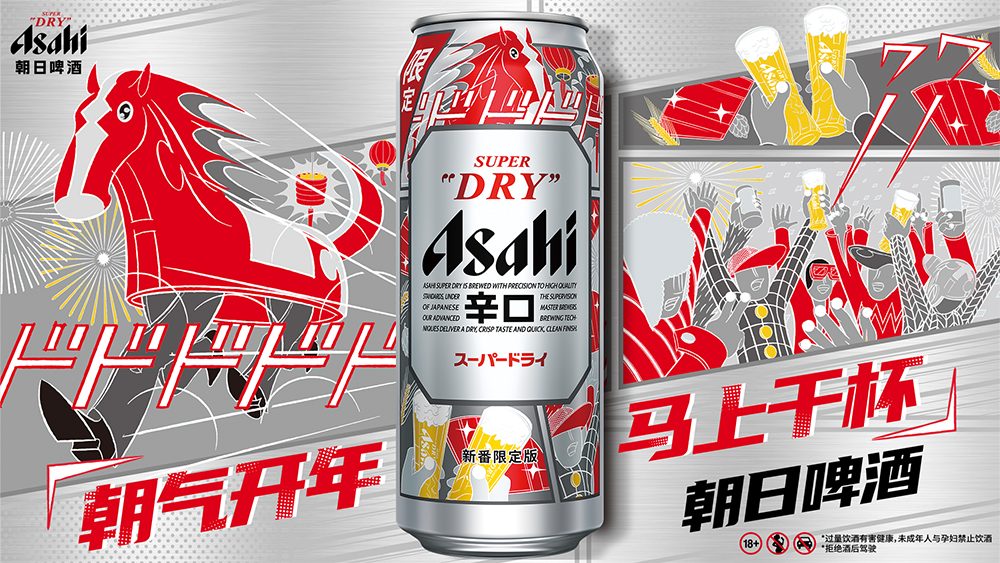
Core Viewpoint - Asahi Super Dry, the world's best-selling Japanese beer brand, collaborates with contemporary Japanese artist Yuichi Yokoyama to launch a limited edition packaging for the Lunar New Year, blending traditional and modern elements to celebrate the vibrant spirit of the holiday [1][2][6]. Group 1: Collaboration and Design - This collaboration marks the first partnership between Asahi Super Dry and Yuichi Yokoyama, known for their disruptive creativity, transforming the iconic silver can into a festive artwork inspired by the Year of the Horse [2][4]. - The design features dynamic elements such as fireworks, festive lanterns, and a horse formed by a crowd, all rendered in Yokoyama's signature line art style, creating a lively urban scene [2][4]. - The packaging incorporates sound effects in Japanese katakana, enhancing the celebratory atmosphere with the sounds of horse hooves and cheers from the crowd [2][4]. Group 2: Brand Strategy and Market Position - This is the third consecutive year that Asahi Beer has collaborated with artists to create limited edition Lunar New Year packaging, reinforcing its brand identity as a representative of "Modern Japan" [6]. - Asahi Super Dry aims to engage with Chinese consumers through artistic dialogue, continuously exploring different artistic fields to enhance its unique flavor experience and modern brand essence [6][10]. - The brand emphasizes its commitment to innovation and quality, having launched in 1987 and becoming a global sensation with its crisp and refreshing taste, suitable for food pairing [10][11].

每箱最高涨20元:朝日啤酒在华部分产品发调价通知,称是“艰难决定”,有啤酒经销商预计同行不会贸然跟涨
3 6 Ke· 2025-09-28 02:38
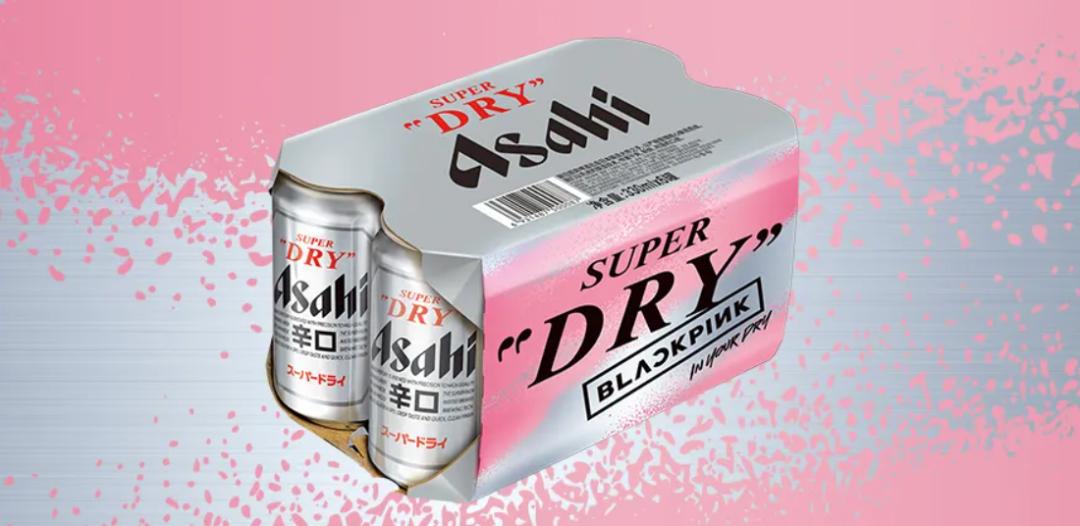
Core Viewpoint - Asahi Beer has announced a price increase for two imported beer products in China due to rising operational costs, effective from September 25, 2023, with specific increases of 5 yuan and 20 yuan per box for different product sizes [1][3][5]. Price Adjustment Details - The price adjustment affects two products: Asahi Super Dry Beer 135ml*24 cans, with a price increase of 5 yuan per box, and Asahi Super Dry Beer 2L*6 cans, with a price increase of 20 yuan per box [3][5]. - Orders placed and paid for before September 24, 2023, will be honored at the original prices to mitigate the impact on distributors [3][5]. Reasons for Price Increase - The company cites a complex global market environment and continuous cost increases as the primary reasons for the price adjustment, emphasizing the need to maintain high-quality product offerings and service levels [3][5][8]. - Asahi Beer has previously implemented multiple price increases in the Japanese market, with a notable increase planned for April 2024 affecting 68 products, with price hikes ranging from 6% to 62% due to rising costs of raw materials and transportation [5][7]. Market Impact and Competitor Response - The price increase may not immediately affect the end consumer, as online flagship store prices remained unchanged at the time of inquiry [5]. - Other Japanese beer brands, such as Kirin and Suntory, are also facing similar cost pressures, leading to speculation that they may adopt a cautious approach to price adjustments to avoid losing core customers [8][10]. - Non-Japanese imported brands may benefit from this price increase by capturing market share, as their prices are generally lower than Asahi's [8][10]. Asahi Beer’s Market Position - Asahi Beer has a significant presence in Japan and has expanded to over 50 countries, becoming a representative brand in the international beer market [11][13]. - The company entered the Chinese market in 1994 and has made strategic decisions to withdraw and re-enter based on market conditions, with a renewed focus on high-end products in China due to growing demand [13][15]. - Despite having a loyal consumer base, Asahi Beer currently holds a market share that does not place it among the top ten in China, where major competitors dominate [16].
拒绝24小时营业,却让7-Eleven紧张?日本My Basket靠什么制造“威胁”?
创业邦· 2025-08-16 10:08
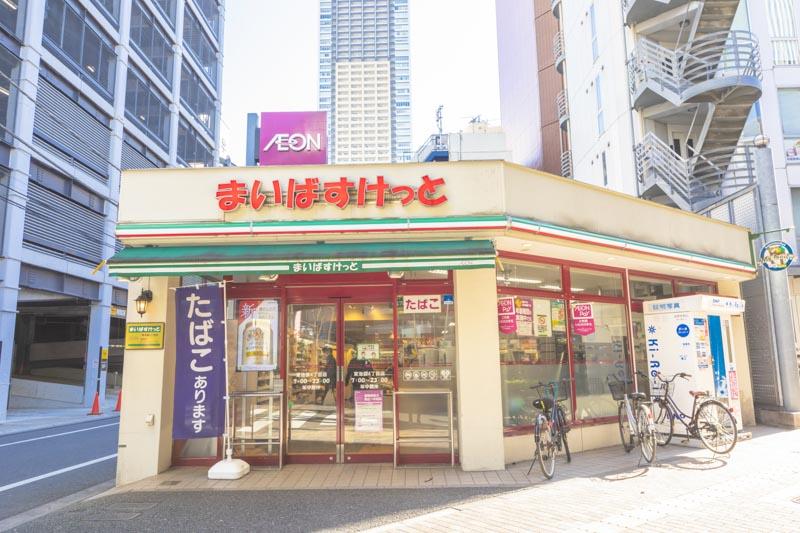
Core Viewpoint - My Basket is emerging as a significant competitor to convenience stores like 7-Eleven in Japan, primarily due to its focus on fresh food offerings and competitive pricing, which has led to a noticeable decline in customer traffic for nearby convenience stores [5][6][30]. Group 1: Market Context - The rise of "shopping refugees" in major Japanese cities, where consumers struggle to access nearby grocery stores, has created a demand for smaller supermarkets like My Basket [10][12]. - In 2015, the number of shopping refugees in Japan reached 8.25 million, a 20% increase from 2005, highlighting the growing need for accessible grocery options in urban areas [10][12]. Group 2: Business Model and Strategy - My Basket operates approximately 1,200 stores with plans to expand to 2,500 by 2030 and ultimately aims for 5,000 locations, leveraging its proximity and lower prices to compete with convenience stores [13][35]. - The store's strategy focuses on high-density urban areas, with locations typically within a 3-minute walking distance from residential areas, effectively serving local communities [13][14]. Group 3: Operational Efficiency - My Basket's operational model is characterized by a full-ownership structure, which allows for streamlined management and reduced labor costs, with each store typically staffed by only 2-3 employees [20][29]. - The introduction of a flexible "point work" system enables local residents to work short shifts, enhancing labor efficiency and reducing staffing costs [22][23]. Group 4: Pricing and Product Offering - My Basket's pricing strategy is significantly lower than that of convenience stores, with products like instant noodles priced at 204 yen, approximately 20% cheaper than convenience stores [34][35]. - The store emphasizes fresh food, with fresh products making up 44% of its SKU, which is a key differentiator from traditional convenience stores that have limited fresh offerings [38][39]. Group 5: Competitive Advantage - My Basket's parent company, Aeon, provides a strong backing that allows for competitive pricing through economies of scale and direct sourcing of products, minimizing costs [35][42]. - The store's focus on standardization and efficiency, including a lack of promotional activities and a simplified product range, allows it to maintain low prices while meeting consumer needs effectively [42][44].

拒绝24小时营业,却让7-Eleven紧张?日本My Basket靠什么制造“威胁”?
3 6 Ke· 2025-08-14 01:21
Core Insights - My Basket is emerging as a significant competitor to convenience stores like 7-Eleven due to its focus on fresh produce and lower prices, leading to a noticeable decline in customer traffic for nearby 7-Eleven stores [2][9][24]. Group 1: Market Context - The phenomenon of "shopping refugees" in Japan's urban areas, particularly among the elderly, has created a demand for accessible grocery options, which My Basket effectively addresses [5][7]. - In 2015, the number of shopping refugees in Japan reached 8.25 million, a 20% increase from 2005, highlighting the growing need for convenient shopping solutions in densely populated cities [5][7]. Group 2: My Basket's Business Model - My Basket operates approximately 1,200 stores with plans to expand to 2,500 by 2030 and ultimately 5,000 stores, leveraging its proximity and competitive pricing to attract customers [9][28]. - The store's strategy focuses on high-density urban areas, with a typical store located within a 3-minute walking distance from residential and commercial zones, catering to local consumers [9][10]. Group 3: Competitive Advantages - My Basket's pricing strategy is significantly lower than that of convenience stores and even some discount retailers, with products like instant noodles priced 20% lower than convenience stores [26][28]. - The company benefits from the backing of Aeon, a leading retail group, which allows it to leverage economies of scale for cost-effective product pricing [28][29]. Group 4: Operational Efficiency - My Basket employs a unique staffing model with all stores being company-operated rather than franchised, allowing for streamlined operations and reduced labor costs [13][19]. - The introduction of a flexible "point work" system enables part-time employees to work short shifts, enhancing labor efficiency and reducing overhead costs [17][23]. Group 5: Product Offering - My Basket differentiates itself by offering a wide range of fresh produce, with fresh items making up 44% of its total product offerings, compared to convenience stores that have limited fresh food options [30][32]. - The store's SKU count is strategically focused on essential items for single-person households, ensuring that it meets the daily shopping needs of urban consumers [29][30]. Group 6: Future Outlook - My Basket's growth strategy is centered on maintaining low prices and high product availability, which positions it well against traditional convenience stores and larger supermarkets [35][36]. - The company's ability to adapt to consumer needs and market trends will be crucial for its continued expansion and competitiveness in the retail sector [35][36].