
杭白菊

Search documents
“工艺陈皮”贴标溢价20倍
Qi Lu Wan Bao· 2025-12-18 09:20
Core Viewpoint - The article highlights the rampant misuse of geographical indications in China, particularly focusing on the case of "Newhui Chenpi" and the fraudulent practices surrounding it, which involve mislabeling products to inflate prices and deceive consumers [1][2][5]. Group 1: Misuse of Geographical Indications - The investigation revealed that "Guangxi Gongyi Pi" is being marketed as "authentic Newhui Chenpi" through misleading labeling, with significant price inflation based on false age claims [1][2]. - Many products labeled as "Newhui Chenpi" are actually made from low-cost raw materials that do not meet the required standards, leading to profits that can exceed twenty times the cost for some merchants [2][5]. Group 2: Broader Implications and Patterns - The article discusses a broader trend where ordinary products are falsely labeled with geographical indications, such as the case of fake Yangcheng Lake crabs and counterfeit Wuchang rice, indicating a systemic issue in product authenticity [3][4]. - In 2024, the State Administration for Market Regulation reported handling 1,407 cases of geographical indication infringement, with a total amount involved exceeding 9.8 million yuan, highlighting the scale of the problem [4]. Group 3: Recommendations for Improvement - Experts suggest enhancing regulatory measures, establishing cross-regional enforcement mechanisms, and increasing penalties for infringement to combat the misuse of geographical indications [5][6]. - The promotion of blockchain technology for traceability and the establishment of clear quality standards are recommended to ensure the integrity of geographical indication products [6].

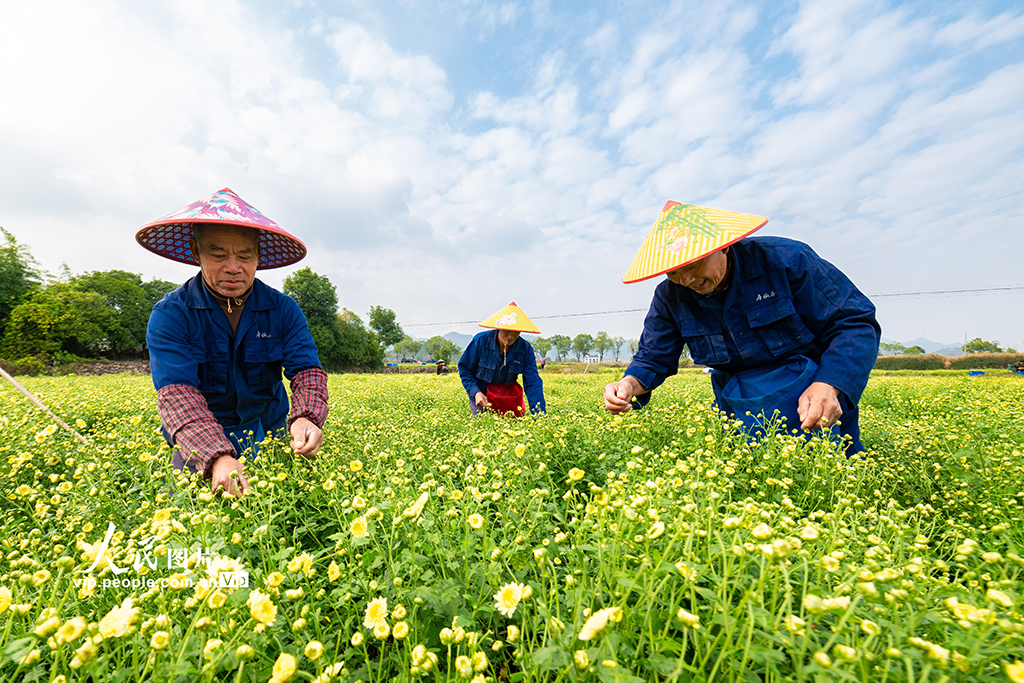
生态保护+特色产业,杭州山区这样推进绿色发展
Zhong Guo Huan Jing Bao· 2025-11-04 01:48
Core Insights - The article emphasizes the successful integration of ecological protection and economic development in the mountainous areas of Hangzhou, Zhejiang Province, under the guiding principle of "Green Mountains and Clear Water are as Valuable as Mountains of Gold and Silver" [1][4]. Group 1: Green Development Practices - Hangzhou's mountainous areas have achieved a forest coverage rate of 65.74% and reduced the annual average PM2.5 concentration to 30 micrograms per cubic meter over the past 20 years [1]. - The region has maintained GDP and farmer income growth rates of over 7% and 5%, respectively, demonstrating a positive interaction between ecological protection and economic growth [1]. - The implementation of the "Ten Thousand Project" has significantly improved forest coverage and water quality through afforestation and water source protection initiatives [2]. Group 2: Industry Transformation - The establishment of ecological protection red lines has compelled the elimination of high-pollution and high-energy-consuming traditional industries, promoting the development of efficient ecological agriculture and green tourism [2]. - The region has successfully created tourism spots focused on ecological sightseeing and leisure, converting ecological resources into economic value [2]. Group 3: Innovation and Technology - The promotion of smart agricultural technologies and the development of clean energy have been pivotal in enhancing efficiency and reducing emissions [2]. - Hangzhou has maintained a 100% excellent water quality rate for key water monitoring sections for four consecutive years, with all county-level drinking water sources meeting quality standards [2]. Group 4: Unique Industry Development - The mountainous areas leverage their natural resources and cultural advantages to develop distinctive ecological industries, such as the West Lake Longjing tea and Hangbai chrysanthemum, enhancing their market competitiveness [3]. - The integration of ecological and cultural elements has led to the creation of high-value ecological products and tourism experiences [3]. Group 5: Systematic Governance - The successful experience of Hangzhou can be summarized in a theoretical framework that includes ecological protection as the foundation, unique industries as the core, innovation mechanisms as the engine, and systematic governance as the guarantee [4][5]. - The establishment of a sustainable development community involving government, market, and society has been crucial in ensuring the long-term stability of the region's transformation [5].