特色产业

Search documents
全国6县GDP超3000亿
第一财经· 2026-03-11 12:35
Core Viewpoint - The article highlights the growth of county economies in China, with several counties achieving significant GDP milestones, showcasing their industrial strengths and unique economic models [2][3][4][5]. Group 1: Economic Performance of Key Counties - Six counties have surpassed a GDP of 300 billion, including the "Four Little Dragons of Southern Jiangsu" (Kunshan, Jiangyin, Zhangjiagang, and Changshu), as well as Jinjiang and Cixi from Fujian and Zhejiang respectively [3]. - Kunshan remains the leader in county economies with a projected GDP of 561.54 billion by 2025, maintaining a growth rate of 5.8% and holding the top position in the national comprehensive strength rankings for 22 consecutive years [3]. - Jiangyin is expected to reach a GDP of 527.22 billion by 2025, with a notable presence of 66 listed companies, leading among counties [3]. - Jinjiang's GDP is projected to be 386.18 billion by 2025, known for its strong private sector and the "Jinjiang model" of industrialization, particularly in the footwear and apparel industries [4]. - Cixi achieved a GDP of 301.39 billion last year, becoming the first county in Zhejiang to exceed 300 billion, with a strong focus on the small appliance industry [5]. Group 2: Growth of Billion-Dollar Counties - The number of counties with a GDP exceeding 100 billion has surpassed 70, indicating a significant expansion in this category [7]. - The rise of billion-dollar counties in central and western China is noted as a highlight of county economic development [8]. Group 3: Policy Support and Development Strategies - The article references the Central Committee's suggestions for developing distinctive county economies, emphasizing the importance of local industries [9]. - In Hubei, there is a focus on supporting counties to enhance their unique industries and develop block economies, with specific examples of emerging sectors [9]. - In Anhui, a comprehensive policy initiative was launched to promote the development of county-level industrial clusters, providing targeted support across various sectors [9].


【申万宏源研究春节见闻】昆明:春城烟火漫江畔,茶咖飘香引客来
Xin Lang Zheng Quan· 2026-02-23 06:28
Group 1 - The article highlights the vibrant night economy in Kunming, showcasing a blend of cultural tourism and local specialties, with a focus on the bustling atmosphere of South Qiang Street [1][3] - Kunming's night economy has evolved into a diverse ecosystem, with the city establishing 4 national, 9 provincial, and 12 municipal night economy clusters, leading to significant revenue growth and job creation [3][4] - The tourism sector in Kunming has seen a remarkable increase, with a 46% year-on-year growth in overall tourism orders during the Spring Festival, and a 35% increase in flight bookings [4][6] Group 2 - The coffee and tea industries are pivotal to Kunming's economy, with the city serving as a major hub for coffee distribution and the largest tea market cluster in Southwest China, contributing to a projected tea industry output value of 9.871 billion yuan in 2024, a 14.92% increase [6][8] - The service sector is a core pillar of Kunming's economy, with its GDP share rising from 51% in 2014 to an expected 67% by 2025, driven by the integration of cultural tourism and specialty industries [8][10] - The number of listed companies in Yunnan province is 39, with 29 based in Kunming, indicating a need for further development in the capital market to support local industries and enhance economic growth [17][19]


一锅红烧羊肉,从运河边灶台飞往全国各地
Hang Zhou Ri Bao· 2026-02-14 03:27
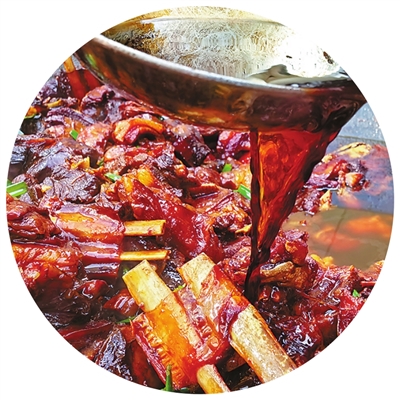
Group 1 - The core viewpoint of the article highlights the significance of the traditional dish, braised lamb, in the cultural and economic landscape of Linping, especially during the New Year celebrations [2][3] - The restaurant "Tapudang," which has been operating for 35 years, is known for its signature braised lamb, and the current owner, Lu Wanting, represents the sixth generation of this culinary tradition [2] - The demand for braised lamb has increased significantly, with the restaurant shipping over 100 packages daily to various regions across China, including Jiangsu, Zhejiang, Shanghai, Guangdong, Beijing, and even as far as Xinjiang [2] Group 2 - The braised lamb dish has become a crucial driver of economic growth in Linping, with projections indicating that by 2025, sales will exceed 550,000 kilograms and revenue will surpass 60 million yuan, creating over 480 jobs [3] - To enhance the reputation of this culinary specialty, the local government has organized the "Grand Canal Fish and Lamb Food Festival" for 16 consecutive years and established group standards for braised lamb, ensuring food safety and quality [3] - Innovations such as nitrogen packaging have been introduced to extend the shelf life of braised lamb to 15 days, facilitating nationwide delivery and promoting Linping's culinary heritage [3]
以特色产业赋能兴边富民
Xin Lang Cai Jing· 2026-02-06 19:58
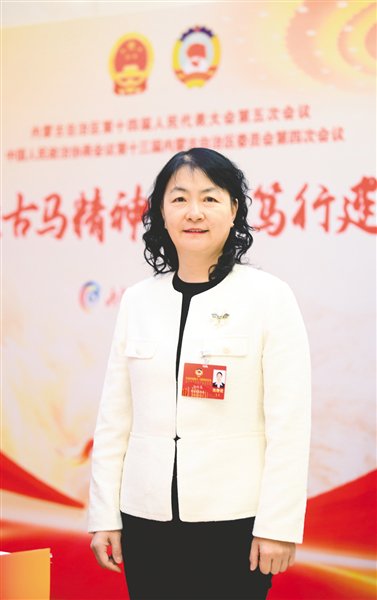
Core Viewpoint - The government work report emphasizes the implementation of a comprehensive national security enhancement project along the northern border, focusing on preventing and combating infiltration and subversive activities by hostile forces, while strengthening collaboration among various sectors including government, military, police, and enterprises [3]. Group 1: Border Security and Development - Inner Mongolia is described as the "northern gate" of the country and the "moat" of the capital, with over 4,200 kilometers of border line, highlighting the importance of coordinated efforts in border security and economic development [3]. - There are ongoing improvements in infrastructure and development in Inner Mongolia's border areas, but issues such as weak industrial support and insufficient internal motivation are hindering high-quality development of border prosperity initiatives [3]. Group 2: Recommendations for Economic Development - It is suggested to develop characteristic industries tailored to local conditions to stimulate new development momentum in the region, and to organize activities that promote local specialties to integrate them into the national market [4]. - The proposal includes implementing differentiated and precise policy support for border residents, providing subsidies for childcare, education, and housing to reduce living costs in border areas [4]. - There is a call to leverage port platforms and unique resources to vigorously develop border tourism, cross-border trade, and clean energy industries, thereby expanding local employment opportunities [4]. - The report advocates for the continuous improvement of public services, including education and healthcare, to enhance the equalization of basic public services in border areas, and to promote innovative service models to better serve border residents [4].
做好“特”字文章
Xin Lang Cai Jing· 2026-01-26 22:08
Core Insights - The construction of a modern industrial system should leverage urban industrial foundations, resource endowments, and existing industrial advantages, focusing on distinctive features to create a sustainable development pattern [1][2] - Emphasizing uniqueness is essential for respecting development laws and building core competitiveness through the creative transformation of regional advantages [1] - The modernization of the industrial system is a process of re-evaluating and upgrading existing industrial foundations, with a focus on distinctive industries to foster a synergistic ecosystem [2] Group 1 - The core of the modern industrial system is to maintain a focus on distinctive features, which requires strategic determination and long-term commitment from decision-makers [1] - Distinctive industries rooted in local resources can attract supporting enterprises, reduce operational costs, and enhance supply chain resilience [2] - The integration of digital technology and green low-carbon initiatives into distinctive industries can significantly boost efficiency and economic vitality [2] Group 2 - The development of distinctive industries necessitates collaboration between proactive government and effective market mechanisms, emphasizing the need for a conducive business environment [2] - Governments must transition to roles as "service providers" and "partners" to foster an ecosystem that encourages innovation and development in distinctive industries [2] - The goal is not to achieve the largest scale or the most comprehensive range of industries, but to ensure strong competitiveness and clear distinctiveness [2]
“一米宽”里做文章 “百米深”处见真章
Xin Hua Ri Bao· 2026-01-06 19:52
Core Viewpoint - Yangzhou is focusing on developing characteristic industries to enhance its economic resilience and competitiveness, with a strategic emphasis on high-quality development and innovation. Group 1: Industry Development - The CNC forming machine tool industry cluster in Yangzhou has over 100 enterprises, achieving an annual industrial scale exceeding 20 billion yuan, recognized as a national-level characteristic industry cluster [1] - Yangzhou's shipbuilding sector is thriving, with over 50 orders for the Crown 63 series bulk carriers, indicating strong market demand and a focus on high-value vessels [2] - The city is cultivating "invisible champions" in various sectors, such as Fengshang Intelligent in feed equipment and Guangling Medical Consumables, emphasizing specialization over broad market coverage [3] Group 2: Strategic Focus - Yangzhou's approach to industry development is characterized by a focus on unique advantages and deep market penetration, moving from a crowded low-cost competition to specialized high-tech sectors [5] - The city is leveraging its agricultural resources to develop modern clusters in products like hairy crabs and lotus roots, enhancing brand recognition and market presence [5] - The establishment of a microelectronics industrial park in Hanjiang, gathering over 30 related enterprises, signifies a strategic move towards high-tech industry development [6] Group 3: Policy and Support - Yangzhou is implementing targeted support policies for key industries, including a 15-point measure for the food industry to scale up to 2.5 billion yuan [8] - The city is fostering innovation through expert consultation groups and collaborative research initiatives, addressing critical technological challenges [8] - A dual online and offline platform for industry matchmaking has been established, facilitating over a thousand supply-demand connections [9] Group 4: Future Outlook - Yangzhou aims to continue deepening its characteristic industry strategy as part of its "14th Five-Year Plan," positioning these industries as pillars for high-quality development and regional competitiveness [9]
把责任扛在肩上把工作抓在手上 全力推动罗甸乡村全面振兴不断取得新成效
Xin Lang Cai Jing· 2025-12-30 19:09
Group 1 - The core viewpoint emphasizes the importance of implementing Xi Jinping's significant speeches on "Three Rural Issues" and the need for responsibility in promoting rural revitalization in Luodian County [1][2] - The meeting highlighted the achievements of Luodian County in rural revitalization this year, noting that there are clear goals, accountability, measures, effectiveness, and highlights in the work done [1][2] - The focus areas include strengthening party leadership, ensuring no large-scale poverty returns, developing local industries, expanding employment opportunities, and enhancing income levels for the people [2] Group 2 - The meeting involved key officials from the provincial emergency management department, provincial court, and city leadership, indicating a collaborative effort in the revitalization process [1][3] - The emphasis on responsibility includes local government accountability, direct support from provincial units, and the involvement of Guiyang city in the revitalization efforts [2]
山东昌乐:发力特色产业 竞速时尚赛道
Xin Lang Cai Jing· 2025-12-27 10:27
Group 1: Equestrian Equipment Industry - Shandong Rocky Sports Goods Co., Ltd. is the only equestrian equipment company in Shandong that integrates design and production, becoming a leading comprehensive equestrian service provider in China [1] - The company has established cooperation with the China Equestrian Association, with products entering over 75% of equestrian clubs nationwide and frequently appearing in major domestic and international events [1] - The equestrian equipment includes helmets, saddles, and leg guards, which are used by athletes at the 15th National Games [1] Group 2: Guitar Manufacturing Industry - Tangkou Town is renowned for electric guitar manufacturing, producing approximately 2 million electric guitars and 5 million accessories annually, exporting to over 130 countries and regions, generating annual revenue exceeding 1 billion yuan [1] - The region is transitioning from "manufacturing" to "branding" in the guitar industry, with the establishment of the "Tangkou Guitar" regional public brand and the cultivation of over 40 independent brands [1] - The industry has accumulated 35 patents and 42 copyrights, promoting traditional Chinese craftsmanship on the global stage through music [1] Group 3: Sapphire and Jewelry Industry - Changle County is recognized as China's largest sapphire mining area, with a mining area of 450 square kilometers and reserves of several billion carats [2] - A fashion industry cluster encompassing design, processing, sales, and brand operation has formed, processing over 10 million carats of gemstones annually, with products sold domestically and internationally [2] - The county supports the development of live e-commerce in the jewelry sector, with over 890 e-commerce enterprises in the China Gem City, leading in sales of mid-to-high-end gemstones [2] Group 4: Gold Jewelry Industry - Changle County has over 560 gold and jewelry processing businesses, employing nearly 5,000 people, and processing more than 100 million pieces of jewelry and over 80 tons of gold annually [2] - The gold jewelry industry is innovating under the "national trend," extending the industrial chain from gemstone processing [2]
天津滨海新区:激活街镇“经济细胞” 增添发展新动力
Xin Hua Wang· 2025-11-23 04:20
Core Viewpoint - The Tianjin Binhai New Area is actively stimulating local economies by enhancing street and town-level economic units, fostering diverse industries, and promoting agricultural development to drive new growth momentum [1]. Group 1: Industrial Development - Tianjin Pengling Group, a national manufacturing champion, has doubled its production efficiency through self-developed industrial AI, with orders extending into next year [2]. - The automotive parts industry in the Zhongtang Town includes 15 large-scale enterprises, with an expected total output value exceeding 4 billion yuan by 2025 [2]. - The Binhai New Area comprises 21 towns that are cultivating unique industries and optimizing enterprise services to create a differentiated economic ecosystem [2][3]. Group 2: Agricultural Advancements - The Beitang Street's Ningchegu rice planting base achieved an average yield of over 1,200 jin per mu from 3,800 mu of salt-tolerant rice, showcasing effective scientific management [4]. - The modern urban agriculture sector in Binhai New Area is competitive, with initiatives like the digital platform for poultry farming and large-scale mushroom production enhancing productivity [5]. - The Yangjiabo Town is recognized for its shrimp farming, with production expected to increase by 8% by 2025, supported by a model that integrates government, enterprises, and farmers [5]. Group 3: Service Optimization - The Dagu Street's Jianxinli community is undergoing renovations to improve living conditions, addressing issues like roof leaks in old residential areas [7]. - Various community projects, including the expansion of the Tianjin Fifth Central Hospital, are being implemented to enhance public welfare and urban quality [8]. - The Hujiayuan Street is developing eco-tourism projects to convert beautiful landscapes into economic opportunities, benefiting the local population [9]. Group 4: Economic Strategy - The Binhai New Area's leadership emphasizes the importance of developing street economies as a key measure to enhance public welfare and achieve common prosperity [9].

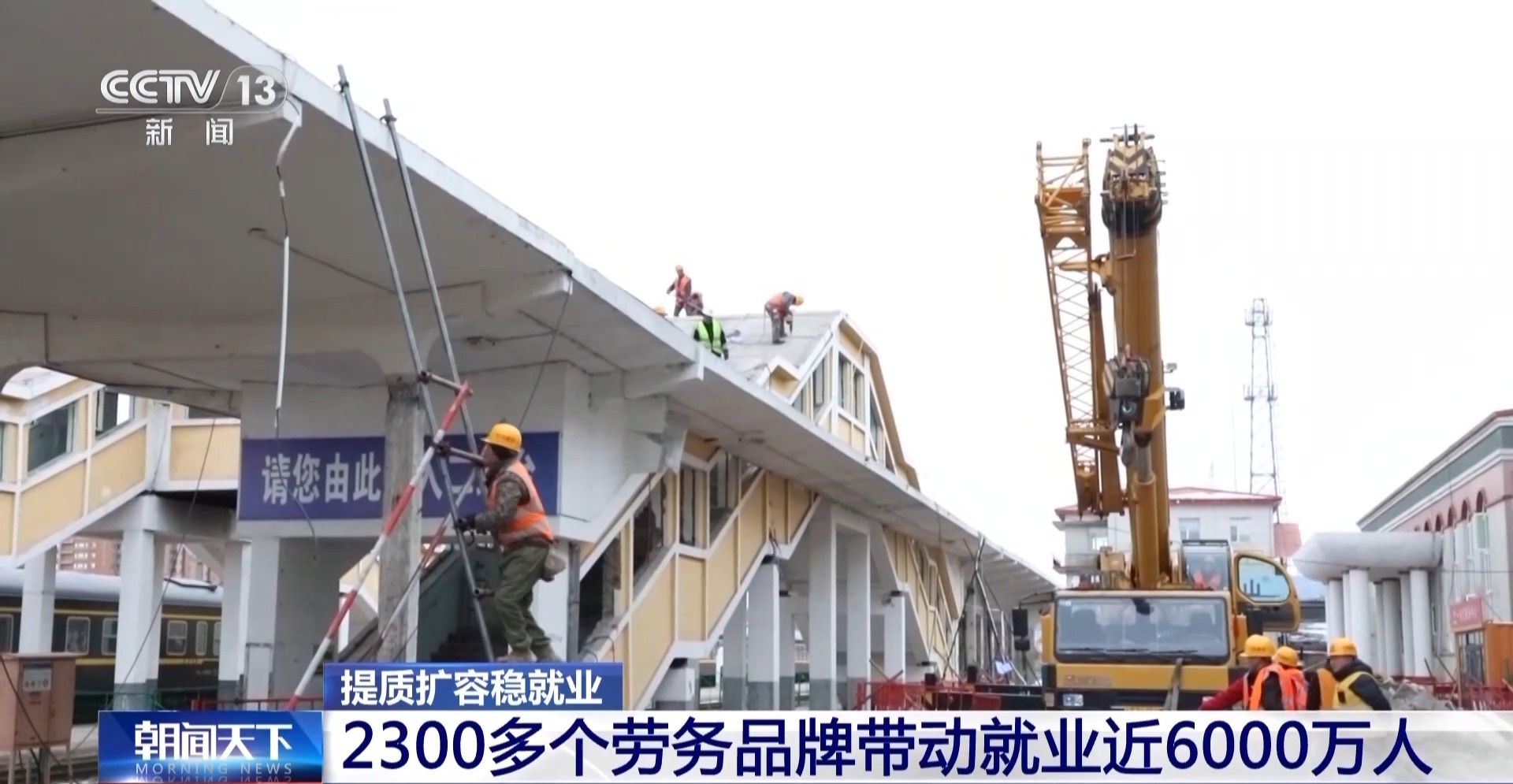
从“外出务工”到“就近就业” 农民工就业渠道更加多元
Yang Shi Xin Wen Ke Hu Duan· 2025-11-17 02:06
Core Insights - The government has expanded employment channels for migrant workers through order-based training, resulting in over 2,300 labor brands and nearly 60 million job placements this year [1] - The integration of primary, secondary, and tertiary industries has led to the development of rural specialty industries, providing new job opportunities close to home for many rural residents [3][7] Employment Initiatives - The Ministry of Human Resources and Social Security has reported that over 31 million migrant workers have received subsidized vocational training during the 14th Five-Year Plan period [3] - Local governments are focusing on industries that can absorb skilled migrant workers, such as construction, maintenance, housekeeping, catering, logistics, and new occupations [3] Local Employment Development - In Wanyuan City, approximately 96,000 rural residents are unable to work outside due to family responsibilities, prompting the establishment of processing workshops for local agricultural products [7] - The local food processing company employs over 100 villagers, offering monthly incomes between 3,000 to 4,000 yuan [9] Support for Employment - Wanyuan City has transformed old factories into employment workshops to assist disadvantaged groups, including the disabled, in finding local jobs [11] - The city has implemented policies to encourage businesses to hire more workers, distributing 12.68 million yuan in support funds [13] Service Industry Growth - The demand for labor in the service sector has increased significantly, particularly in elder care and housekeeping, with job openings in these areas growing by 29.2% year-on-year [15] - The pet service industry has seen a remarkable increase in job openings, with a 43.7% rise in the third quarter, particularly for pet doctors and groomers [17]