极氪X7

Search documents
钱交了、单锁了、承诺却没了?极氪「食言」购置税兜底,数百车主怒斥「言而无信」
Xin Lang Ke Ji· 2026-01-07 01:13
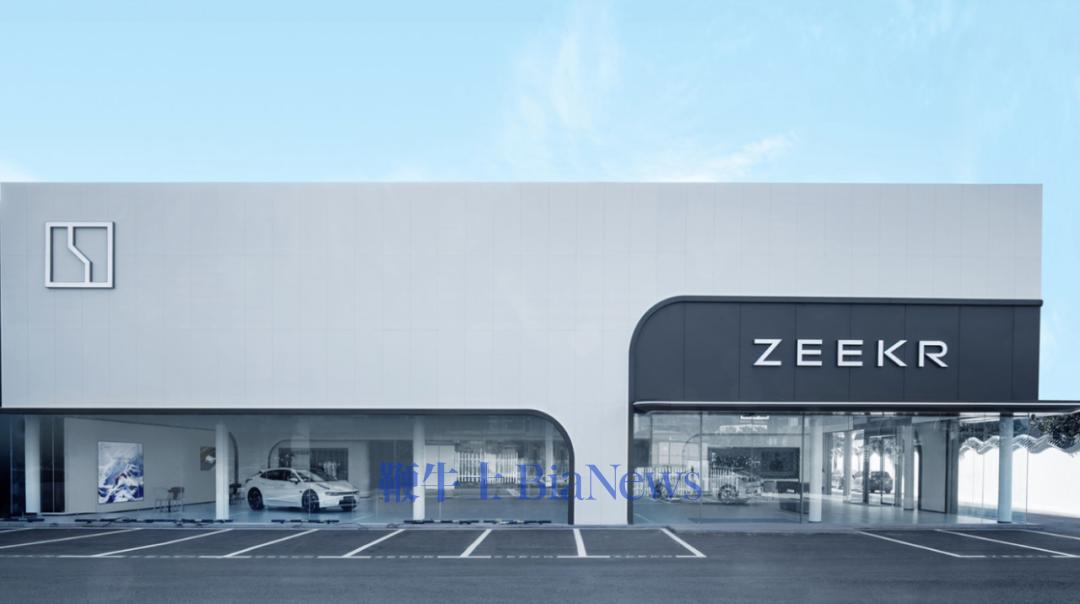
Core Viewpoint - The adjustment of the new energy vehicle purchase tax policy from full exemption to a 5% tax rate starting January 1, 2026, has led to significant dissatisfaction among customers of Zeekr, particularly regarding the company's failure to honor its tax subsidy promises [2][4][19]. Group 1: Tax Policy Changes and Customer Reactions - Starting January 1, 2026, the purchase tax for new energy vehicles will be halved, increasing costs for consumers by approximately 5% of the vehicle price, which translates to around 10,000 yuan for vehicles priced over 200,000 yuan [2][4]. - Zeekr had previously launched a "cross-year purchase tax subsidy" program, promising to cover the tax if orders were locked by December 31, 2025, but later retracted this commitment, offering only points as compensation instead [2][3][6]. - Many customers, feeling deceived, have formed groups to demand the original tax subsidy, expressing frustration over the company's change in policy and lack of communication [3][8]. Group 2: Customer Complaints and Company Response - Numerous customers have reported issues with Zeekr's sales practices, where they were pressured to pay the final amount without seeing the vehicle, raising concerns about the company's integrity [6][7]. - Customers have expressed dissatisfaction with the compensation offered, which they view as inadequate compared to the promised tax subsidy [8][14]. - The company has not provided a clear response to these complaints, leading to further frustration among affected customers [3][14]. Group 3: Broader Implications for Zeekr - In 2025, Zeekr's total sales reached 224,133 units, a mere 1% increase year-on-year, falling short of the 300,000 unit target set at the beginning of the year [17]. - The company is undergoing significant restructuring, having merged with Geely and delisted from the NYSE, which raises questions about its operational stability [17][18]. - Zeekr is also involved in a 2.314 billion yuan lawsuit against a battery supplier over quality issues, further complicating its operational challenges [18][19].



钱交了、单锁了、承诺却没了? 极氪“食言”购置税兜底,数百车主怒斥“言而无信”
Xin Lang Cai Jing· 2026-01-07 00:34
Core Viewpoint - The adjustment of the new energy vehicle purchase tax policy from full exemption to a 5% tax rate starting January 1, 2026, has led to significant dissatisfaction among customers of Zeekr, particularly regarding the company's failure to honor its tax subsidy promises [2][3][12]. Group 1: Tax Policy Changes and Customer Reactions - Starting January 1, 2026, the purchase tax for new energy vehicles will be halved, increasing costs for consumers by approximately 5% of the vehicle price, which translates to around 10,000 yuan for vehicles priced over 200,000 yuan [3][17]. - Zeekr had previously launched a "cross-year purchase tax subsidy" program, promising to cover the tax if orders were locked by December 31, 2025, but later retracted this commitment, offering only points as compensation instead [2][5][19]. - Many customers, feeling deceived, have formed groups to demand the original tax subsidy, expressing their frustration over the company's failure to deliver on its promises [6][20][21]. Group 2: Customer Complaints and Company Response - Customers reported being pressured to pay the remaining balance on their vehicles without having seen them, raising concerns about the legitimacy of the tax subsidy promises [5][19][20]. - Some customers received compensation in the form of points equivalent to 3,000 yuan, which they deemed inadequate compared to the promised tax subsidy of over 10,000 yuan [6][20][21]. - Zeekr has not provided a clear response to the complaints, leading to further dissatisfaction among customers [6][20][21]. Group 3: Broader Issues Facing Zeekr - In 2025, Zeekr's total vehicle deliveries reached 224,133 units, a mere 1% increase year-on-year, falling short of the 300,000 unit target set at the beginning of the year [10][26]. - The company underwent a significant restructuring, merging with Geely and becoming a wholly-owned subsidiary, which raised questions about operational stability [10][11][26]. - Zeekr is also embroiled in a 2.314 billion yuan lawsuit against a battery supplier over quality issues, further complicating its operational challenges [10][27][28].
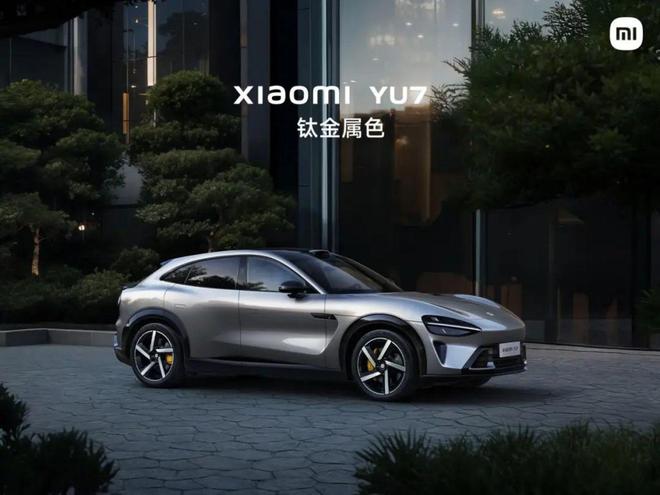
3分钟大定超20万台,小米YU7把对手都打懵了?
Tai Mei Ti A P P· 2025-06-27 00:32
Core Insights - The SUV market for electric vehicles priced above 200,000 yuan is dominated by models like the Tesla Model Y, which outsells the Model 3 by nearly three times in 2024 [1] - Xiaomi's new model, the YU7, is positioned as a competitor to the Model Y and other domestic brands, following the success of the SU7 [1][2] - The YU7 has received significant initial orders, surpassing the SU7's performance, indicating strong market interest [4] Product Positioning - The YU7 is priced at 253,500 yuan, 279,900 yuan, and 329,900 yuan for its three versions, making it only 10,000 yuan less than the Model Y [1][16] - The YU7 features a more moderate design strategy compared to the performance-oriented SU7, focusing on practicality and comfort [6] - The YU7's dimensions are 4999mm in length, 1996mm in width, and 1608mm in height, classifying it as a mid-large SUV with a sporty design [6] Features and Specifications - The YU7 boasts upgraded interior features, including zero-gravity seats and a new panoramic display, enhancing user experience [8] - Performance specifications include a maximum power of 690 PS, a 0-100 km/h acceleration time of 3.23 seconds, and a maximum range of 835 km [10] - Advanced safety features include a robust structure with enhanced pillar strength and a comprehensive suite of smart driving technologies [14][12] Market Dynamics - The YU7's launch comes amid fierce competition in the SUV segment, particularly from domestic brands like Zeekr and NIO [16][24] - The YU7's success may not directly impact Tesla's Model Y but could significantly affect the sales of other domestic brands [20][21] - The YU7's initial order volume of over 122,000 units within three minutes of launch indicates strong market demand [4][25] Production Capacity Challenges - Xiaomi's production capacity is a critical factor, with the current output for the SU7 being less than 30,000 units per month, which may limit the YU7's delivery capabilities [25] - The second factory is expected to add 150,000 units of annual capacity, but achieving production levels comparable to the Model Y remains a challenge [25] - The ability to meet high demand while managing production constraints will be crucial for Xiaomi's market positioning [25]