
极氪001

Search documents
车手骂上热搜的F1,中国品牌还要烧钱吗
汽车商业评论· 2026-03-14 23:06
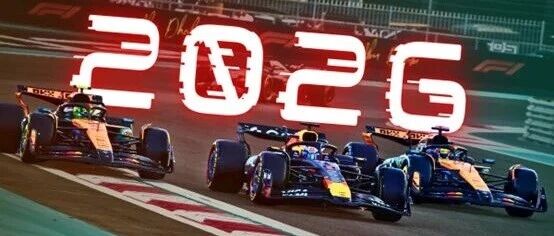
Core Viewpoint - The article discusses the evolution and current state of Formula 1 (F1) racing in China, highlighting the increasing popularity and changes in race dynamics due to new regulations introduced for the 2026 season [3][20]. Group 1: F1 Popularity in China - F1's popularity in China has significantly increased since its introduction in 2004, with ticket sales improving dramatically, especially after the entry of Chinese driver Zhou Guanyu in 2024 [3][20]. - The Shanghai F1 race is expected to attract around 230,000 attendees this year, with 14% being international spectators and 74% from other provinces [3]. Group 2: New Regulations and Race Dynamics - The 2026 season introduces a new power unit where electric energy will account for 50% of the power output, along with a significant enhancement in energy recovery systems [7]. - The new rules have led to a more dynamic racing experience, with the Australian Grand Prix witnessing 120 overtakes compared to 45 in the previous year, indicating a more competitive environment [5][10]. Group 3: Driver Reactions to New Rules - Drivers have expressed mixed feelings about the new regulations, with some praising the excitement while others criticize the complexity and energy management required [11][15]. - Max Verstappen described the new rules as chaotic and not in line with traditional F1 racing, emphasizing the need for a balance between excitement and the essence of racing [11][18]. Group 4: Financial Barriers for Chinese Brands - Entering F1 is financially demanding, with new teams facing costs upwards of $200 million just to join, alongside ongoing operational costs that can exceed $300 million annually [25][27]. - Despite the high costs, there is a growing interest among Chinese brands to participate in F1, as it offers significant marketing and technological benefits [29][41]. Group 5: F1's Global Expansion and Cultural Impact - F1 is gaining traction in the U.S., aided by popular media representations and partnerships, such as Apple's exclusive broadcasting deal, which has increased viewership significantly [34][35]. - The cultural relevance of F1 is expanding, with brands like Ford and Cadillac leveraging the sport for marketing, indicating a shift in how automotive companies engage with consumers [39][40].

【快讯】每日快讯(2026年3月9日)
乘联分会· 2026-03-09 08:41
Domestic News - The Ministry of Finance has upgraded the personal consumption loan interest subsidy policy, removing restrictions in the consumption sector and increasing the maximum subsidy per loan to 3,000 yuan for loans up to 300,000 yuan [7][8] - The Ministry of Transport plans to enhance high-power charging capabilities at highway service areas to address the challenges faced by new energy vehicle owners, with current charging facility coverage at 98.8% [9] - The Supreme People's Court clarified that drivers who activate assisted driving features while intoxicated will still bear criminal responsibility [10] - GAC Aion plans to increase its battery swap station network to over 5,000 stations within three years [11] - SAIC-GM announced plans to launch over ten new or refreshed models annually for the next three years, with several models set to debut in 2026 [13] - Tesla has surpassed 2,500 supercharging stations in mainland China, with over 12,000 supercharging piles [14][15] - Arcfox has partnered with CATL for a battery swap service to enhance user charging experiences [16] - Zeekr has completed its first user deliveries in Germany and is expanding sales into several European countries [17] International News - In February, new car sales in the UK increased by 7.2% year-on-year, reaching 90,100 units, marking the highest growth for the same period in 22 years [18] - Japan's new car sales fell by 3.5% year-on-year in February, totaling 394,965 units, attributed to economic slowdown and weak consumer confidence [19] - Tata Group plans to invest 110 billion rupees in advanced technology development in Jamshedpur [20] - Two US companies are set to invest $500 million in electric vehicle charging infrastructure in central Mexico, with plans to deploy 38 charging stations and 140 electric buses [21] Commercial Vehicles - The Foton Auman Z electric light truck was launched in Fujian, providing advanced solutions for regional cold chain logistics [22][23] - The Guangzhou Baiyun District government has released measures to promote modern logistics, including support for the large-scale application of new energy trucks [24] - A new player, Zero One Intelligent Transportation, has officially entered the new energy heavy truck market in Hefei [25] - Scania has delivered the first batch of NEXT ERA heavy trucks, designed for the long-distance transportation market in China [26]

对手有话说:新款小米SU7上市后,谁是头号竞品
车fans· 2026-03-09 00:29
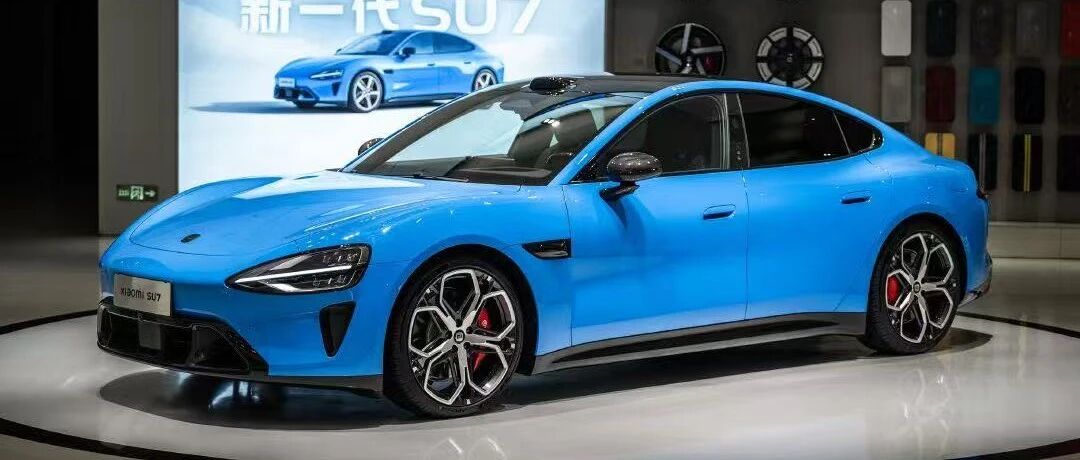
Core Viewpoint - The new Xiaomi SU7 is set to launch soon, with mixed pre-order responses and significant competition from brands like Tesla and others in the market [1][4][12]. Pre-order Situation - The pre-order numbers for the new SU7 are decent, with over 350 small orders recorded [3]. - Some customers are hesitant about the price increase of 10,000, expecting lower prices after the official launch [7]. - The new model's improvements, particularly in seating comfort and platform technology, have attracted interest from customers [7][12]. Competitive Landscape - Major competitors include Tesla, ZhiJie S7, and ShangJie Z7, with the latter expected to price competitively against the SU7 [9][11]. - The SU7 is seen as a significant product with strong market potential, but it may not replicate the explosive success of its predecessor [12][16]. - The competition is fierce, with brands like Xiaopeng P7 also vying for market share, although their target demographics differ [15][16]. Customer Insights - A significant portion of pre-order customers are comparing the SU7 with Tesla models, indicating a strong competitive pressure [4]. - Female customers are particularly excited about new color options, while male customers are more focused on technical specifications [4]. - Sales personnel believe that the new SU7 will achieve monthly sales of around 20,000 units, which is a conservative estimate compared to the previous model [4][7].

想关阅读灯却灭了大灯:领克之外,你的车也有同样隐患吗?
Di Yi Cai Jing· 2026-02-27 12:19
Core Viewpoint - The development of smart cockpits has introduced new driving safety risks, particularly related to voice control systems that can misinterpret commands, leading to dangerous situations [1][2][7]. Group 1: Incident Overview - A recent incident involving a Lynk & Co Z20 owner highlighted a critical flaw in the voice command system, where a command intended to turn off reading lights resulted in the vehicle's headlights being turned off, leading to an accident [2]. - The company responded quickly, stating that they had implemented a voice control optimization to prevent such issues, requiring manual control of headlights while driving [2][4]. Group 2: Broader Implications for Other Brands - The incident raised concerns among owners of other electric vehicle brands, such as Zeekr and Deep Blue, who reported similar issues with their voice command systems, where broader commands could bypass safety restrictions [3][6]. - Zeekr confirmed that some models had been updated to prevent the misinterpretation of commands, ensuring that headlights cannot be turned off while driving [4][5]. Group 3: Industry Response and Safety Measures - Deep Blue acknowledged the feedback from users regarding their voice control system and stated that they are addressing the concerns to enhance safety [6]. - The industry is urged to conduct comprehensive checks on all safety-related functions to prevent similar issues from arising in the future, emphasizing the importance of safety over convenience in voice control systems [7].
新春走基层|新能源浪潮涌入小县城,增长背后亦有“变速”
Hua Xia Shi Bao· 2026-02-22 02:01
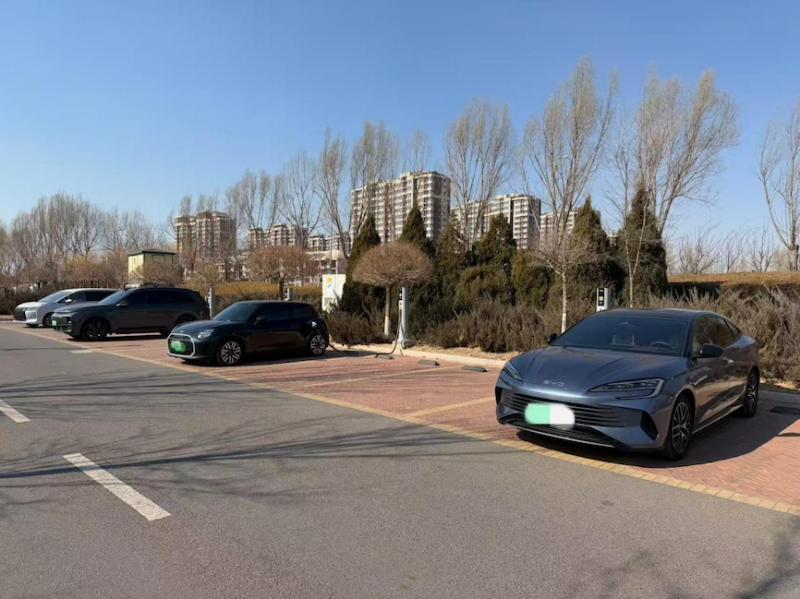
Core Insights - The penetration rate of new energy vehicles (NEVs) in China is projected to reach 47.9% by 2025, with December 2025 marking the first month where it surpasses 50%, maintaining its position as the world's largest market for 11 consecutive years [2] - The transition of NEVs from a niche market to a mainstream consumer product is evident, with a significant increase in the variety of models available, including higher-end brands like Tesla and NIO [3][4] - Consumer preferences are shifting towards higher-value vehicles, as evidenced by the increasing presence of models priced above 200,000 yuan in the market [5] Market Dynamics - The growth of NEVs in rural areas, such as Zhuolu County, is accompanied by a structural shift in consumer preferences, moving from low-cost models to more diverse options that include premium brands [3][4] - The rapid expansion of charging infrastructure is supporting the growth of NEVs, with over 20 million charging facilities nationwide by the end of 2025, and a 56.2% year-on-year increase in private charging stations [6] - Despite the growth in infrastructure, charging anxiety persists, with only 28.7% of households having private charging stations, indicating a gap between infrastructure expansion and actual accessibility [6] Consumer Behavior - The demand for plug-in hybrid vehicles (PHEVs) is declining, with their contribution to the NEV market dropping from 69.7% in 2024 to 15.1% in the first three quarters of 2025, reflecting a market adjustment as pure electric vehicles become more affordable [7][8] - The average selling price of A-class gasoline vehicles has fallen below that of PHEVs, leading consumers to reassess the cost-effectiveness of hybrid models compared to traditional gasoline vehicles [8] - The willingness to pay for advanced driving features is low among consumers in rural areas, with a significant portion preferring basic, practical vehicles over those with high-tech features [9][10] Industry Trends - The 2025 NEV catalog includes a record 124 models, but there is a noted decrease in basic practical models designed for everyday use, as manufacturers focus on higher-margin products [10] - The current market environment allows consumers to make more informed choices, leading to a clearer understanding of genuine needs versus artificially stimulated demand [10]
新能源浪潮涌入小县城,增长背后亦有“变速”
Hua Xia Shi Bao· 2026-02-21 01:21
Core Insights - The penetration rate of new energy vehicles (NEVs) in China is projected to reach 47.9% by 2025, with December 2025 marking the first month to exceed 50% [1] - The transition of NEVs from niche products to mainstream consumer goods is evident, with a significant increase in the variety of models available [2][3] - The growth of NEVs is accompanied by a shift in consumer preferences towards higher-value vehicles, indicating a trend of consumption upgrading [3] Group 1: Market Trends - NEVs have become common in urban areas, with a notable increase in their presence compared to two years ago, where they were rare [1] - The sales of NEVs in a specific county reached nearly 400 units in 2025, with over 60% being electric models, reflecting a significant market shift [2] - The variety of NEVs has expanded, with higher-priced models like Tesla and NIO becoming more common alongside budget options [2] Group 2: Consumer Behavior - Consumers are increasingly willing to spend more on vehicles, as seen in the case of a local resident who upgraded her budget to purchase a higher-end model [3] - The demand for vehicles is shifting from merely the cheapest options to those that offer better overall value, as indicated by a survey showing 43.6% of consumers budgeting between 100,000 to 200,000 yuan [3] - The perception of smart driving features is different in rural areas, where consumers prioritize practical utility over advanced technology [8] Group 3: Infrastructure Development - The rapid expansion of charging infrastructure is supporting the growth of NEVs, with over 20 million charging facilities nationwide by the end of 2025 [4] - In the specific county, at least eight charging stations have been established, and the installation process for private charging stations has become more accessible [4] - Despite improvements, charging anxiety persists, with only 28.7% of households having private charging stations, indicating a reliance on public charging networks [5] Group 4: Market Dynamics - The growth of plug-in hybrid vehicles (PHEVs) has slowed significantly, with their contribution to the NEV market dropping from 69.7% in 2024 to 15.1% in the first three quarters of 2025 [6] - The average price of gasoline vehicles has fallen below that of PHEVs, leading consumers to reconsider their choices based on cost-effectiveness [7] - The implementation of trade-in policies shows minimal difference in subsidies between NEVs and gasoline vehicles, influencing consumer preferences towards lower-priced options [8] Group 5: Future Outlook - The increase in NEVs is stabilizing, allowing for a clearer understanding of genuine consumer demand versus artificially stimulated trends [9] - The current market environment may lead to better alignment between consumer needs and available vehicle options, as consumers have more choices than before [10]
极氪销量目标仅完成81%再战年销70万 电池存热失控隐患主动召回3.8万辆车
Chang Jiang Shang Bao· 2026-02-12 00:05
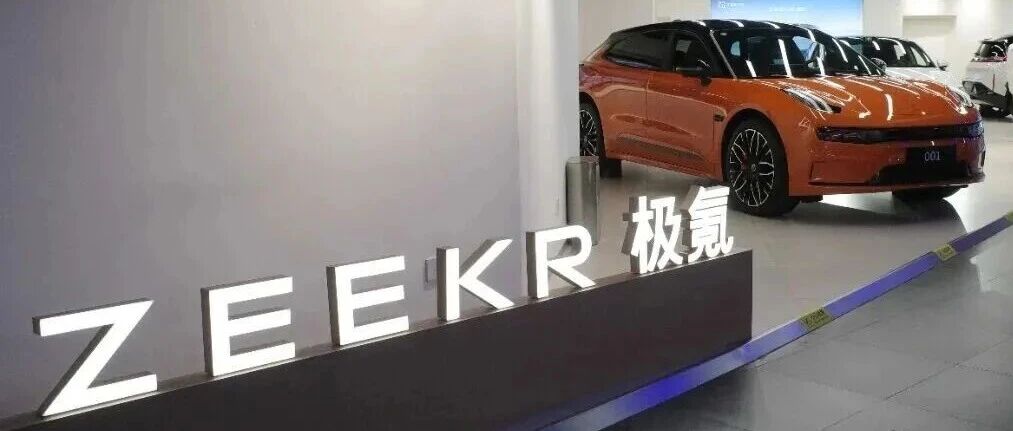
Core Viewpoint - Zeekr has initiated its first-ever recall, affecting 38,277 units of the Zeekr 001 WE model due to potential safety hazards related to high-voltage battery components [1][3][4] Group 1: Recall Details - The recall involves vehicles produced between July 8, 2021, and March 18, 2024, due to manufacturing consistency issues in high-voltage battery components, which may lead to increased internal resistance and potential thermal runaway [1][3] - Zeekr will provide free battery assembly replacements for affected vehicles and implement a cloud-based early warning system to alert users of potential issues [3][4] Group 2: Sales Performance and Targets - In 2025, Zeekr's sales target was set at 320,000 units, but the actual sales reached 574,600 units, achieving approximately 81% of the target, with a year-on-year growth of 13.21% [2][10] - For 2026, the sales target for Zeekr is set at 300,000 units, while the Lynk brand aims for 400,000 units, totaling 700,000 units [2][10] Group 3: Legal and Financial Context - The recall is linked to a legal dispute between Geely and A123 Systems, with Geely seeking compensation of 2.314 billion yuan due to quality issues with battery cells supplied by A123 [5][6] - A settlement agreement was reached, with A123 expected to pay Geely 608 million yuan for costs incurred up to December 31, 2025 [6] Group 4: Corporate Strategy - Zeekr is a joint investment by Geely Auto and Geely Holding Group, and in 2022, it exceeded its delivery target by delivering 71,900 units [7] - The company aims to enhance operational efficiency and resource utilization through the integration of Zeekr as a wholly-owned subsidiary of Geely, following a privatization transaction completed in December 2025 [11][12][13]

23亿天价索赔43天闪电和解:吉利亮剑 欣旺达买单?
Xin Lang Cai Jing· 2026-02-10 08:32
Core Viewpoint - The dispute between domestic power battery supplier XWANDA and Geely's subsidiary Weirui Electric Vehicle Technology has been resolved quickly, with Weirui withdrawing its lawsuit after a settlement agreement was reached, reflecting the complexities of the supply chain in the new energy vehicle industry [1][3][6] Group 1: Dispute Background and Resolution - The lawsuit initiated by Weirui in December 2025 claimed that battery cells supplied by XWANDA from June 2021 to December 2023 had quality issues, leading to significant losses, with a compensation demand of 2.314 billion yuan [1] - The settlement agreement stipulates that XWANDA will pay Weirui a remaining amount of 608 million yuan, to be paid over five years, with specific percentages allocated for each year [2] Group 2: Financial and Market Impact on XWANDA - The settlement is expected to impact XWANDA's net profit for 2025 by 500 to 800 million yuan, which could consume nearly half of its net profit for the first three quarters of 2025 [4] - XWANDA's stock price fell by 11.39% following the lawsuit announcement, resulting in a market value loss of 6.26 billion yuan, and the stock has seen a cumulative decline of 19% by the time of the settlement announcement [4] - The brand reputation and market trust of XWANDA have been severely affected, potentially leading to lost orders and a long recovery period for market confidence [4] Group 3: Industry Implications - The rapid resolution of the dispute highlights the delicate interdependence within the automotive supply chain, where major manufacturers rarely file such large lawsuits against core suppliers [3] - The incident emphasizes the need for companies in the new energy sector to balance quality, scale, and collaborative relationships to remain competitive in an increasingly challenging market [6]

极氪召回超3.8万辆车
第一财经· 2026-02-09 13:03
Core Viewpoint - The article discusses the recall of 38,277 Zeekr 001 WE vehicles due to safety concerns related to high-voltage battery components, which may lead to performance degradation and potential thermal runaway risks [3][4]. Group 1: Recall Details - The recall will take effect on March 6, 2026, and involves vehicles produced between July 8, 2021, and March 18, 2024 [3]. - The recall is classified as a proactive recall due to safety defects [4]. Group 2: Background and Legal Context - The recall is linked to a dispute between Geely's battery company, Weir Power, and Aoxin Wanda, which was accused of delivering defective battery cells from June 2021 to December 2023, leading to a claim exceeding 2.3 billion yuan [5]. - The Zeekr 001 model, which sold over 70,000 units in 2022, is significantly affected, with the WE86 version accounting for over 60% of sales [6]. Group 3: Customer Feedback and Remediation - Customers reported issues such as slow charging speeds and inaccurate battery readings, prompting Zeekr to replace battery packs for some WE86 owners prior to the recall announcement [6]. - As part of the recall, Zeekr will conduct inspections or remote diagnostics and will replace the battery assembly for vehicles that have not yet had their batteries changed, addressing safety concerns [6].
吉利系与欣旺达纠纷后续:极氪召回超3.8万辆车
Di Yi Cai Jing· 2026-02-09 11:47
Group 1 - The core issue involves a recall of 38,277 Zeekr 001 WE vehicles due to potential safety hazards related to high-voltage battery components, which may lead to performance degradation and thermal runaway risks [1] - The recall is a result of a dispute between Geely's battery company, Weir Power, and Aoxin Wanda, with Weir Power suing Aoxin Wanda for over 2.3 billion yuan due to quality issues with battery cells delivered between June 2021 and December 2023 [1] - The recall is classified as a proactive measure due to safety defects, with the recall code S2026M0023V indicating the nature of the issue [1] Group 2 - Zeekr 001, which utilizes the affected Aoxin Wanda battery cells, sold over 70,000 units in 2022, with the WE86 version accounting for more than 60% of sales [2] - Customers reported issues such as slow charging speeds and inaccurate battery level readings, prompting Zeekr to previously replace battery packs for some WE86 owners [2] - A settlement was reached between Geely and Aoxin Wanda on February 6, with Aoxin Wanda agreeing to pay 608 million yuan for costs incurred up to December 31, 2025, and to share costs for future expenses related to the recall [2]