
果露酒

Search documents
从“历史经典产业”到“传统优势民生产业”,新五年酿酒产业提质发展
Soochow Securities· 2026-02-24 00:45
Investment Rating - The report maintains an "Accumulate" rating for the beverage industry, indicating a positive outlook for investment in this sector [1]. Core Insights - The report emphasizes the transition of the brewing industry from a "historical classic industry" to a "traditional advantageous livelihood industry," highlighting its importance in cultural heritage and economic development [4][9]. - The "14th Five-Year Plan" outlines specific goals for the brewing industry, including the establishment of over three trillion-level traditional advantageous wine production areas and more than ten hundred-billion-level specialty brewing industrial parks by 2028 [10][12]. - The report identifies a shift in the industry towards digitalization, green practices, and internationalization, with leading companies actively pursuing these transformations [18][20]. Summary by Sections 1. Development of the Brewing Industry - The brewing industry is recognized as a traditional advantageous industry, playing a crucial role in cultural transmission and regional economic development [9]. - The "Guidance on Quality Improvement and Upgrading of the Brewing Industry (2026-2030)" outlines a clear path for high-quality development, focusing on adapting to market changes [9][10]. - The report details a comprehensive plan with 21 key tasks across seven dimensions, including enhancing raw material supply, promoting technological innovation, and transforming business models [17][18]. 2. Investment Recommendations - The report suggests that while traditional beverages like baijiu, beer, and yellow wine are well-established, emerging categories such as fruit wines and craft beers present new opportunities [21]. - It recommends focusing on companies like Kweichow Moutai, which is expected to stabilize and recover in valuation, along with other notable brands such as Gujing Gongjiu and Luzhou Laojiao [22].




食品饮料行业跟踪周报从“历史经典产业”到“传统优势民生产业”新五年酿酒产业提质发展
Soochow Securities· 2026-02-23 00:30
Investment Rating - The report maintains an "Add" rating for the food and beverage industry, indicating a positive outlook for the sector [1]. Core Insights - The report emphasizes the transition of the brewing industry from a "historical classic industry" to a "traditional advantageous livelihood industry," highlighting its importance in cultural heritage and economic development [4][9]. - The "14th Five-Year Plan" outlines clear goals for the brewing industry, aiming for high-quality development and the establishment of over three trillion-level traditional advantageous wine-producing areas and more than ten hundred-billion-level specialty brewing industrial parks by 2028 [10][12]. - The report identifies a shift in the industry towards digitalization, green practices, and internationalization, with leading companies actively pursuing transformation strategies [18][20]. Summary by Sections 1. Development of the Brewing Industry - The brewing industry is recognized as a traditional advantageous industry, playing a crucial role in cultural transmission and regional economic development [9]. - The "Guidance on Quality Improvement and Upgrading of the Brewing Industry (2026-2030)" sets a roadmap for adapting to market changes and achieving high-quality growth [9][10]. - The report outlines a two-phase goal structure for the industry, focusing on enhancing raw material supply, technological innovation, and brand empowerment [12][17]. 2. Investment Recommendations - The report suggests that while traditional sectors like white wine, beer, and yellow wine are mature, emerging segments such as fruit wine and craft beer present new opportunities [21]. - It recommends focusing on companies like Guizhou Moutai, which is expected to stabilize and recover in valuation, along with other notable brands [22].
政策“破冰”与产业“重塑”,三部门发文如何改写酒业未来五年进程?
Xin Lang Cai Jing· 2026-02-15 01:09
Core Viewpoint - The release of the "Guiding Opinions on the Quality Improvement and Upgrading of the Brewing Industry (2026-2030)" by three government departments marks a significant policy shift, redefining the brewing industry from a "restrictive industry" to a "historical classic industry," signaling a potential restructuring of the industry's operational rules [4][14][16]. Summary by Relevant Sections Policy Context - The brewing industry is recognized as a traditional advantageous industry and a fundamental livelihood industry, playing a crucial role in cultural heritage, regional economic development, rural revitalization, and job creation [5]. - The policy aims to guide the brewing industry to adapt to new market demands and achieve high-quality development [5]. Development Goals - The policy outlines developmental goals for the brewing industry over the next five years, aiming for enhanced integration of raw material cultivation, production, and consumption by 2028, with a focus on product diversity, quality recognition, and brand reputation [7]. - By 2030, the industry aims for improved digitalization, greening, and internationalization, with a stable increase in scale and optimized production capacity and product structure [7]. Key Tasks - The policy identifies seven key areas with 21 specific tasks to enhance the brewing industry's capabilities, including: - Strengthening the supply of raw materials such as sorghum and barley [8]. - Encouraging a shift from traditional brewing methods to scientific and intelligent brewing [10]. - Supporting the integration of upstream and downstream industries and fostering specialized small and medium enterprises [10]. - Promoting digital, green, and international development strategies [10]. - Encouraging new business models and consumption scenarios, such as community e-commerce and themed street markets [10]. Market Implications - The policy is seen as a structural transformation for the brewing industry, laying the groundwork for a quality-driven shift in the Chinese consumer market [14]. - The emphasis on supporting industrial concentration zones and potential tax incentives raises questions about the future of regulatory constraints on the industry [16]. - The success of the outlined goals will depend on the actual market demand and the ability of enterprises to adapt to these changes [17][18]. Conclusion - The policy opens up opportunities for the brewing industry, but the realization of its ambitious targets will require careful navigation of market dynamics and consumer preferences [20].

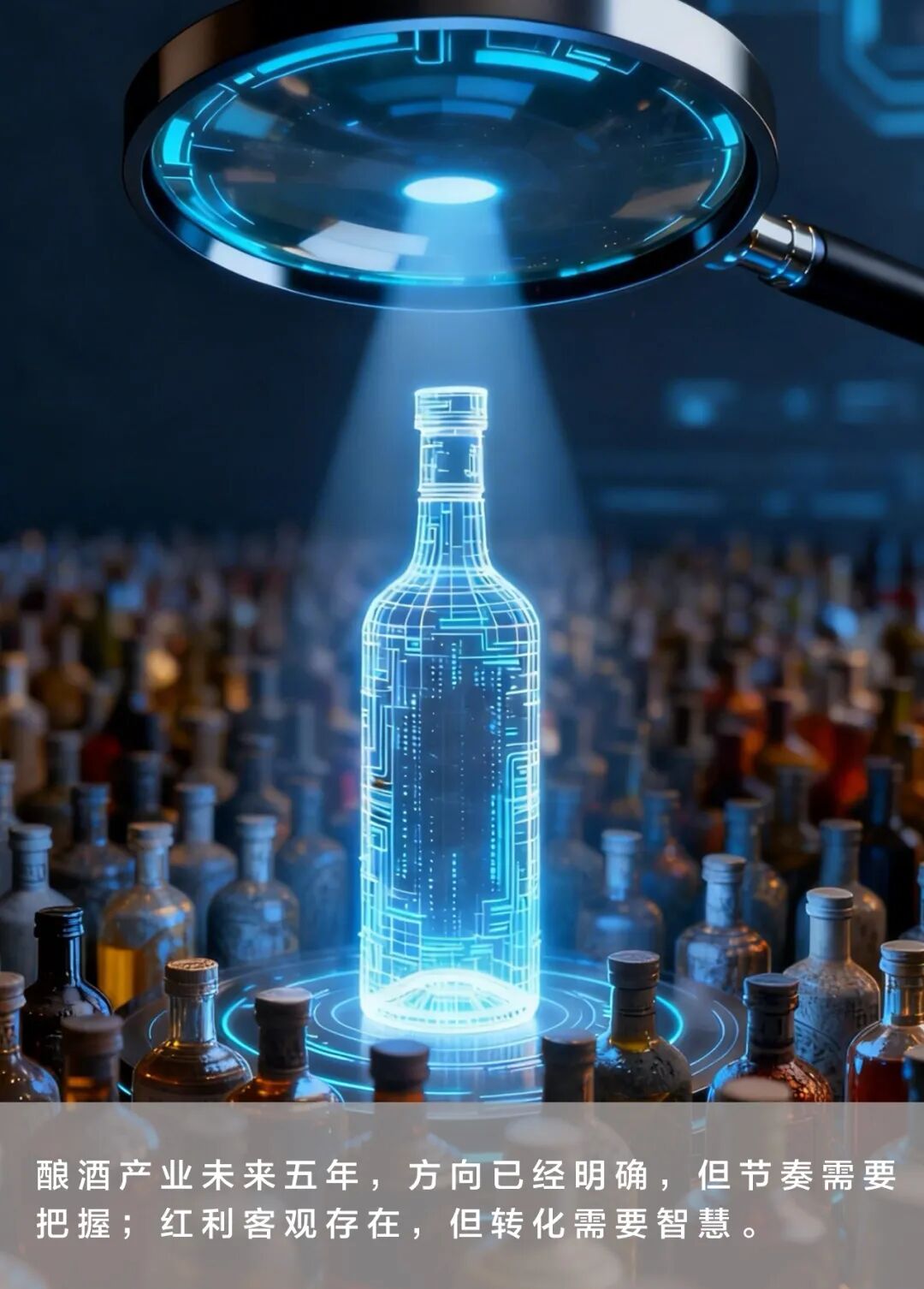
工信部等三部门发文,拟培育10个以上百亿级特色酿酒产业园区(附全文)
Xin Lang Cai Jing· 2026-02-14 05:06
Core Viewpoint - The "Guidance on Quality Improvement and Upgrading of the Brewing Industry (2026-2030)" aims to enhance the development of the brewing industry in China, focusing on quality, innovation, and internationalization, with specific targets set for 2028 and 2030 [1][39]. Group 1: Development Goals - By 2028, the brewing industry aims to optimize the integration of raw material planting, production, and consumption, enhancing product richness, quality recognition, and brand reputation [1][41]. - The industry plans to cultivate over three traditional advantageous liquor production areas with a scale of over 100 billion yuan and more than ten characteristic brewing industrial parks with a scale of over 10 billion yuan, forming a development pattern of "100 billion parks, 1 trillion clusters, and 10 trillion industries" [1][41]. - By 2030, the industry seeks to improve digitalization, greening, and internationalization levels, significantly enhancing development quality and efficiency, while maintaining stable industry scale and optimizing production capacity and product structure [1][41]. Group 2: Key Tasks - Enhance raw material supply security by promoting the cultivation of specialized brewing raw materials and establishing standardized planting bases [10][11]. - Improve technological innovation in the industry by supporting the development of key technologies and encouraging the standardization and digitalization of traditional brewing processes [13][14]. - Adjust and optimize the industry structure by fostering high-quality enterprises and promoting integrated development across the industry chain [17][18]. Group 3: New Models and Business Formats - Expand and enrich production and sales link models, encouraging deep integration between production and distribution enterprises [25][26]. - Create diverse and integrated consumption scenarios, embedding liquor products into various economic and cultural activities [27][28]. - Promote the "Brewing Industry +" new business formats, facilitating cross-industry integration and developing innovative consumer products [29][30]. Group 4: Brand and Cultural Empowerment - Deeply explore the cultural value of brewing, encouraging the construction of digital resources and the use of technology for cultural dissemination [51][52]. - Accelerate the systematic development of brands, supporting enterprises in creating series of brands tailored to different consumer groups [31][32]. - Promote brand culture through high-quality events and storytelling to enhance the soft power of the Chinese brewing industry [32][33].

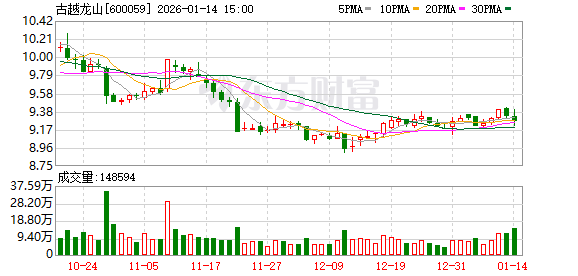
古越龙山:公司十分重视科技创新与产品研发
Zheng Quan Ri Bao· 2026-01-14 12:39
Core Viewpoint - The company emphasizes the importance of technological innovation and product development, highlighting its collaboration with Jiangnan University on the "Guyue Longshan Yeast No. 1" project as a significant achievement in technological innovation [2] Group 1: Technological Innovation - The company is actively promoting product innovation and upgrades based on market demand [2] - The collaboration with Jiangnan University is a key part of the company's technological innovation strategy [2] Group 2: Product Development - The company has developed a diverse range of products, including fruit liquor, herbal series liquor, glutinous rice whiskey, and craft lager [2] - Future industrialization plans will be advanced steadily based on market research and technical validation [2]

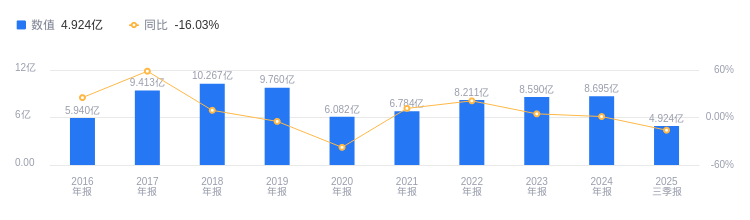
ST通葡的前世今生:2025年三季度营收4.92亿行业排第三,远低于行业平均,净利润亏损行业垫底
Xin Lang Cai Jing· 2025-10-30 16:58
Core Viewpoint - ST Tongpu, a long-established player in the domestic wine industry, is facing challenges in revenue and profit performance, ranking last in its industry for both metrics as of Q3 2025 [2][3]. Group 1: Business Performance - In Q3 2025, ST Tongpu reported revenue of 492 million yuan, ranking 3rd in the industry, with the top competitor, Guolian Co., achieving 38.78 billion yuan [2]. - The company's net profit for the same period was -48.71 million yuan, also ranking 3rd, while Guolian Co. reported a net profit of 1.327 billion yuan [2]. - The main business composition includes 331 million yuan from liquor (86.02%), 47.74 million yuan from wine (12.42%), and 5.99 million yuan from other sources (1.56%) [2]. Group 2: Financial Ratios - As of Q3 2025, ST Tongpu's debt-to-asset ratio was 66.11%, slightly up from 65.29% year-on-year, which is below the industry average of 67.51% [3]. - The company's gross profit margin was 12.91%, down from 16.49% year-on-year, and also below the industry average of 13.03% [3]. Group 3: Shareholder Information - As of September 30, 2025, the number of A-share shareholders decreased by 3.56% to 13,300, while the average number of circulating A-shares held per account increased by 5.56% to 32,200 [5]. Group 4: Leadership Compensation - The chairman of ST Tongpu, Wu Yuhua, received a salary of 393,000 yuan for the year 2024 [4].
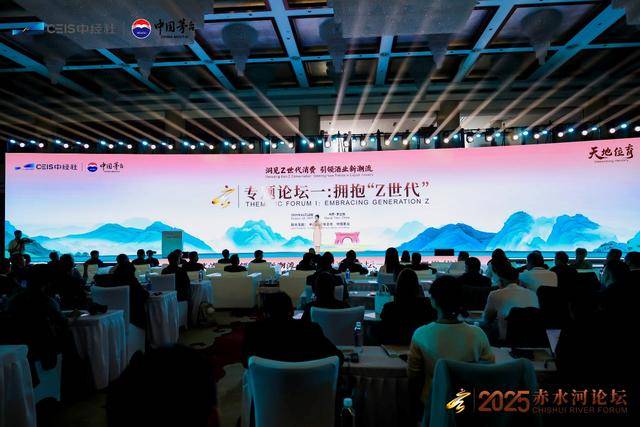
拥抱Z世代 年轻化已成酒业转型“必选项”
Sou Hu Cai Jing· 2025-10-29 04:09
Core Insights - The rise of Generation Z is transforming the consumption landscape, making them a central force in the market, particularly in the liquor industry [1][3] - The Z generation, born between 1995 and 2009, values cultural identity, social connections, and experiences, leading to a shift in consumption patterns [3][6] - Embracing Generation Z is not just a strategic choice but a necessity for the liquor industry to remain competitive [3][6] Industry Trends - The Z generation's consumer preferences are characterized by a focus on health, rational consumption, and a decrease in drinking frequency and quantity [3][4] - Digital technology and innovative consumption scenarios are providing strong support for the youth-oriented transformation of the liquor industry [4][6] - The liquor industry is witnessing a multi-faceted transformation, with companies innovating across product offerings, consumption scenarios, supply, and cultural aspects [6][8] Product Innovation - Product innovation is a core focus for attracting the Z generation, with trends leaning towards lower alcohol content and fruit-flavored beverages [6][8] - Cross-industry collaborations, such as tea and alcohol fusion products, are emerging as new growth points in the market [6][7] Cultural Engagement - Cultural values and storytelling are becoming essential in attracting young consumers, as they seek products with meaningful backgrounds [7][8] - Companies are shifting from traditional marketing to more engaging methods like short videos and social media interactions to resonate with the Z generation [8] Strategic Directions - Long-term commitment to innovation is crucial for companies aiming to capture the young market [8] - The integration of online and offline experiences, along with personalized services, is vital for appealing to the Z generation [8]
ESG评级稳居黄酒行业领跑地位 古越龙山以责任匠心焕活千年黄酒复兴路
Quan Jing Wang· 2025-08-28 06:10
Core Viewpoint - Companies with high ESG ratings are increasingly becoming preferred partners in the supply chain and a focus of capital market attention, with Guyue Longshan being a benchmark in the yellow wine industry, achieving a BBB ESG rating and ranking first among other alcoholic beverage industries [1][2] ESG Commitment and Achievements - Guyue Longshan released its first ESG report in 2025, demonstrating its commitment to high-quality development through environmental friendliness, product service, talent cultivation, public welfare, and cultural advocacy [2] - The company has been recognized for its sustainable practices, including green brewing processes and community engagement, which reflect its dedication to sustainable development [1][2] Quality Control and Food Safety - Guyue Longshan has established a comprehensive quality control system from raw material sourcing to production, achieving a 100% compliance rate in various quality metrics and zero major food safety incidents in the year [3] - The company has implemented strict environmental management standards for its raw material production bases, ensuring compliance with pesticide and heavy metal regulations [4] Innovation and Technology - The company combines traditional brewing techniques with technological innovation, maintaining a lineage of over 362 generations of brewing skills, and has a strong talent pool including national-level artisans and masters [5][6] - In 2024, Guyue Longshan invested 30.2 million yuan in R&D, a 7.03% increase year-on-year, focusing on projects that enhance the quality and safety of yellow wine [6] Market Adaptation and Consumer Engagement - Guyue Longshan is actively pursuing a strategy to attract younger consumers, with its new business division and online channels seeing revenue growth of 22.64% and 15.31% respectively in the first half of 2025 [8] - The company has launched innovative products like coffee yellow wine and bubble yellow wine, achieving significant sales growth and appealing to modern consumer preferences [9] Digital Transformation and Sustainability - Guyue Longshan's intelligent factory was recognized as an advanced-level smart factory in Zhejiang Province, showcasing its commitment to digital transformation and sustainable practices [10] - The company is investing 2.3 billion yuan in a new industrial park, which aims to achieve smart brewing and green production [10] Shareholder Engagement and Financial Performance - The company has a history of returning value to investors, with a total dividend payout of 1.415 billion yuan since its listing, and a cash dividend of 273 million yuan in the last three years [12] - In 2025, Guyue Longshan announced a share buyback plan of 200-300 million yuan to enhance investor confidence and align interests among shareholders, investors, and employees [11] Social Responsibility and Community Engagement - Guyue Longshan is committed to social responsibility, engaging in rural revitalization and community development projects, including the establishment of a co-prosperity base for plum cultivation [13] - The company has signed contracts for the cultivation of 6,400 acres of rice, providing employment opportunities and increasing income for local farmers [13]
古越龙山营收19.36亿中高端酒增速12.47%,线上线下融合推动黄酒文化传承与创新
Quan Jing Wang· 2025-03-31 01:03
Core Viewpoint - Guyue Longshan (古越龙山) demonstrates robust growth in its 2024 annual report, showcasing strong resilience and market competitiveness, with significant increases in revenue and profit [1][2]. Financial Performance - In 2024, the company achieved operating revenue of 1.936 billion yuan, a year-on-year increase of 8.55% [1] - The net profit attributable to shareholders, excluding non-recurring items, was 198 million yuan, up 3.52% year-on-year [1] - The main business revenue from alcoholic beverages reached 1.905 billion yuan, growing by 10.41% [1] - Online sales revenue amounted to 267 million yuan, marking a 35.16% increase [1][5] Brand and Product Development - Guyue Longshan ranked 14th in the Asia Brand 500 for the 14th consecutive year, entering the top 300 for the first time with a brand value of 53.398 billion yuan [1] - The company focuses on high-end product strategies, launching premium series such as "Guoniang 1959" and "Qinghua Zui," contributing to a 12.47% increase in high-end product revenue [2] - The gross profit margin for mid-to-high-end alcoholic beverages reached 44.32% [2] Market Expansion - The company held over 1,000 promotional events in more than 100 cities and regions, including 23 large-scale overseas events [3] - Guyue Longshan opened its first overseas Shaoxing wine tasting hall in France and expanded e-commerce channels in Japan and North America [3] - Overseas sales revenue reached 42.4766 million yuan, reflecting strong international market competitiveness [3] Innovation and Technology - The company is advancing its smart factory initiative, with plans to complete the production and R&D service center by 2025 [2] - R&D expenses increased by 7.03% to 30.201 million yuan, with collaborations with top research institutions [5] - Guyue Longshan has been recognized for its technological advancements, winning several awards for its research achievements [5] Social Responsibility and Governance - The company invested over 500,000 yuan in rural revitalization and established a charity fund, benefiting nearly 1,000 individuals [7] - Guyue Longshan emphasizes employee welfare, achieving a 100% contract signing rate and providing comprehensive benefits [7] - The company has implemented strict food safety measures, achieving a 100% compliance rate in product inspections [7] Future Outlook - Guyue Longshan aims to continue its commitment to cultural heritage and sustainable development, focusing on innovation and quality [8]