柔性OLED屏

Search documents
总投资10亿元!这一项目首批柔性OLED屏成功点亮.....
Xin Lang Cai Jing· 2026-02-10 12:41
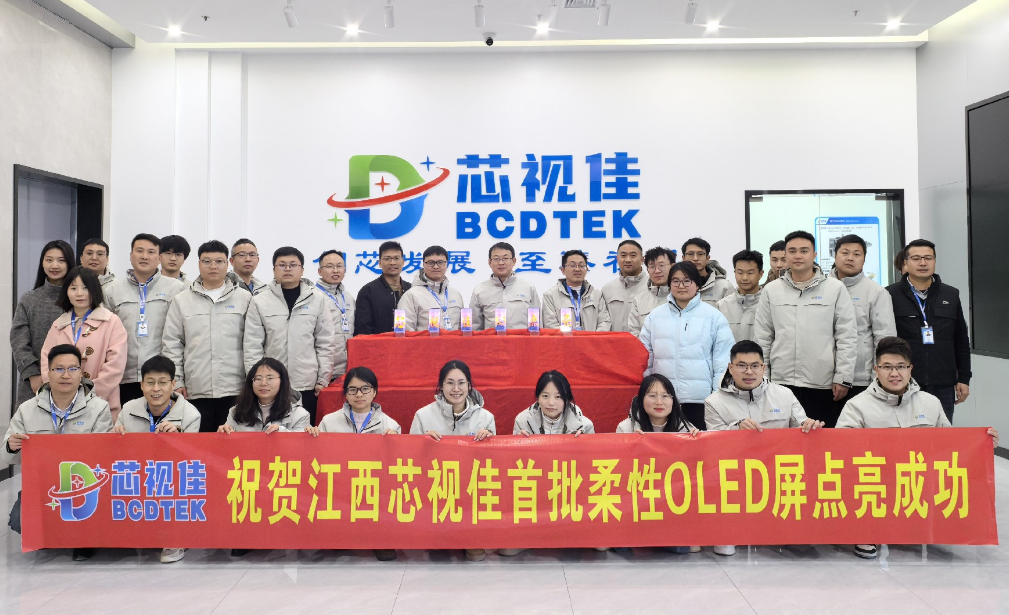
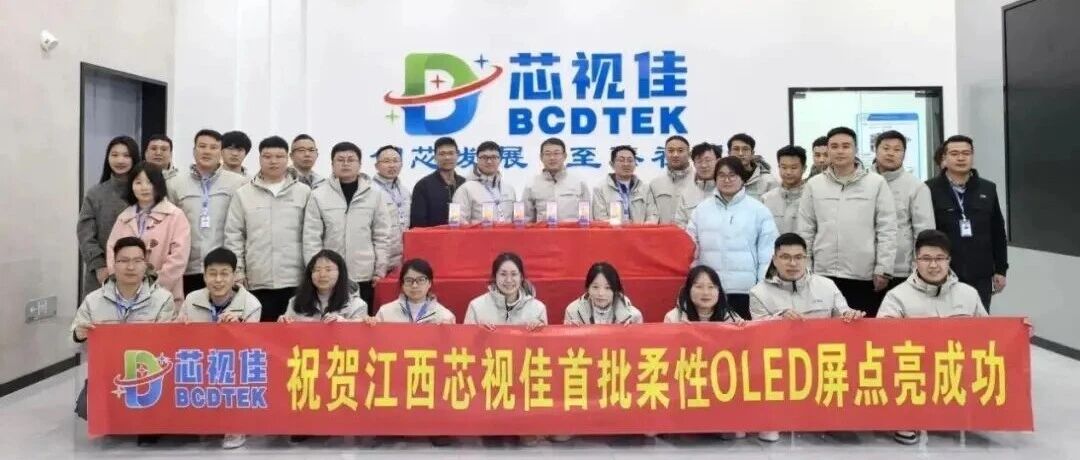
Core Viewpoint - Jiangxi Chipview Technology successfully completed the debugging of its first production line on February 9, with the first batch of flexible OLED screens successfully lit up [1][5]. Group 1: Product Features - The newly lit products feature core advantages of flexibility and bendability, equipped with ultra-narrow bezels, a 120Hz high refresh rate, and high peak brightness, ensuring clear and detailed images even in strong light [3][7]. - These displays are designed to meet the demands of flagship smartphones, foldable devices, tablets, and smart wearables for lightweight, personalized, and immersive displays [3][7]. Group 2: Production and Investment - After completing full-process reliability verification, the project will officially start mass production, providing a more competitive flexible display solution for the high-end smart terminal market [10]. - The project, which officially landed in Fengcheng, Jiangxi in 2025, has a total investment of 1 billion yuan, focusing on high-end OLED module manufacturing in two phases: Phase 1 aims for an annual production of 12 million flexible OLED modules with 2 fully automated production lines; Phase 2 targets an annual production of 2.5 million silicon-based OLED display modules, also with 2 fully automated production lines [5][10].

总投资10亿!江西芯视佳首批柔性OLED屏正式点亮
WitsView睿智显示· 2026-02-10 07:16
Core Viewpoint - Jiangxi Chip Vision has successfully completed the debugging of its first production line, marking the official lighting of its first batch of flexible OLED screens, which feature core advantages such as flexibility, ultra-narrow bezels, 120Hz high refresh rates, and high peak brightness [1][4]. Group 1 - The newly lit products cater to high-end smart terminal markets, including flagship smartphones, foldable devices, tablets, and smart wearables, meeting demands for lightweight, personalized, and immersive displays [4]. - The K3 factory, with a total investment of 1 billion yuan, is designed to produce 12 million sets of flexible OLED modules annually in its first phase, equipped with two fully automated production lines [4]. - Upon full production, the project is expected to generate an annual output value exceeding 1 billion yuan [4]. Group 2 - The K3 factory will focus on producing OLED modules characterized by high resolution, high brightness, low power consumption, ultra-lightweight, and long lifespan, targeting next-generation near-eye display devices and covering various applications in consumer electronics, smart wearables, and automotive displays [5]. - Chip Vision specializes in the research and development of silicon-based OLED microdisplay technology, providing silicon-based OLED microdisplay devices and flexible AMOLED display modules for applications in VR/AR, electronic viewfinders, special applications, automotive, and portable smart devices [5].
双翼共振——永春医药城与北湖未来科学城的“产创”协同进阶
Xin Lang Cai Jing· 2026-01-11 05:54
Core Insights - The article highlights the collaborative development of two key areas in Changchun: the North Lake Future Science City and the Yongchun Pharmaceutical City, emphasizing their roles in driving industrial upgrades through a "science and technology + industry" approach [5][21]. Group 1: Strategic Development - The dual-city layout is not merely an expansion of spatial territory but a critical strategy for cultivating new productive forces in Changchun, aligning with the provincial high-quality development strategy [5][7]. - The North Lake Future Science City is positioned as an "innovation source and talent hub," while the Yongchun Pharmaceutical City is designated as an "industrial growth pole and transformation demonstration area" [5][7]. Group 2: Implementation Mechanisms - Changchun has established specialized working groups led by city leaders to ensure the effective implementation of the dual-city development strategy, creating a collaborative framework for progress [7]. - A closed-loop mechanism for task execution has been established, including weekly scheduling, monthly inspections, and quarterly reports to ensure accountability [7]. Group 3: Policy and Resource Allocation - The city has initiated a "one-window acceptance, parallel approval, and time-limited completion" model for project approvals, significantly streamlining processes [7]. - Over 1 billion yuan in policy benefits have been distributed to enterprises through an "automatic push" system, reducing institutional transaction costs [7][8]. Group 4: Talent and Innovation - A "dual-city talent pool" has been created to prioritize the allocation of resources such as land, funding, and talent to major projects, with over 20,000 various talents introduced [8][19]. - The integration of scientific research and industrial innovation is emphasized, with a focus on avoiding homogeneous competition and fostering a collaborative ecosystem [8][9]. Group 5: Infrastructure and Connectivity - Transportation infrastructure is being enhanced to facilitate connectivity between the two cities, including the construction of a rapid transit route that will reduce travel time to 30 minutes [16][18]. - The establishment of a talent-sharing mechanism aims to break regional barriers, allowing for mutual recognition of qualifications and shared benefits [18][19]. Group 6: Environmental and Ecological Initiatives - Both cities are committed to ecological governance, with initiatives to improve environmental quality and create a sustainable development model [20]. - The North Lake Wetland has been transformed into a recreational area, while the Yongchun Pharmaceutical City is implementing projects to enhance local ecology [20]. Group 7: Future Outlook - The North Lake Future Science City aims to develop three trillion-yuan industrial clusters in optical information, intelligent manufacturing, and new materials, while the Yongchun Pharmaceutical City targets becoming a leading hub for biopharmaceuticals by 2030 [20][21]. - The collaborative advancement of these two cities is seen as a vital exploration for the revitalization of Northeast China's old industrial base [21].
国产柔性OLED手机屏占比已超六成 下一步向高端要盈利
Di Yi Cai Jing· 2025-09-20 06:30
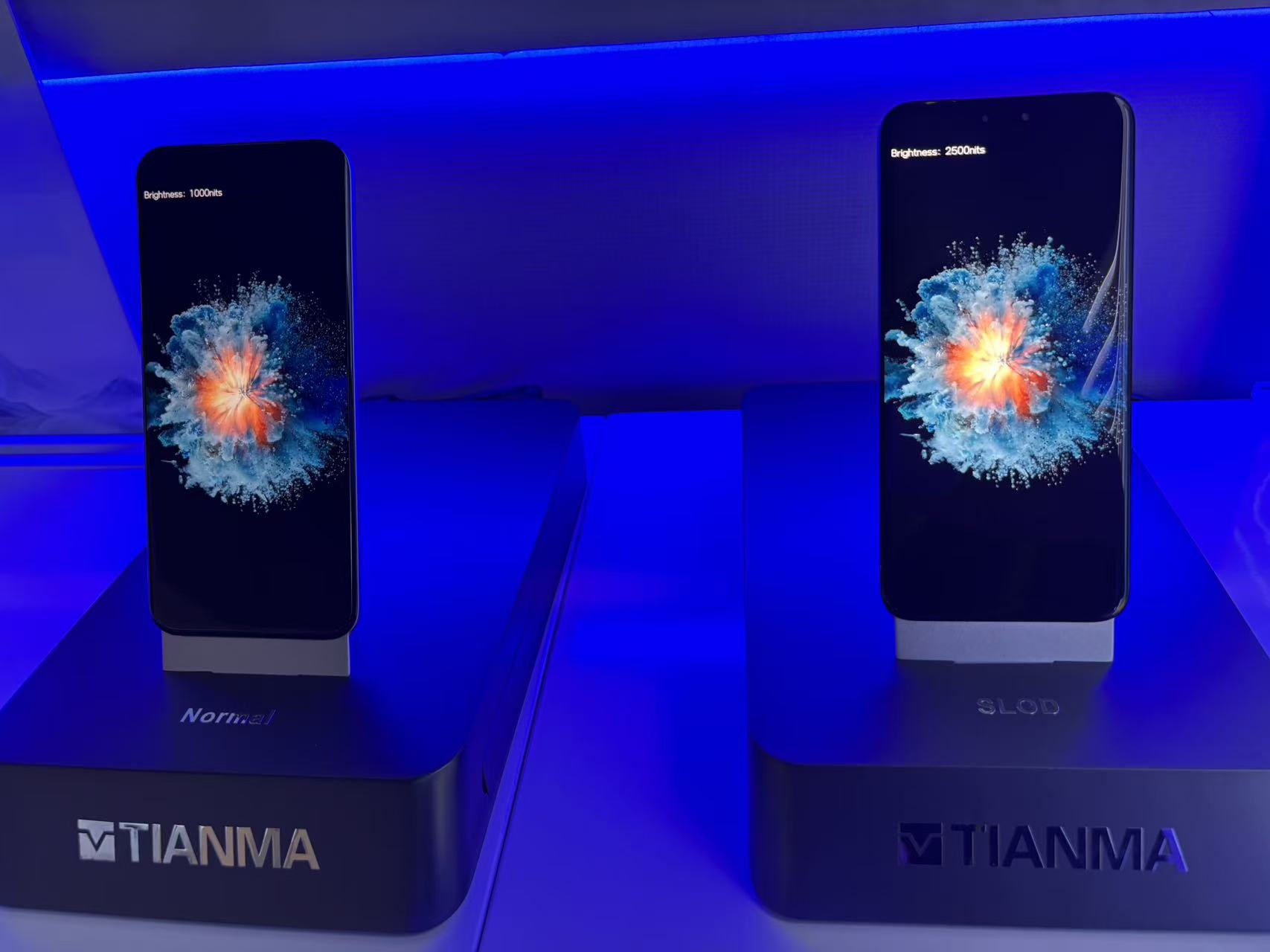
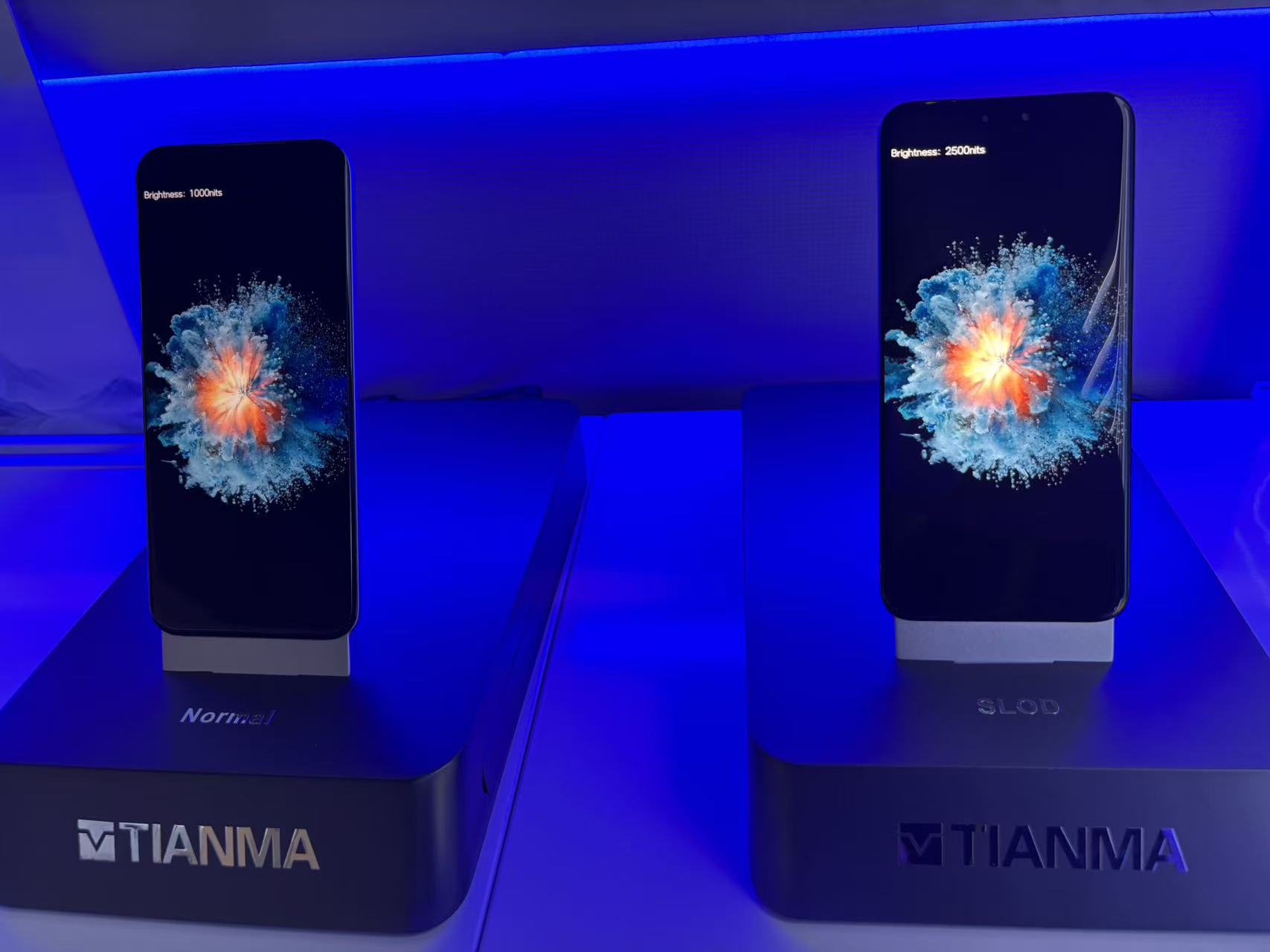
Core Viewpoint - The domestic OLED screen market, which holds over 60% of the global flexible OLED smartphone screen share, is intensifying its focus on high-end products, particularly in eye-care technology and high refresh rates [2][3]. Group 1: Product Development and Trends - Tianma and OPPO have jointly launched an eye-care OLED smartphone screen with a low brightness of 1 nit in dark environments, establishing a collaborative laboratory [2]. - Key technological trends for OLED screens include eye-care features, high refresh rates, and the development of foldable screens, with Tianma's OLED screens achieving refresh rates of up to 240Hz [2]. - The foldable smartphone market is experiencing stable growth, and Tianma is ramping up production of flexible OLED screens for both left-right and up-down folding designs [2]. Group 2: Industry Collaboration and Competitiveness - The competitiveness of domestic OLED screens relies on industry chain collaboration, with OPPO and Tianma combining their respective technologies for the development of the eye-care OLED screen [3]. - The domestic OLED industry is pushing for the localization of OLED emitting materials to enhance the competitiveness of screens and terminal products [3]. Group 3: Market Outlook and Performance - Currently, 90% of flexible OLED screens are used in smartphones, but Tianma plans to expand applications into automotive and IT sectors, with flexible OLED automotive display products expected next year [4]. - Major players like BOE, Visionox, and TCL Huaxing are establishing 8.6-generation flexible OLED or printed OLED production lines to capture opportunities in mid-size displays for IT and automotive applications [4]. - According to Sigmaintell, global shipments of flexible OLED smartphone screens are projected to reach nearly 300 million units in the first half of 2025, with a year-on-year growth of approximately 5.2% [4]. - Domestic manufacturers are expected to ship around 190 million flexible OLED smartphone screens, marking a year-on-year increase of about 7.7%, thus increasing their global market share to 62.3% [4]. - Tianma and BOE's flexible OLED smartphone screen shipments in the first half of the year were approximately 71 million and 43.2 million units, respectively, with year-on-year growth rates of 10.3% and 15.6% [4].

国产柔性OLED手机屏占比已超六成,下一步向高端要盈利
Di Yi Cai Jing· 2025-09-20 06:17
Core Insights - The domestic OLED screen market, which accounts for over 60% of the global flexible OLED smartphone screen market, is focusing on high-end development [2] - Tianma and OPPO have launched an eye-care OLED smartphone screen with a low brightness of 1 nit in dark environments, indicating a trend towards value competition in domestic OLED screens [2] - The collaboration aims to enhance the competitiveness of domestic OLED screens through industry chain synergy, with a focus on localizing OLED emitting materials [3] Group 1 - The technological trends for OLED smartphone screens include eye-care features, high refresh rates, and foldable designs [2] - Tianma's OLED screens can achieve a refresh rate of up to 240Hz, providing smoother visuals [2] - The foldable smartphone market is experiencing stable growth, and Tianma is ramping up production of flexible OLED screens for both left-right and up-down folding designs [2] Group 2 - Currently, 90% of flexible OLED screens are used in smartphones, but Tianma plans to expand applications to automotive and IT sectors, with flexible OLED automotive displays expected next year [4] - Major competitors like BOE, Visionox, and TCL Huaxing are also establishing 8.6-generation flexible OLED or printed OLED production lines to capture opportunities in mid-size displays [4] - According to Sigmaintell, global shipments of flexible OLED smartphone screens are projected to reach nearly 300 million units in the first half of 2025, with a year-on-year growth of approximately 5.2% [4]