
光电信息

Search documents
宁波深化建设全域高水平创新型城市
Xin Hua Wang· 2026-02-24 01:16
Core Viewpoint - Ningbo is actively enhancing its status as a high-level innovative city, focusing on building a robust innovation ecosystem in the manufacturing sector, which is referred to as the "Champion City" of manufacturing [1][2]. Group 1: Innovation and Manufacturing - Ningbo has seen a significant increase in the number of national manufacturing single champion enterprises, with 15 new additions last year, bringing the total to 119, maintaining the top position among cities in China for eight consecutive years [2]. - The city is promoting the transformation of dominant industries into modern industrial clusters, encouraging the formation of innovation alliances led by key enterprises [2][3]. - In the humanoid robot sector, Ningbo has established a dedicated research plan, resulting in the presence of 8 complete humanoid robot companies and 220 core component companies, with a revenue growth rate of 11.3% in the artificial intelligence core industry last year [3]. Group 2: Talent Development - Ningbo's industrial chain advantages provide fertile ground for attracting and retaining innovative talent, with over 2,000 top-tier scientific and young technological talents gathered in the city [4][5]. - The city has implemented various innovative measures for talent recruitment and retention, including the establishment of the "Ningbo Talent Project" to support over 400 projects annually during the 14th Five-Year Plan period [5]. Group 3: Innovation Environment - Ningbo is fostering a collaborative innovation culture by promoting partnerships between government, research institutions, and enterprises, enhancing the overall innovation ecosystem [6][7]. - The city has launched a long-term service action plan for enterprises, introducing new mechanisms to provide comprehensive support for innovation and development, including digital transformation and collaborative innovation services [7].
利好来了!刚刚,福建重磅发布!
券商中国· 2026-02-08 01:08
Core Viewpoint - The article discusses the implementation opinions issued by the Fujian Provincial Government aimed at promoting high-quality urban development through 25 specific measures across seven areas, including optimizing urban systems, accelerating the transformation of urban development dynamics, and fostering a high-quality urban living environment [1]. Group 1: Urban Development Strategies - The implementation opinions emphasize the cultivation of strategic emerging industries such as optoelectronics, integrated circuits, and new energy, while promoting the development of new production capacities tailored to local conditions [1][3]. - It highlights the importance of urban agglomeration, particularly the role of the Fuzhou and Xiamen metropolitan areas in driving coordinated development and enhancing infrastructure connectivity through projects like the Fuzhou-Putian-Ningde intercity railway [2]. Group 2: Infrastructure and Quality of Life - The opinions call for the enhancement of urban infrastructure, including the acceleration of metro projects in Fuzhou and Xiamen, optimization of urban road networks, and the development of parking and charging facilities [5]. - There is a focus on improving housing quality through a new real estate development model that integrates market and guarantee mechanisms, aiming for safer, more comfortable, and greener housing [5][6]. Group 3: Sustainable Development and Innovation - The document stresses the establishment of a sustainable urban construction and operation financing system, encouraging local government bond applications for urban renewal projects and promoting public-private partnerships [4]. - It also advocates for energy-saving and carbon reduction initiatives in production sectors, including the promotion of green buildings and the development of zero-carbon industrial parks [6].


福建:巩固提升制造业支柱产业,培育光电信息、集成电路、新能源等战略性新兴产业集群
Xin Lang Cai Jing· 2026-02-08 00:58
Core Viewpoint - The Fujian Provincial Government has issued implementation opinions to promote high-quality urban development, emphasizing tailored strategies to enhance urban development momentum [1] Group 1: Urban Development Strategies - The government advocates for city-specific policies to boost urban development [1] - There is a focus on enhancing urban industrial parks through intelligent, green, and integrated development [1] Group 2: Industry Focus - The strategy aims to consolidate and elevate the manufacturing sector while fostering strategic emerging industry clusters such as optoelectronics, integrated circuits, and new energy [1] - Future industries will be developed based on local conditions to cultivate new productive forces [1] Group 3: Construction and Modernization - The plan includes the development of intelligent construction and the cultivation of a modern architectural industry chain to accelerate the transformation and upgrading of the construction sector [1] Group 4: Economic Diversification - The government is promoting the development of various economic sectors, including first-release, silver economy, low-altitude, cultural tourism, and marine economies, to create new consumption scenarios and business formats [1] - Support is provided for Xiamen to pilot the construction of an international consumption environment [1] Group 5: Cultural and Tourism Development - The initiative aims to accelerate the creation of distinctive cultural districts, nighttime cultural and tourism consumption clusters, leisure tourism streets, and intangible cultural heritage districts [1]
长春新区:新增青年群体1.98万人,产业人才总量达15万人
Xin Lang Cai Jing· 2026-02-03 12:52
Core Insights - The article highlights the rapid development and supportive ecosystem for talent and innovation in Changchun New Area, showcasing successful projects and investments in high-tech sectors [2][11]. Group 1: Talent Attraction and Support - In 2025, Changchun New Area secured a competitive advantage in talent acquisition by integrating innovation, industry, funding, and talent chains [4]. - The area has established a "励志奖学金" (Inspiration Scholarship) and developed 200,000 square meters of talent apartments to create a conducive environment for innovation and entrepreneurship [4][14]. - The total number of industrial talents in the region reached 150,000, with over 8,800 new urban jobs created in a year, attracting 19,800 young graduates [15]. Group 2: Innovation and Research Development - Changchun New Area has gathered 103 intellectual property service institutions, accounting for 48.27% of the city's effective invention patents, with a high density of valuable patents ranking among the top in the country [15]. - The region has incubated 40 enterprises through the Jilin Provincial Science and Technology Innovation Research Institute, generating revenues of 900 million yuan [6][13]. - The establishment of 12 cooperation teams between universities and local governments has led to the identification of 315 technology achievements, with several high-profile projects successfully landing in the area [6][14]. Group 3: Entrepreneurial Ecosystem - The "千帆竞发" (Thousand Sails Competing) innovation incubation platform has established 59 incubation carriers, housing over 1,360 enterprises and creating more than 30,000 job opportunities [6][14]. - The Northeast's first operational new quality productivity development promotion center has organized 118 various events, enhancing the service capabilities for innovation and entrepreneurship [6][14]. - The area has successfully attracted 20 high-quality overseas innovation projects, including advanced technologies from international universities [14].
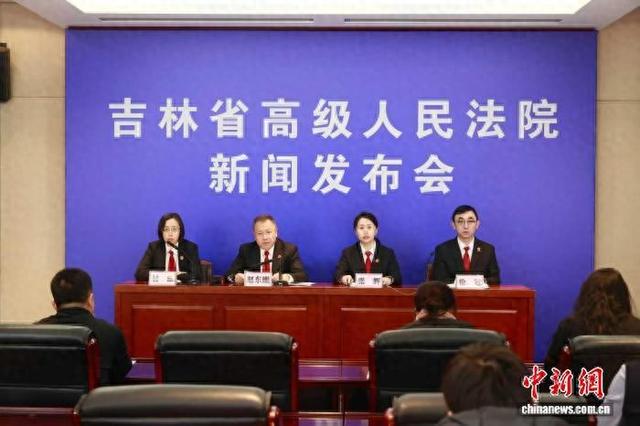
2025年吉林法院审结民商事案件38万余件
Zhong Guo Xin Wen Wang· 2026-01-26 11:11
Group 1 - The Jilin Provincial High Court reported a total of 393,433 civil and commercial cases accepted and 386,016 cases concluded in 2025, achieving a case closure rate of 95.64% within the statutory time limit, ranking among the top in the country [1][3] - The court concluded 4,400 intellectual property cases related to Jilin's key industries such as automotive manufacturing, biomedicine, and optoelectronics, and handled 306 foreign-related cases, including those involving Hong Kong, Macau, and Taiwan [3] - A total of 61,144 financial cases were adjudicated, involving an amount of 112.6 billion yuan, with significant progress in the clearance of old bankruptcy cases, including the notable restructuring case of Zhongtong Guomai [3] Group 2 - The court enhanced the protection of rights for special groups, helping migrant workers recover over 23.87 million yuan in unpaid wages, and established a juvenile protection court to improve the juvenile trial mechanism [3] - The Jilin court implemented the "Fengqiao Experience," achieving a "no litigation" coverage rate of 12.13% in administrative villages and communities, with 97.1% of courts establishing connections with comprehensive governance centers [4] - All courts in the province eliminated "one-person courts," enhancing the social function of the judiciary [4]
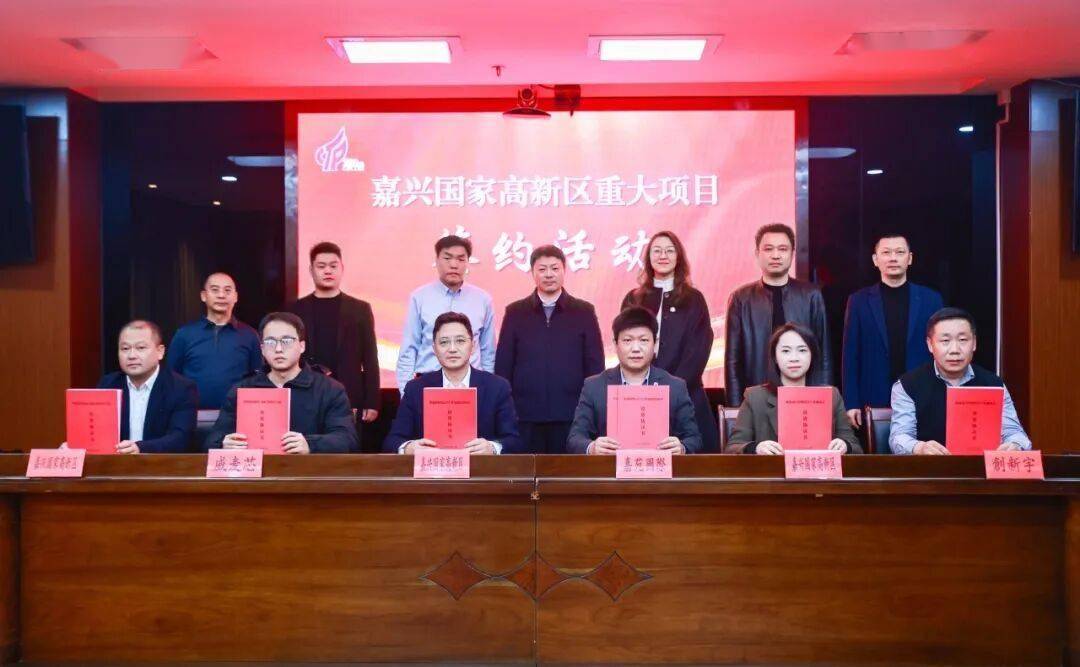
一期投资5000万美元!这家企业多条液晶显示模组生产线项目落地嘉兴
Sou Hu Cai Jing· 2026-01-14 11:47
Core Insights - Three foreign investment projects, each exceeding $100 million, have been signed in Jiaxing National High-tech Zone, focusing on new energy lithium battery production, smart terminal equipment, and LCD display module production, marking a strong start for the region's outward-oriented economic development in the new year [1] Group 1: Investment Projects - The signed projects include a new energy lithium battery production and assembly project, a smart terminal equipment and electronic integrated mainboard R&D production project, and an LCD display module production base project, all aligning with the region's new layout in new energy, new materials, and low-altitude economy [1][3] - The LCD display module production base project by Innovation Universe Intelligent Technology (Hong Kong) Co., Ltd. has a total investment of $100 million, with the first phase involving $50 million to build multiple production lines, aiming for an annual output value of 600 million yuan upon reaching full capacity [4] - The smart terminal equipment and electronic integrated mainboard R&D production project by Zhejiang Weimaxi Chip Electronics Technology Co., Ltd. is expected to achieve an annual output value of 700 million yuan, enhancing the region's outward-oriented manufacturing capabilities in core components [4] Group 2: Industry Development - The two electronic information foreign investment projects, each exceeding $100 million, will leverage foreign enterprises' advantages in technology, capacity, and market, promoting the collaborative development of the industrial chain and strengthening the international foundation of the new materials and electronic information-related industries [3] - The projects are expected to accelerate the formation of core component clusters and enhance the international competitiveness of the industrial cluster, contributing to the region's manufacturing sector by integrating upstream and downstream resources [3][4]
双翼共振——永春医药城与北湖未来科学城的“产创”协同进阶
Xin Lang Cai Jing· 2026-01-11 05:54
Core Insights - The article highlights the collaborative development of two key areas in Changchun: the North Lake Future Science City and the Yongchun Pharmaceutical City, emphasizing their roles in driving industrial upgrades through a "science and technology + industry" approach [5][21]. Group 1: Strategic Development - The dual-city layout is not merely an expansion of spatial territory but a critical strategy for cultivating new productive forces in Changchun, aligning with the provincial high-quality development strategy [5][7]. - The North Lake Future Science City is positioned as an "innovation source and talent hub," while the Yongchun Pharmaceutical City is designated as an "industrial growth pole and transformation demonstration area" [5][7]. Group 2: Implementation Mechanisms - Changchun has established specialized working groups led by city leaders to ensure the effective implementation of the dual-city development strategy, creating a collaborative framework for progress [7]. - A closed-loop mechanism for task execution has been established, including weekly scheduling, monthly inspections, and quarterly reports to ensure accountability [7]. Group 3: Policy and Resource Allocation - The city has initiated a "one-window acceptance, parallel approval, and time-limited completion" model for project approvals, significantly streamlining processes [7]. - Over 1 billion yuan in policy benefits have been distributed to enterprises through an "automatic push" system, reducing institutional transaction costs [7][8]. Group 4: Talent and Innovation - A "dual-city talent pool" has been created to prioritize the allocation of resources such as land, funding, and talent to major projects, with over 20,000 various talents introduced [8][19]. - The integration of scientific research and industrial innovation is emphasized, with a focus on avoiding homogeneous competition and fostering a collaborative ecosystem [8][9]. Group 5: Infrastructure and Connectivity - Transportation infrastructure is being enhanced to facilitate connectivity between the two cities, including the construction of a rapid transit route that will reduce travel time to 30 minutes [16][18]. - The establishment of a talent-sharing mechanism aims to break regional barriers, allowing for mutual recognition of qualifications and shared benefits [18][19]. Group 6: Environmental and Ecological Initiatives - Both cities are committed to ecological governance, with initiatives to improve environmental quality and create a sustainable development model [20]. - The North Lake Wetland has been transformed into a recreational area, while the Yongchun Pharmaceutical City is implementing projects to enhance local ecology [20]. Group 7: Future Outlook - The North Lake Future Science City aims to develop three trillion-yuan industrial clusters in optical information, intelligent manufacturing, and new materials, while the Yongchun Pharmaceutical City targets becoming a leading hub for biopharmaceuticals by 2030 [20][21]. - The collaborative advancement of these two cities is seen as a vital exploration for the revitalization of Northeast China's old industrial base [21].
长春“十五五”规划建议:经济增速跑赢全国平均水平,经济总量迈上万亿元台阶
Zheng Quan Shi Bao Wang· 2026-01-06 07:40
Core Insights - Changchun's economic development during the 14th Five-Year Plan period has shown steady growth, with GDP increasing and a modern industrial system being established, focusing on traditional industries' transformation and emerging industries' rapid growth [1][2] Group 1: Economic Development - The GDP of Changchun is on a stable growth trajectory, with a significant improvement in comprehensive strength and a modern industrial system being constructed [1] - The city aims to achieve high-quality development during the 15th Five-Year Plan, with economic growth expected to outpace the national average and total economic output reaching over one trillion yuan [1][2] Group 2: Traditional Industry Optimization - Changchun plans to enhance traditional industries by implementing advanced manufacturing cluster cultivation, focusing on the transformation of the automotive, equipment manufacturing, and agricultural product processing sectors [3] - The automotive industry is shifting towards new energy and intelligent networking, supporting the "All in" strategy of China FAW, and developing a world-class automotive manufacturing cluster [3] Group 3: Emerging Industry Growth - The city will promote high-quality development in emerging industries such as optoelectronics, biomedicine, and green energy, establishing a "leading + supporting" industrial cluster [4] - Changchun aims to become a hub for optoelectronic materials and devices, enhancing its brand as "Changchun Optics Valley" [4] Group 4: New Industry Tracks - The city is focusing on seven new industry tracks, including high-end medical equipment, aerospace, and digital economy, to accelerate development in these areas [5] - Efforts will be made to develop humanoid robotics and advanced materials, with a focus on overcoming key technological challenges [5] Group 5: Service Industry Development - Changchun is set to enhance the quality and efficiency of its service industry, promoting the integration of modern services with advanced manufacturing and agriculture [6] - The city will develop its ice and snow economy, logistics systems, and improve the quality of life services [6] Group 6: Infrastructure Development - A modern infrastructure system will be constructed, focusing on the integration of various networks and the advancement of new infrastructure [7] - The city will prioritize the development of transportation and energy infrastructure to enhance resource allocation and safety [7]
浙江临空示范区光电信息母基金二期招GP
FOFWEEKLY· 2025-12-29 10:11
Group 1 - The core viewpoint of the article is the public selection of fund management institutions for the second phase of the Optoelectronic Information Mother Fund in the Shaoxing area of the Hangzhou-Shaoxing Airport Economic Integration Development Demonstration Zone, with a proposed scale of 5 billion yuan [2] - The fund is structured as a company and is fully funded by the Zhejiang Shaoxing Hangzhou-Shaoxing Airport Demonstration Zone Development Group Co., Ltd. or its subsidiaries [2] - The investment focus of the fund is on the new generation optoelectronic information industry and the integrated service industry, forming a "1+1" industrial system, with investment methods including direct investment or investment in sub-funds [2]

吉林省“十五五”规划建议:把发展经济的着力点放在实体经济,再造老工业基地竞争新优势
Zheng Quan Shi Bao Wang· 2025-12-11 04:36
Core Insights - The "14th Five-Year" period has seen significant achievements in revitalizing Jilin's economy, with stable GDP growth and improved economic structure [1] - The focus is on building a modern industrial system, emphasizing the transformation of traditional industries and the growth of strategic emerging industries [2][3] - There is a strong push for innovation and the establishment of a robust technological platform, with a notable increase in high-tech enterprises [1][2] Economic Development - Jilin's GDP has shown stable growth, with a continuous optimization of the economic structure and enhanced resilience and vitality [1] - The province has implemented effective strategies to expand domestic demand, particularly in tourism and consumption sectors [1] Industrial Transformation - The strategy emphasizes the optimization and upgrading of traditional industries, including the transition of the automotive sector to new energy vehicles and the petrochemical industry towards higher quality and reduced oil dependency [2] - There is a focus on fostering strategic emerging industries such as new energy, new materials, and biomanufacturing, with specific targets for growth in these sectors [3][4] Future Industry Layout - Jilin aims to seize opportunities in future industries like artificial intelligence, hydrogen energy, and advanced manufacturing, with plans to develop a comprehensive ecosystem around these sectors [4] - The province is set to enhance its capabilities in high-performance computing and develop new battery technologies [4] Modern Service Industry - The development of the modern service industry is prioritized, with initiatives to enhance service quality and integrate with advanced manufacturing and agriculture [5] - There is a specific focus on promoting the ice and snow economy, including the development of related tourism and equipment industries [5] Infrastructure Development - Jilin plans to advance its infrastructure system, balancing new construction with the renovation of existing facilities, and enhancing digital infrastructure [6] - Key projects include the expansion of transportation networks and the optimization of water and energy resource management [6]