橙心优选

Search documents
社区团购,倒在了2026年?
3 6 Ke· 2026-01-19 02:30
Core Insights - The community group buying sector has rapidly transitioned from explosive growth to a collective retreat, with major players like Alibaba's Taocai Cai, Didi's Orange Heart Selection, and Meituan exiting the market, leaving only Pinduoduo's Duoduo Maicai remaining [1][2] Group 1: Market Dynamics - In 2020, internet giants heavily invested in community group buying, with total financing reaching hundreds of billions and over 200 companies involved, leading to a fierce competition [2] - Regulatory scrutiny began in December 2020, with the introduction of new rules aimed at preventing unfair competition, marking a turning point for the industry [2] - By 2021, the bubble burst, leading to a wave of bankruptcies and significant business reductions among major players, including Didi and JD [3] Group 2: Business Model Challenges - The community group buying model has faced fundamental profitability issues since its inception, relying on heavy subsidies and unsustainable pricing strategies that failed to yield long-term profits [4] - The high loss rates and low margins associated with fresh produce further exacerbated the profitability challenges, leading to long-term losses for many platforms [4] Group 3: Competitive Pressures - The sector faced intense competition, with numerous platforms vying for market share, resulting in resource wastage and increased market saturation [7] - The rise of alternative retail formats, such as discount stores and instant retail, diminished the competitive advantages of community group buying, leading to a decline in market space [7] Group 4: Shift to Instant Retail - Instant retail has emerged as a new battleground for major players, with projections indicating that the market could exceed 1 trillion yuan by 2026 [8] - Changing consumer preferences towards immediate gratification have rendered the community group buying model less appealing, as consumers now prioritize convenience and speed [8] - Major companies are investing heavily in instant retail, with Alibaba, JD, and Meituan all planning significant financial commitments to capture market share [9]





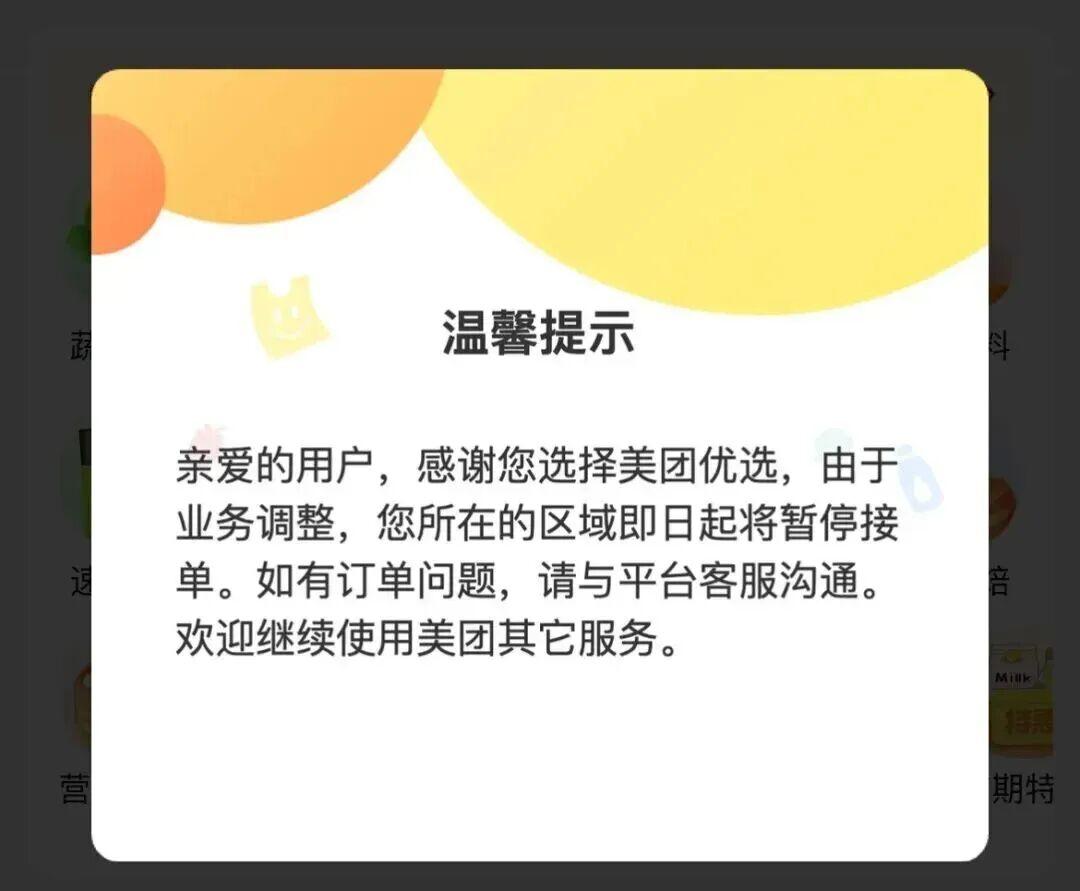
巨头集体跑路,社区团购凉透了
商业洞察· 2026-01-14 09:29
Core Viewpoint - The article discusses the decline of community group buying in China, highlighting the shift in consumer demand from low-cost options to instant retail services that offer speed, reliability, and quality [5][7][30]. Group 1: Historical Context - In 2020, the pandemic-driven "stay-at-home economy" propelled community group buying into the spotlight, with major players like Didi, Meituan, and Pinduoduo investing heavily [9][10]. - The industry saw over 559 billion yuan in financing, with nearly 200 companies entering the market, leading to what was termed the "second group buying war" [9][10]. - By 2021, regulatory measures began to impact the market, leading to the collapse of many smaller platforms due to unsustainable business models reliant on subsidies [10][11]. Group 2: Current Landscape - As of 2025, only Pinduoduo's "Duoduo Mai Cai" remains in the community group buying space, having adapted its model to focus on high-frequency, durable goods rather than perishables [6][11]. - The GMV for Duoduo Mai Cai is projected to approach 300 billion yuan, achieved by shifting from a community group buying model to a "low-cost instant retail" approach [11][12]. Group 3: Reasons for Decline - **Reason 1: Hidden Costs** Community group buying is perceived as a "light asset" model, but it incurs significant hidden costs related to warehousing, logistics, and customer service, leading to unsustainable losses [14][15]. - **Reason 2: Quality Control Issues** Poor product quality and lack of supplier qualifications have led to numerous consumer complaints, damaging the reputation of community group buying platforms [17][19]. - **Reason 3: Slow Delivery** The lengthy delivery process, often taking over 24 hours, has resulted in customer dissatisfaction, as users prioritize reliability over low prices [20][21]. Group 4: Competition from Instant Retail - Instant retail has emerged as a formidable competitor, offering faster delivery times (within 30 minutes) and better quality control, which community group buying struggles to match [24][26]. - The ability of instant retail to provide a wide range of products and immediate availability has shifted consumer preferences away from community group buying [30].

打了2009天的社区团购,还是拼多多笑到了最后
3 6 Ke· 2026-01-05 00:49
Core Viewpoint - Pinduoduo's "Duoduo Grocery" has emerged as the sole winner in the community group buying sector following the complete shutdown of Meituan's "Meituan Youxuan" [1][26]. Group 1: Market Dynamics - The community group buying battle has lasted five years, culminating in Meituan's withdrawal, which was unexpected by many who thought it would survive until at least 2025 [1][3]. - Meituan's exit means that the resources and user base it built over the years are now handed over to Pinduoduo, allowing Duoduo Grocery to rapidly acquire users and expand its operations [3][11]. - Duoduo Grocery has seen a surge in demand, leading to stock shortages and adjustments in order fulfillment times [3][11]. Group 2: Competitive Landscape - Pinduoduo is not only gaining users but is also actively recruiting former Meituan leaders and suppliers to strengthen its market position [9][13]. - The community group buying market has seen significant financial losses, with Meituan's new business segment losing over 77 billion RMB from 2020 to 2023, primarily due to its group buying operations [15][26]. - As of late November 2023, Duoduo Grocery's projected GMV for 2025 is nearing 300 billion RMB, surpassing the combined GMV of Duoduo Grocery and Meituan Youxuan for 2024 [15][26]. Group 3: Historical Context - The community group buying model was initially pioneered by companies like "Xingsheng Youxuan" and "Shihuituan," which had significant early success [18][21]. - The intense competition led to unsustainable financial practices, with major players like Didi's "Chengxin Youxuan" and others ultimately exiting the market due to regulatory pressures and financial losses [23][24][28]. - Pinduoduo's operational model, which leverages existing supply chains and a decentralized logistics approach, has proven more efficient compared to Meituan's heavy investment in self-operated warehouses and logistics [26][31].
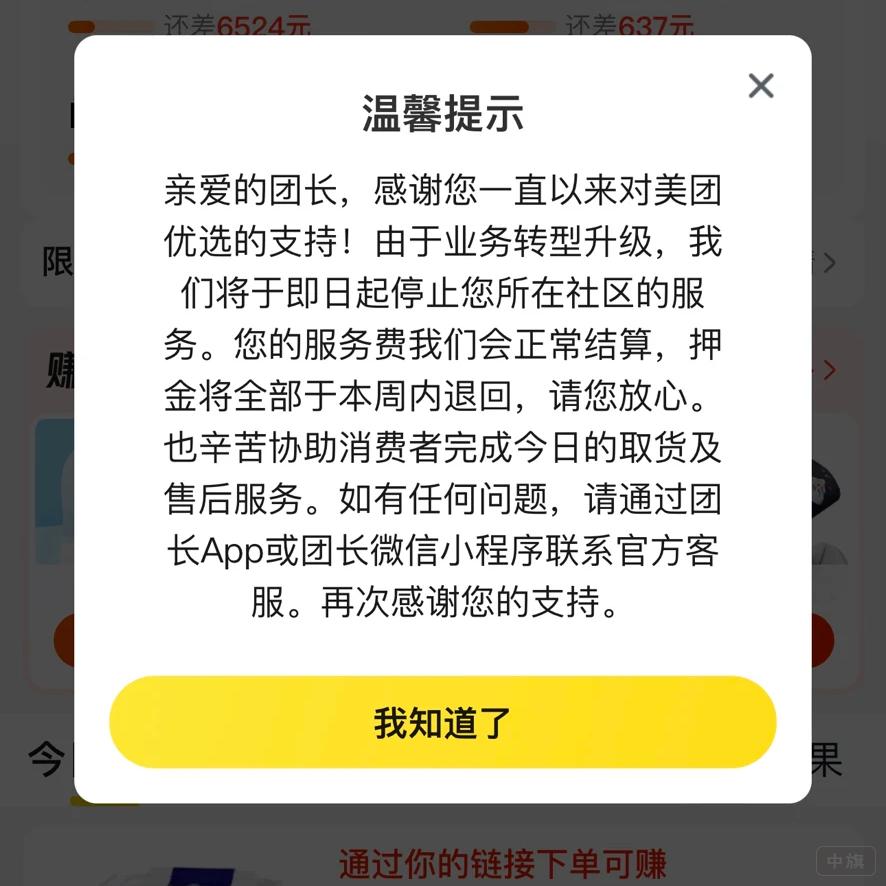
被遗忘的社区团购
投资界· 2025-08-31 07:15
Core Viewpoint - Community group buying has been recognized as a significant failure in the internet industry, with major players incurring substantial losses and ultimately leading to a rapid decline in the sector's viability [1][3]. Group 1: Industry Overview - The community group buying sector experienced explosive growth in 2020, followed by a swift decline, with major companies like Meituan and Pinduoduo reporting cumulative losses exceeding 80 billion yuan from 2020 to 2024 [1][3]. - Major players such as Meituan, Pinduoduo, Alibaba, and Didi invested heavily in community group buying, with Alibaba's Taocai Cai reportedly spending at least 20 billion yuan to secure a top market position [4][3]. - The community group buying model was initially seen as a cost-effective alternative to traditional retail, with lower prices and reduced delivery costs compared to other models like front warehouses [6][8]. Group 2: Business Model Analysis - Community group buying utilized a "next-day delivery + self-pickup" model, significantly reducing operational costs compared to traditional delivery methods [6][4]. - The model aimed to streamline supply chains by minimizing intermediaries, reducing markup rates from 45% to below 20% [8]. - Despite its initial promise, the community group buying sector faced challenges such as high operational costs, limited profit margins, and regulatory scrutiny, leading to a decline in market viability [10][14]. Group 3: Market Dynamics - By mid-2022, Pinduoduo and Meituan held a combined market share of 76%, but both companies shifted focus towards reducing losses rather than aggressive competition [12][14]. - The community group buying sector's struggles were exacerbated by the rise of instant retail, which offered a more efficient and profitable alternative, leading to questions about the future viability of community group buying [22][24]. - Instant retail's market size reached 650 billion yuan in 2023, significantly overshadowing community group buying, which faced increasing competition from established players like JD and Alibaba [22][24].