殷瓦钢

Search documents
从“十年磨一剑”到“一年磨十剑” 中国LNG船建造效率大幅度提升
Yang Shi Xin Wen· 2025-10-13 07:21
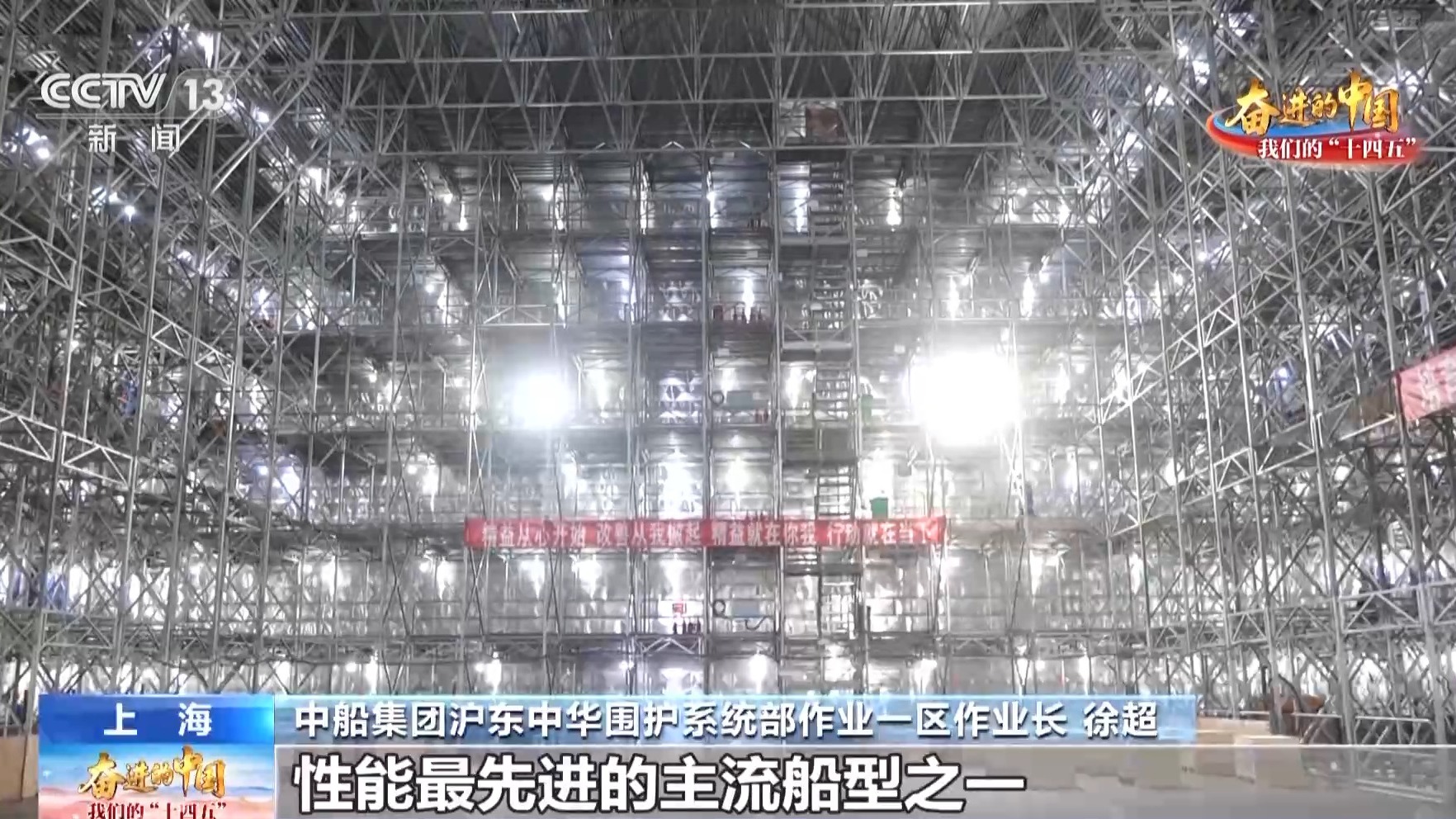
Core Viewpoint - The article highlights the significant advancements in the domestic production of Yinvag Steel, a core material for LNG ship construction, during China's 14th Five-Year Plan period, marking a shift from reliance on imports to breakthroughs in domestic technology [1][5]. Group 1: LNG Ship Construction - The construction of an LNG ship is compared to that of an aircraft carrier, with over 3 million components involved in the enclosure system alone, requiring expertise in fluid mechanics, low-temperature materials, and automatic control [3][5]. - The Yinvag Steel used in LNG ship welding is extremely thin at 0.7 mm, with a welding error tolerance of just 0.1 mm, illustrating the precision required in the construction process [3][5]. Group 2: Technological Advancements - The technological breakthroughs achieved during the 14th Five-Year Plan have led to a significant increase in construction efficiency, reducing the production time for a large LNG transport ship from over 30 months to 17 months [7]. - The China Shipbuilding Group has collaborated with over 300 domestic supporting enterprises to create an "innovation consortium" that encompasses the entire industry chain, facilitating multiple technological advancements in LNG ship construction [5][9]. Group 3: Future Aspirations - The leadership at the China Shipbuilding Group emphasizes a shift in approach, aiming to achieve in one year what previously took ten years, reflecting a commitment to rapid innovation and efficiency in shipbuilding [9].


中国钢铁:产量全世界第一,但挣钱能力与日企比,那就差远了
Sou Hu Cai Jing· 2025-08-27 00:07
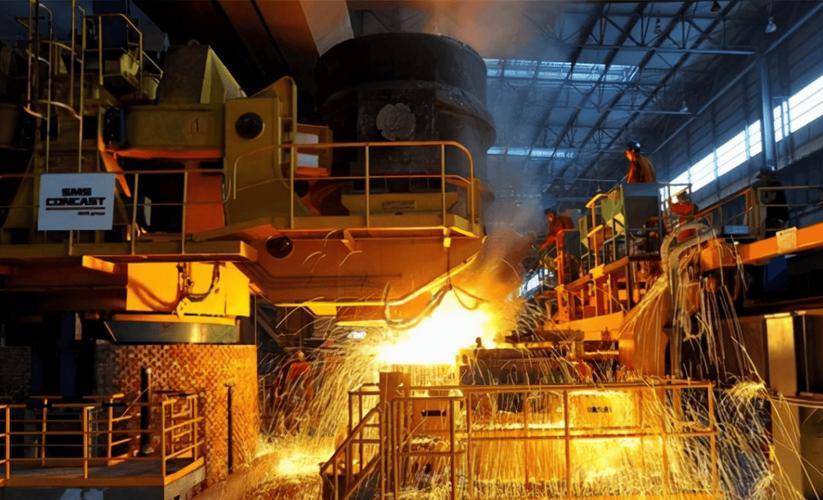
Group 1 - In 2024, China's crude steel production is projected to reach 1.005 billion tons, accounting for over 50% of global output, solidifying its position as the world's largest producer [1] - Despite high production levels, Chinese steel companies lag significantly in profitability compared to Japanese firms, with the top four Chinese steel companies' net profits combined being less than that of Nippon Steel [3] - Nippon Steel, despite producing only 39.64 million tons of crude steel in 2024, has managed to achieve higher profits than Chinese counterparts, highlighting a stark contrast in profitability [3] Group 2 - Cost control is a critical factor, with iron ore accounting for 40% to 50% of steelmaking costs; Nippon Steel has secured long-term low-price contracts with major miners, while Chinese companies rely heavily on imported iron ore, leading to higher costs [5] - Japanese steel companies focus on high-value specialty steel, with over 20% of Nippon Steel's production being specialty steel, while Chinese companies have only 12.31% of their production in this category, primarily producing lower-margin ordinary steel [5] - Chinese steel companies are making efforts to innovate, with advancements in producing specialized steel products, supported by government initiatives aimed at improving the industry [7] Group 3 - The current situation of "large but weak" and low profits in the Chinese steel industry indicates a need for transformation, emphasizing the importance of profitability over sheer production volume [8] - To compete effectively in the global steel market, Chinese steel companies must learn from Nippon Steel and transition from being "large producers" to "profit-making experts" [8]