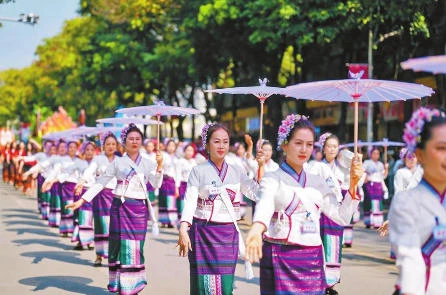
民族歌舞表演

Search documents
佳节共欢腾 最炫民族风
Xin Lang Cai Jing· 2026-02-20 20:42
Core Viewpoint - The article highlights the vibrant cultural celebrations during the Spring Festival in various counties of Yunnan Province, showcasing the rich diversity of ethnic traditions and the integration of tourism with local customs [3][5][7]. Group 1: Cultural Events - On the third day of the Lunar New Year, the Canglang County hosted the "Kua Ta" festival, a significant event for the Lahu ethnic group, symbolizing ancestor worship and harvest celebration, attracting thousands of participants and tourists [3][4]. - The "Kua Ta" festival featured a grand parade with traditional performances, including the Lahu ethnic dance and various other ethnic groups showcasing their unique cultural heritage through music and dance [4][5]. - The "Miao Flower Mountain Festival" in Pingbian County commenced on the same day, featuring a solemn flower pole ceremony and a series of traditional competitions, including chicken fighting and folk dances, aimed at promoting Miao culture [5][6]. Group 2: Tourism and Cultural Integration - The Yulong Snow Mountain scenic area organized a series of ethnic cultural performances from the second to the sixth day of the Lunar New Year, allowing visitors to experience the rich cultural tapestry of Yunnan amidst stunning natural landscapes [6]. - The ethnic parade in Yuanjiang County on the first day of the Lunar New Year showcased a variety of performances, emphasizing the region's diverse cultural heritage and local products, enhancing the festive atmosphere for both residents and tourists [7][8]. - The events not only celebrate local traditions but also serve as a platform for promoting tourism, with immersive experiences that allow visitors to engage with the local culture and festivities [6][7].

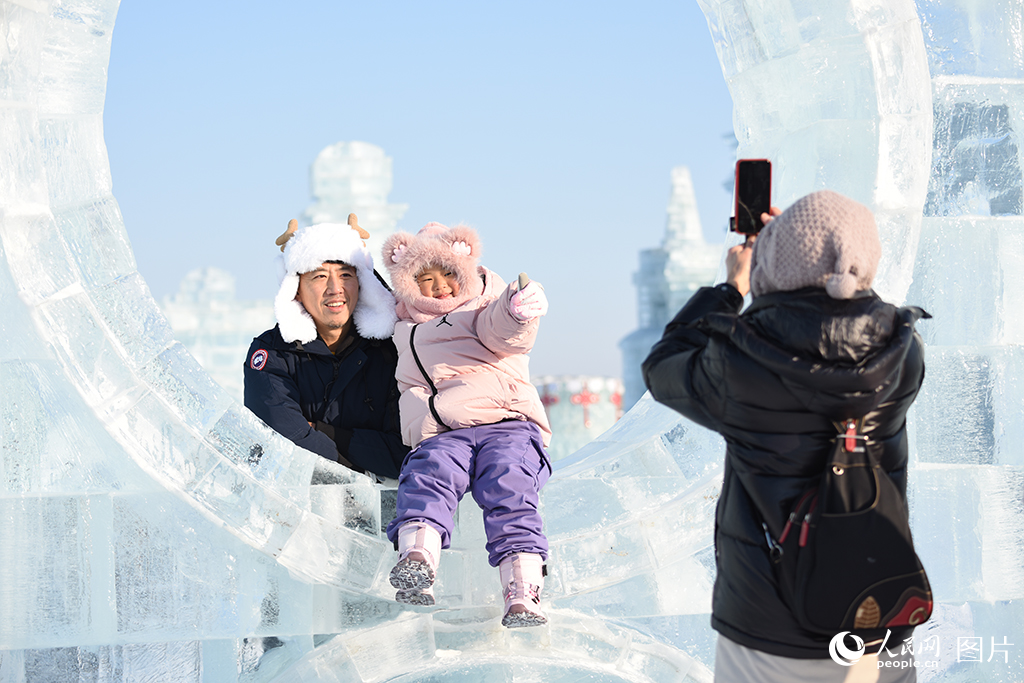
冰雪不冷,经济正燃
Xin Lang Cai Jing· 2026-01-30 23:55
Core Viewpoint - The article highlights the transformation of winter sports and activities into a comprehensive industry chain, where "cold resources" are being converted into a "hot economy," showcasing the high-quality development of the ice and snow economy [1]. Group 1: Industry Growth and Development - The ice and snow economy is evolving into a complete industry chain that integrates sports, culture, equipment, and tourism [1]. - The 2025-2026 snow season will see the transformation of the Taiwu Ski Resort in Zhangjiakou into an immersive stage for a large-scale ethnic dance performance, attracting numerous skiing enthusiasts [6]. - The 2025-2026 Dalian Ice and Snow Season will feature 19 events, including skiing, ice fishing, and other activities, with a total investment of 2 million yuan in ice and snow consumption coupons to stimulate local economic growth [23]. Group 2: Consumer Engagement and Participation - The popularity of ice and snow activities is evident, with families and children actively participating in various winter sports across multiple locations, such as Harbin and Shenzhen [3][4]. - In Shanghai, the ice rink has seen a surge in consumer demand, with approximately 30% of adult participants being born after 1995, indicating a growing interest among younger generations [16]. - During the New Year holiday, over 70,000 visitors flocked to the Xima Ice and Snow Kingdom in Xiong'an, showcasing the appeal of winter activities beyond just being a seasonal attraction [30]. Group 3: Cultural Integration - Ice and snow activities are becoming cultural experiences, with visitors engaging in activities that blend traditional culture with modern entertainment, such as the ice sculptures in Changchun [7]. - The ice and snow landscape is being marketed as a unique cultural experience, attracting tourists to various scenic spots like the ice waterfall in Henan and the ice sculptures in Jilin [18][21]. Group 4: Regional Highlights - The winter season has brought significant snowfall to regions like Jilin and Harbin, leading to increased tourist activity in ski resorts and ice parks [4][13]. - The ice and snow tourism in regions like Guizhou is being promoted as a leading destination, integrating sports, vacation, culture, and educational experiences [27].
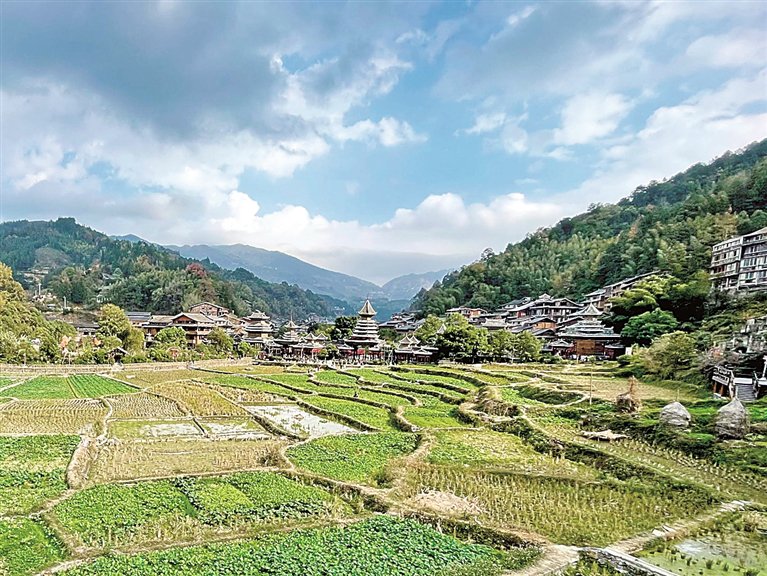
黔山古寨焕新彩——贵州持续擦亮传统村落文化底色
Xin Lang Cai Jing· 2026-01-11 20:19
Core Viewpoint - The article emphasizes the importance of cultural heritage preservation and development in Guizhou Province, highlighting successful initiatives and reforms that have revitalized traditional villages and integrated cultural resources into modern economic activities [1][4][10]. Group 1: Cultural Heritage Preservation - Guizhou has 757 traditional villages listed in the national registry, ranking second in China, and 312 ethnic minority characteristic villages, ranking first [1]. - The province has implemented a series of reforms focused on protecting and utilizing traditional culture, resulting in 15 practices being recognized as replicable experiences by the Ministry of Housing and Urban-Rural Development [1][6]. - The introduction of legal frameworks, such as the "Guizhou Province Traditional Village Protection and Development Regulations," has established a comprehensive protection system for traditional villages [4]. Group 2: Community Engagement and Economic Development - Local governments have initiated projects to restore traditional buildings while allowing for modern amenities, thus preserving cultural identity while improving living conditions [5][10]. - The establishment of cultural performance teams and experiential workshops has transformed traditional skills into viable economic activities, enhancing community income [10][12]. - The integration of cultural elements into tourism has led to increased visitor interest and economic benefits for local residents, with 52 villages recognized as key rural tourism destinations [12]. Group 3: Dynamic Cultural Transmission - Efforts to document and teach traditional music and dance have revitalized interest among younger generations, ensuring the continuity of cultural practices [7][8]. - Digital initiatives have been launched to archive and promote intangible cultural heritage, making it more accessible to the public [9]. - The combination of traditional cultural elements with modern marketing strategies has created new opportunities for local artisans and businesses [12].
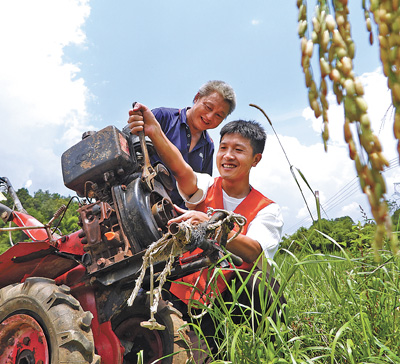
五位第一书记的乡情笔记(守望·特别策划)
Ren Min Ri Bao· 2025-05-06 21:59
Core Viewpoint - The article emphasizes the importance of the "First Secretary" system in rural revitalization, highlighting the roles of these officials in promoting agricultural efficiency, increasing farmers' income, and enhancing rural development through various initiatives and community engagement [6]. Group 1: Industrial Revitalization - The article discusses the challenges faced by farmers in selling sweet potatoes and the innovative solutions implemented by the First Secretary, such as live-streaming sales, which resulted in selling over 100,000 pounds of sweet potatoes and generating more than 400,000 yuan in revenue [10]. - The First Secretary in Shandong province introduced a selenium-rich sweet potato variety, leading to a 15% price increase compared to regular sweet potatoes, demonstrating the impact of differentiated agricultural products on market success [9][10]. Group 2: Talent Revitalization - The article highlights the efforts of the First Secretary in Chongqing to attract young talent back to the village by leveraging local advantages and developing the tourism industry, resulting in over 100 villagers finding employment [12]. - The introduction of a local agricultural company and the engagement of university graduates in village governance have improved the village's economic prospects, with collective income projected to exceed 3 million yuan in 2024 [12]. Group 3: Cultural Revitalization - The First Secretary in Hainan has focused on promoting local ethnic culture through the establishment of a song and dance troupe, which has gained popularity and contributed to the village's tourism revenue, reaching 8.51 million yuan in 2024 [15]. - The formation of a children's choir has also been initiated, showcasing local talent and enhancing cultural exchange opportunities, including performances abroad [15]. Group 4: Ecological Revitalization - The article describes the efforts of the First Secretary in Yunnan to combat soil erosion and improve the local environment through tree planting initiatives, which have significantly enhanced the ecological landscape of the village [16][17]. - The community's active participation in planting over 2,300 trees and 1,400 economic fruit trees reflects a collective commitment to ecological sustainability and environmental improvement [17]. Group 5: Organizational Revitalization - The First Secretary in Jiangxi has implemented a community governance model that encourages villagers to voice their concerns and participate in decision-making processes, fostering a sense of ownership and responsibility among residents [20][21]. - The establishment of a hotline for villagers to report issues has improved communication and problem-solving within the community, leading to a more cohesive and responsive governance structure [21].