
江米条

Search documents
热气腾腾的中国年|梁家河的两顿“年茶饭”
Yang Shi Wang· 2026-02-15 13:02
Core Viewpoint - The articles highlight the importance of food and festive meals in Chinese culture, particularly during the Spring Festival, and reflect on the evolution of food availability and quality over the years in China, emphasizing the leadership's commitment to ensuring food security and improving the living standards of the people [3][5][11]. Group 1: Historical Context - Xi Jinping recalls a significant experience during his youth in Liangjiahe, where he and a fellow youth shared raw pork out of hunger, illustrating the scarcity of food at that time [3]. - The narrative includes Xi's early aspirations to ensure that villagers could regularly enjoy meat, showcasing his long-standing concern for food security [5][11]. Group 2: Current Practices and Observations - During recent inspections, Xi Jinping has shown a keen interest in the availability of traditional New Year foods, asking villagers about their preparations and ensuring that food supplies are adequate [6][8]. - The articles describe Xi's interactions with citizens regarding their New Year celebrations, emphasizing the importance of food quality and availability, and reflecting on the changes in dietary habits over the years [9][10][13]. Group 3: Cultural Significance - The concept of "Nian Cha Fan" (New Year food) is highlighted as a cultural staple during the Spring Festival, representing not just sustenance but also emotional and social connections among families [2]. - Xi's engagement with citizens during festive seasons, such as making dumplings and discussing traditional dishes, underscores the cultural significance of food in fostering community spirit and happiness [13].

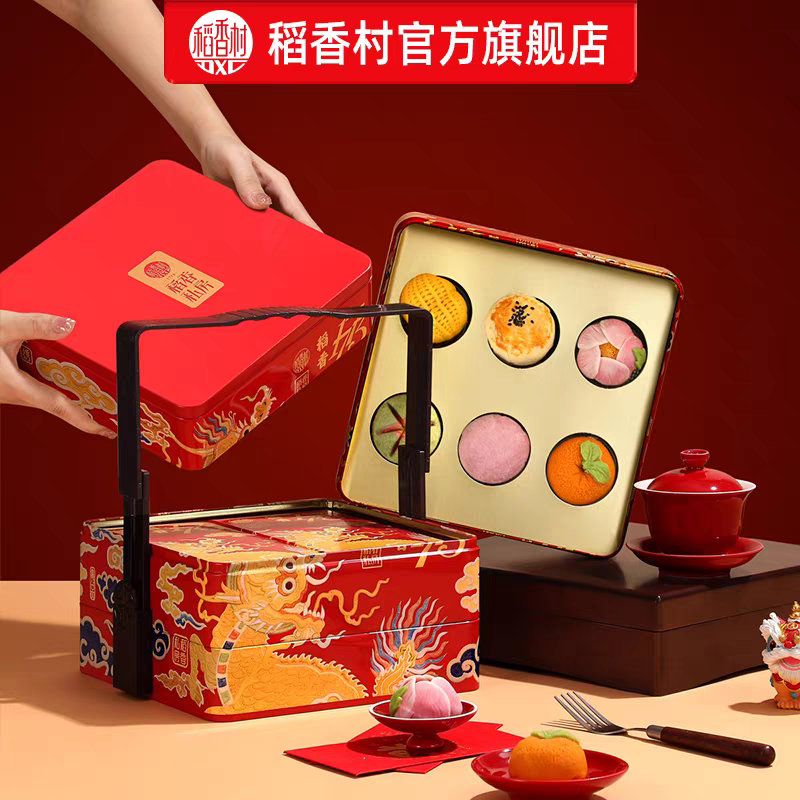
苏州稻香村2026年货攻略:美味与健康并存,国潮与经典共享
Zhong Guo Shi Pin Wang· 2026-01-13 07:29
Core Viewpoint - The article highlights the offerings of Suzhou Daoxiangcun, a time-honored brand established in 1773, which is providing a variety of traditional Chinese New Year gift boxes that reflect the essence of Suzhou-style pastries and Jiangnan culture, catering to the festive season and family gatherings [1][18]. Product Offerings - The gift boxes include a range of products such as classic Suzhou pastries, healthy low-sugar options, and trendy garden-themed items, showcasing the elegance of Jiangnan and the festive spirit of the New Year [1][18]. - Specific products mentioned include: - Traditional pastry tin featuring 13 types of pastries, including the orange and peach-flavored peach mountain cake and the two-color lotus flower puff, emphasizing craftsmanship and traditional flavors [4][6]. - The "Fortune Cake" box containing 8 pastries symbolizing good luck and prosperity, such as the fortune bag-shaped cake and the "Everything Goes Smoothly" cake [6][8]. - The "Golden Fortune Gift Box" designed with a red and gold theme, containing 9 types of pastries suitable for the Spring Festival, combining aesthetics and cultural significance [8][9]. Health-Conscious Options - The "Low-Sugar Gift Box" features 10 types of pastries made with low-sugar techniques, allowing consumers to enjoy traditional flavors without the guilt, catering to health-conscious individuals [16][18]. - The "Good Year Gift Box" combines pastries and nuts, offering a balanced selection for all ages, including low-sugar peach crisps and nutrient-rich cashews [14][16]. Cultural Significance - The products are designed to evoke nostalgia and cultural heritage, with each pastry representing a piece of memory and tradition, appealing to consumers' emotional connections to the New Year [4][18]. - The brand emphasizes the integration of traditional craftsmanship with contemporary needs, ensuring that each gift box carries the elegance of Jiangnan and the warmth of New Year blessings [18].
小零食的风波
Ren Min Ri Bao· 2025-05-27 22:40
Group 1 - The narrative revolves around a family meal where the protagonist's grandson tries a traditional Beijing drink called Douzhi, highlighting generational differences in food preferences and experiences [1] - The grandson expresses curiosity about the snacks of the past, indicating a contrast between his current experiences and those of his elders [3][4] - The conversation touches on various traditional snacks, illustrating the cultural significance and nostalgia associated with them [6][8] Group 2 - A story from the protagonist's childhood is recounted, focusing on a teacher's influence on students regarding snack consumption and the social dynamics in the classroom [11][12] - The teacher's efforts to discourage snack consumption lead to a notable change in behavior among students, showcasing the impact of authority figures on children's choices [14][20] - The narrative concludes with a poignant moment about dignity and respect, as a student refuses to accept food due to personal principles, emphasizing moral values over material needs [20][21]