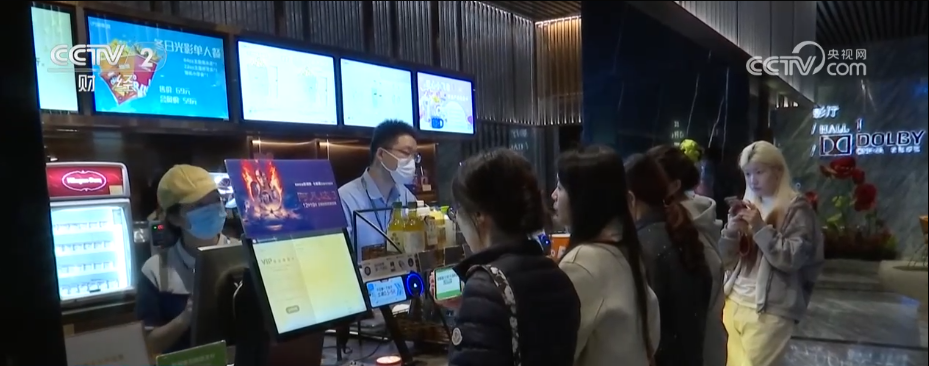
爆米花

Search documents
光影贺岁,票房飘红!
Xin Lang Cai Jing· 2026-02-23 02:11
Core Insights - The total box office revenue for the 2026 Spring Festival film season has exceeded 5 billion yuan, including pre-sales, as of February 22 [1] - The Spring Festival has seen a surge in cinema attendance across the country, with high demand for prime screening times and increased sales of snacks and beverages [1] - The variety of film genres and innovative consumption scenarios have characterized this year's Spring Festival, with cinemas collaborating with local businesses to offer discounts on dining, accommodation, and attractions for movie ticket holders [1] - Cinemas are evolving into "super entertainment spaces," adding features such as cultural merchandise, themed claw machines, VR experiences, and interactive board games, enhancing the overall consumer experience [1] - The vibrant Spring Festival film season not only enriches the festive life of the public but also reflects the robust vitality of the cultural consumption market [1]


视频丨光影贺岁 解码一张电影票里的浓浓年味
Yang Shi Xin Wen Ke Hu Duan· 2026-02-17 13:49
Core Insights - The total box office for the 2026 Spring Festival period (including pre-sales) has surpassed 500 million [2] - The top three films in the 2026 Spring Festival box office are "Flying Life 3," "Silent Awakening," and "Bounty Hunter: Wind Rises in the Desert" [2] Film Diversity - The films released during the Spring Festival feature a variety of genres and themes, including national security, adventure, and family-friendly stories [2][5] - "Silent Awakening" focuses on a national security team dealing with a critical intelligence leak [2] - "Bounty Hunter: Wind Rises in the Desert" tells the story of a desert bounty hunter tasked with escorting a mysterious person back to Chang'an [4] - "Flying Life 3" depicts the challenges faced by a race car driver returning to reality after the final Ba Yin Bu Lu Ke rally [5] - Other films include "Starry Dreams," which explores a virtual dream system, and "Panda Project: Tribal Adventures," featuring a panda and an international star solving problems in a magical tribe [5] Market Trends - The Spring Festival film market is characterized by increased consumer engagement, with audiences drawn to cinema experiences that extend beyond just watching films [7] - New trends include traveling to locations featured in films and a rich variety of consumer activities available within a 15-minute radius of cinemas [7] - The cinema experience during the Spring Festival is highlighted by the bustling atmosphere, with high demand for concessions like popcorn [7]

焦点访谈丨透过年货清单,见证中国消费市场的蓬勃活力
Yang Shi Wang· 2026-02-14 13:30
Core Viewpoint - The article highlights the evolving nature of Chinese New Year shopping, showcasing a blend of traditional and modern consumer behaviors, with an emphasis on cultural significance and economic implications. Group 1: Traditional and Modern Shopping Trends - Traditional markets are experiencing a resurgence, with local specialties and festive foods being popular among consumers [3][5] - The integration of online platforms with traditional markets is enhancing the shopping experience, allowing farmers to promote their products through live streaming [5] - Consumers are increasingly purchasing a mix of local and international products, reflecting a globalized shopping trend during the New Year [7] Group 2: Travel and Experience as New Year Goods - Travel has become a significant category of New Year goods, with an increase in average travel days during the holiday, reaching 5.9 days, up by 1.1 days from the previous year [9] - Various promotional activities, including the distribution of over 3.6 billion yuan in consumer vouchers, are encouraging travel and cultural experiences during the holiday [9] Group 3: Technological and Cultural Products - The demand for upgraded electronic products, such as energy-efficient appliances and smart devices, has surged, with sales exceeding 590 billion yuan in January alone [13] - Cultural products, particularly those related to zodiac themes and traditional crafts, are gaining popularity, with unique items like the "crying horse" toy becoming bestsellers [17] Group 4: Cultural Significance and Global Influence - The inclusion of the Spring Festival in the UNESCO list of intangible cultural heritage has expanded its global influence, attracting foreign consumers to participate in the New Year shopping [19] - The blending of consumption and cultural expression reflects a growing cultural confidence in China, as consumers increasingly seek products that embody cultural symbols [21]
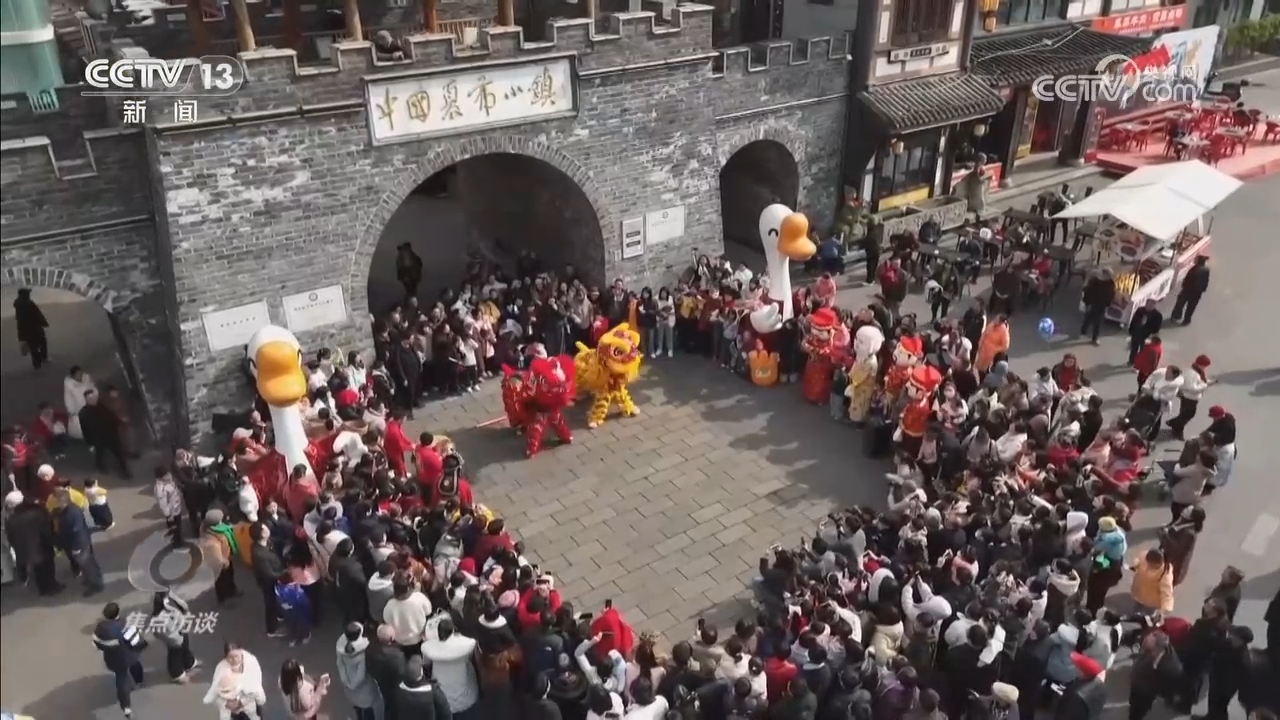
产量占全国近三分之一,这座“炒货小镇”春节前更飘香
Xin Hua She· 2026-02-12 13:56
Core Viewpoint - The article highlights the thriving snack industry in Wangkou Town, Tianjin, particularly focusing on the booming sunflower seed business as the Chinese New Year approaches, showcasing the transition from traditional methods to modern, mechanized production. Group 1: Industry Overview - Wangkou Town is home to nearly 300 snack companies specializing in various roasted snacks, contributing to one-third of the national production [1] - The history of Wangkou's roasted snacks dates back to the Ming Dynasty, evolving from small family workshops to a diverse range of over 170 products across 23 series [1] - The industry is increasingly adopting automation and smart technology, improving production efficiency and product quality [1][4] Group 2: Company Insights - Yuecheng Food Company, led by the new generation entrepreneur Yue Youchao, emphasizes product quality and innovation, recently launching a low-salt, low-sugar sunflower seed product that has received positive market feedback [2][3] - The company has transitioned from traditional coal-fired roasting to electric methods, enhancing product consistency and reducing pollution [4] - Xiaoshanlv Food Company has expanded its brand presence, with 80% of its products now exported internationally, reflecting the growing global reach of local brands [4] Group 3: Community and Government Support - The local government is actively supporting brand development and industry growth, facilitating a comprehensive supply chain from raw materials to logistics [4] - During the peak season before the Spring Festival, local logistics companies are prepared to handle approximately 300,000 orders daily, showcasing the operational readiness of the community [4] - Wangkou has registered a regional brand and is planning to host a national snack industry exhibition to enhance brand recognition [5]
新春走基层|产量占全国近三分之一,这座“炒货小镇”春节前更飘香
Xin Hua She· 2026-02-12 03:08
Core Viewpoint - The article highlights the thriving business of snack food companies, particularly in Wangkou Town, Tianjin, as they prepare for the upcoming Spring Festival, showcasing a blend of traditional practices and modern technology in the industry. Group 1: Company Operations - Tianjin Yuecheng Food Co., Ltd. experiences a business peak as it prepares for the Spring Festival, with large quantities of raw sunflower seeds being processed into snacks for households [1][2] - The company has transitioned from traditional manual methods to mechanized and automated processes, improving both production efficiency and product quality [4][6] - The new management under 95-born Yue Youchao focuses on product quality and innovation, successfully launching a new low-salt, low-sugar sunflower seed product that has received positive market feedback [5][6] Group 2: Industry Development - Wangkou Town is home to nearly 300 snack food companies, contributing to a significant portion of China's snack food production, with local production accounting for nearly one-third of the national output [2][4] - The local government supports brand development and market expansion, with companies like Tianjin Xiaoshan Donkey Food Co., Ltd. successfully exporting 80% of their products [7][8] - The region has established a comprehensive supply chain, from seasoning suppliers to logistics, facilitating efficient operations, especially during peak seasons like the Spring Festival [9]

爆米花“放炮”、套鹅比心跳……这个乡“土”大集年味浓
Xin Hua She· 2026-02-11 23:50
Core Insights - The Jin Gui Market in Yinchuan, Ningxia, has become a popular destination, attracting a large number of visitors, especially young people, by blending traditional culture with modern lifestyle aesthetics [2][4][5] Group 1: Market Dynamics - The market operates on specific days each month, featuring a variety of goods including clothing, vegetables, and local delicacies, which draws vendors and customers from surrounding areas [2][4] - The market experiences a significant increase in foot traffic as it approaches the Spring Festival, with peak visitor numbers reaching 30,000 on market days [5][9] - The annual transaction volume of the market is nearly 100 million yuan, indicating its economic significance in the region [5] Group 2: Consumer Experience - Young visitors are increasingly attracted to the market for its nostalgic offerings, such as traditional snacks and games, creating a unique blend of childhood memories and contemporary experiences [5][9] - The market features various food stalls, including a popular spicy pepper shop, which generates daily sales exceeding 10,000 yuan during peak times [5][7] - Interactive activities, such as games for children, enhance the family-friendly atmosphere, making it a destination for all ages [9]

爆米花“放炮”、套鹅比心跳……这个乡土大集年味浓
Xin Hua Wang· 2026-02-11 22:51
Group 1 - The article highlights the vibrant atmosphere of the Jin Gui market in Yinchuan, Ningxia, which has become a popular destination for both locals and visitors, especially during the festive season leading up to the Spring Festival [1][2][4] - The market features a variety of traditional foods and local specialties, attracting a diverse crowd, including younger generations who seek nostalgic experiences and unique culinary offerings [2][4][5] - The market's popularity has surged, with peak visitor numbers reaching 30,000 on market days and an annual transaction volume nearing 100 million yuan, indicating a strong economic impact [4] Group 2 - The market combines traditional elements with modern aesthetics, creating an immersive cultural experience that appeals to younger audiences, thus revitalizing the traditional market concept [2][5] - Vendors at the market, such as those selling spicy peppers and traditional snacks, report high sales, with some achieving daily revenues exceeding 10,000 yuan during peak times [2][4] - The presence of entertainment options, such as games and rides, enhances the market's appeal, making it a family-friendly destination that fosters community engagement and social interaction [5][6]
贵州毕节:古镇赶大集 欢乐迎新年
Xin Lang Cai Jing· 2026-02-08 05:05
Group 1 - The "Shaxiang Village·Practical Generosity" 2026 Third Guizhou Village Carnival and Guizhou Griddle Festival was inaugurated in Bijie City, Dafang County, Guizhou Province, attracting a large number of citizens and tourists to experience local culture and cuisine [2] - The event featured a vibrant market atmosphere where visitors could enjoy traditional activities such as making griddle dishes, watching folk performances, and purchasing New Year goods, enhancing the festive spirit [2][9] - Local residents participated in preparing ingredients for the griddle dish, showcasing community involvement and the importance of local culinary traditions [5] Group 2 - Children were engaged in making sugar paintings, highlighting traditional crafts and cultural education for the younger generation [7] - Visitors enjoyed the experience of making traditional soybean milk, further immersing themselves in local food culture [14] - The festival included various performances and activities, such as popcorn making, which contributed to a lively and interactive environment for attendees [18]
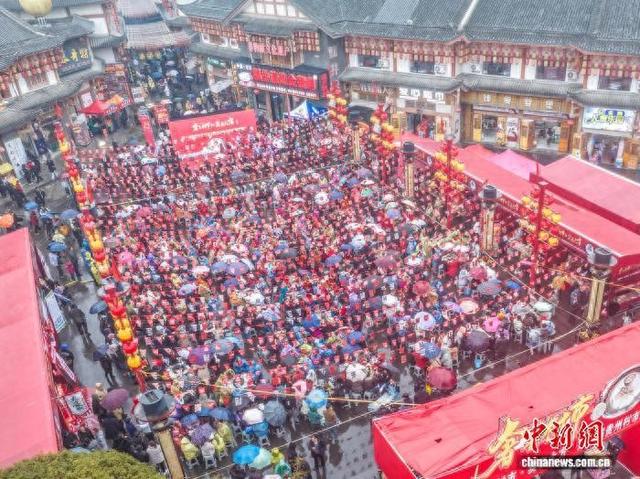
唤醒年味记忆的望花大集
Xin Lang Cai Jing· 2026-02-04 20:31
Core Insights - The article highlights the vibrant atmosphere of the Wanghua Market in Shenyang, which has become a significant cultural landmark for experiencing traditional Chinese New Year customs [1][3]. Group 1: Market Dynamics - The Wanghua Market has over 300 fixed stalls and additional mobile vendors, attracting more than 10,000 visitors on peak days during the New Year season [2]. - The market's popularity is rooted in a long-standing agricultural trading tradition in Northeast China, making it a key location for purchasing New Year goods [1][3]. Group 2: Cultural Significance - The market serves as a nostalgic space for locals, evoking memories of childhood and traditional New Year celebrations, with a variety of foods that are integral to the holiday experience [3][4]. - Young consumers have increasingly become the main demographic at the market, with many using social media to share their experiences, thus enhancing the market's appeal as a trendy destination [3][4]. Group 3: Visitor Experience - Visitors express a strong emotional connection to the market, often returning for the authentic flavors and festive atmosphere that remind them of their childhood [4]. - The market combines shopping for New Year goods with cultural experiences, creating a lively environment filled with joy and nostalgia [4].
“一张票根”拉动消费链不断延伸 “电影+”流量转化为多领域消费增量
Yang Shi Wang· 2026-01-09 09:25
Core Insights - The cinema industry is experiencing a "spillover effect" that extends beyond box office revenue, driving a vibrant consumption chain from cinema concessions to surrounding dining and retail [1] Group 1: Cinema Revenue and Sales Growth - The cinema's concession sales are projected to grow by approximately 12% in 2025 compared to 2024, with popcorn, cola, and various beverages being the main products [4] - The average moviegoer attends two to three films per month, spending around 200 to 300 yuan, primarily on movie tickets and hot pot [5] Group 2: Impact on Surrounding Businesses - Increased foot traffic from cinemas, especially during premieres and special events, significantly boosts sales for nearby businesses, with some reporting sales volume doubling [7] - Many merchants are collaborating with cinemas to offer exclusive discounts to customers with movie tickets, resulting in nearly a 20% increase in revenue and foot traffic during popular film releases [9] Group 3: Overall Market Trends - The recovery of the film industry is supported by a stable economy and rising disposable income, leading to a consistent demand for entertainment content [11] - The film industry is expected to drive overall consumption, with initiatives like "China Film Consumption Year" and related activities projected to increase the film industry's total output value to over 800 billion yuan by 2025 [11]