犒赏经济

Search documents
轻工制造、纺织服饰行业周报:扩大消费仍为重要工作任务,包装纸价格上行-20260309
BOHAI SECURITIES· 2026-03-09 09:28
Investment Rating - The investment rating for the light industry and textile apparel sectors is "Neutral" [5][45] - Specific companies recommended for "Increase" rating include: - 欧派家居 (Oupai Home) [5][45] - 索菲亚 (Sofia) [5][45] - 探路者 (Explorer) [5][45] - 森马服饰 (Semir) [5][45] - 乖宝宠物 (Guai Bao Pet) [5][45] - 中宠股份 (Zhongchong Co.) [5][45] Core Insights - The 2026 Government Work Report emphasizes the importance of expanding consumption as a key task, with a focus on implementing consumption stimulus actions [6][44] - A special long-term government bond of 250 billion yuan will support the replacement of consumer goods, optimizing policy implementation mechanisms [6][44] - The report indicates that the government will enhance support for new consumption and modern service industries, creating a favorable financing environment for innovative enterprises [6][44] - The packaging paper prices have seen an upward trend, with companies like 九龙纸业 (Nine Dragons Paper) announcing price increases of 50 yuan per ton across multiple production bases [7][45] Summary by Sections Industry News - The 2026 Government Work Report highlights the implementation of consumption stimulus actions as a priority [6][44] - 九龙纸业 has announced a price increase of 50 yuan per ton for various paper products [7][45] Important Company Announcements - 老凤祥 (Lao Feng Xiang) reported a 9.99% year-on-year decline in net profit for 2025 [8] - 伟星股份 (Wei Xing Co.) reported an 8.38% year-on-year decline in net profit for 2025 [8] Market Review - From March 2 to March 6, the light industry sector underperformed the CSI 300 index by 2.61 percentage points, with a decline of 3.68% [4][38] - The textile and apparel sector also underperformed the CSI 300 index by 1.74 percentage points, with a decline of 2.80% [4][42] Weekly Strategy - The report suggests continued focus on sectors benefiting from new consumption trends, such as pet consumption and domestic fashion [6][44]
传媒行业周报:十五五开局看2026新发展,打造智能经济新形态
Huaxin Securities· 2026-03-08 05:45
Investment Rating - The report maintains a "Buy" rating for the media industry, indicating a positive outlook for investment opportunities in this sector [1]. Core Insights - The media sector is positioned to benefit from the dual attributes of technology application and domestic demand, particularly in the context of the government's economic development goals for 2026, which aim for a growth rate of 4.5% to 5% [3][14]. - The transition to Web4.0 is expected to enhance the media landscape through AI empowerment, leading to new applications and content production paradigms [3][15]. - The report highlights the emergence of new consumption patterns, such as the "reward economy" and "accompaniment economy," which are anticipated to drive demand for media products and services [19][20]. Summary by Sections 1. Industry Review - The media industry has shown varied performance, with the internet marketing index experiencing significant declines while other sectors like vocational education have fared better [13]. - The report notes a substantial increase in the popularity of female-oriented AI dramas, which have become a key growth area within the industry [31][32]. 2. Industry Dynamics - The gaming sector continues to thrive, with major players like Tencent and NetEase leading in revenue generation, particularly during festive periods [27]. - E-commerce platforms are innovating with AI technologies, enhancing user engagement and operational efficiency [29][30]. - The report emphasizes the growing importance of AI in content creation, particularly in the realm of female-centric narratives, which are gaining traction in the market [31][32]. 3. Recommended Stocks - The report identifies several stocks to watch, including: - Shunwang Technology (300113) benefiting from Web4.0 applications - Mango Super Media (300413) focusing on AI-driven content - Wanda Film (002739) expected to recover post-holiday adjustments [4][8]. 4. Profit Forecasts - The report provides earnings per share (EPS) and price-to-earnings (PE) ratios for various companies, indicating a generally optimistic outlook for the media sector [8].


从“被理解”到“被陪伴” 悦己消费再升级
Sou Hu Cai Jing· 2026-01-30 02:07
Core Insights - The rise of "self-care" and emotional consumption reflects a strong consumer demand for emotional stability and self-affirmation, with the emotional consumption market in China projected to grow from 16.3 trillion yuan in 2022 to 27.2 trillion yuan by 2025, and potentially surpassing 45 trillion yuan by 2029 [1][5] Group 1: Emotional Consumption Trends - The trend of emotional consumption is shifting from being merely about being seen and understood to a desire for expression and companionship, as consumers seek tangible ways to articulate their emotions [1][2] - The popularity of products like the "crying horse" plush toy illustrates how emotional resonance can drive consumer engagement, with production rapidly scaling to meet demand [2][5] - Young consumers increasingly view emotional products as essential companions in their daily lives, moving beyond traditional festive items to everyday emotional support tools [2][4] Group 2: Changes in Retail and Experience - Physical retail spaces are evolving from mere transaction points to environments that foster emotional experiences, with brands focusing on creating immersive emotional connections [3][4] - The shift towards slower, more therapeutic travel experiences indicates a consumer preference for emotional engagement over high-density tourism [3][5] - New retail concepts emphasize low social pressure and individual-friendly environments, catering to consumers' needs for emotional safety and self-affirmation [3][4] Group 3: Market Dynamics and Competition - The emotional consumption market is transitioning from impulsive, holiday-driven purchases to habitual, everyday spending, indicating a need for brands to provide consistent emotional value [4][5] - Companies are increasingly focusing on niche markets and specific consumer emotional states, moving away from a one-size-fits-all approach to more tailored offerings [5][6] - The ability to quickly respond to emotional signals and adjust production accordingly is becoming a critical competitive advantage in the emotional economy [5][9] Group 4: The "Reward Economy" - The concept of "reward economy" is emerging, where consumers engage in low-cost, non-essential purchases to achieve immediate emotional gratification, reflecting a shift from necessity-driven to self-rewarding consumption [7][8] - This shift is characterized by smaller, more frequent purchases that integrate into daily life, as consumers prioritize emotional returns over large, one-time expenditures [8][9] - The focus on emotional stability and long-term value in products and services is becoming essential for brands aiming to succeed in the evolving consumer landscape [6][9]
漫画|“犒赏自己”要适度
Zhong Guo Jing Ji Wang· 2026-01-23 06:17
Core Viewpoint - The concept of "reward economy" has become a trending topic on social media, indicating a shift in consumer behavior towards emotional fulfillment, psychological compensation, and spiritual rewards rather than merely acquiring survival necessities [2] Group 1 - Consumption is evolving beyond basic needs to encompass deeper emotional and psychological aspects [2] - There is a growing concern regarding the potential for excessive marketing of "living in the moment," which may lead to blind following and comparison among consumers [2]


轻工出口链行业专题:出口链行业专题一:库存周期复盘与景气度线索
GUOTAI HAITONG SECURITIES· 2026-01-21 00:41
Investment Rating - The report assigns an "Overweight" rating to the durable consumer goods export chain industry [1]. Core Insights - The wholesale and retail inventory cycles are misaligned, and interest rate cuts are expected to drive demand resonance [1]. - The report highlights that the excess profits of leading companies in the export chain often stem from precise positioning in niche markets, cost control know-how, and differentiated product and channel operational capabilities [2]. - The improvement in home furnishing demand is anticipated to be driven by real estate recovery, accelerated retail sales, and inventory replenishment [16]. Summary by Sections Inventory Cycle Analysis - The inventory cycle is defined by the relationship between inventory/sales growth rates and the absolute value of inventory year-on-year [4]. - Retailers are in a passive destocking phase from April 2025 to July 2025, while wholesalers are in an active restocking phase from October 2024 to August 2025 [9][10]. Investment Recommendations - Recommended stocks include Jiangxin Home, Gongchuang Lawn, Zhongxin Co., Gujia Home, Yingke Medical, Songlin Technology, Jianlin Home, Zhejiang Natural, and Yiyi Co. [2][26]. - The report provides earnings forecasts and valuations for these companies, indicating a consistent "Overweight" rating across the board [27]. Market Trends - The report notes that the inventory turnover ratios for furniture brands are at historically low levels, aligning with the trend of retailers reducing inventory since May 2023 [12][14]. - Home Depot's inventory turnover ratio has returned to historical norms, but further replenishment intentions are constrained by demand pressures [15].
【热点新闻】从“必需”到“悦己”:中国兴起“犒赏”消费新势力
Sou Hu Cai Jing· 2026-01-20 05:07
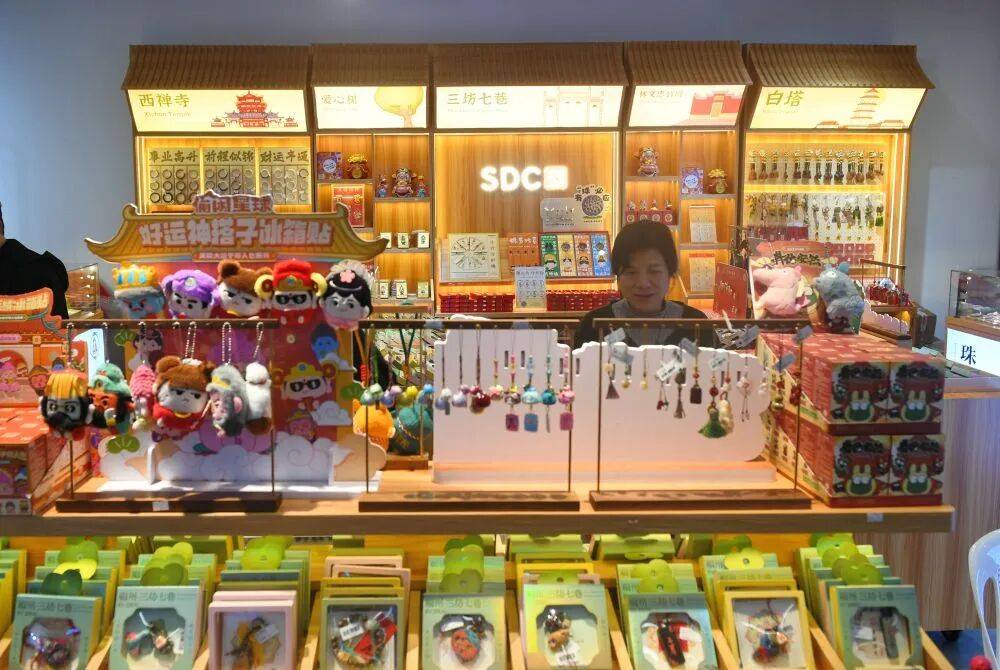
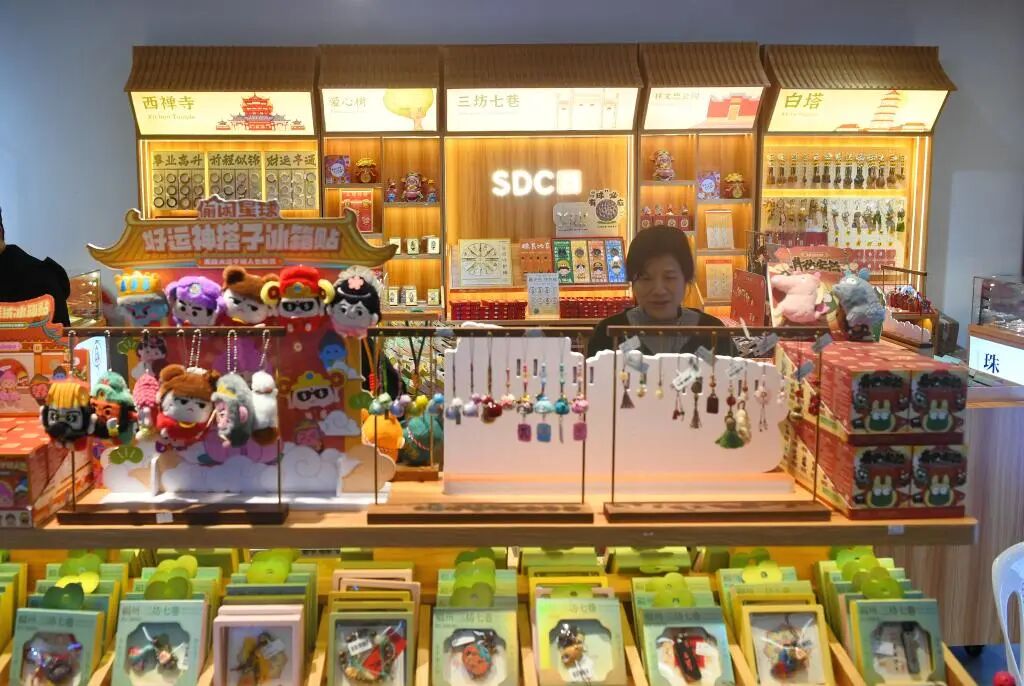
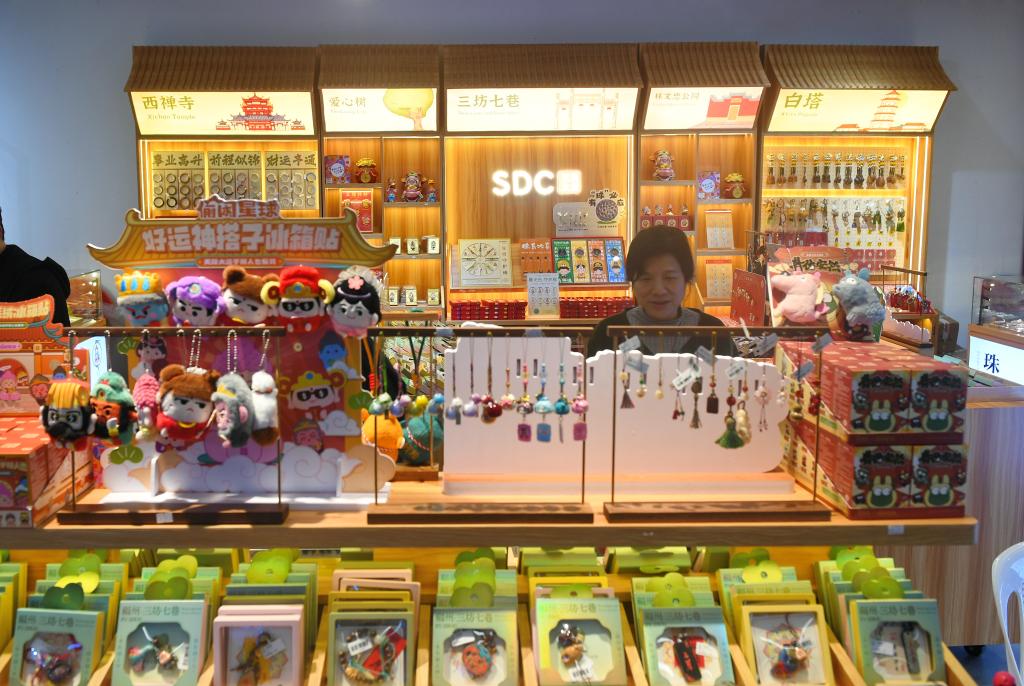
Group 1 - The core concept of "reward economy" refers to consumers purchasing non-essential goods or experiential services within their financial means to gain immediate pleasure and self-affirmation in response to work and life pressures [2][3] - The rise of the "reward economy" reflects a shift in consumer values from functional utility to emotional value, indicating a transition from "buying useful" to "buying happiness" [3][5] - The development of the "reward economy" showcases the continuous release of China's consumption potential, with experiential rewards becoming a significant new consumption trend [5][7] Group 2 - The "trendy toy market" has emerged as a major driver of the "reward economy," with predictions indicating that the market size will reach 110.1 billion yuan by 2026 [7] - Companies are increasingly targeting emotional consumption needs, transforming products and services towards personalization, IP integration, and experiential offerings across various industries [7] - The rise of the "reward economy" highlights the resilience and vitality of the Chinese economy, showcasing an upgrade in consumer concepts that will empower domestic demand expansion and industrial upgrading [7]
“犒赏经济”走红
Xin Hua She· 2026-01-19 08:53
Group 1 - The concept of "Reward Economy" has emerged in China, characterized by consumers purchasing non-essential items or experiences to gain immediate pleasure and self-affirmation in response to work and life pressures [2][3] - The rise of the "Reward Economy" reflects a shift in consumer values from functional utility to emotional value, indicating a transition from "buying useful" to "buying happiness" [3][6] - The development of the "Reward Economy" is a manifestation of China's growing consumer potential, with experiential rewards becoming a significant new trend in consumption [5][6] Group 2 - The潮玩 (trendy toy) market is a major driving force behind the "Reward Economy," with predictions indicating that the market size will reach 110.1 billion yuan by 2026 [6] - Various industries are adapting to emotional consumption demands by transforming products and services towards personalization, IP integration, and experiential offerings [6] - The rise of the "Reward Economy" highlights the resilience and vitality of the Chinese economy, showcasing an upgrade in consumer concepts that will empower domestic demand expansion and industrial upgrading [6]
从“必需”到“悦己”:中国兴起“犒赏”消费新势力
Xin Hua Wang· 2026-01-19 04:10
Group 1 - The concept of "reward economy" is emerging in China, where consumers purchase non-essential items or experiences to gain immediate pleasure and self-affirmation in response to work and life pressures [2][3] - The rise of the "reward economy" reflects a shift in consumer values from functional utility to emotional value, indicating a transition from "buying useful" to "buying happiness" [3][5] - Experience-based rewards, such as DIY workshops and themed exhibitions, are becoming a significant trend in consumer behavior, particularly among younger demographics [5][7] Group 2 - The "reward economy" is indicative of the continuous release of China's consumption potential, with experiential rewards gaining popularity in various shopping districts [5][7] - The潮玩 (trendy toy) market is a major driver of the "reward economy," with predictions indicating that the market size will reach 110.1 billion yuan by 2026 [7] - Companies are increasingly focusing on emotional consumption needs, transforming products and services to be more personalized, IP-driven, and experiential, thereby enhancing consumer engagement [7]
承德露露:持续优化产品结构满足消费者需求
Sou Hu Cai Jing· 2026-01-16 00:56
Core Viewpoint - The company emphasizes its commitment to enhancing its presence in the "reward economy" by focusing on product innovation, brand promotion, and market expansion to meet consumer demands for quality and satisfaction [1] Group 1: Company Strategy - The company identifies the "reward economy" as a reflection of consumer desires for quality living and immediate gratification [1] - As a pioneer in plant-based protein beverages and a leader in the almond milk segment, the company plans to continue its strategy of leading the development of plant-based drinks [1] - The company aims to leverage technology and digitalization to optimize product structure and provide green, healthy, and reliable plant-based beverages to consumers [1] Group 2: Market Focus - The company will focus on key areas such as product innovation, brand promotion, and market expansion to align with the evolving consumer sentiment [1] - The strategy includes enhancing the overall consumer experience by addressing emotional value needs through its product offerings [1]

全面反弹!消费复苏驱动QDII重仓股走强,公募看好2026年机会
券商中国· 2026-01-04 14:57
Core Viewpoint - The article highlights the positive rebound of Chinese concept stocks in the US market during the New Year period, driven by signs of domestic consumption recovery and optimism about China's consumer market in 2026 [1][3][6]. Group 1: Market Performance - Public QDII funds heavily invested in Chinese concept stocks saw a significant rebound, with the Nasdaq Golden Dragon China Index rising by 4.36% on the first trading day of 2026 [3]. - Individual stocks such as Baidu surged over 15%, while other notable gains included 9.8% for Global Data, 5% for Manbang, 6% for iQIYI, and 2% for Pinduoduo, indicating strong performance across the board for internet and consumer leaders [3]. - The rebound reflects a shift in market sentiment towards consumer stocks, as previously favored tech stocks experienced adjustments during the holiday period [3]. Group 2: Investment Outlook - As the investment horizon shifts to 2026, leading stocks like Alibaba, Bilibili, and NetEase are showing strong upward momentum, suggesting global capital's optimistic outlook on China's consumption recovery [2][6]. - Fund managers are increasingly focusing on structural opportunities within the consumer sector, with many conducting research on companies that are adapting to new consumption trends [5]. Group 3: Policy and Economic Drivers - Multiple fund companies anticipate that government policies aimed at boosting consumption will play a crucial role in 2026, with expectations for increased fiscal spending and support for service consumption [6][7]. - The article notes that the "reward economy," "first release economy," and "silver economy" are emerging consumption trends that could catalyze growth and value re-evaluation for related companies [7]. Group 4: Performance of Consumer Funds - Consumer-focused funds have demonstrated strong performance, with the Southern Hong Kong Growth Flexible Fund achieving approximately 48% returns over the past year and 87% over two years, outperforming many volatile tech-focused funds [5]. - The article emphasizes the long-term attractiveness of the consumer sector, as evidenced by the performance of funds that prioritize quality and strategic stock selection [5].