洗衣液等)

Search documents
探店北京区域“胖改”店
虎嗅APP· 2026-01-23 13:53
Core Viewpoint - The article discusses the transformation of traditional supermarkets in Beijing, particularly focusing on the "胖改" (Fat Reform) initiative, which aims to enhance the shopping experience but has led to mixed consumer responses regarding pricing and product availability [5][25]. Group 1: Consumer Experience - Consumers have reported a decline in foot traffic and interest in supermarkets post-reform, with many expressing dissatisfaction over increased prices and a lack of everyday products [6][7][25]. - The transformation has made stores appear cleaner and more organized, but this has not translated into higher customer satisfaction, especially among price-sensitive shoppers [6][9][25]. - Observations indicate that during peak shopping times, such as holidays, the customer turnout has significantly decreased compared to pre-reform levels [7][19]. Group 2: Pricing and Competition - The article highlights that the average prices of products in reformed stores have increased, which has alienated budget-conscious consumers [26][28]. - Comparisons with e-commerce platforms reveal that many products are available at significantly lower prices online, leading consumers to prefer online shopping over physical stores [12][30]. - The competition from membership-based stores like Sam's Club is intensifying, putting additional pressure on traditional supermarkets to justify their pricing strategies [26][28]. Group 3: Operational Challenges - The reform has led to increased operational costs, particularly in labor, as stores have expanded their workforce and raised employee salaries significantly [29][30]. - Despite some positive metrics, such as increased sales and customer return rates, the long-term sustainability of these reforms remains uncertain due to rising costs and the challenge of maintaining service quality across different locations [28][30]. - The article emphasizes the need for traditional supermarkets to balance quality and pricing while navigating the complexities of supply chain management and organizational culture [30][31].


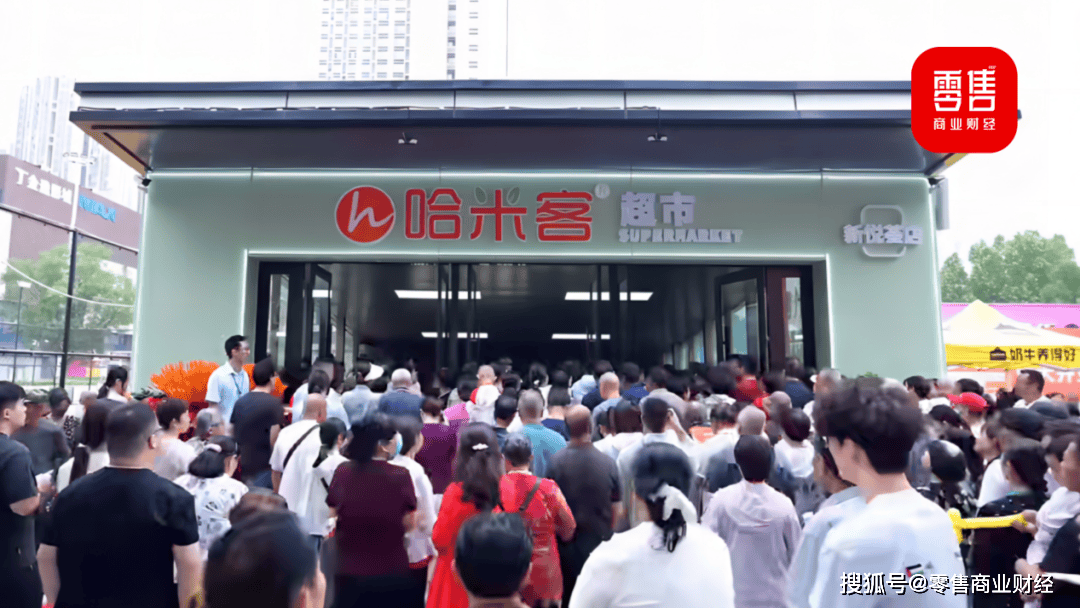
实探郑州哈米客超市:鲜食突出 “当日清”,自营商品力待补强
Sou Hu Cai Jing· 2025-07-28 15:26
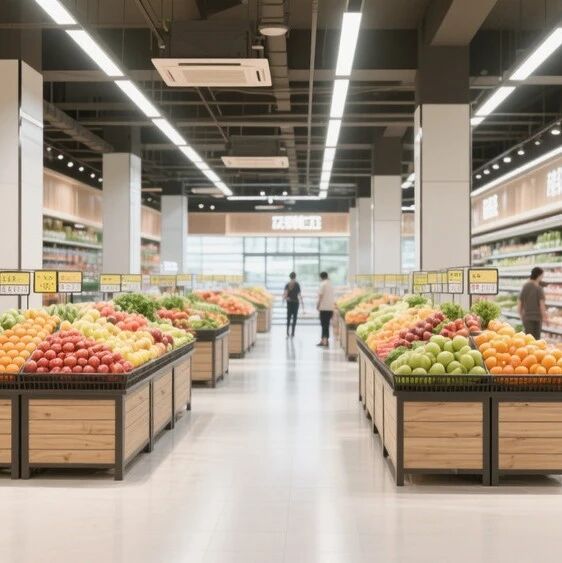
Group 1 - The core viewpoint of the article highlights the emergence of a new supermarket brand "Hamike" in Zhengzhou, focusing on fresh food and ready-to-eat sections, but facing challenges in product variety, price-quality ratio, and service details [2][5][19] - Hamike supermarket has opened a total of 9 stores, with 7 located in the northwest of Zhengzhou, indicating a strategic focus on this area [4] - The supermarket emphasizes the concept of "freshness" in its offerings, particularly in the fresh food and ready-to-eat sections, which occupy a significant portion of the store [6][8][14] Group 2 - Hamike's fresh food section includes items like freshly made noodles and seafood, with a focus on same-day production and consumption [8][13] - The bakery section operates on a "freshly baked, sold within a day" model, featuring a variety of both traditional and innovative baked goods [20][22] - Despite efforts to enhance product freshness and variety, Hamike's self-branded products still require improvement in quality and competitiveness compared to established brands [19][24][31] Group 3 - The supermarket has recently begun to expand its business model, with new store openings and upgrades to existing locations, indicating a response to competitive pressures from other local supermarkets [32] - Customer feedback suggests that service quality and product freshness need further enhancement, as some consumers reported issues with product quality [36][40] - Hamike's branding emphasizes a philosophy of enjoying life and convenience, which aligns with modern consumer expectations in the retail sector [42][43]