
洞洞板

Search documents
人们还需要宜家,只是不需要宜家门店了
36氪· 2026-02-05 09:41
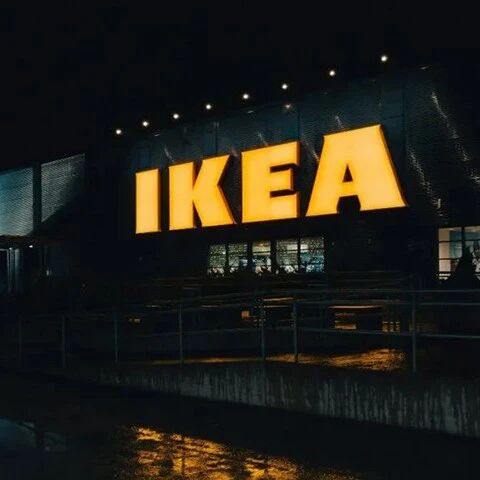
Core Viewpoint - The closure of IKEA's stores in China marks a significant shift in consumer behavior and the company's market position, reflecting changing lifestyles and preferences among consumers [6][7][10]. Group 1: Store Closures and Consumer Behavior - IKEA China announced the closure of seven stores, the largest closure in its 30-year history in China, reducing its total number of stores to 41 [7][8]. - Despite a continuous increase in foot traffic, sales figures have declined for two consecutive years, indicating a disconnect between customer visits and actual purchases [8]. - The shopping experience at IKEA has evolved, with many consumers now visiting for leisure rather than shopping, leading to a decrease in actual purchases [22][23]. Group 2: Changing Consumer Preferences - Consumers' needs have shifted from frequent home purchases to a more cautious approach, often opting to keep existing furniture rather than replace it [23][24]. - The rise of alternative styles and platforms, such as second-hand markets, has made IKEA's once-dominant position less relevant [23][31]. - Younger consumers perceive IKEA's products as expensive compared to alternatives available online, leading to a preference for lower-cost options [31][33]. Group 3: IKEA's Response and Future Strategy - In response to market changes, IKEA plans to focus on price investments and local relevance, aiming to provide more affordable home products [33][34]. - The company is shifting from large-scale expansions to exploring smaller store formats and enhancing its online presence [33][34]. - IKEA aims to maintain its relevance by adapting to consumer needs, emphasizing a lighter, closer, and cheaper approach to retail [34][35].

新华财经丨消费新风口!“情绪经济”为啥这么火
Xin Hua Wang· 2025-06-19 11:56
Core Insights - The article highlights the significant growth in emotional consumption during the "618" shopping festival, indicating that "emotional economy" is becoming a new trend in consumer behavior [1][2][3] Group 1: Market Trends - During the "618" period, 453 brands achieved sales exceeding 100 million yuan, with categories like toys, pets, and outdoor sports experiencing explosive growth [2] - The toy and trendy play industry saw six merchants surpassing 100 million yuan in sales, and nearly 100 merchants exceeding 10 million yuan, with over 2400 stores achieving triple-digit year-on-year growth [2] - Interest-related consumption, such as pets, trendy toys, photography, and outdoor sports, flourished during the "618" period, driven by the pursuit of emotional value [2] Group 2: Consumer Behavior - The demand for emotional regulation in modern society is increasing, making "emotional economy" a potential new growth point [3] - Young consumers are increasingly influenced by emotional release in their purchasing decisions, which is expected to create new consumption hotspots [2][3] Group 3: Business Strategies - Companies are beginning to capitalize on the emotional consumption trend by designing products that resonate with young consumers' emotional needs [4] - Successful products include those that provide emotional value, such as uniquely designed items that evoke feelings of comfort or humor [4] - Businesses are encouraged to enhance their market insight, product design, and flexible production capabilities to adapt to the fast-changing emotional economy [5][6] Group 4: Expert Opinions - Experts emphasize the need for companies to understand consumer emotional demands and innovate products to avoid homogenization [6] - The emotional economy requires businesses to improve brand recognition and loyalty through quality service and positive reputation [6] - Companies should leverage AI tools to better understand user needs and enhance production capabilities to meet the demand for customized emotional products [6]