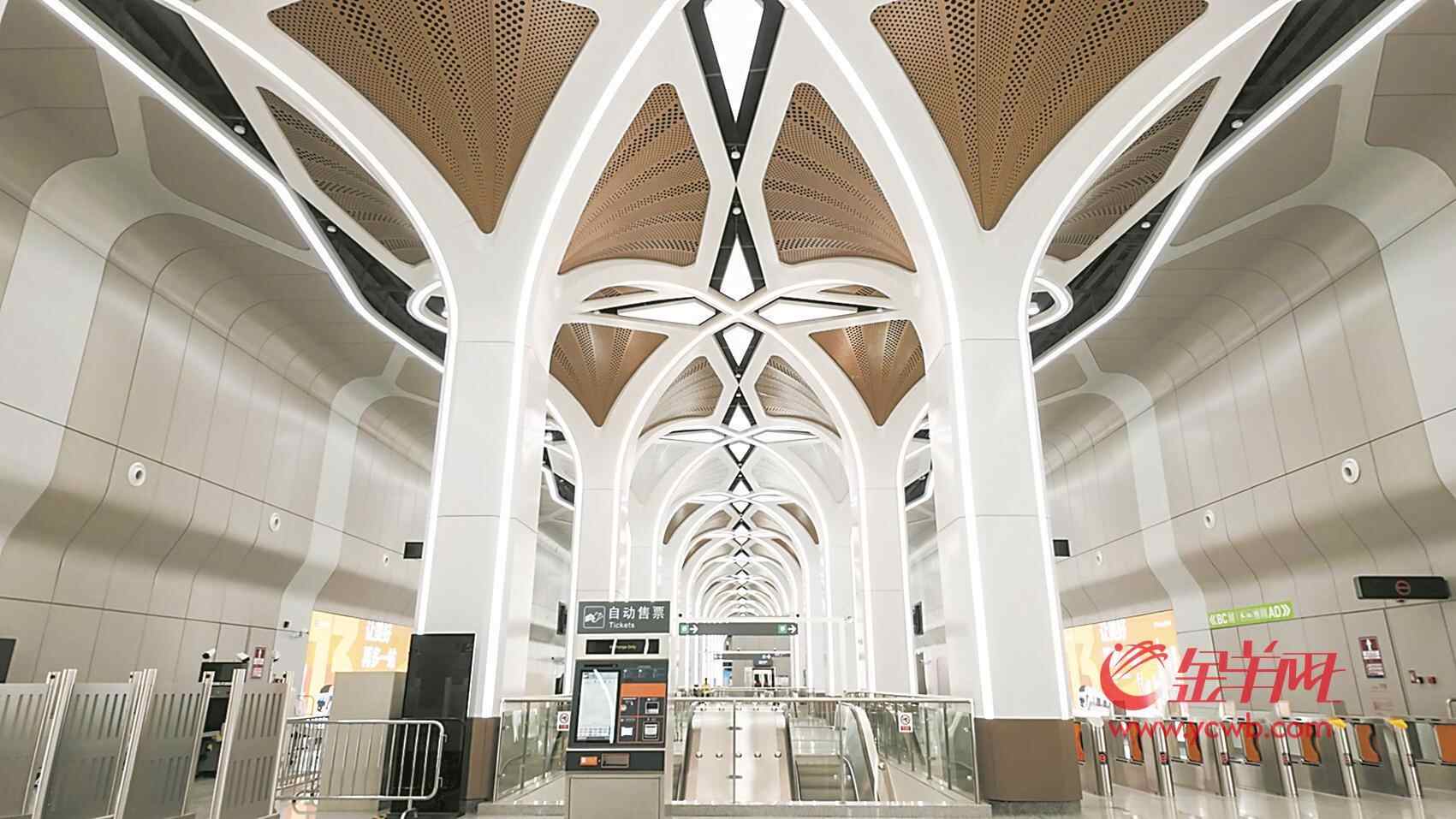
深圳地铁13号线一期北段

Search documents
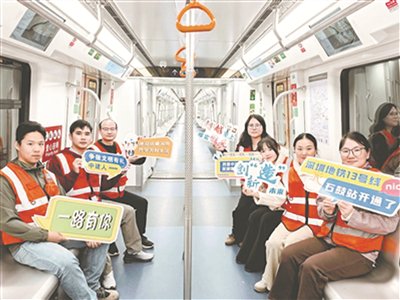
让建设者试乘自己建的地铁,是对劳动者的诚挚敬意
Xin Lang Cai Jing· 2025-12-31 16:59
Group 1 - The Shenzhen Metro Line 13 North Section is set to officially open, with a trial run conducted for construction workers to experience the fruits of their labor [3] - The trial ride allowed workers to witness the results of their hard work, enhancing their sense of pride and accomplishment in their contributions to the project [3] - The construction of the metro line involved significant challenges, from underground tunneling to station decoration, highlighting the dedication and intelligence of the builders [3] Group 2 - The act of allowing builders to ride the metro they constructed serves as a form of spiritual comfort and recognition of their hard work [4] - This initiative sends a positive message about the value of labor, promoting the idea that "labor is glorious and great," which can inspire more workers to innovate and engage actively in their roles [4]

四线齐发,深圳竞逐地铁“第三城”背后
Xin Lang Cai Jing· 2025-12-30 04:37
Core Insights - The opening of four new metro lines in Shenzhen on December 28 marks a significant expansion of the city's rail transit system, increasing the total operational mileage to 634.5 kilometers and achieving full coverage across all districts [4][6] - The new lines, including the west extension of Line 5, are expected to enhance commuter experience by reducing travel time and easing congestion in key areas [5][8] - The competition between Shenzhen and Guangzhou in metro development is intensifying, with both cities aiming to improve their rail networks to support economic growth and urban development [11][12] Summary by Sections Metro Expansion - Shenzhen's metro system now spans 634.5 kilometers with 441 stations, maintaining the highest network density among mainland cities in China [5][6] - The new Line 5 west extension, measuring 2.88 kilometers, adds three stations and alleviates passenger pressure in the core area of Luohu [6][8] - The opening of the 8th, 11th, and 13th lines further enhances connectivity and operational capacity, particularly during peak hours [4][6] Economic Impact - The metro system is evolving from a mere commuting tool to a vital artery for urban development, influencing the economic landscape of the Greater Bay Area [5][15] - The new lines are expected to drive consumer traffic to commercial hubs in Luohu, such as the Shenzhen MixC and Dongmen Pedestrian Street, thereby boosting local economic activity [8] - The 13th line's connectivity to key areas like the Shenzhen Bay Port and Nanshan Technology Park facilitates the flow of talent and resources, promoting regional collaboration and integration [8][9] Competitive Landscape - The competition for the title of "third city" in metro operations is heating up, with Shenzhen's ridership numbers approaching those of Guangzhou, indicating a shift in the dynamics of urban transit [11][12] - As of November 2025, Guangzhou's metro recorded a passenger volume of 29.84 million, while Shenzhen's reached 28.26 million, narrowing the gap significantly [11][12] - The differing development strategies of the two cities highlight the importance of urban planning and the integration of transit systems with economic activities [12][14] Future Developments - Future plans indicate that both cities will continue to expand their metro networks, with Shenzhen aiming to exceed 800 kilometers by 2030 [14] - The integration of metro systems across the Greater Bay Area, including connections to Dongguan and Hong Kong, is anticipated to create the largest metro network in the country [13][14]
深圳地铁一日“四喜临门”
Shen Zhen Shang Bao· 2025-12-29 08:36
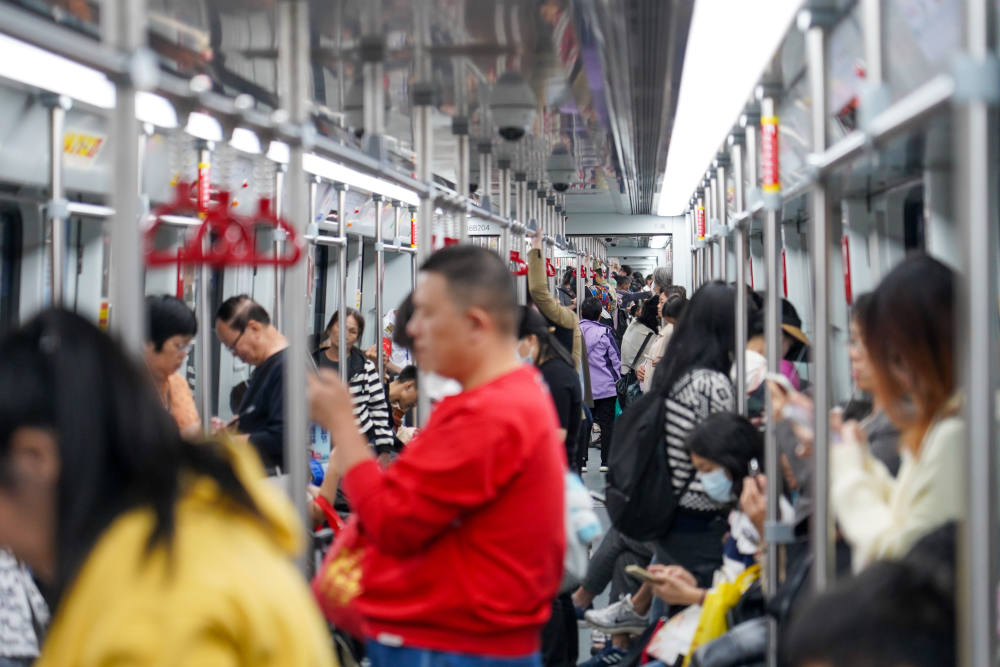
Core Insights - Shenzhen's subway system is experiencing significant expansion, with 2025 marking a record year for new line openings, totaling six new lines, enhancing the city's transportation network and achieving "district-to-district" connectivity [1][2][3] Group 1: New Line Openings - On December 28, 2025, four new subway lines (5th Line West Extension, 8th Line Phase III, 11th Line Phase II Hongling South Section, and 13th Line Phase I North Section) were officially opened, contributing to a total of six new lines for the year [1][2] - The total operational mileage of Shenzhen's rail transit has increased to 634.5 kilometers, with 441 stations, maintaining the highest network density among mainland cities in China at 0.32 kilometers per square kilometer [1][2] Group 2: Connectivity and Urban Development - The new lines enhance connectivity across the city, particularly improving east-west transit corridors and addressing passenger flow pressures in key areas such as Luohu [2][3] - The 8th Line Phase III ends the lack of subway service in Dapeng New District, while the 5th Line West Extension alleviates congestion in the Luohu core area [2][4] Group 3: Impact on Daily Commute - The new lines are expected to significantly reduce commuting times for residents, with reports of up to one hour saved for daily commutes [4] - Daily average ridership is projected to exceed 900 million passengers following the opening of the new lines, reflecting the growing reliance on subway transport [4] Group 4: Integration with Existing Infrastructure - The 11th Line Phase II will enhance capacity by 20% during peak hours and improve connections with existing lines, providing more efficient cross-district travel options [4][5] - The 13th Line Phase I North Section will facilitate quicker access to key areas, reducing travel time to Shenzhen Bay Port to 37 minutes [5][6]

深圳地铁13号线一期北段开通初期运营
Xin Lang Cai Jing· 2025-12-28 10:09
Core Insights - Shenzhen Metro Line 13 Phase I North Section officially commenced initial operations on December 28, enhancing north-south rail transit in the central-western region of Shenzhen, with the southern section expected to be operational by the end of 2024 [1] Group 1: Line Details - The newly opened section spans 16.077 kilometers and includes 9 stations, starting from Gaoxin North Station to Shangwu Station [3] - The line features fully automated GoA4 driving technology, with a maximum speed of 100 kilometers per hour, incorporating advanced functions such as "unmanned driving, automatic wake-up, and precise stopping" [5] Group 2: Construction and Technology - The project utilized intelligent construction tools and BIM modeling technology to enhance construction efficiency and ensure quality [5] - China Railway Electrification Bureau undertook the electrical and operational tasks for the line, including power supply, communication, and automatic ticketing systems [5] Group 3: Impact on Urban Development - The line connects key areas such as Shenzhen Bay Port, Houhai Central District, and Nanshan Science Park, optimizing urban spatial structure and linking industrial hubs with residential clusters [7] - With the addition of the North Section, Shenzhen's metro operational mileage increases to 634.5 kilometers and the number of stations to 441, significantly improving the transportation network in the Nanshan-Baoan core area [7] - This north-south transportation artery is expected to accelerate the interaction of technology, talent, and industry across regions, contributing to the high-quality development of the Shenzhen-Hong Kong area and the Guangdong-Hong Kong-Macao Greater Bay Area [7]
畅通南北出行 深圳地铁13号线一期北段即将通车
Xin Lang Cai Jing· 2025-12-25 23:32
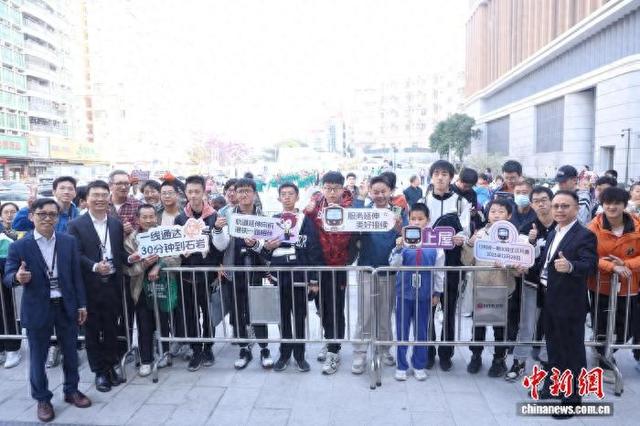
Core Points - Shenzhen Metro Line 13 is in the final stages before opening, expected to be operational by the end of this year, enhancing north-south commuting efficiency for residents [2][3] - The line spans 16.077 kilometers with 9 stations, significantly reducing travel time for residents in the Guangming District [3] - The line will facilitate better connectivity between key areas such as Shenzhen Bay Port, Nanshan Technology Park, and the Greater Bay Area [3][4] Summary by Sections Line Overview - Shenzhen Metro Line 13 Phase 1 runs from Shenzhen Bay Port Station to Shangwu Station, covering 16.077 kilometers and featuring 9 stations [3] - The southern section is already operational, while the northern section will enhance commuting efficiency, particularly for Guangming District residents [3] Design and Aesthetics - The design philosophy of Line 13 emphasizes "Technology + Ecology," creating a warm and vibrant travel environment with spacious and bright stations [4] - Stations feature standardized and modular designs, with thematic colors and unique architectural elements reflecting Shenzhen's skyline [4][5] Station Features - Each station embodies a unique theme, such as Shigu Station's focus on technology and innovation, and Baiwanggang Station's ecological design [5][6] - The design integrates natural elements, providing a blend of modernity and nature, enhancing the overall passenger experience [6] Economic and Regional Impact - The operationalization of Line 13 is expected to alleviate traffic pressure in the central and western regions, promoting high-quality regional development [3][4] - The line will serve as a crucial transportation link between Shenzhen and Hong Kong, fostering economic collaboration within the Greater Bay Area [3][6]