深度求索DeepSeek

Search documents
浙江两会观察:科技创新潮起 如何泛起涟漪?
Xin Lang Cai Jing· 2026-01-17 11:31
Group 1 - Zhejiang aims to achieve an artificial intelligence core industry revenue of 680 billion yuan by 2025, with a year-on-year growth of over 20% [1] - The province plans to invest over 700 billion yuan in technological innovation, reflecting a year-on-year increase of 5.6% [1] - The government emphasizes innovation as the core productivity to seize new development opportunities amid rapid technological advancements and regional competition [1] Group 2 - Deqing County is becoming a global innovation hub in geographic information, leveraging its strong educational resources and partnerships with international organizations [3] - The integration of geographic information and artificial intelligence is a key focus for Deqing, enhancing its role as a foundational support for AI [3] Group 3 - The establishment of a large-scale public computing platform in Huangyan District marks a significant step in building a competitive ecosystem for computing power [5] - Huangyan is attracting major enterprises to collaborate on developing new strategic industry clusters, particularly in bio-based new materials [5] Group 4 - Zhejiang has seen the addition of over 6,000 high-tech enterprises and 17,600 technology-based SMEs in the past year, indicating a robust growth in innovation [7] - The formation of complementary entities like Alibaba Cloud and Zhijiang Laboratory is strengthening the foundation for AI development in the region [7] Group 5 - Challenges remain, such as low investment in basic research and insufficient corporate participation, prompting calls for a multipronged investment strategy and enhanced support policies [8] - The ongoing innovation efforts in Zhejiang are characterized by a multi-faceted approach, aiming for comprehensive development and modernization [8]

真的花了好久才汇总的大模型技术路线......
具身智能之心· 2025-09-16 00:03
Core Insights - The article emphasizes the transformative impact of large models on various industries, highlighting their role in enhancing productivity and driving innovation in fields such as autonomous driving, embodied intelligence, and generative AI [2][4]. Group 1: Large Model Technology Trends - The large model industry is undergoing significant changes characterized by technological democratization, vertical application, and open-source ecosystems [2]. - There is a growing demand for talent skilled in technologies like RAG (Retrieval-Augmented Generation) and AI Agents, which are becoming core competencies for AI practitioners [2][4]. - The article introduces a comprehensive learning community focused on large models, offering resources such as videos, articles, learning paths, and job exchange opportunities [2][4]. Group 2: Learning Pathways - The community provides detailed learning pathways for various aspects of large models, including RAG, AI Agents, and multimodal models [4][5]. - Specific learning routes include Graph RAG, Knowledge-Oriented RAG, and Reasoning RAG, among others, aimed at both beginners and advanced learners [4][5]. - The pathways are designed to facilitate systematic learning and networking among peers in the field [5]. Group 3: Community Benefits - Joining the community offers benefits such as access to the latest academic advancements, industrial applications, and job opportunities in the large model sector [7][9]. - The community aims to create a collaborative environment for knowledge sharing and professional networking [7][9]. - There are plans for live sessions with industry leaders to further enrich the community's offerings [65][66].

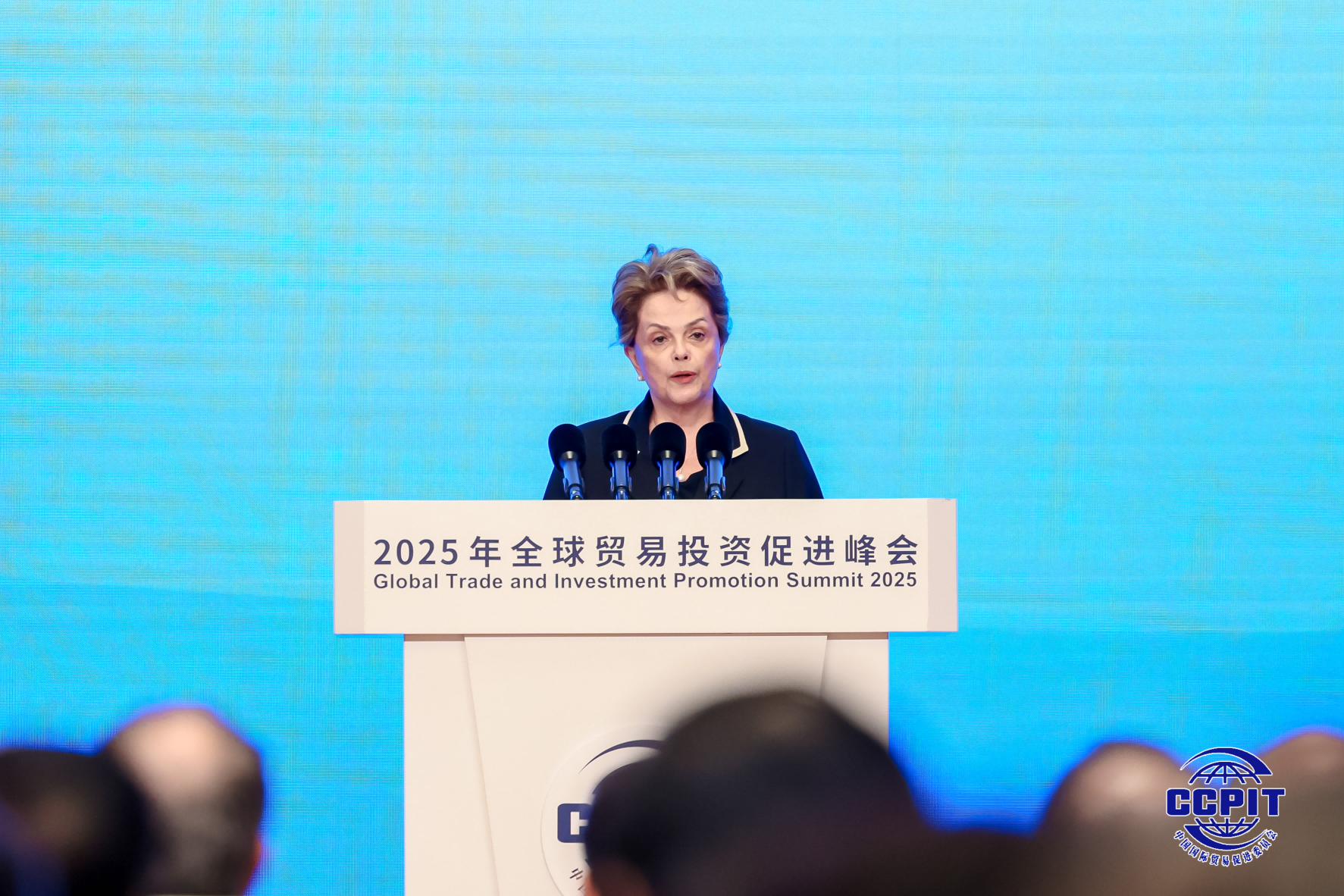
2025年全球贸易投资促进峰会 与会嘉宾寻找当今世界不确定性中的最大确定性
Yang Guang Wang· 2025-05-23 02:54
Core Viewpoint - The 2025 Global Trade and Investment Promotion Summit held in Beijing emphasizes the importance of digital intelligence in fostering global trade and investment cooperation amidst rising unilateralism and protectionism [1][5][12]. Group 1: Summit Overview - The summit gathered representatives from 48 countries and regions, with discussions focusing on global trade investment cooperation in the digital intelligence era [1][5]. - The theme of the summit is "Embracing the Digital Intelligence Era, Hand in Hand for Common Development" [1][5]. Group 2: Key Discussions - The impact of U.S. tariff policies was a major topic, with many business leaders expressing confidence in continuing investment in China despite these challenges [8][12]. - Former Brazilian President and New Development Bank President Dilma Rousseff highlighted the fragmentation of global trade due to U.S. tariffs and called for deeper cooperation to promote trade liberalization [5][12]. Group 3: Industry Insights - The rapid development of technologies such as artificial intelligence, quantum computing, and blockchain is reshaping global trade dynamics and competition [9][12]. - The summit underscored the need for a secure and efficient global supply chain, which is considered the "lifeblood" of the world economy [12][13]. Group 4: Initiatives and Proposals - The summit resulted in the "Beijing Initiative," which includes six key points aimed at enhancing global supply chain security, promoting digital trade, and fostering sustainable development [13]. - Emphasis was placed on the importance of maintaining open and inclusive trade practices to facilitate digital transformation and innovation [12][13].