滇红

Search documents
如何品味不同的茶
Ren Min Ri Bao· 2025-11-28 21:56
Core Insights - The article discusses the rich history and cultural significance of tea in China, highlighting the six major types of tea: green tea, black tea, oolong tea, white tea, yellow tea, and black tea [1][2][3] Green Tea - Green tea is one of the earliest types of tea in China, characterized as unfermented and processed through steps like killing green, shaping, and drying [1] - Major varieties include West Lake Longjing from Zhejiang, known for its "green color, fragrant aroma, sweet taste, and beautiful shape," and Biluochun from Jiangsu, which has a curled shape and rich aroma [1] Black Tea - Black tea is fully fermented and includes varieties such as small leaf black tea, gongfu black tea, and broken black tea, processed through withering, rolling, fermentation, and drying [2] - Notable types include Qimen black tea from Anhui, known for its rich aroma, and Dianhong from Yunnan, which has a strong and fresh flavor [2] Oolong Tea - Oolong tea, also known as blue tea, is semi-fermented and involves processes like withering, making green, killing green, rolling, and drying [2] - Famous varieties include Da Hong Pao from Fujian, recognized for its balanced aroma and flavor, and Fenghuang Dancong from Guangdong, known for its lasting fragrance and sweet taste [2] White Tea - White tea is minimally processed, involving withering and drying, and is classified as lightly fermented [2] - Key varieties include Baihao Yinzhen, which is covered in white hairs and resembles needles, and Bai Mudan, which has a floral appearance and a sweet flavor [2] Yellow Tea - Yellow tea is lightly fermented and involves a unique "sealing yellow" process that reduces bitterness and creates a "yellow soup and yellow leaves" quality [3] - A notable type is Junshan Yinzhen from Hunan, which has a golden appearance and sweet flavor [3] Black Tea (Post-Fermented) - Black tea has a long history and plays a significant role in tea trade, characterized by post-fermentation and processes like killing green, rolling, piling, re-rolling, and drying [3] - It is produced in regions like Hunan, Hubei, Sichuan, Yunnan, and Guangxi, with Anhua black tea known for its unique aroma and rich flavor [3] Cultural Significance - The article emphasizes the deep-rooted tea culture in China, encouraging individuals to explore different types of tea that suit their preferences while appreciating the profound heritage of Chinese traditional culture [3]
云南临沧茶的崛起之路
Zhong Guo Xin Wen Wang· 2025-11-11 00:12
Core Insights - The rise of tea from Lincang, Yunnan, is highlighted, with Lincang contributing significantly to China's tea production, particularly in Pu'er and black tea [1][2] - Lincang is recognized as a historical and cultural center for tea, with ancient tea trees and a rich heritage linked to the Tea Horse Road [1] - The tea industry remains a vital economic pillar for Lincang, with substantial production figures and a growing number of tea farmers [2][3] Group 1: Historical Significance - Lincang is acknowledged as a major origin of tea, with a unique natural environment and cultural history that has fostered renowned tea varieties [1] - The historical role of Lincang in the Tea Horse Road is emphasized, showcasing its importance in trade and cultural exchange [1] Group 2: Economic Impact - In 2024, Lincang's tea garden area is projected to reach 2.093 million acres, with an annual tea production of 180,500 tons and 1.336 million tea farmers [2] - The comprehensive industrial output value of the tea sector is expected to reach 35.359 billion yuan [2] Group 3: Future Development - Lincang aims to enhance its tea industry by fostering key enterprises, expanding market reach, and promoting technological advancements [3] - The goal is to increase tea production to 200,000 tons and achieve an industrial chain output value exceeding 100 billion yuan by 2030 [3]
消费协作 | 不用打“飞的”,云南好物在嘉定就能淘
Sou Hu Cai Jing· 2025-08-26 11:07
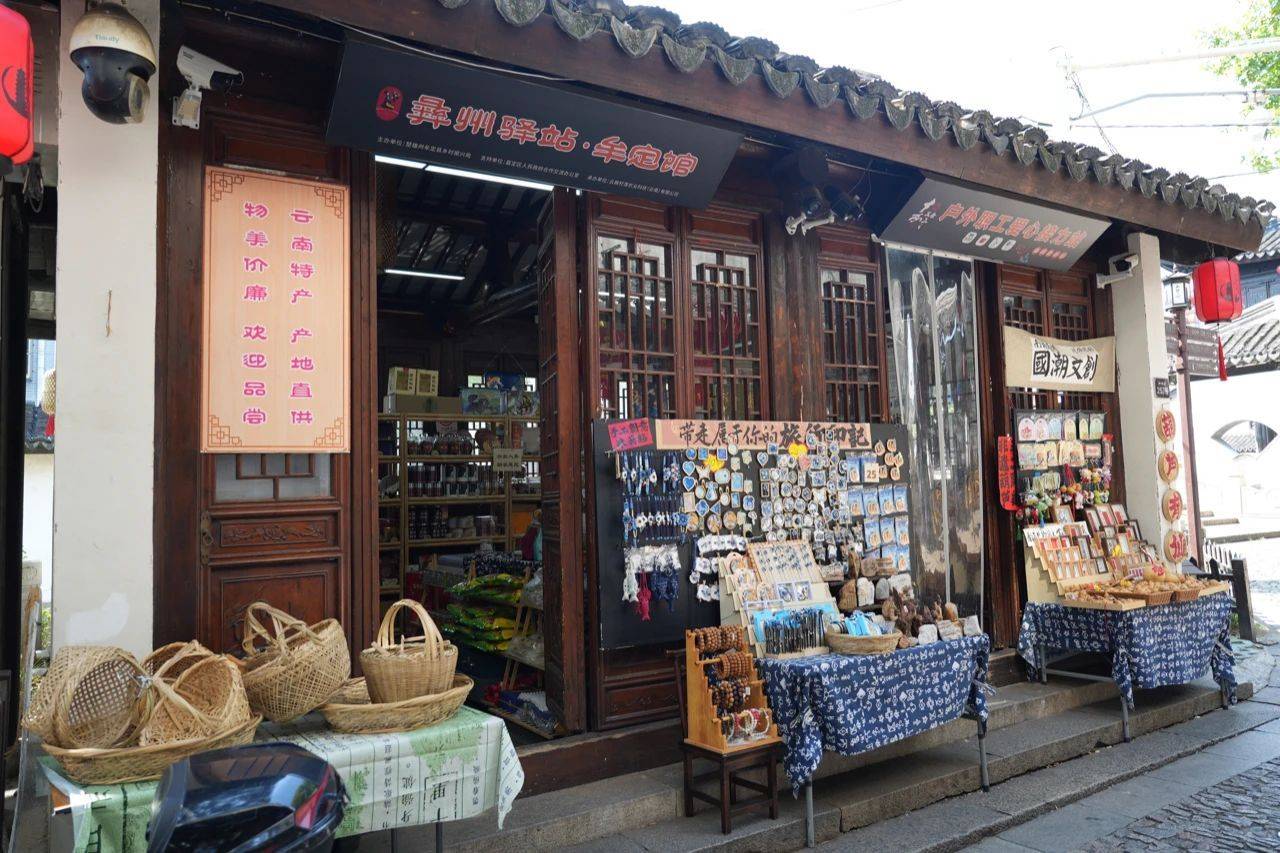
Core Viewpoint - The Yizhou Station in Jiading District has introduced a new batch of specialty products from Wuding County, Chuxiong Yi Autonomous Prefecture, Yunnan Province, showcasing rich Yunnan culture and craftsmanship [1][3]. Group 1: Cultural Heritage and Economic Impact - Yi embroidery, a national intangible cultural heritage with a history of over 1,700 years, faces market expansion challenges due to its complex craftsmanship and high prices [3]. - The collaboration between Jiading and Wuding has facilitated the development of Yi embroidery, with local artisans, many of whom are mothers, creating handicrafts to increase family income and achieve personal value [3]. - The Yizhou Station not only promotes the revival of intangible cultural heritage but also boosts local employment, achieving a win-win situation for cultural and economic benefits [3]. Group 2: Product Offerings and Future Plans - The Yizhou Station features various Yunnan specialties, including Wuding chicken, known for its tender and firm meat, and rose hibiscus tea, which has a vibrant color and sweet-sour taste [3]. - The station plans to introduce more Yunnan特色 products, such as ready-to-eat Wuding chicken series and flower cake series, highlighting unique flavors from Yunnan [3].

当“土货”搭上电商快车,乡村振兴这把火越烧越旺!
Sou Hu Cai Jing· 2025-06-21 12:49
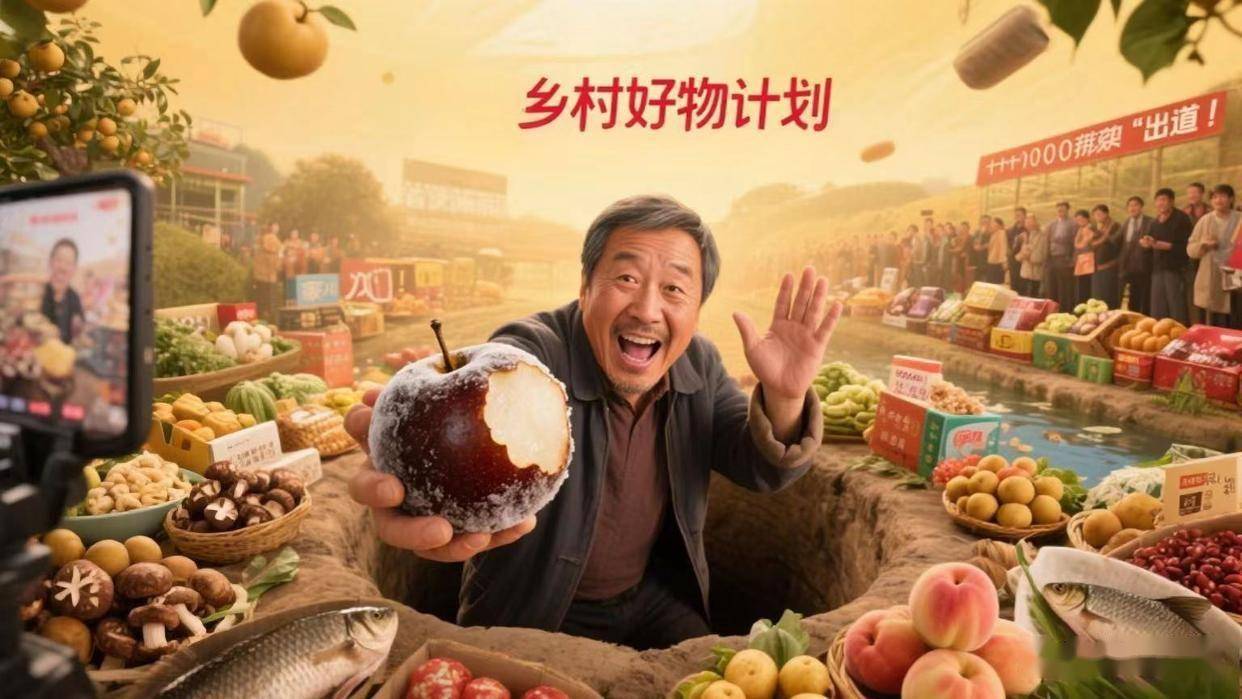
Core Insights - The rise of rural e-commerce is transforming local agricultural products into popular items nationwide, allowing farmers to sell directly to consumers and increasing their income [1][3][4] - Initiatives like the "Rural Good Products Plan" are likened to a large-scale talent show for rural products, showcasing thousands of items that were previously difficult to market [3][4] - The direct-to-consumer model is enhancing freshness and reducing costs, benefiting both farmers and urban consumers [3][4] Industry Impact - Rural e-commerce is acting as an "engine" for rural industries, attracting young people back to their hometowns and revitalizing local economies [3][4] - The success stories of rural entrepreneurs, such as those becoming "internet celebrities" through live streaming, illustrate the potential for economic growth in previously struggling areas [3][4] - Government support, including subsidies for cold chain logistics and training for packaging and live streaming, is helping to address challenges faced by rural sellers [3][4]