
滑板场

Search documents
从“消费场”拓展为“社交场”,上海商圈打造“运动+”新场景
Sou Hu Cai Jing· 2025-11-17 13:36
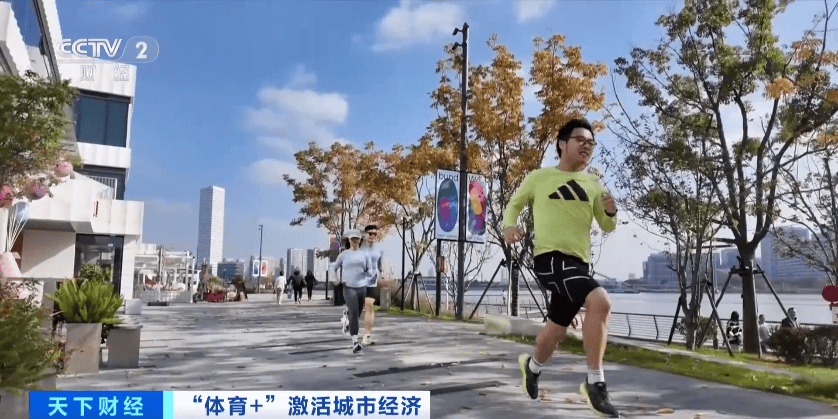
Core Insights - The article highlights the transformation of Shanghai's commercial spaces, particularly along the Xuhui Riverside, into vibrant sports and social venues, enhancing urban consumption and foot traffic [1][9]. Group 1: Development of Sports Venues - Numerous commercial areas in Shanghai are utilizing idle spaces to create sports facilities, such as running tracks and skate parks, providing citizens and tourists with opportunities for exercise and social interaction [1]. - The West Bund Dream Center, previously a cement factory, has been redeveloped into a trendy landmark featuring a 10-kilometer riverside running track that attracts many running enthusiasts [3]. Group 2: Diverse Sports Offerings - The Xuhui Riverside area leverages its scenic views and space to attract flagship stores of outdoor brands, national first stores of skiing brands, and urban experience stores for sports watches, while also incorporating various sports activities like skateboarding, camping, rock climbing, and tennis [5]. - The combination of "sports brand matrix + scenario-based sports spaces" enhances consumer experience, with evening skateboarding club events drawing significant participation [7]. Group 3: Impact on Local Economy - The establishment of sports scenes in the West Bund Dream Center has led to a 30% increase in foot traffic for surrounding dining and coffee businesses, with weekend daily foot traffic exceeding 20,000 visitors [9].

从体育中挖掘经济增量(人民时评)
Ren Min Ri Bao· 2025-09-15 22:22
Core Insights - The sports industry in China has been growing at an annual rate of over 10% since the 14th Five-Year Plan, becoming a significant contributor to public health and economic growth [1][2] - The State Council has emphasized the importance of developing the sports industry and consumption as part of the strategy to expand domestic demand, highlighting sports consumption as a key area for improving consumer spending [1][2] Group 1 - The demand for sports activities has evolved from mere physical exercise to include exploration of nature, social interaction, relaxation, and entertainment, reflecting the public's pursuit of health and quality of life [2][3] - The sports goods manufacturing sector has shown innovation, with exports reaching $14.901 billion in the first half of 2025, a year-on-year increase of 1.56%, driven by smart fitness equipment and treadmills [2] - The integration of sports with other industries, such as tourism and culture, has stimulated new consumption dynamics, as seen in urban developments like Chengdu's greenway and Shanghai's sports park [3] Group 2 - The development of sports facilities is being integrated into urban renewal and rural revitalization efforts, optimizing existing resources and creating new consumption hotspots [3] - The trend of "one person participating, the whole family traveling" is emerging, showcasing the strong influence of sports on related sectors like transportation, accommodation, and dining [3] - The sports industry is leveraging its strong grassroots support and innovative potential to continuously explore new avenues for growth, contributing significantly to public health and economic development [3]