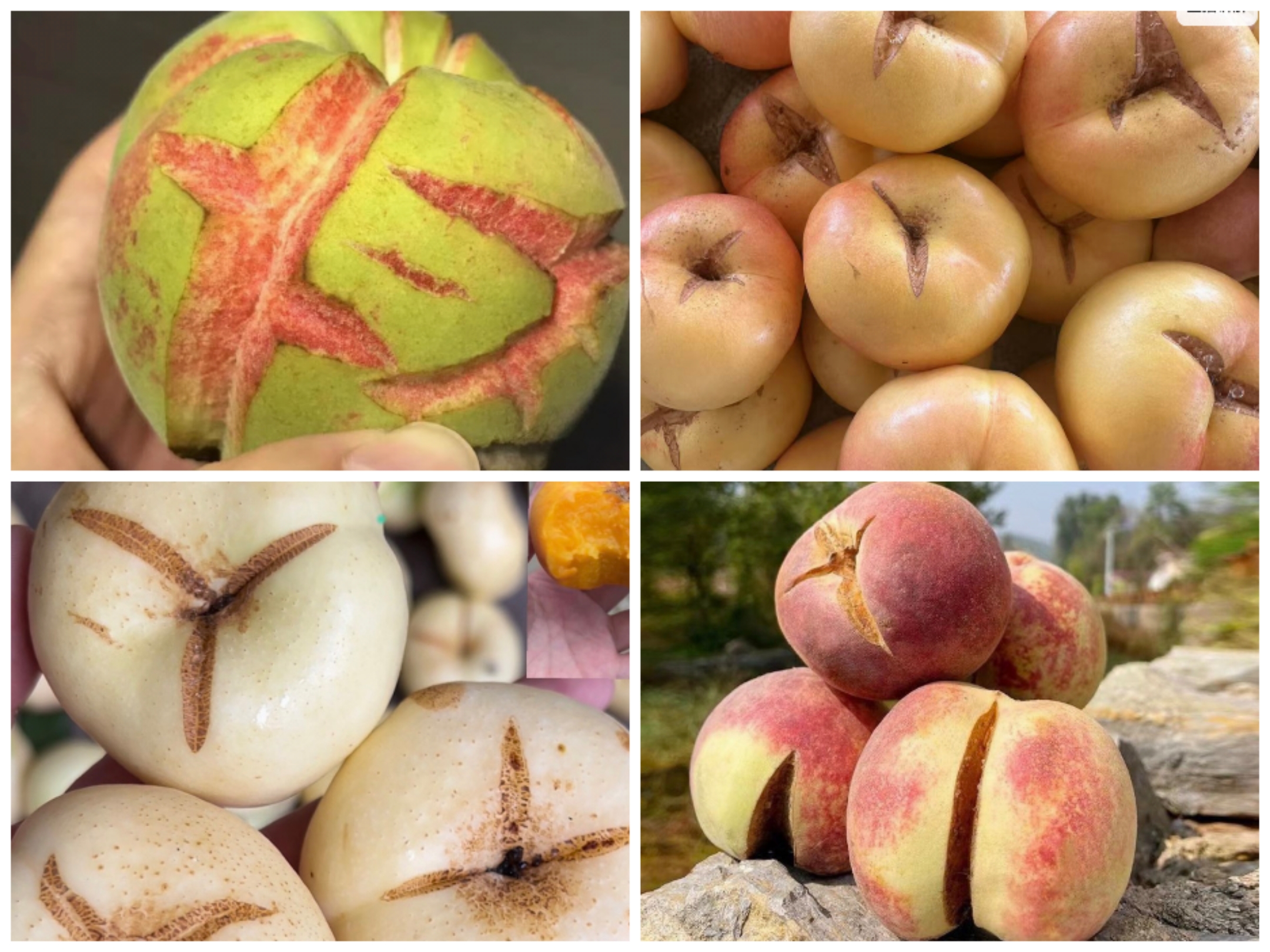
爆炸桃

Search documents
藏乌梨”后又见“天山雪糖果”:苹果脱萼处理变“新疆特产
Xin Jing Bao· 2026-02-06 05:55
Core Viewpoint - The emergence of "Tianshan Snow Sugar Fruit," marketed as a rare specialty from Xinjiang, has raised concerns as it is identified as a common apple subjected to artificial processing, highlighting ongoing fruit marketing scams in the market [1][5][8] Group 1: Product Identification and Marketing - "Tianshan Snow Sugar Fruit" is presented as a unique fruit from the Tianshan Mountains, with claims of high nutritional value and rarity [2][3] - The fruit resembles an apple but features a distinctive brown ring-shaped indentation at the bottom, which is emphasized by vendors to attract consumers [2][4] - Experts have confirmed that the fruit is likely a common apple variety, manipulated during its growth to create a unique appearance [6][7] Group 2: Consumer Experiences and Pricing - Consumers have reported purchasing "Tianshan Snow Sugar Fruit" at prices ranging from 28 to 120 yuan per pound, significantly higher than typical apple prices [4][3] - Many consumers expressed disappointment upon tasting the fruit, noting that it did not match the advertised sweetness and quality, leading to suspicions of deceptive marketing practices [3][4] Group 3: Industry Response and Consumer Awareness - Officials from the Xinjiang Agricultural and Rural Affairs Department stated they have no knowledge of "Tianshan Snow Sugar Fruit" as a recognized specialty [5] - The article draws parallels to previous fruit marketing scams, such as the "Cangwu Pear" and "Exploding Peach," urging consumers to be cautious of misleading claims and to prioritize quality and actual needs over marketing hype [8][9]
警惕“爆炸桃”背后的消费陷阱
Sou Hu Cai Jing· 2025-07-10 09:13
Group 1 - The article highlights the trend of merchants using exaggerated marketing tactics to attract consumers, exemplified by the "exploding peach" which is marketed as being five times sweeter than regular peaches despite being a flawed product [2] - It points out that many so-called "new products" in the online agricultural market are actually just rebranded flawed items, with merchants using creative names and claims to boost sales [2] - The article warns that misleading advertising practices, such as misrepresenting product quality and origin, could lead to accusations of false advertising and consumer deception [2] Group 2 - Consumers are urged to adopt a rational approach to purchasing and to be aware of the potential pitfalls of marketing gimmicks, while merchants are cautioned against substandard practices and false advertising [3] - The article emphasizes that merchants should focus on product quality rather than relying on marketing hype, as genuine quality and service are what ultimately retain consumer loyalty [3] - It concludes that fleeting online popularity will not sustain a product in the market, and consumer attention will shift to new offerings once the novelty wears off [3]

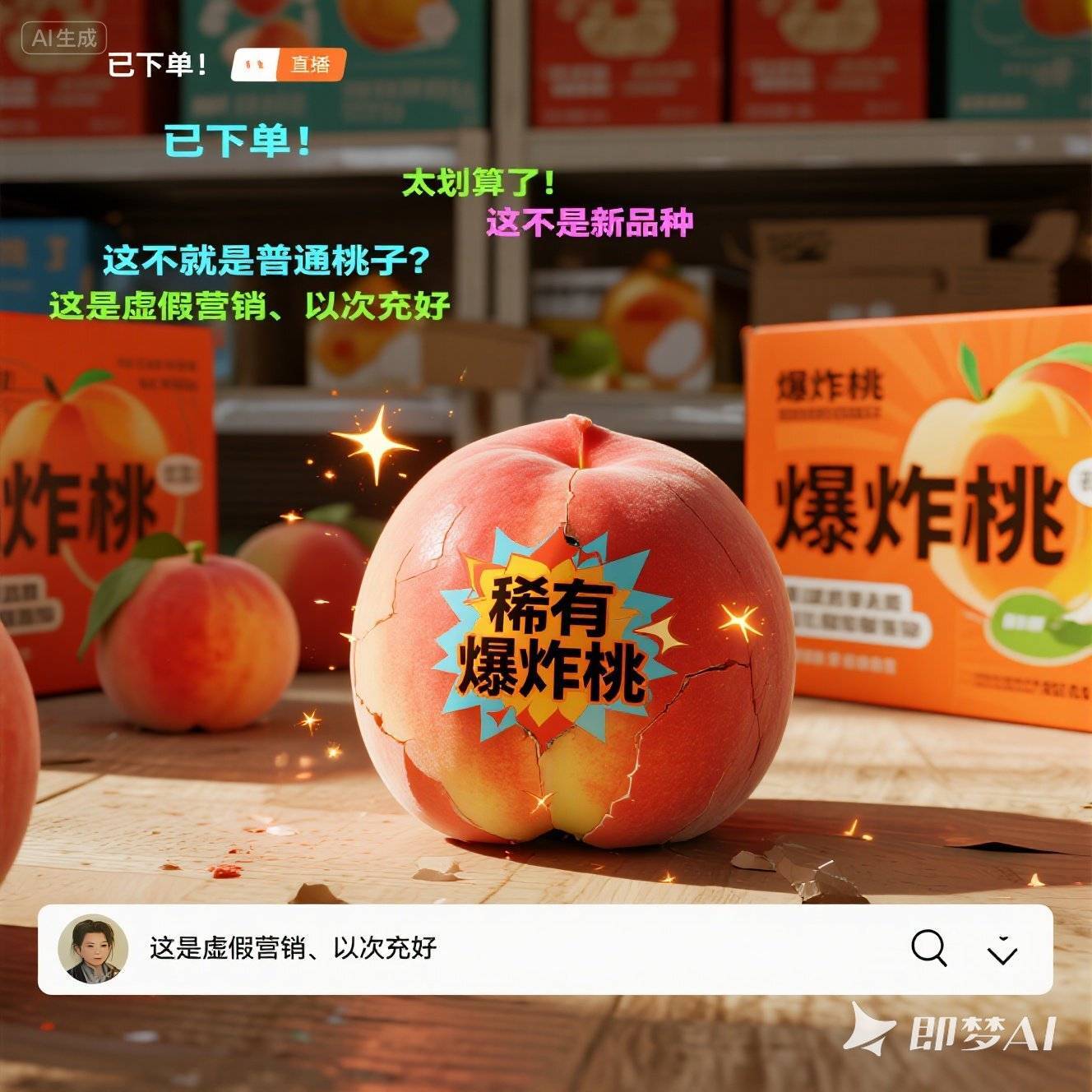
“爆炸桃”其实是坏果子,花里胡哨的营销该歇歇了
Xin Jing Bao· 2025-07-09 06:42
Core Insights - The rise of "explosion peaches" is a marketing strategy that misrepresents damaged fruits as rare varieties, violating product information disclosure principles [1][2] - The claim that these peaches are "5 times sweeter" lacks scientific basis, as tests show that the sugar content of cracked fruits is usually lower than that of normal fruits [2] - The marketing tactics employed create a cognitive bias among consumers, making it difficult for them to assess the quality of the products [2][3] Industry Implications - The trend of marketing defective fruits as premium products is becoming industrialized, with e-commerce platforms offering training on how to market blemished fruits [2] - This practice undermines consumer rights and the integrity of the agricultural supply chain, potentially squeezing the market for high-quality agricultural products [2][3] - Regulatory bodies are urged to establish clear guidelines and enforce penalties for false advertising to ensure transparency in marketing [3] Consumer Behavior - Consumers are drawn to "explosion peaches" due to a desire for "natural" products, a sense of scarcity, or social influence, but the core value of fruits lies in their taste and nutrition [2] - The success of other fruits, like "ugly oranges," demonstrates that market viability is based on quality rather than marketing gimmicks [2] - It is essential for consumers to recognize that they are purchasing fruits for their taste and quality, not for the stories behind them [3]
网红“爆炸桃”实为瑕疵品,警惕水果营销陷阱
Bei Ke Cai Jing· 2025-07-08 09:35
Core Insights - The rise of "explosion peaches" in the market is attributed to their unique appearance, characterized by cracks in the skin and flesh, which has led to increased sales on e-commerce platforms despite being considered defective products [1][3][12] - Marketing strategies have involved rebranding these peaches as "rare" and "sweeter than ordinary peaches," misleading consumers about their quality [2][3][26] Group 1: Product Characteristics - "Explosion peaches" are not a new variety but rather a result of specific varietal traits, weather conditions, or poor management leading to fruit cracking [1][19] - The phenomenon of cracking is linked to rapid water absorption by the fruit, causing the flesh to grow faster than the skin, resulting in splits [18][19] - Different peach varieties exhibit varying tendencies to crack, with some being more prone due to their growth characteristics [19] Group 2: Market Dynamics - Sales of "explosion peaches" have surged, with some varieties experiencing a fivefold increase in weekly sales, indicating strong consumer interest despite their flaws [7][12] - E-commerce platforms have seen a variety of "explosion peaches" marketed with exaggerated claims about their sweetness, with some sellers stating they are six times sweeter than regular peaches [3][19] - The pricing of "explosion peaches" varies significantly, with some being sold at prices higher than quality fruits, creating a substantial profit margin for sellers [14][16] Group 3: Consumer Awareness - Experts and legal professionals have warned consumers to be cautious of marketing traps and to focus on the actual taste and nutritional value of fruits rather than marketing hype [2][26][27] - There is a call for consumers to be informed about fruit quality and to avoid being misled by trendy concepts that do not reflect the true nature of the products [27][26] - Recommendations include that e-commerce platforms should ensure accurate product descriptions and that regulatory bodies should provide guidelines to help consumers identify common scams in the fruit market [27][26]