牛腿肉

Search documents
美国:通胀降温难缓解物价压力 民众被迫改变购物习惯
Sou Hu Cai Jing· 2026-01-01 09:38
Group 1 - The core viewpoint of the articles highlights the impact of U.S. tariffs on consumer prices, leading to increased costs for American households and a shift in purchasing habits [1][5] - In 2025, the average retail price of coffee in the U.S. has risen by nearly 35% year-on-year, with Walmart's private label coffee priced at $6.98 for 12 ounces, resulting in an additional annual cost of nearly $100 for a typical family [1] - The price of ground beef has increased by approximately 16% year-on-year, while the price of beef round has surged by about 25%, forcing consumers to consider alternatives like chicken and plant-based proteins [3] Group 2 - The Consumer Price Index (CPI) in the U.S. rose by 2.7% year-on-year in November 2025, showing signs of easing inflation compared to 3% in September and below market expectations of 3.1% [3] - Economic experts predict that the costs associated with tariffs will gradually be passed on to consumers, indicating a prolonged and gradual process [5]


物价上涨 美国消费者被迫改变购物习惯
Yang Shi Wang· 2026-01-01 06:16
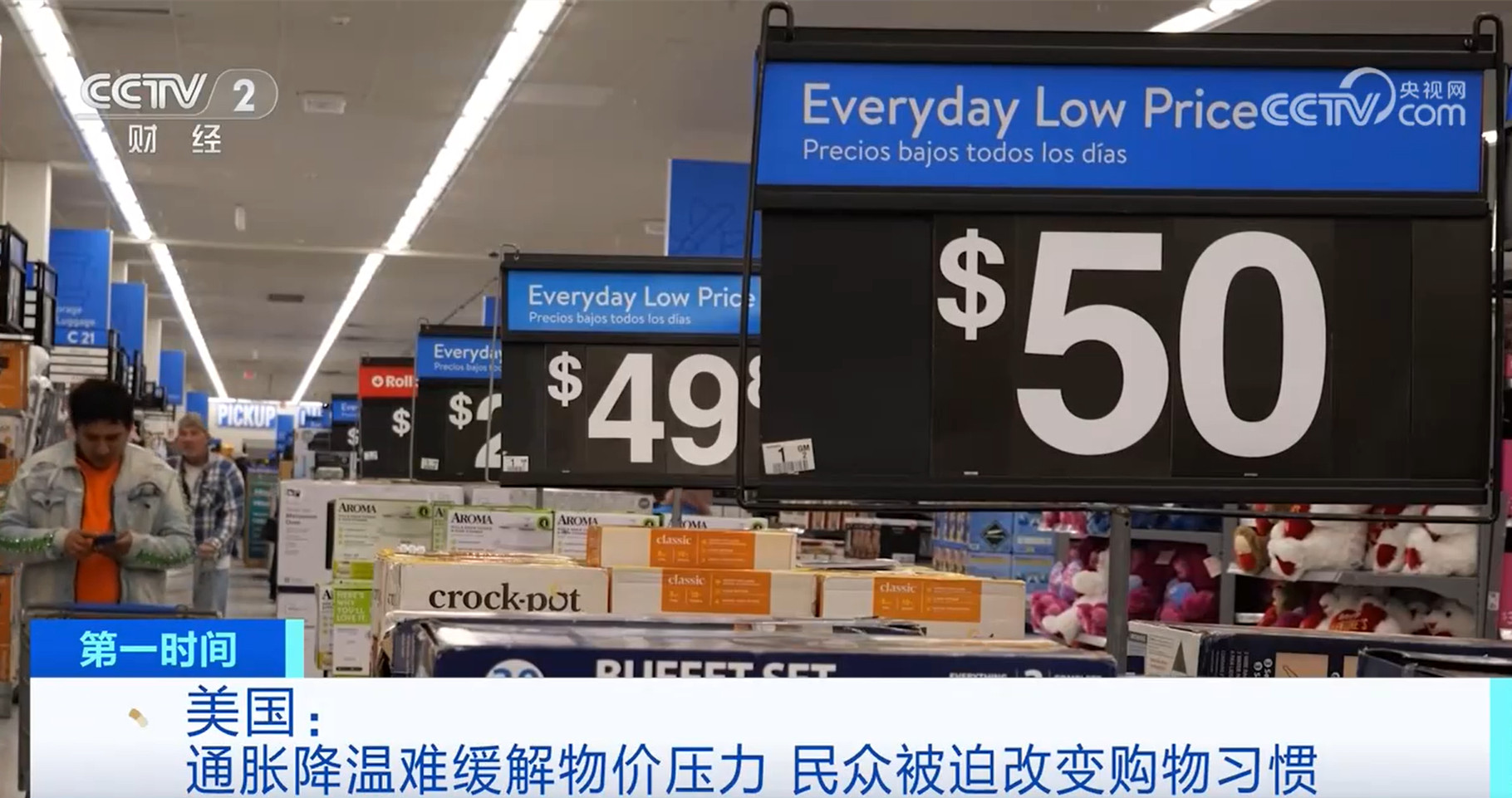
Group 1 - The core viewpoint of the articles highlights the impact of U.S. tariffs on consumer prices, leading to increased costs for American households and changes in shopping habits [1][4] - Walmart, as a major player in the U.S. retail industry, emphasizes its low-price strategy, which has become crucial for consumers prioritizing value for money amid rising prices [3] - The average retail price of coffee in the U.S. has increased by nearly 35% year-on-year, with Walmart's private label coffee priced at $6.98 for 12 ounces, resulting in an additional annual cost of nearly $100 for a typical American household [3] Group 2 - The price of ground beef has risen by approximately 16% year-on-year, while the price of beef round has increased by about 25%, forcing consumers to seek alternatives like chicken or plant-based proteins [3] - The Consumer Price Index (CPI) in the U.S. rose by 2.7% year-on-year in November 2025, indicating a cooling of inflation compared to 3% in September and below market expectations of 3.1% [3] - Economists predict that the costs associated with tariffs will gradually be passed on to consumers, suggesting a prolonged and gradual process of price increases [4]

沈阳市沈河区市场监督管理局食品安全监督抽检信息通告(2025年8月食用农产品环节第三部分)
Zhong Guo Zhi Liang Xin Wen Wang· 2025-09-02 07:45
Core Points - The food safety inspection report from the Shenyang Shenhe District Market Supervision Administration indicates that all 13 batches of food products tested are qualified [2][3] Group 1: Inspection Results - A total of 13 batches of edible agricultural products were sampled and all were found to be compliant with safety standards [2] - The inspection was conducted on July 22, 2025, and the results were reported as satisfactory [3] Group 2: Product Details - The inspected products include various items such as mushrooms, vegetables, and meats, all sourced from local suppliers in Shenyang [3][4] - Specific products listed in the inspection include shiitake mushrooms, sweet peppers, chicken legs, and beef, all of which passed the safety tests [4]


牛肉价格暴涨,正把一批牛肉自助逼向绝路
Hu Xiu· 2025-04-14 01:28
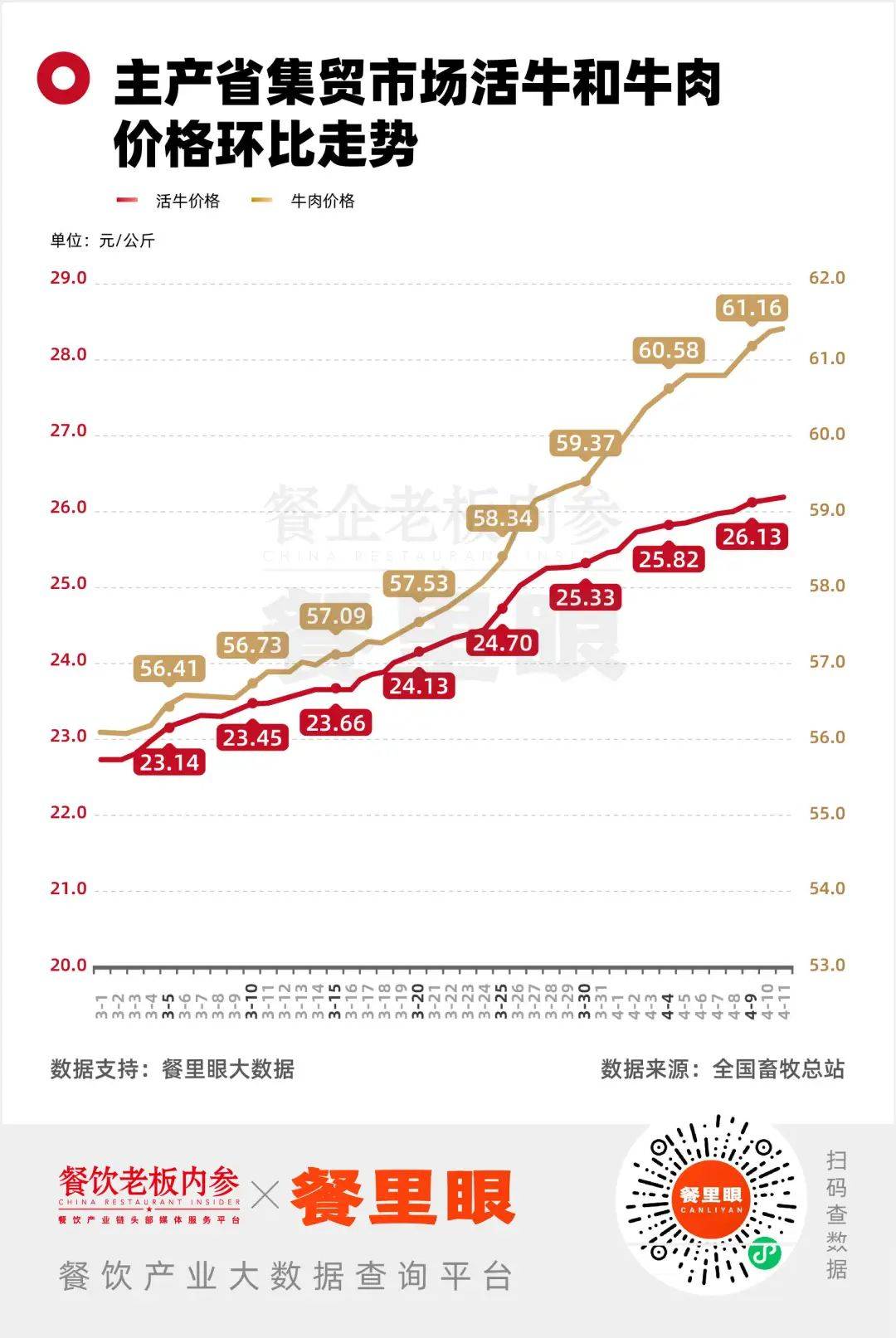
Core Viewpoint - The beef market in China has experienced a significant rebound in 2025 after a drastic decline in 2024, with prices rising sharply due to various factors including tax policy changes, domestic supply constraints, and increased consumer demand [1][3][12]. Group 1: Price Trends - In 2024, domestic beef prices fell to unprecedented lows, with some prices dropping to the "20s" per kilogram, while imported frozen beef also saw significant price reductions [2][11]. - As of April 11, 2025, live cattle prices reached 26.22 yuan/kg, a year-on-year increase of 3.5%, and beef prices were at 61.39 yuan/kg, showing a year-on-year decrease of 5.9% but a month-on-month increase [4]. - The price of imported beef has also seen volatility, with daily price increases reaching as high as 1500 yuan/ton [8][9]. Group 2: Factors Driving Price Increases - The recent surge in beef prices is attributed to three main factors: changes in tariff policies, a reduction in domestic cattle numbers, and a resurgence in consumer demand [12][13]. - The Chinese government imposed a 125% tariff on all imports from the U.S., leading to a drastic reduction in U.S. beef exports to China, which fell from over 2000 tons per week to less than 54 tons [14][15]. - Domestic cattle inventory has decreased by 8% year-on-year, leading to a significant reduction in beef production capacity [20][22]. Group 3: Consumer Demand and Market Dynamics - The recovery of the restaurant industry, particularly in hotpot and barbecue sectors, has significantly boosted beef demand, with new consumption trends emerging [25][27]. - Despite an increase in per capita beef consumption in China, it remains low compared to countries like Argentina and the U.S., indicating potential for future growth [26]. - The rising prices have put pressure on low-cost dining models, forcing restaurants to adjust their offerings and pricing strategies to maintain profitability [29][30]. Group 4: Future Outlook - Short-term price trends are expected to be upward, but a sustained "explosion" in prices is unlikely due to market adjustments and potential policy changes that could allow for more imports [36][38]. - The beef market may face challenges as consumer behavior shifts in response to rising prices, potentially leading to reduced consumption frequency [39]. - Restaurants are advised to control procurement costs, restructure menu offerings, and enhance customer experience to navigate the current market challenges [40][41][42].