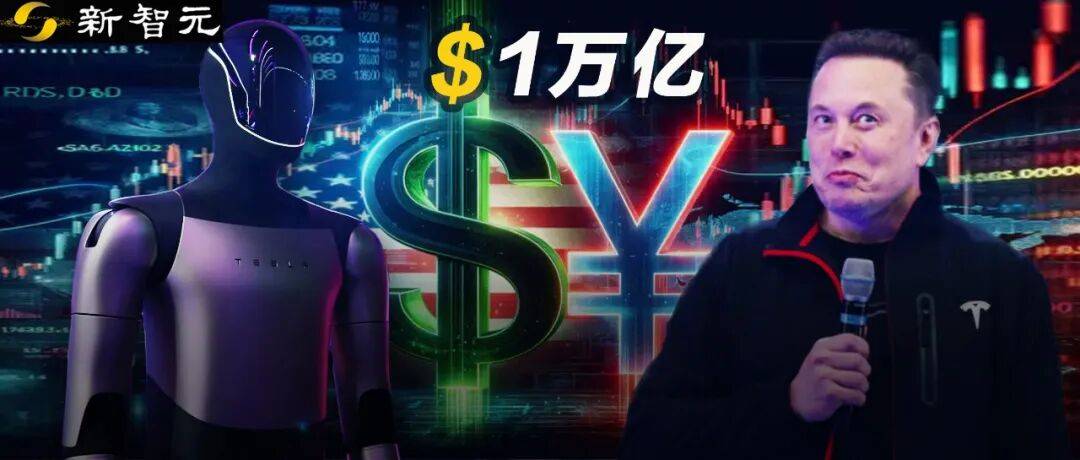
特斯拉人形机器人(Optimus)

Search documents
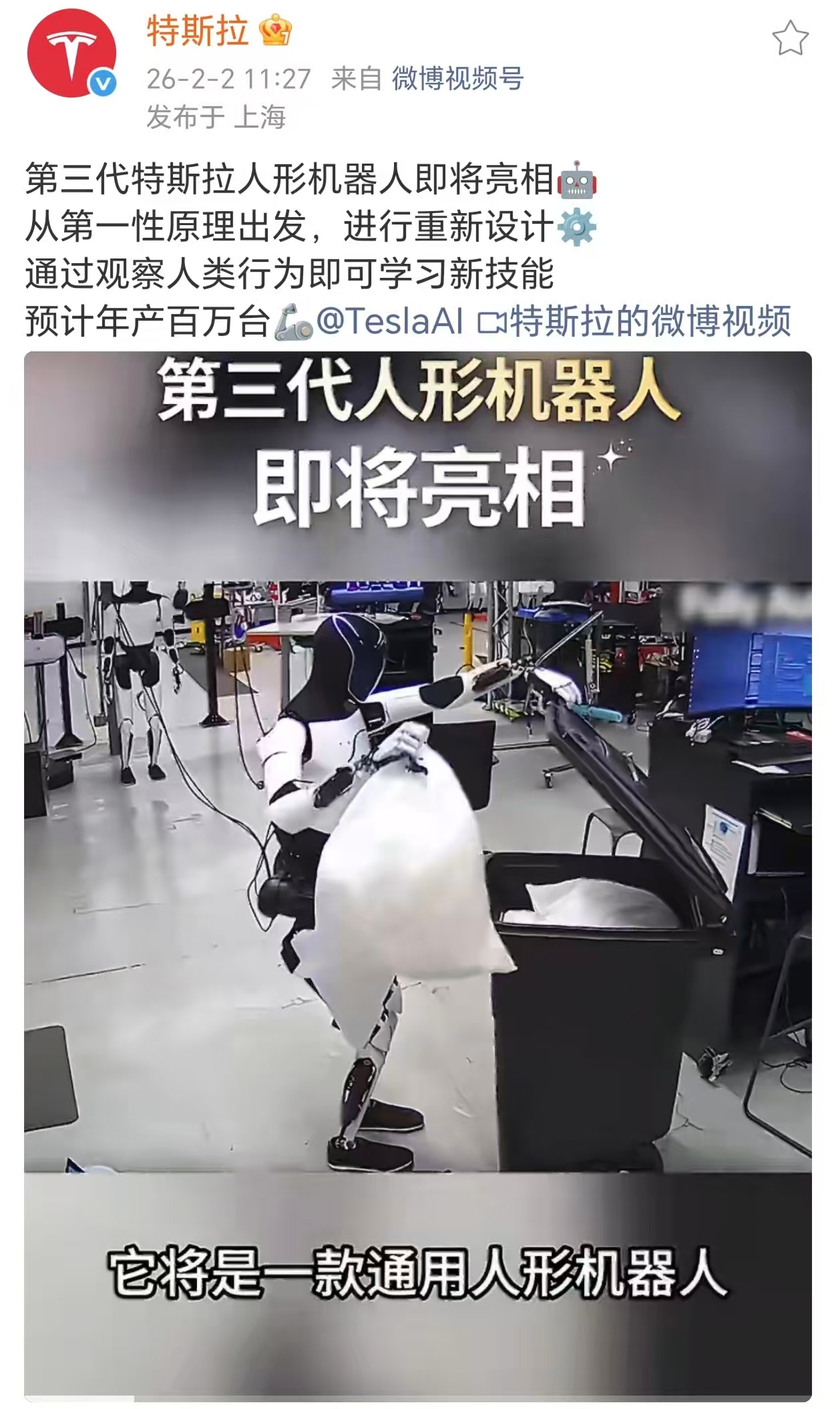
特斯拉即将推出第三代人形机器人,预计年产百万台
Xin Lang Cai Jing· 2026-02-02 08:43
Core Viewpoint - Tesla is set to unveil its third-generation humanoid robot, which will learn new skills by observing human behavior, with an expected annual production capacity of one million units [1][4]. Group 1: Product Development - The third-generation humanoid robot will be released in Q1 2026, building on the advancements of the 2.5 version, including an upgraded hand design [4]. - The production line for Model S/X at the Fremont factory will be converted to manufacture humanoid robots, with mass production expected to start by the end of 2026 [4]. - The Optimus humanoid robot has entered the countdown to mass production, currently performing basic tasks like screw tightening and material handling, with plans to validate complex assembly and quality inspection tasks by the end of 2026 [4]. Group 2: Previous Versions and Challenges - Tesla has already launched the first (Gen1) and second (Gen2) generations of the humanoid robot, with Gen1 introduced in October 2022 and Gen2 released in 2023, which features a 30% increase in walking speed and a 22-degree-of-freedom dexterous hand [4]. - Significant engineering challenges remain, particularly in the design of the robot's hand and forearm, which have previously caused production delays [6]. Group 3: Financial Performance and Strategic Focus - Tesla's Q4 2025 revenue was $24.901 billion, a year-over-year decline of approximately 3%, with net profit down 61% to $840 million [6]. - The automotive business revenue fell 11% year-over-year to $17.69 billion in Q4 2025, with a total annual automotive revenue of $69.5 billion, marking a 10% decline [6]. - In response to declining automotive revenue, Tesla announced a capital expenditure plan of $20 billion for the year, focusing on AI, autonomous driving, and robotics [6]. Group 4: Competitive Landscape - Elon Musk identified Chinese companies as Tesla's strongest competitors in the humanoid robot market, noting their manufacturing scale and advancements in AI technology [7]. - The Chinese humanoid robot industry is expected to experience rapid growth, with improvements in AI model capabilities, hardware maturity, cost reductions, and accelerated application scenarios by 2026 [7].


特斯拉造出终结者之手!马斯克要挣1000000000000美元
Sou Hu Cai Jing· 2025-11-07 05:06
Core Viewpoint - Tesla's shareholders have approved an unprecedented executive compensation plan that could allow Elon Musk to earn nearly $1 trillion in stock rewards over the next decade if the company's market value reaches $8.5 trillion, representing a growth of over 500% from its current valuation [2][8][14]. Group 1: Compensation Plan Details - Over 75% of shareholders voted in favor of the compensation plan, which is tied to ambitious performance targets [8][11]. - To fully realize the rewards, Musk must lead Tesla to deliver 20 million electric vehicles, 1 million humanoid robots, and 1 million operational Robotaxis [8][11]. - The plan is structured over a 10-year period with 12 phases, each with specific market value and operational goals [11]. Group 2: Market Impact and Predictions - Analysts predict that Tesla's market value could reach $3 trillion within the next 12 to 18 months, driven by advancements in autonomous driving and robotics [14]. - Following the approval of the compensation plan, Tesla's stock price rose by 4.1% to $462, marking a 77% increase year-to-date [14]. Group 3: Robotics and AI Development - Tesla plans to start mass production of its humanoid robot, Optimus, next year, with the potential to revolutionize various industries [17][20]. - The company aims to produce 1 million units annually, with production costs projected to be around $20,000 per robot [19][20]. - The humanoid robot is expected to significantly expand the global economy, with Musk suggesting it could increase economic output by 10 to 100 times [19]. Group 4: Technological Innovations - Tesla is developing a specialized AI chip, AI 5, designed to optimize performance for its robots, with significantly lower power consumption and cost compared to competitors [29][32]. - The company is also planning to build a large-scale semiconductor factory to meet its chip production needs [32]. Group 5: Shareholder Sentiment and Opposition - Despite the overwhelming support from shareholders, some major institutional investors opposed the compensation plan, citing concerns over excessive power concentration [36][42]. - Notable figures, including the Pope, have expressed concerns about the implications of Musk becoming the world's first trillionaire [36].