猎鹰1号火箭

Search documents
史上最大IPO来临:马斯克开始准备殖民火星了
Xin Lang Ke Ji· 2026-01-30 00:16
Core Viewpoint - SpaceX, led by Elon Musk, is preparing for an initial public offering (IPO) potentially in June, aiming to raise up to $50 billion with a target valuation of $1.5 trillion, which would set a record for the largest IPO in history [2][17]. Company Overview - SpaceX has achieved a remarkable valuation of $800 billion in a recent internal equity transaction, doubling its valuation from $400 billion in July 2025, and has regained its status as the most valuable private company globally [2][31]. - The company has transitioned from near bankruptcy during its early years to becoming a dominant player in the commercial space sector, with significant milestones including the successful launch of the Falcon 1 rocket in 2008 and the first recovery of a Falcon 9 rocket in 2015 [5][7]. Business Segments - SpaceX's business model consists of two main segments: rocket launch services and the Starlink satellite internet service, with the majority of revenue coming from Starlink [8][10]. - The company currently dominates the global launch market, handling over 90% of commercial payloads and achieving a record launch frequency of 167 times in 2025 [8][10]. Starlink and Future Growth - Starlink has become the largest satellite internet provider globally, with over 9 million users across more than 150 countries, and is projected to generate significant revenue, contributing over 70% to SpaceX's overall revenue by 2026 [10][20]. - The Starship system, a fully reusable heavy-lift rocket, is central to SpaceX's future plans, with the potential to drastically reduce launch costs and facilitate missions to Mars [13][15]. Military Contracts and Strategic Partnerships - SpaceX has secured multiple contracts with the U.S. Department of Defense, including the Starshield military satellite system, further solidifying its position in the military space sector [11][12]. - The company is expected to benefit from a national security space launch contract valued in the billions for the fiscal years 2025-2029 [12]. Market Recognition and Competitive Landscape - SpaceX's technological advancements, particularly in rocket reusability and cost efficiency, have created significant barriers to entry for competitors [18][20]. - Despite its dominance, SpaceX faces competition from companies like Blue Origin and Rocket Lab, which are developing their own launch capabilities and satellite internet services [21][24][25]. IPO Significance and Industry Impact - The upcoming IPO is seen as a pivotal moment for the commercial space industry, potentially attracting more capital and accelerating technological advancements in space exploration [31]. - SpaceX's success could set a valuation benchmark for the entire commercial space sector, encouraging further investment in satellite internet, space tourism, and Mars colonization initiatives [31].

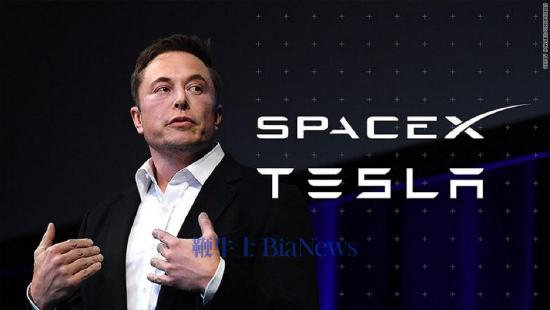
史上最大IPO来临:马斯克开始准备殖民火星了|硅谷观察
Xin Lang Cai Jing· 2026-01-29 23:42
Core Viewpoint - SpaceX, led by Elon Musk, is preparing for an initial public offering (IPO) potentially around June 28, aiming to raise up to $50 billion with a target valuation of $1.5 trillion, which would set a record for the largest IPO in history [2][16]. Group 1: Company Overview - SpaceX's valuation has reached $800 billion in a recent internal equity transaction, doubling from $400 billion in July 2025, making it the most valuable private company globally [2][29]. - The company has transitioned from near bankruptcy in 2008 to a dominant player in the commercial space sector, successfully launching the Falcon 1 rocket and securing significant contracts with NASA [7][9]. Group 2: Business Segments - SpaceX's business model consists of two main segments: rocket launch services and Starlink satellite internet, with the majority of revenue coming from Starlink [8][40]. - The company has achieved over 90% of the global commercial payload launch market, with a record launch frequency of 167 times in 2025, significantly surpassing all other countries [9][38]. Group 3: Starlink and Future Growth - Starlink, launched in 2015, has become the largest satellite internet provider globally, with over 9 million users and a projected revenue contribution of over 70% to SpaceX's total revenue by 2025 [11][40]. - The Starship system, a fully reusable heavy-lift rocket, is central to SpaceX's future plans, with the potential to drastically reduce launch costs to $100-200 per kilogram [13][42]. Group 4: IPO and Market Recognition - The anticipated IPO is expected to surpass the previous record set by Saudi Aramco in 2019, with Morgan Stanley likely to be the lead underwriter [16][45]. - SpaceX's competitive advantages include advanced technology, cost efficiency, and a stable cash flow, with the company reportedly achieving positive free cash flow for several consecutive years [19][46]. Group 5: Competitive Landscape - Despite SpaceX's dominance, competitors like Blue Origin and Rocket Lab are emerging, with Blue Origin successfully launching its New Glenn rocket and developing its satellite internet project [20][49]. - The commercial space sector is witnessing rapid growth, with various companies exploring different niches, including satellite internet and small satellite launches [22][52]. Group 6: Broader Implications - SpaceX's IPO signifies a pivotal moment in the commercialization of space, potentially attracting more capital and accelerating technological advancements in the industry [29][58]. - The company aims to establish a human presence on Mars by the 2030s, with ambitious plans for interplanetary colonization and advanced space infrastructure [15][42].
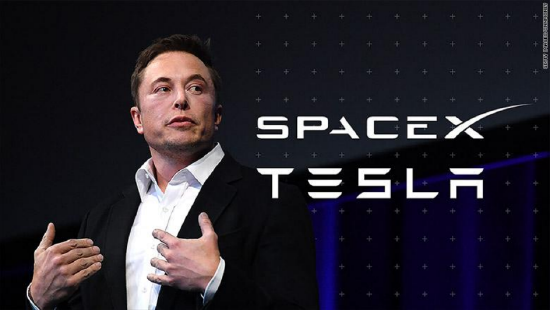
创始团队的“扛事儿”基因:比好主意更重要的生存密码
Sou Hu Cai Jing· 2025-06-10 16:31
Core Insights - The ability to "bear responsibilities" is essential for both individual success and organizational evolution, particularly for founding teams [5][8][33] - A study from Harvard reveals that 93% of startup failures are due to team disintegration under pressure rather than product flaws or market misjudgments, highlighting the critical nature of resilience [6][9] Group 1: Definition and Importance of "Bearing Responsibilities" - "Bearing responsibilities" means facing challenges head-on, maintaining composure under pressure, and actively seeking solutions rather than avoiding problems [3][4] - This capability is a composite requirement of mental resilience, accountability, and the ability to confront uncertainty and risks [4][5] Group 2: Consequences of Failing to "Bear Responsibilities" - Teams that fail to confront challenges often experience a loss of morale and cohesion, leading to a downward spiral of performance [6][9] - Successful teams, like SpaceX, demonstrate that unwavering commitment to overcoming failures can lead to significant breakthroughs, such as the development of reusable rockets [6][8] Group 3: Principles for Founding Teams - The first principle is to treat problems as essential for survival, promoting transparency and proactive problem-solving within the organization [11] - The second principle emphasizes the need to deeply analyze failures to prevent recurrence and foster innovation [12][13] - The third principle stresses the importance of disciplined decision-making, avoiding emotional reactions that can lead to hasty retreats [16][18] Group 4: Cultivating the "Bearing Responsibilities" Gene - Organizations should implement rigorous testing and training to develop resilience among team members, drawing from Eastern philosophies that emphasize calmness under pressure [22][23] - Establishing a culture that values emotional stability and collective responsibility can help mitigate the risks associated with team disintegration [24][26] Group 5: Identifying and Mitigating "Pseudo-Resilience" - Companies must be aware of individuals who may undermine the team's ability to bear responsibilities, such as opportunistic members who avoid accountability [27][29] - Implementing mechanisms to ensure commitment and collaboration can help prevent the erosion of the "bearing responsibilities" gene within the team [30][31]