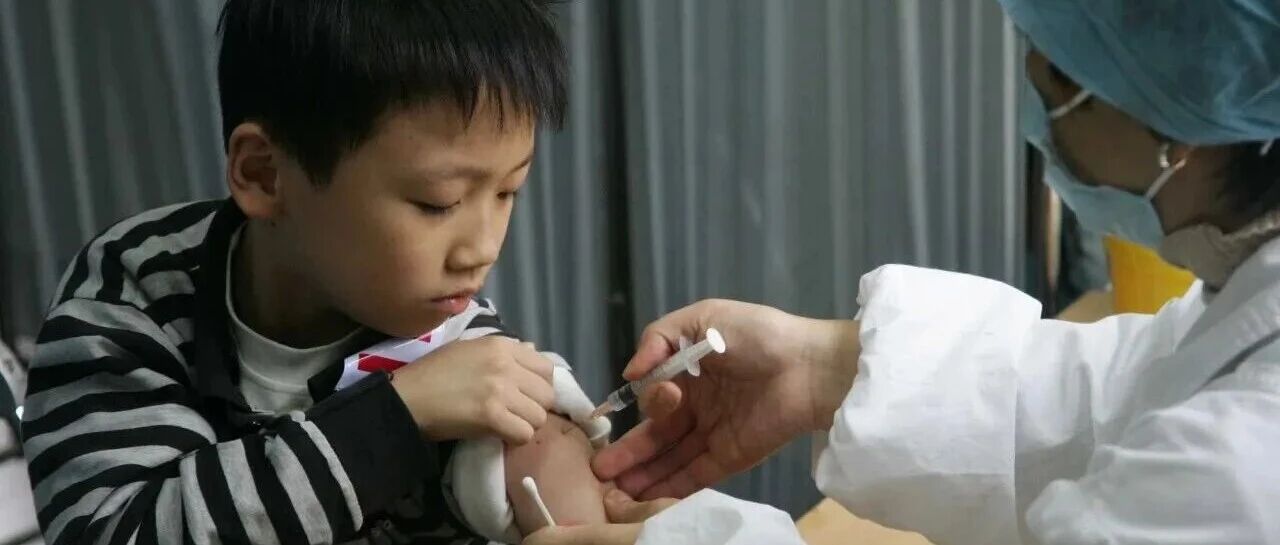
玛巴洛沙韦(速福达)

Search documents
为啥5元流感疫苗打不动,200元流感药抢着要?
经济观察报· 2025-12-26 02:25
Core Viewpoint - The article highlights the low flu vaccine uptake in China, driven by widespread vaccine hesitancy among the population, including healthcare professionals, despite the availability of free vaccines for vulnerable groups [1][6][14]. Group 1: Vaccine Market Dynamics - The three main companies relying on flu vaccine sales in China are Hualan Biological (10.7 billion), Zhonghui Biological (2.6 billion), and Jindike (808 million), with a combined annual sales of approximately 14 billion [3]. - In contrast, the leading flu medication company, Dongyangguang Pharmaceutical, reported annual sales of around 26 billion for its flu drug Oseltamivir [3]. - The article notes a significant disparity between the sales of flu vaccines and flu medications, with the latter being preferred by consumers due to immediate symptom relief [3][13]. Group 2: Reasons for Vaccine Hesitancy - Vaccine hesitancy is attributed to several factors, including doubts about vaccine effectiveness and safety, as well as a lack of awareness regarding the severity of flu [9][10]. - Many individuals, including healthcare workers, express skepticism about the flu vaccine's ability to prevent infection, leading them to rely on medications instead [9][10]. - A study indicated that over half of social media users exhibit flu vaccine hesitancy, primarily due to distrust in vaccine efficacy and safety [10][11]. Group 3: Public Health Implications - The low flu vaccine uptake has resulted in significant public health concerns, with over 200,000 excess deaths related to flu annually in China [14]. - The Chinese flu vaccine uptake rate remains around 3%, which is significantly lower than global averages, highlighting the urgent need for improved public health strategies [14][16]. - Recent initiatives by health authorities aim to enhance vaccine accessibility and encourage healthcare workers to lead by example in promoting flu vaccination [16].


高发季提前,本季主流毒株是它
Xin Lang Cai Jing· 2025-12-20 17:01
Core Insights - The flu season in China has started earlier this year, with significant increases in flu activity since late October, leading to a surge in patient visits to fever clinics across multiple hospitals [2] - The dominant flu strain this season has shifted from H1N1 to H3N2, contributing to the severity of the outbreak due to insufficient herd immunity [2] - In Hunan province, the proportion of patients with flu-like symptoms testing positive for the flu virus has reached 60.71%, indicating a high level of flu activity [6] Group 1: Flu Activity and Impact - The flu season has commenced approximately one month earlier than in previous years, with a notable increase in hospital visits for flu-like symptoms [2] - The current dominant strain is H3N2, while H1N1 has decreased in prevalence, highlighting a shift in the flu virus landscape [2] - The high positivity rate of 60.71% among patients with flu-like symptoms suggests a significant public health concern, although it remains within the expected range compared to the past three years [6] Group 2: Public Health Response - Hunan's health authorities are actively monitoring the flu situation, utilizing sentinel hospitals and laboratory networks for real-time tracking of virus mutations and outbreak intensity [6] - Preventive measures include strict control in key locations such as schools and nursing homes, with guidelines for early detection and response to outbreaks [6] - Public health campaigns are being conducted to educate the community on recognizing early flu symptoms and effective preventive measures [6] Group 3: Healthcare System Preparedness - Hospitals in Changsha are experiencing increased patient loads, particularly in pediatrics and respiratory departments, necessitating the formation of specialized response teams [7] - The implementation of rapid testing for respiratory pathogens has been enhanced, reducing the testing time from 4-6 hours to under 2 hours, thereby improving patient care [7] Group 4: Pharmaceutical Supply and Pricing - There has been a notable increase in demand for antiviral medications such as Oseltamivir and Baloxavir, but pharmacies report stable supply and pricing due to proactive inventory management [8] - Pharmacies have initiated supply guarantees ahead of the flu season, ensuring that essential medications remain available and prices stable [8]
200元一粒,国产“流感神药”卖得有点吃力
Jing Ji Guan Cha Wang· 2025-12-19 03:55
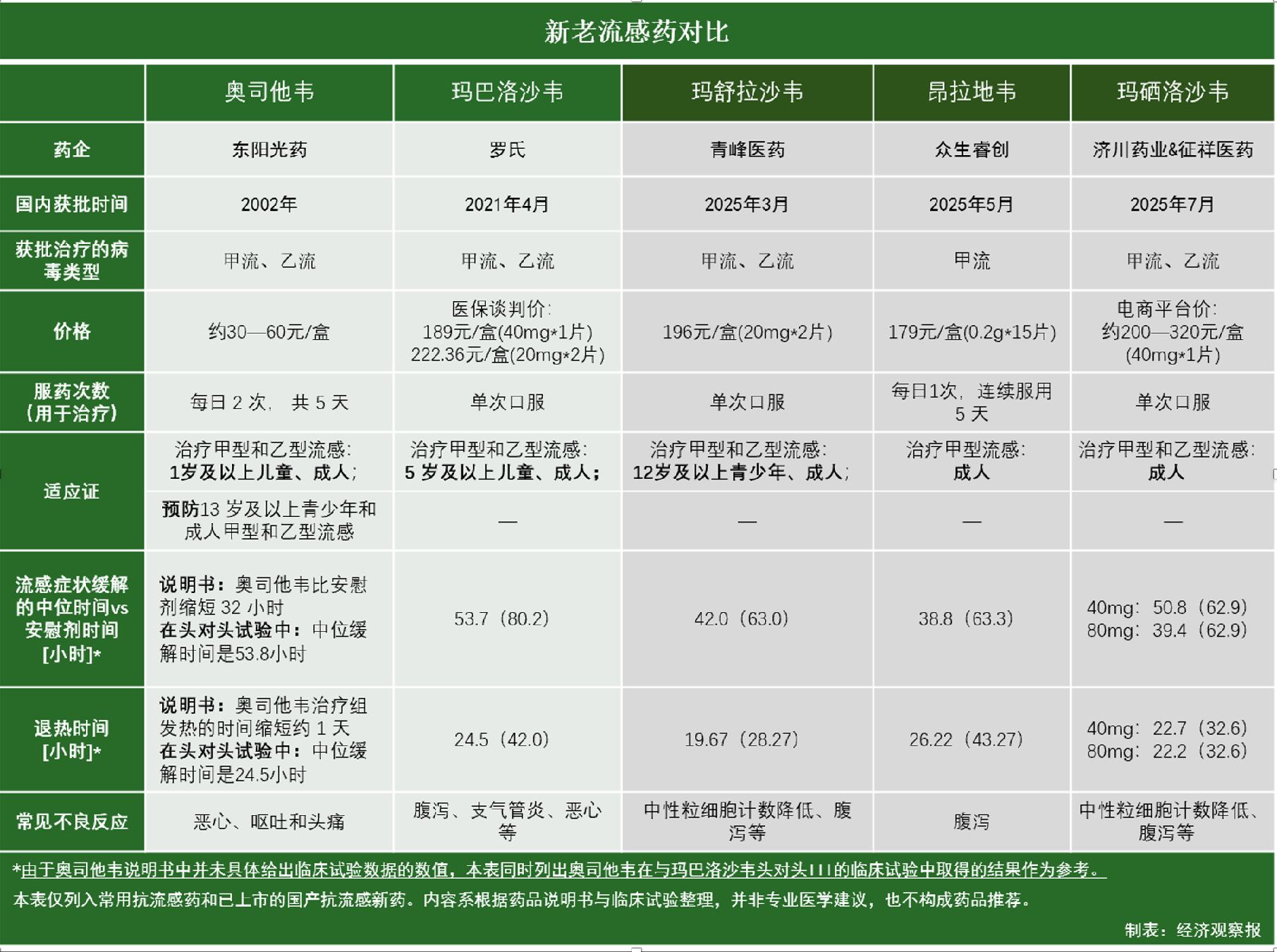
Core Viewpoint - The introduction of three new domestic influenza drugs in China by 2025 aims to break the monopoly of existing antiviral treatments, with prices ranging from 180 to 320 yuan, similar to the well-known drug, Marbalozav. [2] Group 1: New Drug Development - Three new domestic influenza drugs, including "Zhong Nanshan version" and "Zhang Wenhong version," are set to launch in 2025, marking a significant milestone in China's pharmaceutical innovation. [2] - These new drugs claim to provide rapid symptom relief, with some promising full-body symptom alleviation within 18 hours and fever reduction in approximately 22 hours. [2] - Despite their potential, the sales of these new drugs have been minimal, with total sales under 10 million yuan since their market entry, compared to nearly 8.5 billion yuan for existing drugs like Oseltamivir and Marbalozav. [3][11] Group 2: Market Challenges - The new drugs face significant market challenges, including a lack of awareness among pharmacists and patients, as many still prefer established treatments like Oseltamivir and Marbalozav. [3][7] - The sales contribution from hospitals and pharmacies for the new drugs is limited, with only 38% of Marbalozav's sales coming from hospitals and 5% from pharmacies. [11] - The new drugs are primarily approved for use in patients aged 12 and above, limiting their market reach compared to older drugs that can be used in younger populations. [8] Group 3: Pricing and Reimbursement - The new drugs have not yet been included in the national health insurance reimbursement list, which is a significant barrier to their adoption by healthcare providers. [9] - Current pricing strategies for the new drugs do not offer a clear advantage over existing treatments, which are more affordable due to their inclusion in national procurement programs. [9][10] Group 4: Sales Channels - E-commerce is emerging as a vital sales channel for the new influenza drugs, with significant sales percentages reported through platforms like JD Health. [12][17] - Different marketing strategies are being employed by manufacturers, with some focusing on cultural branding and others on bundled sales with complementary products. [13][16] Group 5: Resistance and Efficacy - A potential competitive edge for the new drugs is their lower resistance rates compared to older medications, which have shown some resistance in certain viral strains. [18][19] - Current data indicates that resistance to existing drugs like Oseltamivir remains relatively low in China, but ongoing monitoring is necessary as usage increases. [20]
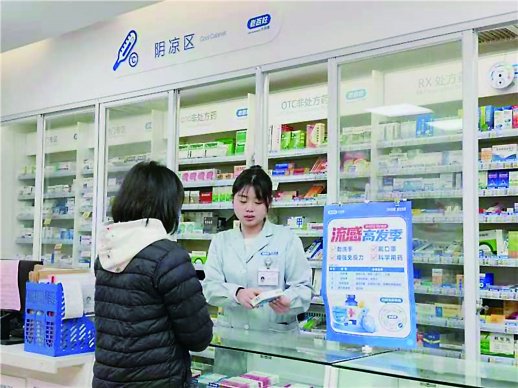
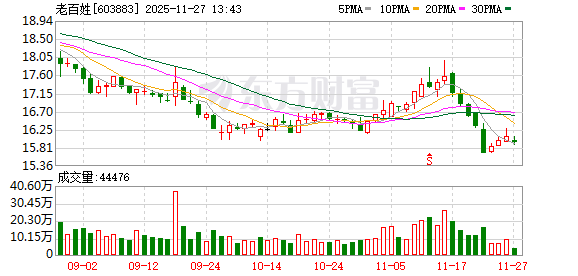
流感药品需求上升 老百姓大药房全国门店供应稳定
Zheng Quan Ri Bao· 2025-11-27 05:43
Core Viewpoint - The demand for respiratory disease-related medications and protective supplies has significantly increased as respiratory diseases like influenza and mycoplasma pneumonia enter a high incidence season in China [2][3]. Group 1: Market Demand and Supply - The China Disease Prevention and Control Center has reported an upward trend in influenza cases, with sentinel hospitals in southern provinces reporting a percentage of influenza-like cases at 6.7% and northern provinces at 7.0% during the 46th week of 2025, indicating an earlier onset of the flu season compared to previous years [2]. - The company, Lao Bai Xi Da Yao Fang, has leveraged its nationwide supply chain and store network to ensure stable supply and price stability for four categories of medications, including antiviral drugs, antipyretics, cough suppressants, and antibiotics, as well as protective supplies like masks [2][3]. Group 2: Sales Performance - Sales of antiviral medications such as Oseltamivir and Mabalaoshuai (Sufuda), as well as antibiotics like Amoxicillin and Azithromycin, have seen significant growth recently, particularly in November, with a notable increase in sales of flu medications [3]. - The company has implemented a supply guarantee plan in anticipation of seasonal demand fluctuations, which includes early forecasting, centralized procurement, and increased stock levels to ensure market supply stability [3]. Group 3: Health Recommendations - The China Disease Prevention and Control Center has noted an increase in reported influenza outbreaks, particularly among children aged 5 to 14, and has recommended health monitoring in key institutions such as schools and nursing homes [4]. - The company emphasizes the importance of following medical advice for flu prevention and treatment, including vaccination, medication adherence, mask-wearing, hand hygiene, and environmental disinfection [4].

流感高峰期或在下个月!三款流感新药上市
第一财经· 2025-11-26 05:44
Core Viewpoint - The article discusses the rising demand for influenza antiviral medications as the flu season begins in China, highlighting the market dynamics and supply chain responses from key pharmaceutical companies [3][4]. Group 1: Influenza Season and Market Dynamics - The flu season in China typically starts in October to November, with peaks in late December and early January [3]. - Increased sales of antiviral medications have been observed on e-commerce platforms, leading to a rise in stock prices of related companies in the A-share market [3]. Group 2: Key Pharmaceutical Companies and Their Responses - Dongyang Sunshine Pharmaceutical holds a significant market share in the supply of Oseltamivir, stating that they have a robust supply chain and emergency plans to ensure stable drug supply during peak demand [4]. - Roche, the manufacturer of the antiviral drug Baloxavir marboxil (brand name "Xofluza"), has initiated local production in Shanghai to shorten supply chain times and enhance responsiveness to market demands [6]. - Roche has reported that the supply of Xofluza this year is over three times that of the previous year, with plans for flexible supply adjustments based on regional demand [7]. Group 3: New Drug Developments - Three new RNA polymerase inhibitors have been launched in China, produced by local companies, which include Qingfeng Pharmaceutical's Marbofloxacin, Zhongsheng Pharmaceutical's Anladiwei, and Jichuan Pharmaceutical's Maxilovirin [8][9]. - Zhongsheng Pharmaceutical's Anladiwei is noted as the world's first PB2 protein inhibitor for influenza treatment, specifically for adult patients [8].