玫瑰汾酒

Search documents
北京天竺综保区跑出“加速度”:药品一小时通关、京津冀跨境电商次日达
Bei Jing Shang Bao· 2026-02-04 16:12
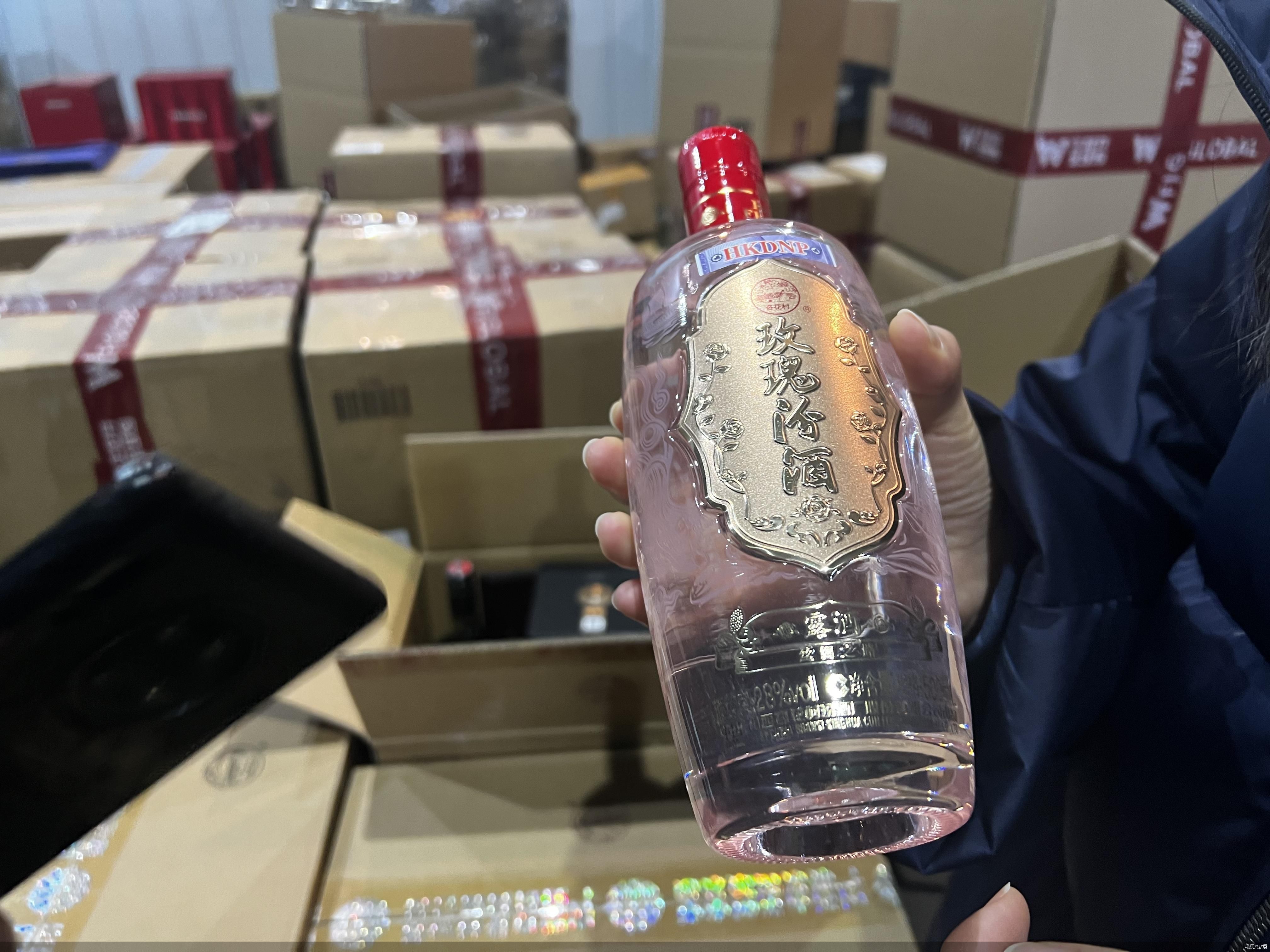
Core Insights - Tianzhu Comprehensive Bonded Zone aims to achieve an import and export volume of 119.793 billion yuan by 2025, ranking sixth among comprehensive bonded zones in China [1] - The zone has developed a "Bonded + E-commerce" model, exemplified by the Wangfujing Global Purchase platform, which began operations on January 1, 2023, allowing for next-day delivery in the Beijing-Tianjin-Hebei region [1][2] Group 1: Trade Facilitation and Industry Development - Tianzhu Comprehensive Bonded Zone has implemented a "Bonded + Medical" business model, with a projected import of medical materials and drugs reaching 92.51 billion yuan by 2025 [5] - The customs authority has reduced drug clearance times to under one hour through 7×24 hour appointment services and advanced technologies, improving efficiency by over 70% [5] - The zone is also focusing on rare disease drug importation, establishing a "Rare Disease Drug Guarantee Pilot Zone" to streamline the import process for critical medications [5] Group 2: E-commerce and Consumer Demand - Wangfujing Global Purchase is leveraging cross-border e-commerce to provide a wider selection of products, including previously hard-to-find domestic wines, enhancing consumer access [2] - Anticipating a 20%-30% increase in order volume during the upcoming Spring Festival, the platform is prepared to meet consumer demand with popular categories such as cosmetics and alcoholic beverages [5] Group 3: Aviation and Maintenance Services - The Tianzhu Comprehensive Bonded Zone has also made strides in "Bonded + Maintenance" services, with the Beijing Aircraft Engine Maintenance Company (BAESL) set to begin operations, aiming for an annual overhaul capacity of 250 engines by 2034 [8] - The customs authority is embedding regulatory oversight into the production chain, ensuring traceability of materials while minimizing disruption to production processes [8]

进口好物搭上春节消费快车,北京这场活动诠释了何为“中国大市场全球新机遇”
Bei Jing Shang Bao· 2026-02-04 15:19
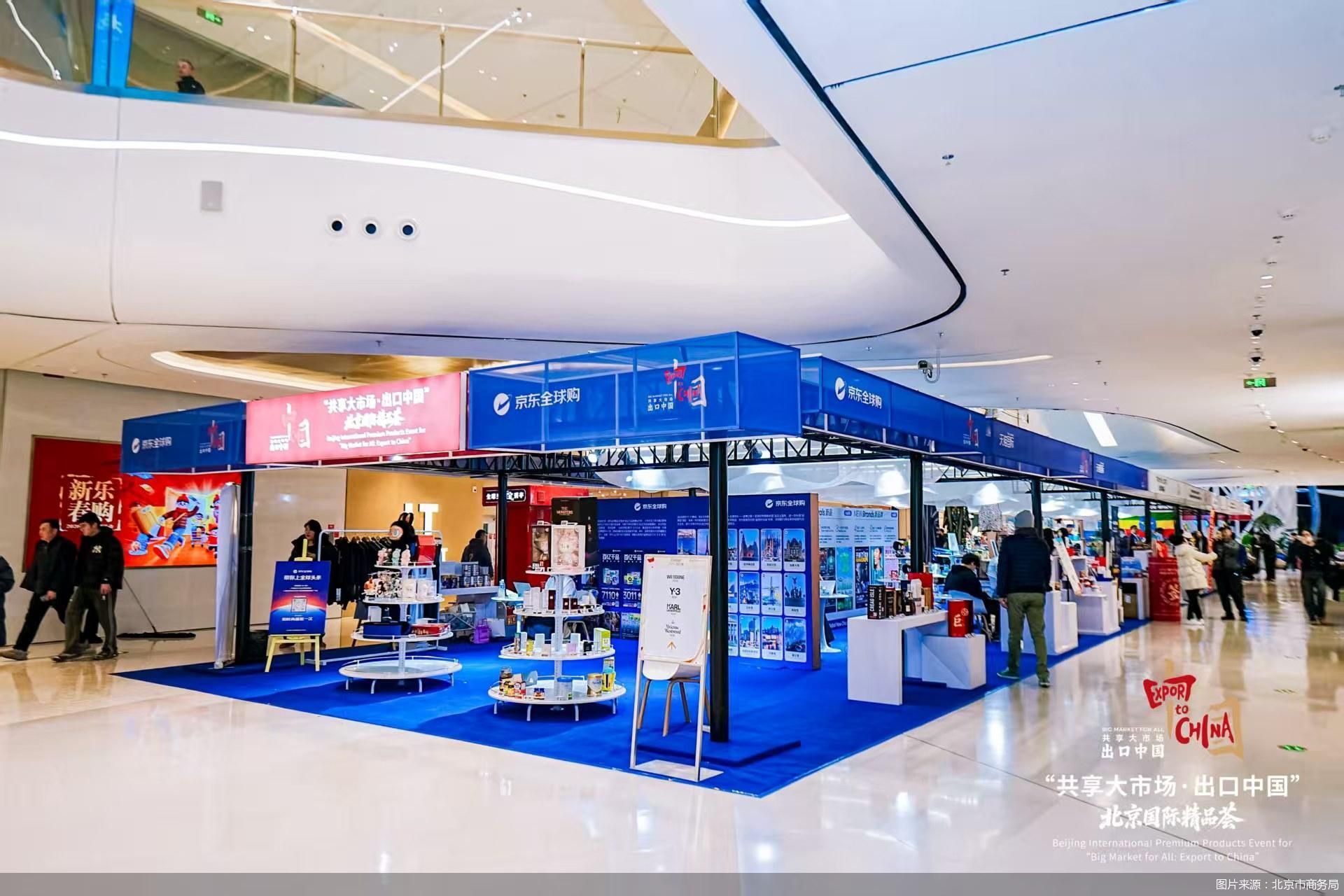
Core Viewpoint - The "Shared Market · Export to China" initiative aims to enhance China's role as a global market, promoting international cooperation and facilitating the entry of quality foreign goods into China [3][4]. Group 1: Event Overview - The "Shared Market · Export to China" event series is a proactive measure by China to expand its openness and foster global cooperation, with over 100 activities planned for 2026 [3]. - The event features participation from multiple countries, including Thailand, Mexico, Brazil, Mali, Georgia, Iran, and Malaysia, showcasing a variety of quality products [2][3]. Group 2: Market Potential - China is the world's second-largest consumer and import market, with Beijing's population of nearly 22 million providing a substantial market base [3][4]. - The projected import value for goods in Beijing is expected to reach 2.56 trillion yuan by 2025, ranking second nationally [4]. Group 3: Import Strategies - China aims to attract more quality imported goods and services through precise supply-demand matching, integrating them into daily consumer life [4][5]. - The country has signed free trade agreements with over 30 countries, reducing the overall tariff level to 7.3% [7]. Group 4: Business Collaboration - COFCO Group emphasizes three cooperation directions: aligning with new consumer trends, building efficient supply chains, and fostering an open cooperation ecosystem [5]. - The event serves as a platform for international trade cooperation, with Germany's investment in China being significant, providing services to over 5,000 German enterprises [11]. Group 5: E-commerce and Logistics - The "Wangfujing Global Purchase" platform facilitates the entry of diverse products into China, enhancing consumer access to international goods [12]. - The platform operates under a model that combines bonded display, offline experience, and online ordering, ensuring rapid delivery to consumers [12].

从金庸小说到Z世代酒桌,江湖情长竹叶青始终在场
Wind万得· 2025-12-28 22:31
Core Viewpoint - The article highlights the rising popularity of Zhuyeqing liquor among Generation Z consumers, emphasizing a shift from traditional social drinking to a focus on self-enjoyment and emotional value in consumption [2][3]. Group 1: Market Trends - Generation Z is becoming the main consumer force, leading to a transformation in drinking culture that prioritizes "self-consumption" and "emotional value" over traditional social obligations [2]. - Zhuyeqing liquor meets the demand for a "low-burden drinking" experience, characterized by its herbal origins and moderate alcohol content, making it appealing to younger consumers [2][3]. Group 2: Product Characteristics - The taste profile of Zhuyeqing liquor combines the richness of grain liquor with herbal freshness, offering a complex and lingering aftertaste that aligns with the high-quality lifestyle aspirations of young consumers [2]. - The liquor's health-oriented attributes and quality are positioned to resonate with the current trends of health-conscious and moderate drinking among younger demographics [3]. Group 3: Brand Strategy - Zhuyeqing liquor is leveraging its historical legacy and scientific advancements to align with the needs of Generation Z, focusing on classic product value while exploring the potential of traditional liquors through quality upgrades [2][3]. - The brand is implementing an independent brand strategy that emphasizes innovation in flavors and product differentiation to break through market homogenization [3]. Group 4: Historical Significance - Zhuyeqing liquor has a rich history dating back 1500 years, with significant contributions from historical figures like Fu Shan and Hua Luogeng, who enhanced its formulation and production methods [5][6]. - The liquor's evolution from a traditional beverage to a modern favorite reflects its adaptability and enduring appeal across different eras, marking it as a significant part of Chinese liquor culture [6].