
中国大市场

Search documents
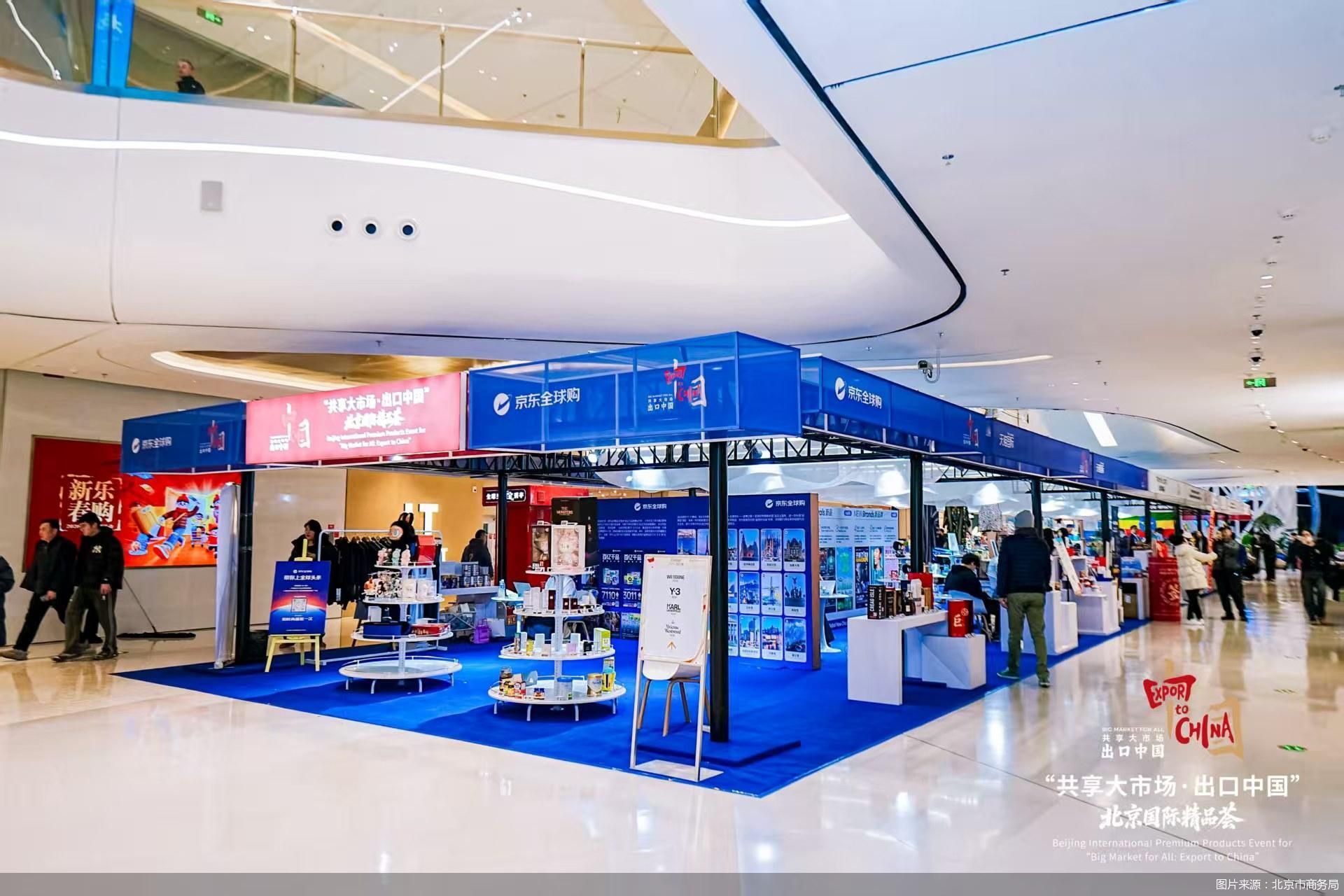
进口好物搭上春节消费快车,北京这场活动诠释了何为“中国大市场全球新机遇”
Bei Jing Shang Bao· 2026-02-04 15:19
Core Viewpoint - The "Shared Market · Export to China" initiative aims to enhance China's role as a global market, promoting international cooperation and facilitating the entry of quality foreign goods into China [3][4]. Group 1: Event Overview - The "Shared Market · Export to China" event series is a proactive measure by China to expand its openness and foster global cooperation, with over 100 activities planned for 2026 [3]. - The event features participation from multiple countries, including Thailand, Mexico, Brazil, Mali, Georgia, Iran, and Malaysia, showcasing a variety of quality products [2][3]. Group 2: Market Potential - China is the world's second-largest consumer and import market, with Beijing's population of nearly 22 million providing a substantial market base [3][4]. - The projected import value for goods in Beijing is expected to reach 2.56 trillion yuan by 2025, ranking second nationally [4]. Group 3: Import Strategies - China aims to attract more quality imported goods and services through precise supply-demand matching, integrating them into daily consumer life [4][5]. - The country has signed free trade agreements with over 30 countries, reducing the overall tariff level to 7.3% [7]. Group 4: Business Collaboration - COFCO Group emphasizes three cooperation directions: aligning with new consumer trends, building efficient supply chains, and fostering an open cooperation ecosystem [5]. - The event serves as a platform for international trade cooperation, with Germany's investment in China being significant, providing services to over 5,000 German enterprises [11]. Group 5: E-commerce and Logistics - The "Wangfujing Global Purchase" platform facilitates the entry of diverse products into China, enhancing consumer access to international goods [12]. - The platform operates under a model that combines bonded display, offline experience, and online ordering, ensuring rapid delivery to consumers [12].


第六篇钟才平,来了
财联社· 2026-01-12 00:14
Core Viewpoint - The article emphasizes the importance of China's continuous opening up to provide new opportunities for the world, highlighting the confidence and responsibility of a major power in promoting high-quality development and international cooperation [3]. Group 1: Market Expansion - China's large market is set to expand, offering new opportunities for global market development, with a projected retail sales total exceeding 50 trillion yuan by 2025 [3]. - The middle-income group in China is expected to surpass 800 million people in the next decade, driving diverse demands for high-quality living [3]. - China imports over 20 trillion yuan annually and is a key export destination for nearly 80 countries, with a cumulative intended transaction amount of over 580 billion USD from the China International Import Expo [3]. Group 2: Industrial Cooperation - China remains the world's largest manufacturing country, providing high-quality and reliable products, thus becoming a critical part of the global supply chain [4]. - The renewable energy sector has seen significant advancements, with the cost of solar power generation decreasing by over 80% in the past decade [4]. - Future efforts will focus on cross-border industrial cooperation in areas like new energy and green minerals, contributing to economic growth and improved livelihoods in partner countries [4]. Group 3: Investment Environment - China is optimizing its investment environment by easing foreign investment market access and aligning with international trade rules [5]. - The country is becoming a global innovation hub, attracting multinational companies to establish R&D centers [5]. - Future plans include expanding market access in the service sector and enhancing the local production capabilities of foreign enterprises [5]. Group 4: Belt and Road Initiative - The Belt and Road Initiative has evolved into a significant international cooperation platform, with over 12,000 freight trains operating and numerous projects in various sectors [6]. - The initiative aims to enhance connectivity and cooperation in areas such as green development and digital economy [6]. - Future strategies will focus on aligning development strategies with partner countries and expanding cooperation in high-quality projects [6].

2025中国做对了什么?
Xin Lang Cai Jing· 2026-01-02 12:18
Core Insights - In 2025, China implemented multiple consumer stimulus policies that effectively promoted the release of consumption potential [1] - The success of films like "Ne Zha 2" entering the global box office top ten indicates a recovery in Chinese consumer spending [1] - The market is witnessing a diverse and higher-quality consumption trend, with young consumers actively engaging in purchasing popular IPs [1] - Foreign tourists are increasingly coming to China to shop, indicating a growing attractiveness of the Chinese market [1] - Looking ahead to 2026, the expanding Chinese market is expected to remain a reliable source of economic growth and contribute significantly to global economic development [1]
数览成绩单·2025中国经济盘点|激发内生动能,大市场活力加速释放
Sou Hu Cai Jing· 2025-12-29 09:03
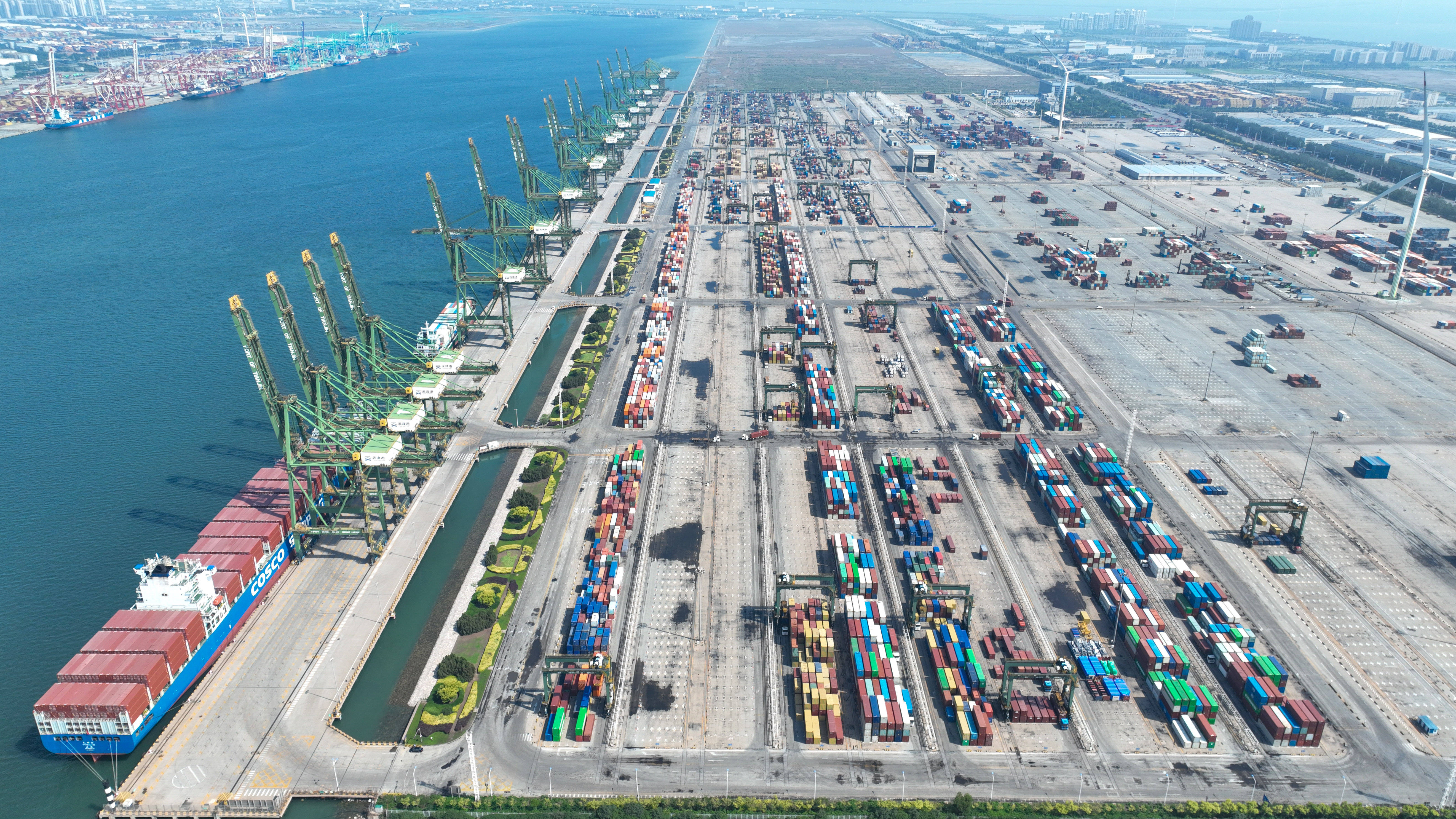
Group 1 - The core viewpoint emphasizes that China will continue to leverage its domestic market advantages to respond to complex external changes, with a focus on enhancing domestic demand and advancing the construction of a unified national market [1][4]. - China's large market, supported by a population of over 1.4 billion and a complete industrial system, is positioned as the world's largest and most potential consumer market, with a per capita GDP exceeding $10,000 [4]. - The contribution rate of final consumption expenditure to economic growth reached 53.5%, an increase of 9 percentage points compared to the previous year [7]. Group 2 - Investment scale continues to expand, with project investment excluding real estate development showing a year-on-year growth of 0.8%, and key sectors maintaining growth [10]. - Policies aimed at boosting consumption, such as the "Two New" policy and measures to expand service consumption, are being implemented to align with new consumer demands and guide industrial innovation [12]. - From January to November, service retail sales grew by 5.4%, with the growth rate accelerating by 0.1 percentage points compared to the previous period [13]. Group 3 - The "14th Five-Year Plan" specifically addresses the need to build a strong domestic market and accelerate the construction of a new development pattern, emphasizing the enhancement of domestic circulation's internal driving force and reliability [14]. - The focus on a robust domestic market and smooth economic circulation is expected to transform China's comparative advantages into competitive advantages, indicating a promising outlook for high-quality economic development [17].
中国大市场向上生长的力量不断积蓄
Sou Hu Cai Jing· 2025-12-11 02:42
Group 1 - China's market resources are a significant advantage, with a population of over 1.4 billion and the world's most complete industrial system, leading to a per capita GDP exceeding $10,000, making it the largest and most potential consumer market globally [1] - In the first three quarters, final consumption expenditure contributed 53.5% to economic growth, an increase of 9 percentage points compared to the previous year [3] - The total retail sales of consumer goods exceeded 40 trillion yuan in the first ten months, with a year-on-year growth of 4.3%, which is 0.8 percentage points higher than both the same period last year and the entire previous year [3] Group 2 - Fixed asset investment reached 40.89 trillion yuan from January to October, with significant growth in key areas such as infrastructure and a 20% increase in investment in the internet and related services [5] - In October, the offline consumption heat index increased by 17.3% year-on-year, and the average transaction price for offline consumption rose by 6% [6] - The number of applications for the vehicle trade-in subsidy exceeded 10 million this year, and during the "Double 11" shopping festival, postal and express companies handled an average of 634 million packages daily, which is 117.8% of the regular business volume [6]

数览中国脉动丨中国大市场向上生长的力量不断积蓄
Xin Hua She· 2025-12-10 11:12
Group 1 - The consumer market in China is showing steady growth, with final consumption expenditure contributing 53.5% to economic growth in the first three quarters, an increase of 9 percentage points compared to the previous year [5] - The total retail sales of social consumer goods exceeded 40 trillion yuan in the first ten months, reflecting a year-on-year growth of 4.3%, which is 0.8 percentage points higher than both the same period last year and the entire previous year [5] - The offline consumption heat index increased by 17.3% year-on-year in October, indicating a robust recovery in consumer spending [8] Group 2 - Fixed asset investment reached 40.89 trillion yuan from January to October, with significant growth in key areas such as infrastructure and internet-related services, which saw a year-on-year increase of 20% [7] - The industrial park production heat index grew by 19.8%, and the wage index reflecting labor demand in industrial enterprises increased by 8.1% [8] - The automotive industry experienced a surge in trade-in subsidy applications, surpassing 10 million, highlighting the active engagement in the market [8] Group 3 - The logistics sector demonstrated remarkable performance during the "Double 11" shopping festival, with postal and express companies handling an average of 634 million packages daily, which is 117.8% of their regular business volume [8] - The railway sector also reported a record high of 3.95 billion passengers transported in the first ten months, showcasing the growing mobility and demand within the economy [8] - China's vast market potential is being activated, contributing to the resilience and growth of the economy amid challenges [10]

视频丨从一片树叶、一杯咖啡到美妆小瓶罐 看小产品如何撬动大市场
Yang Shi Xin Wen Ke Hu Duan· 2025-12-09 05:40
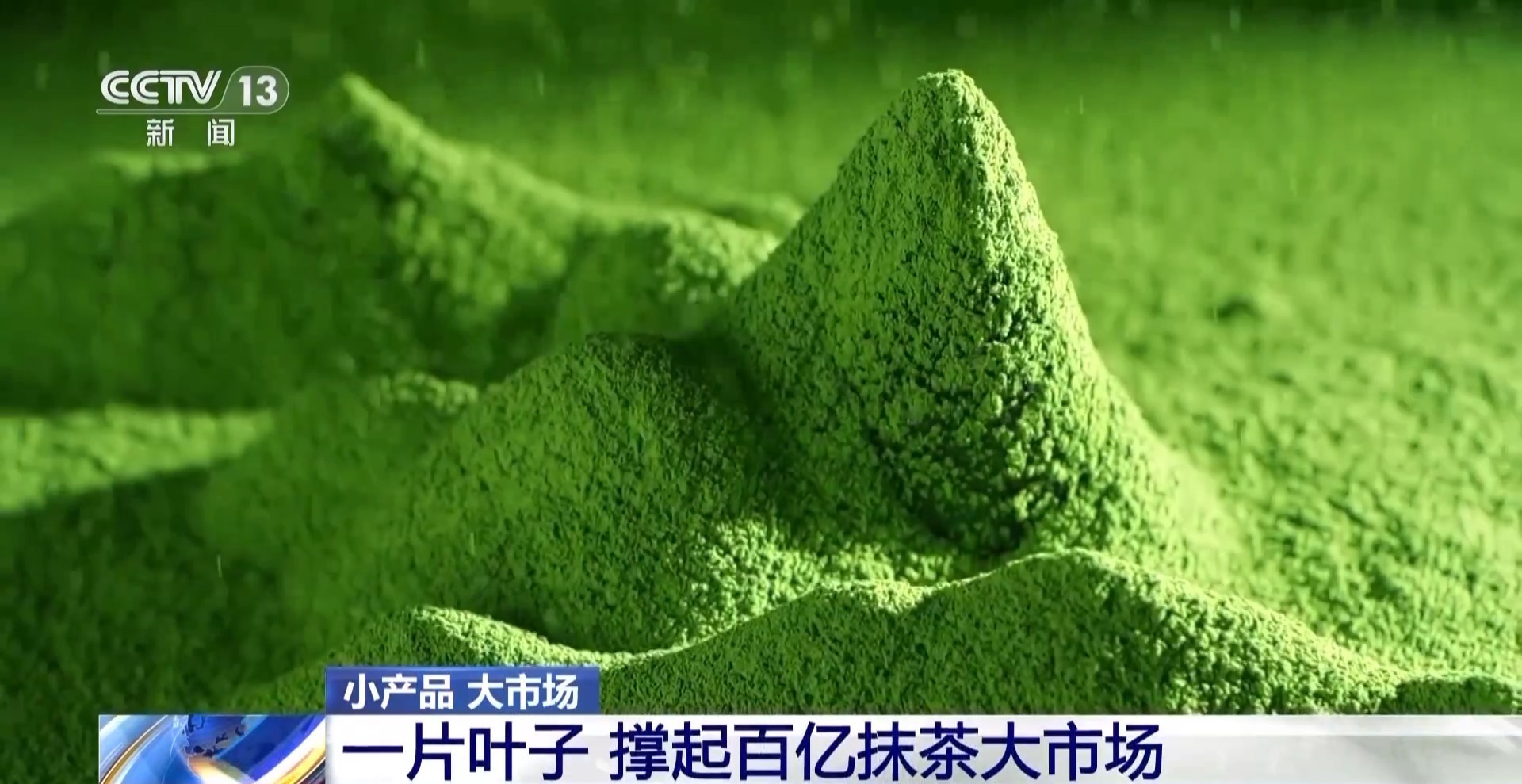
Group 1: Matcha Industry - The matcha market in China has reached a scale of 15 billion, with the country becoming the largest matcha producer globally [1] - In the first half of this year, China's matcha export volume has already surpassed the total for the previous year [1] - The number of new matcha stores in Guiyang has exceeded 80 this year, with over 100 registered dining brands using Guizhou matcha nationwide [9] - The annual growth rate of matcha usage in the new tea beverage sector is expected to reach 60% over the next three to five years [9] - Guizhou's matcha exports have doubled year-on-year in the first nine months, covering over 50 countries, with an expected sales volume of 2,500 tons and a value exceeding 750 million by 2025 [21] Group 2: Coffee Industry - China's per capita annual coffee consumption has reached 22.24 cups, with Shanghai averaging around 50 cups [22] - The number of coffee-related enterprises in China has surpassed 250,000, with a 36.8% increase in newly registered coffee businesses this year [31] - The coffee industry in China is projected to exceed 300 billion by 2024, with an expected growth to 369.3 billion by 2025 [37] - The demand for coffee is evolving, with consumers increasingly seeking innovative and experiential offerings [39] Group 3: Beauty Industry - The beauty industry in Huzhou has developed over 300 patents, focusing on innovative technologies to enhance production efficiency [45] - The total industrial output value of the beauty town reached 7.546 billion in the first three quarters, with exports of 284 million, a year-on-year increase of 34.59% [55] - The retail sales of cosmetics in China reached 381.2 billion in the first ten months of this year, marking a 4.6% year-on-year growth [55]
“小”产品火爆折射经济发展澎湃动能 映照出中国大市场“蓬勃活力+广阔空间”
Yang Shi Wang· 2025-12-08 07:25
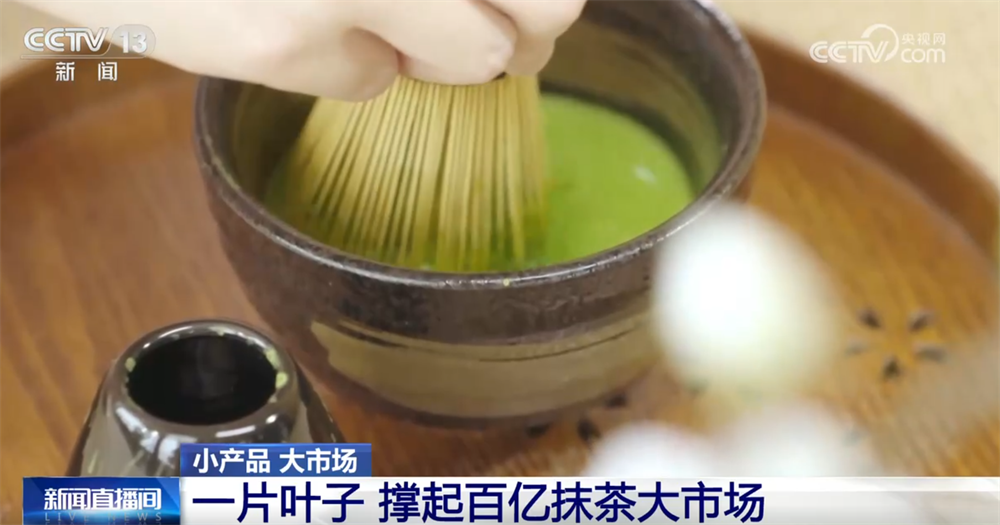
Group 1: Matcha Industry - The matcha market in China has reached a scale of 150 billion, with the country becoming the largest matcha producer globally [1] - In the first half of this year, China's matcha export volume has already surpassed the total for the previous year [1] - Over 80 new matcha stores have opened in Guiyang this year, and more than 100 registered dining brands are using Guizhou matcha nationwide [5] - The annual growth rate of matcha usage in the new tea beverage sector is expected to reach 60% over the next three to five years [5] - Guizhou's Tongren supplies one-quarter of the country's matcha, with four world-class automated production lines operating at high speed [7] - Guizhou has developed over 60 types of matcha products this year and is establishing overseas sales centers in the US, France, and Malaysia [9] - Guizhou's matcha export volume has doubled year-on-year in the first nine months of this year, covering over 50 countries [13] Group 2: Coffee Industry - China's per capita annual coffee consumption has reached 22.24 cups, with Shanghai averaging around 50 cups [14] - The number of coffee-related enterprises in China has exceeded 250,000, with a 36.8% increase in new registrations this year [18] - The coffee industry in China is projected to exceed 300 billion by 2024, with an expected growth to 369.3 billion by 2025 [22] - The coffee market is diversifying with new consumption models such as "coffee + music" and "coffee + agriculture" [20] - The shift in consumer demand reflects a transition from material consumption to service and experience-oriented consumption [24] Group 3: Beauty Industry - The beauty industry in Huzhou, Zhejiang, is rapidly expanding through innovation and has developed over 300 patents [26] - Local beauty enterprises are experiencing sales growth of 30% to 50% this year, driven by strong market feedback on new products [26] - Huzhou's beauty town has formed a complete industrial chain, from raw material supply to production and logistics [28] - The total industrial output value of the beauty town reached 7.546 billion this year, with exports of 284 million, a year-on-year increase of 34.59% [32] - The retail sales of cosmetics in China reached 381.2 billion in the first ten months of this year, marking a 4.6% year-on-year growth [34]
2025中国经济回眸|强化发展支撑 激发内生动能——中国大市场活力澎湃未来可期
Xin Hua Wang· 2025-12-05 15:06
Group 1 - China's economy is leveraging its vast domestic market to navigate external challenges, emphasizing the importance of resource allocation and market advantages [3][19][20] - The country has seen a significant increase in express delivery volume, surpassing 1.8 billion packages, reflecting the vitality of its large-scale market [4][6] - Consumer spending has contributed 53.5% to economic growth in the first three quarters, an increase of 9 percentage points compared to the previous year [7][9] Group 2 - Investment in fixed assets reached 40.89 trillion yuan from January to October, with notable growth in infrastructure and internet-related services [7][9] - The retail sector has shown resilience, with a 4.3% year-on-year increase in total retail sales of consumer goods, surpassing 40 trillion yuan in the first ten months [7][9] - The tourism sector is also thriving, with significant pre-sale figures for winter sports and a growing demand for senior travel services [10][12][13] Group 3 - The government is implementing policies to enhance consumer spending, including a 300 billion yuan special bond for consumption upgrades and a focus on service consumption [7][18] - The market is witnessing a shift towards high-quality supply and diverse consumer demands, with sectors like smart home appliances and digital consumption growing rapidly [16][26] - The potential for growth in the silver economy is substantial, with over 310 million people aged 60 and above, and projections indicating a market size exceeding 30 trillion yuan by 2035 [26]
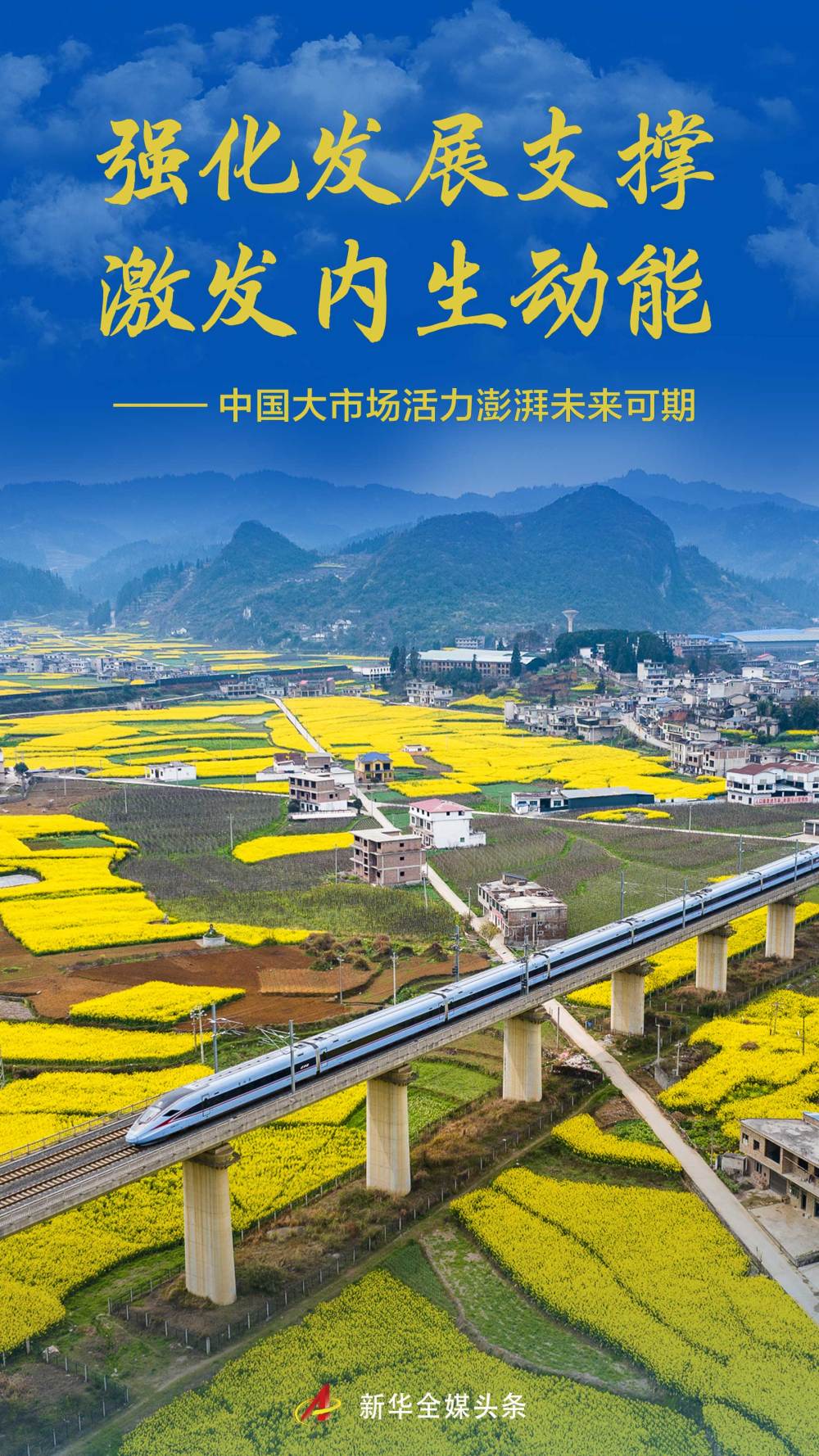
新华全媒头条·2025中国经济回眸|强化发展支撑 激发内生动能——中国大市场活力澎湃未来可期
Xin Hua She· 2025-12-05 13:43
Group 1 - China's economy is leveraging its vast domestic market to navigate external challenges, emphasizing the importance of market resources as a significant advantage [1][3] - The construction of a unified national market is progressing, which is crucial for enhancing economic resilience and exploring new opportunities [1][4] - The express delivery industry in China has reached a new milestone, surpassing 1.8 billion packages by November 30, reflecting the robust vitality of the large-scale market [2] Group 2 - The government has implemented a series of policies to boost consumption and investment, including a 300 billion yuan special bond for consumer goods and an 800 billion yuan project list for infrastructure [4][16] - Consumer spending has shown positive growth, with retail sales exceeding 40 trillion yuan in the first ten months, a 4.3% year-on-year increase [4][12] - Investment in fixed assets reached 40.89 trillion yuan from January to October, with significant growth in infrastructure and internet-related services [4][12] Group 3 - The offline consumption index increased by 17.3% year-on-year in October, indicating a strong recovery in consumer activity [5] - The tourism sector is thriving, with pre-sale amounts for ski resorts exceeding 1 billion yuan, showcasing the demand for winter sports [7][10] - The ice and snow industry is projected to surpass 1 trillion yuan this year, driven by the interaction between supply and demand [8] Group 4 - The market is witnessing a shift towards high-quality supply to meet diverse consumer needs, with significant growth in sectors like smart home appliances and new energy vehicles [10][11] - The manufacturing sector is experiencing a transformation, with the equipment manufacturing and digital industries both showing a 9.5% increase in value added [12] - The government is focusing on enhancing the adaptability of consumer goods supply to stimulate consumption further [14][16] Group 5 - The potential for domestic consumption remains vast, with the aging population and digital consumption trends expected to drive significant market growth [17][19] - Foreign investments are increasing, with companies like AstraZeneca and Porsche expanding their presence in China, indicating confidence in the domestic market [19] - The overall outlook for China's economy is optimistic, with a strong emphasis on high-quality development and the transformation of comparative advantages into competitive strengths [19]