
竹叶青酒

Search documents
山西汾酒跌2.00%,成交额3.96亿元,主力资金净流出6143.00万元
Xin Lang Cai Jing· 2026-02-12 02:56
Core Viewpoint - Shanxi Fenjiu's stock price has experienced a decline, with a 3.17% drop year-to-date and a 15.57% drop over the past 60 days, indicating potential challenges in the market [1]. Financial Performance - For the period from January to September 2025, Shanxi Fenjiu reported a revenue of 32.924 billion yuan, representing a year-on-year growth of 5.00% [2]. - The net profit attributable to shareholders for the same period was 11.405 billion yuan, showing a modest increase of 0.48% year-on-year [2]. Shareholder Information - As of September 30, 2025, the number of shareholders for Shanxi Fenjiu was 80,000, a decrease of 23.37% from the previous period [2]. - The average number of circulating shares per shareholder increased by 30.50% to 15,252 shares [2]. Dividend Distribution - Since its A-share listing, Shanxi Fenjiu has distributed a total of 24.325 billion yuan in dividends, with 16.775 billion yuan distributed over the past three years [3]. Institutional Holdings - As of September 30, 2025, the top circulating shareholder was the China Securities Index White Wine Index A, holding 38.6514 million shares, an increase of 4.5109 million shares from the previous period [3]. - Hong Kong Central Clearing Limited, the fourth-largest shareholder, reduced its holdings by 21.8352 million shares to 27.1639 million shares [3].

山西汾酒股价涨5.03%,华泰柏瑞基金旗下1只基金位居十大流通股东,持有830.23万股浮盈赚取6733.17万元
Xin Lang Cai Jing· 2026-01-29 06:01
Group 1 - Shanxi Fenjiu's stock price increased by 5.03%, reaching 169.40 CNY per share, with a trading volume of 1.937 billion CNY and a turnover rate of 0.96%, resulting in a total market capitalization of 206.662 billion CNY [1] - Shanxi Fenjiu, established on December 25, 1985, and listed on January 6, 1994, primarily engages in the production and sales of Fenjiu, Zhuyeqing liquor, and related products, with 99.63% of its revenue coming from liquor sales [1] Group 2 - Huatai-PineBridge Fund's Huatai-PineBridge CSI 300 ETF (510300) is among the top ten circulating shareholders of Shanxi Fenjiu, having reduced its holdings by 358,500 shares to 8.3023 million shares, representing 0.68% of circulating shares, with an estimated floating profit of approximately 67.3317 million CNY [2] - The Huatai-PineBridge CSI 300 ETF was established on May 4, 2012, with a current scale of 422.258 billion CNY, yielding 1.99% year-to-date and 26.78% over the past year, ranking 4476 out of 5551 and 2889 out of 4285 respectively [2] - The fund manager, Liu Jun, has a tenure of 16 years and 244 days, managing total assets of 550.928 billion CNY, with the best fund return during his tenure being 193.73% and the worst being -45.64% [2]
山西汾酒涨2.10%,成交额4.00亿元,主力资金净流入1510.05万元
Xin Lang Cai Jing· 2026-01-29 02:13
Core Viewpoint - Shanxi Fenjiu's stock price has shown a decline of 4.09% year-to-date, with significant drops over various trading periods, indicating potential challenges in market performance [1]. Financial Performance - For the period from January to September 2025, Shanxi Fenjiu reported a revenue of 32.924 billion yuan, reflecting a year-on-year growth of 5.00% [2]. - The net profit attributable to shareholders for the same period was 11.405 billion yuan, showing a modest increase of 0.48% year-on-year [2]. Shareholder Information - As of September 30, 2025, the number of shareholders for Shanxi Fenjiu was 80,000, a decrease of 23.37% from the previous period [2]. - The average number of circulating shares per shareholder increased by 30.50% to 15,252 shares [2]. Dividend Distribution - Since its A-share listing, Shanxi Fenjiu has distributed a total of 24.325 billion yuan in dividends, with 16.775 billion yuan distributed over the last three years [3]. Institutional Holdings - As of September 30, 2025, the top ten circulating shareholders included notable entities such as the China Securities White Wine Index A, which increased its holdings by 4.5109 million shares [3]. - Hong Kong Central Clearing Limited reduced its holdings by 2.18352 million shares, while the E Fund Blue Chip Selected Mixed Fund also saw a decrease of 1.0039 million shares [3].
酒行业周度市场观察-20260125
Ai Rui Zi Xun· 2026-01-25 03:02
Investment Rating - The report does not explicitly provide an investment rating for the industry Core Insights - The Australian wine market is reshaping the Chinese imported wine market after a year and a half of absence, with a significant initial increase in imports followed by a decline in sales due to inventory issues and economic pressures [2] - The low-alcohol beverage category is rapidly growing, appealing to younger consumers, but faces challenges such as brand homogenization and declining repurchase rates [2] - The white liquor industry is experiencing a shift in market dynamics, with top brands competing fiercely and some companies facing their first quarterly negative growth in nearly a decade [4] - New beverage products are emerging, with brands like Xiaojin Wine and Guoli Fang successfully capturing market share through innovative approaches [5] - The industry is expected to return to rationality in 2026, focusing on consumer needs and product quality, while smaller companies may face elimination [6] Industry Environment - The Australian wine market is seeing a resurgence in China due to the removal of anti-dumping taxes, but initial sales have not met expectations, leading to inventory issues and price reductions [2] - The low-alcohol market is projected to grow from 20 billion yuan in 2020 to 57 billion yuan by 2024, but faces challenges in brand differentiation and consumer loyalty [2] - The white liquor market is undergoing structural changes, with companies like Shanxi Fenjiu surpassing others in revenue, indicating a competitive landscape [4] - The introduction of innovative products is crucial for the industry's transformation, with a focus on low-alcohol and health-oriented offerings [5] - The industry is moving towards a more rational approach, emphasizing product quality and consumer experience, as it transitions from a bubble phase to a healthier growth period [6] Top Brand Dynamics - Guizhou Zhenjiu is upgrading its "Dazhen" product to enhance quality and market positioning, aiming to compete with top brands like Moutai [8] - Wuliangchun is celebrating its 30th anniversary with a marketing campaign that deepens emotional connections with consumers [9] - Xifengjiu is focusing on quality and cultural empowerment to drive its revival in the competitive white liquor market [10] - Moutai is launching a new product structure to meet diverse consumer needs and stabilize its market presence [14] - Niulanshan is evolving its product strategy to maintain its position in the mass market while enhancing emotional connections with consumers [18]




山西汾酒跌2.01%,成交额10.99亿元,主力资金净流出7979.57万元
Xin Lang Cai Jing· 2026-01-19 06:23
Core Viewpoint - Shanxi Fenjiu's stock price has experienced a decline, with a notable drop of 2.01% on January 19, 2025, reflecting ongoing market challenges and investor sentiment [1]. Financial Performance - For the period from January to September 2025, Shanxi Fenjiu reported a revenue of 32.92 billion yuan, marking a year-on-year growth of 5.00% [2]. - The net profit attributable to shareholders for the same period was 11.41 billion yuan, showing a modest increase of 0.48% year-on-year [2]. Shareholder and Market Activity - As of September 30, 2025, the number of shareholders for Shanxi Fenjiu decreased by 23.37% to 80,000, while the average number of circulating shares per person increased by 30.50% to 15,252 shares [2]. - The stock's trading activity on January 19, 2025, showed a net outflow of 79.80 million yuan in principal funds, with significant selling pressure observed [1]. Dividend Distribution - Since its A-share listing, Shanxi Fenjiu has distributed a total of 24.33 billion yuan in dividends, with 16.78 billion yuan distributed over the past three years [3]. Institutional Holdings - As of September 30, 2025, the top ten circulating shareholders included notable entities such as the China Securities White Wine Index A and Hong Kong Central Clearing Limited, with varying changes in their holdings [3].
从金庸小说到Z世代酒桌,江湖情长竹叶青始终在场
Wind万得· 2025-12-28 22:31
Core Viewpoint - The article highlights the rising popularity of Zhuyeqing liquor among Generation Z consumers, emphasizing a shift from traditional social drinking to a focus on self-enjoyment and emotional value in consumption [2][3]. Group 1: Market Trends - Generation Z is becoming the main consumer force, leading to a transformation in drinking culture that prioritizes "self-consumption" and "emotional value" over traditional social obligations [2]. - Zhuyeqing liquor meets the demand for a "low-burden drinking" experience, characterized by its herbal origins and moderate alcohol content, making it appealing to younger consumers [2][3]. Group 2: Product Characteristics - The taste profile of Zhuyeqing liquor combines the richness of grain liquor with herbal freshness, offering a complex and lingering aftertaste that aligns with the high-quality lifestyle aspirations of young consumers [2]. - The liquor's health-oriented attributes and quality are positioned to resonate with the current trends of health-conscious and moderate drinking among younger demographics [3]. Group 3: Brand Strategy - Zhuyeqing liquor is leveraging its historical legacy and scientific advancements to align with the needs of Generation Z, focusing on classic product value while exploring the potential of traditional liquors through quality upgrades [2][3]. - The brand is implementing an independent brand strategy that emphasizes innovation in flavors and product differentiation to break through market homogenization [3]. Group 4: Historical Significance - Zhuyeqing liquor has a rich history dating back 1500 years, with significant contributions from historical figures like Fu Shan and Hua Luogeng, who enhanced its formulation and production methods [5][6]. - The liquor's evolution from a traditional beverage to a modern favorite reflects its adaptability and enduring appeal across different eras, marking it as a significant part of Chinese liquor culture [6].


千年汾酒的“青春配方”:以品质为基,以创新为径,破圈年轻消费市场
Sou Hu Cai Jing· 2025-12-19 11:07
Core Viewpoint - The transformation of Fenjiu is a systematic "youthful" change that emphasizes quality, product innovation, and sustainable development, aiming to resonate with the Z generation's pursuit of individuality, health, and experience [2] Group 1: Historical and Cultural Significance - Fenjiu, with a 6000-year brewing history, is positioned as the "source of national liquor" and is undergoing a profound transformation to engage younger consumers [2] - The traditional brewing process of Fenjiu, characterized by "pure and clear" qualities, is now integrated into a modern food safety control system that ensures transparency from production to consumption [3] Group 2: Product Innovation - Fenjiu is focusing on product innovation by simplifying and refining its offerings, such as discontinuing the high-end "Qinghua 20" and lowering the price of "Qinghua 30" to cater to rational consumers [4] - The company is developing new product lines that align with younger consumers' preferences for lighter, more palatable drinks, including a new series that emphasizes fruit, floral, and herbal flavors [4][5] - The introduction of the "Fenxiang Youth" 28-degree product line aims to break traditional packaging norms, offering stylish small bottles and convenient "pocket liquor" options [4][5] Group 3: Consumer Engagement and Communication - Fenjiu is redefining consumption scenarios by expanding its product use from traditional gifting to casual gatherings and outdoor activities, enhancing the overall drinking experience [5] - The use of QR codes on bottles allows consumers to trace the product's origins and production process, creating an interactive experience that appeals to the Z generation's desire for authenticity [5] - The launch of the "Qinghua Fenjiu 25·Huashenling" integrates traditional culture with modern aesthetics, showcasing the brand's innovative approach [5] Group 4: Strategic Framework and Emotional Connection - The youthful transformation of Fenjiu is a comprehensive strategy that encompasses product, culture, channels, and communication, aiming for value co-creation and emotional resonance with younger consumers [6] - The brand encourages young consumers to transition from mere buyers to active participants and co-creators through community engagement and feedback mechanisms [6] - Fenjiu's rich historical culture is being transformed into relatable stories and experiences, connecting with contemporary trends and lifestyles [6][7] Group 5: Balancing Tradition and Innovation - Fenjiu emphasizes that being a time-honored brand involves not resting on past laurels but innovating while respecting tradition, ensuring that its legacy remains relevant to modern consumers [7] - The company aims to bridge the gap between traditional craftsmanship and contemporary life, fostering a lasting connection with each generation of consumers [7]
“酒魂” 山西汾酒以活态文化复兴千年酒企
Shang Hai Zheng Quan Bao· 2025-12-15 19:19
Core Viewpoint - Shanxi Fenjiu has a rich history and has evolved into a modern enterprise with significant revenue and profit, showcasing its cultural heritage and innovative strategies to appeal to contemporary consumers [5][11]. Historical Significance - Fenjiu occupies a unique historical position in Chinese liquor development, with a brewing history that dates back 6000 years, making it a "living fossil" of Chinese liquor history [7]. - The discovery of ancient brewing vessels in the region has established its long-standing tradition of liquor production [7]. - Fenjiu has been referenced in historical texts and celebrated by poets throughout Chinese history, further solidifying its cultural significance [7]. Traditional Brewing Techniques - The traditional brewing process emphasizes purity and cleanliness, involving meticulous steps such as double steaming and underground fermentation [8]. - The craftsmanship has been recognized as a national intangible cultural heritage since 2006, contributing to the unique flavor profile of Fenjiu [8]. Cultural and Economic Development - The construction of "China Fenjiu City," a large-scale production and cultural complex, supports both production and tourism, attracting over 500,000 visitors annually [9][10]. - The company has embraced a "living culture" strategy to engage younger consumers, integrating traditional values with modern marketing techniques [10]. Financial Performance - In 2024, Shanxi Fenjiu reported revenues of 360.11 billion yuan, a year-on-year increase of 12.79%, and a net profit of 122.43 billion yuan, up 17.29% [11]. - The company aims to achieve a balanced growth strategy with a focus on high-end products, increasing their market share significantly [11]. Market Expansion - Fenjiu has transitioned from a regional brand to a national liquor giant, with 62.37% of its sales coming from outside Shanxi in 2024 [12]. - The company plans to solidify its position in the top tier of the liquor industry by the end of the 14th Five-Year Plan, aiming for a significant market presence [12].

白酒行业交出“十年低谷”成绩单,但新的风口来了
Bei Jing Ri Bao Ke Hu Duan· 2025-12-13 09:06
Core Insights - The Chinese liquor industry is experiencing a significant decline, with a reported production drop of 11.5% year-on-year for the first ten months of 2025, marking the lowest performance in a decade for many companies [1][2] - The consumer demographic for liquor is shifting, with younger generations (post-85 and post-90) becoming the primary consumers, leading to changes in consumption preferences towards lower alcohol content and more casual drinking experiences [2][4] Industry Trends - The white liquor market is seeing a transformation as companies recognize the need to appeal to younger consumers, who prefer lighter drinking options and are more health-conscious [2][6] - Major liquor companies like Wuliangye and Moutai are adopting strategies focused on "youthfulness" in product offerings, including lower alcohol content and modern branding [3][5] Consumer Preferences - A significant portion of consumers under 35 find traditional liquor to be "spicy and stimulating," with 62% expressing a preference for lower alcohol beverages [4][6] - The market for low-alcohol beverages is projected to exceed 74 billion yuan by 2025, with a compound annual growth rate of 25% [5] Product Innovations - Companies are launching new products aimed at younger consumers, such as flavored low-alcohol drinks and innovative blends that combine liquor with fruit juices and other mixers [5][6] - The trend towards "light drinking" is being embraced by major brands, which are introducing products that align with the preferences of younger consumers [5][6]
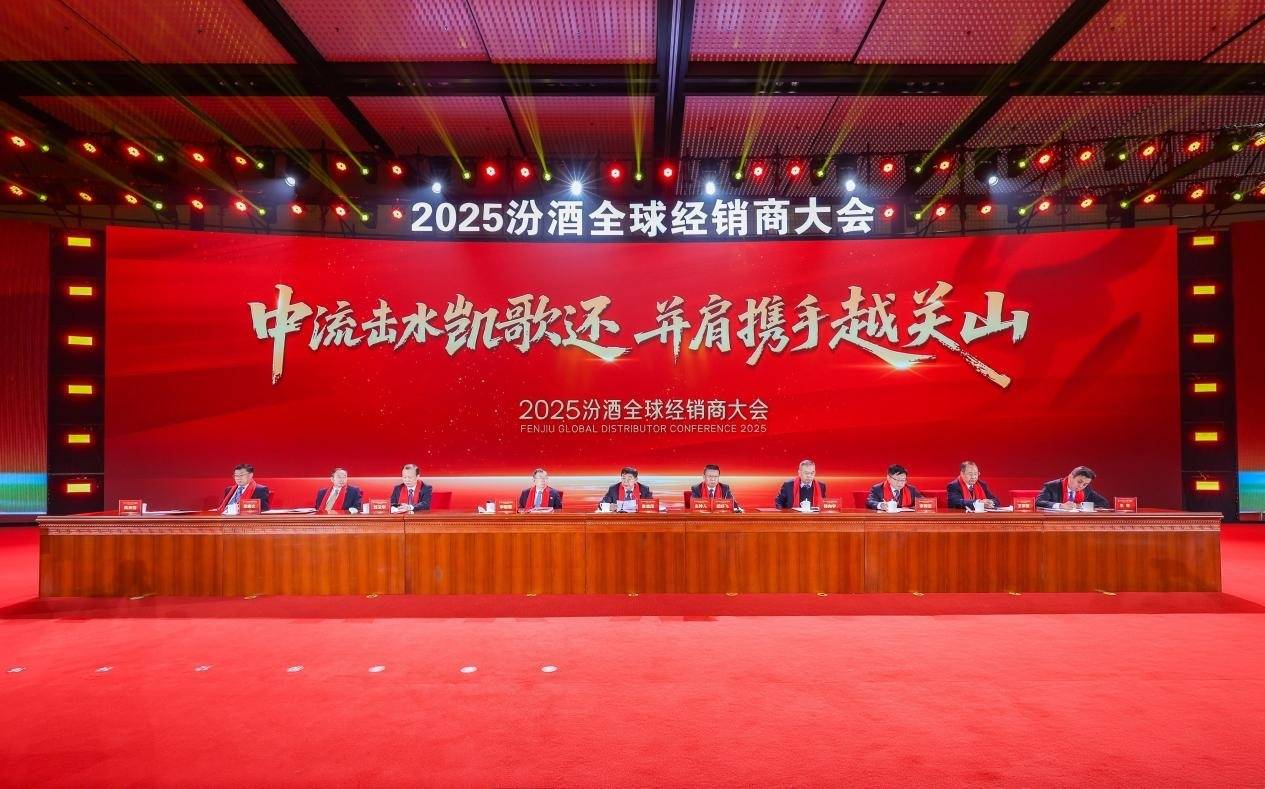
“聚势拓新境竹梦共潮生”2025竹叶青酒全国经销商大会在太原举行
Zhong Zheng Wang· 2025-12-05 08:04
Core Insights - The 2025 Bamboo Leaf Green Wine National Dealer Conference was held in Taiyuan, China, focusing on the future development of the Bamboo Leaf Green brand and its strategic vision for 2026 [1][4] - The conference emphasized the importance of collaboration among dealers, industry experts, and company leadership to enhance the brand's market presence and adapt to consumer trends [2][3] Group 1: Strategic Vision and Development - The chairman of Shanxi Xinghuacun Bamboo Leaf Green Industry Co., Ltd. presented a report outlining the strategic blueprint for 2026, focusing on practical actions and a dual-driven product strategy [2] - The company aims to leverage its core competitive advantages, including strong quality foundations, deep formula heritage, exquisite brewing techniques, and high brand recognition [3] - The conference highlighted the need to adapt marketing strategies to the emerging consumer demographics, particularly Generation Z and new middle-class consumers [3] Group 2: Industry Trends and Insights - Industry experts provided insights on the development trends of the liquor category, emphasizing health consumption and brand culture marketing as key factors for high-quality growth [2] - The Bamboo Leaf Green brand is positioned as a leader in the emerging low-alcohol, health-oriented beverage market, aiming to capture the attention of younger consumers [2][4] - The conference concluded with a collective commitment to high-quality development and a clear strategic roadmap for the future of Bamboo Leaf Green wine [4]