玲龙一号ACP100

Search documents
世界核能协会:《2026世界核能展望报告》
欧米伽未来研究所2025· 2026-02-01 16:59
Core Insights - The report from the World Nuclear Association (WNA) projects that global nuclear power capacity could reach 1446 GWe by 2050, significantly exceeding the COP28 target of approximately 1200 GWe, indicating a resurgence of nuclear energy in global climate strategies [5][6] - However, there exists a substantial gap between ambition and execution, with 542 GWe of the projected capacity relying solely on government targets without concrete project plans, highlighting a critical execution gap [5][6] Group 1: Ambition and Gaps - The report emphasizes that the projected 1446 GWe capacity includes a concerning 542 GWe from government targets that lack specific project planning, indicating over one-third of future growth is not backed by tangible projects [5][6] - In the U.S., ambitious goals of adding 200 GWe by 2050 face significant challenges due to a lack of ongoing projects and a disconnect between policy signals and market investment decisions [6] - In contrast, Asia, particularly China, India, and Russia, is expected to drive nuclear growth, with these countries projected to account for nearly 70% (approximately 980 GWe) of global capacity by 2050 [6][7] Group 2: Industrial Capacity Challenges - The report warns that to meet the 2050 targets, global nuclear construction must increase dramatically, requiring an annual capacity increase from 14.4 GWe (2026-2030) to 65.3 GWe (2046-2050), necessitating a fourfold increase in current construction capabilities [9] - Achieving this construction rate would require building approximately 40 to 50 large nuclear reactors annually, a pace not seen since the peak of the 1980s [9] - The report highlights the need for a comprehensive mobilization of the global nuclear supply chain, addressing shortages in skilled labor, engineering management, and regulatory efficiency [9][10] Group 3: Strategic Value of Existing Assets - Existing nuclear power plants are deemed valuable strategic assets, with the potential for long-term operation (LTO) extending their lifespan from 40 to 60 or even 80 years, contributing significantly to future capacity [11][12] - If existing reactors can be extended to 60 years, they could provide 189 GWe by 2050, and extending to 80 years could increase this to 213 GWe, making them a cost-effective source of low-carbon power [12] - The report criticizes policies that prematurely retire nuclear plants for non-technical reasons, viewing them as detrimental to climate goals and energy transition [12][13] Group 4: Financing and Policy Challenges - Financing remains a critical barrier to nuclear energy revival, with projects requiring significant upfront capital and facing challenges in securing funding in a high-interest environment [14][15] - The report notes a shift in financial sentiment, with major financial institutions beginning to express support for nuclear projects, indicating a growing recognition of nuclear energy's role in meeting future energy demands [15] - It calls for governments to reform electricity markets to acknowledge nuclear energy's system value, which includes its stability and energy security attributes, rather than solely focusing on kilowatt-hour pricing [15]

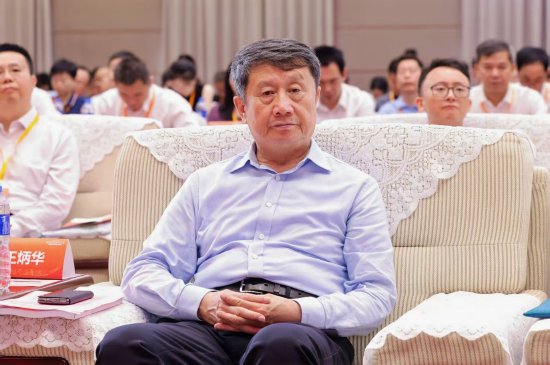
对话国家电投原董事长王炳华:困扰三代核电站的重大问题是电价
新浪财经· 2025-09-12 08:51
Core Viewpoint - The article discusses the significant advancements and current status of China's nuclear energy industry, highlighting the transition from second-generation to third-generation nuclear technology and the achievements in safety, efficiency, and environmental impact [5][7][12]. Group 1: Development and Achievements - The Chinese nuclear industry has evolved significantly since the Fukushima incident, entering a new phase of "active, safe, and orderly development" with 26 nuclear units under construction since 2021 [7]. - As of August this year, China operates 58 nuclear units with a total capacity of 61.01 million kW, and 31 units are under construction with a capacity of 37.25 million kW, making it the world's leader in nuclear power capacity [7]. - China's nuclear power plants have maintained a strong safety record, with over 600 years of safe operation and no incidents rated INES level 2 or above [8]. Group 2: Technological Advancements - The "Hualong One" technology, which is China's third-generation nuclear technology, is undergoing upgrades to enhance safety systems and reduce construction costs [10]. - The lifecycle carbon footprint of nuclear energy is significantly lower than that of hydropower, wind, and solar energy, with a carbon footprint factor of only 6.5gCO₂/kWh [12]. Group 3: Economic Impact - The construction of a nuclear power plant typically requires an investment of 10 to 20 billion yuan upfront, with total cash flow over 100 years potentially reaching 600 billion yuan [21]. - Nuclear energy is also being diversified into heating and industrial applications, with significant reductions in coal consumption and carbon emissions reported from existing projects [22][23]. Group 4: Future Prospects - Small Modular Reactors (SMRs) are being developed by multiple organizations, with various designs and applications, including data center power supply and industrial heating [16][17]. - The nuclear technology sector is expected to grow rapidly, with the domestic nuclear technology application industry projected to reach an output value of approximately 890 billion yuan by 2024, growing at a compound annual growth rate of 15.6% [25]. Group 5: Nuclear Fusion - The development of nuclear fusion is progressing well, with expectations that artificial intelligence will significantly shorten the timeline for commercial application [27][28].



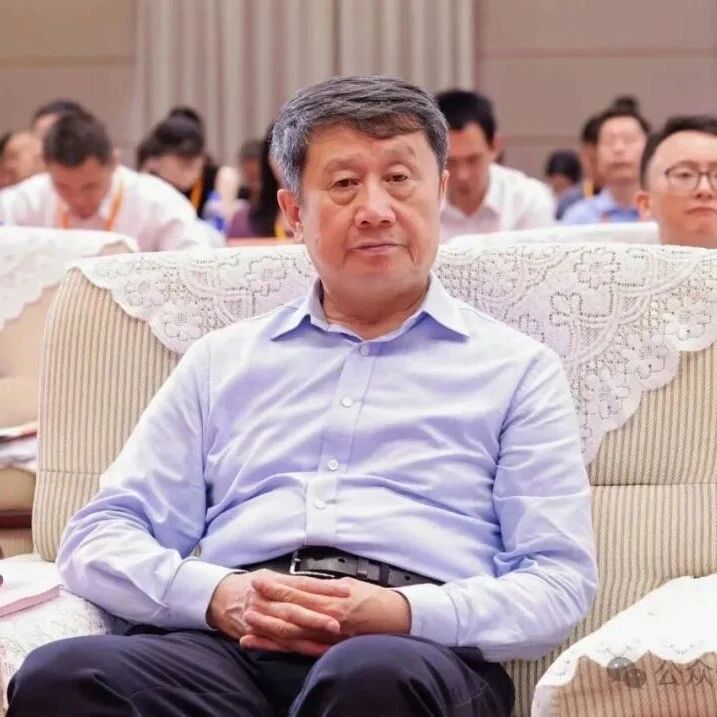
对话国家电投原董事长王炳华:困扰三代核电站的重大问题是电价 | 财之道
Xin Lang Ke Ji· 2025-09-12 00:43
Core Viewpoint - The development of China's nuclear power industry has made significant strides, transitioning from second-generation to third-generation technology, and is now positioned to lead globally in nuclear energy [2][3][10]. Group 1: Historical Context and Current Status - The year 2023 marks the 70th anniversary of China's nuclear industry, highlighting the evolution from importing technology to developing indigenous capabilities [2]. - Following the Fukushima incident, China initiated comprehensive safety checks and has since entered a new phase of "active, safe, and orderly development" in nuclear power [3]. - As of August 2023, China operates 58 nuclear reactors with a total capacity of 61.01 million kW, and has 31 reactors under construction with a capacity of 37.25 million kW [3][4]. Group 2: Safety and Performance - China's nuclear power plants have maintained an excellent safety record, with over 600 years of safe operation and no incidents rated INES 2 or above [3][4]. - Among the 54 reactors meeting WANO's performance criteria, 38 achieved a perfect score of 100, representing 43.18% of the world's total perfect-rated reactors [4]. Group 3: Technological Advancements - The "Hualong One" reactor, which has complete independent intellectual property rights, is undergoing upgrades to enhance safety systems and reduce construction costs [5]. - Small Modular Reactors (SMRs) are being developed by multiple organizations, with 12 different technologies in various stages of progress [8][9]. Group 4: Environmental Impact - In 2024, nuclear energy is projected to generate 444.7 billion kWh, accounting for 4.72% of total energy production, effectively reducing CO2 emissions by 334 million tons [6]. - The lifecycle carbon footprint of nuclear energy is the lowest among major energy sources, with a carbon footprint factor of only 6.5 gCO₂/kWh [6]. Group 5: Economic Value and Applications - The construction of a nuclear power plant can generate significant economic value, with a projected cash flow of approximately 600 billion yuan over its operational lifespan [11]. - Nuclear energy is diversifying into heating, industrial steam supply, and seawater desalination, with successful projects already in operation [12][13]. Group 6: Future Prospects - The nuclear technology sector is expected to grow rapidly, with the domestic isotope supply industry projected to reach an output value of 890 billion yuan by 2024, growing at a compound annual growth rate of 15.6% [14]. - The development of nuclear fusion is seen as a promising future energy source, with ongoing research and investment from both government and private sectors [15][16].