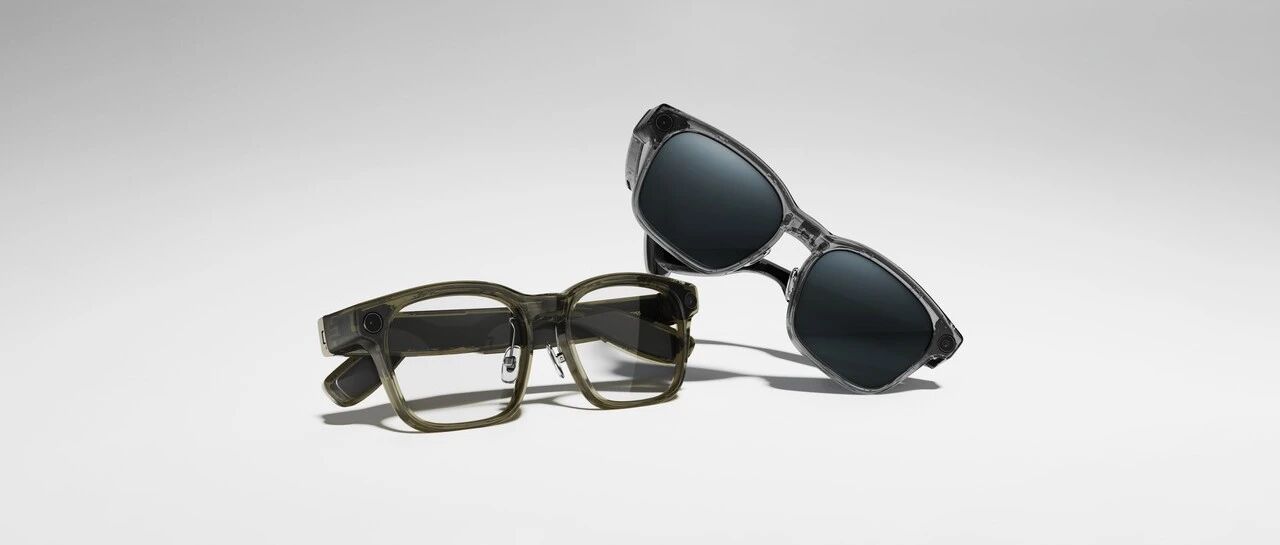
理想Livis AI眼镜

Search documents
理想Livis入局!车企跨界AI眼镜,能否避开同质化陷阱?
Guo Ji Jin Rong Bao· 2025-12-04 14:26
Core Insights - The launch of the AI glasses "Livis" by Li Auto marks the company's entry into the competitive smart glasses market, with a starting price of 1999 yuan and a promotional price of 1699 yuan until December 31 [2][4] - Livis is designed as a wearable device that integrates AI capabilities, aiming to enhance user interaction with both the glasses and Li Auto's vehicles [5][6] Product Features - Livis features a 1200-megapixel ultra-wide-angle camera, weighs 36 grams, and has a battery life of 18.8 hours, with wireless charging capabilities [2] - The glasses come equipped with Zeiss lenses and offer various customization options, including photochromic and sunglasses versions [2] AI Integration - The glasses are powered by Li Auto's self-developed MindGPT-4o multimodal model, enabling voice interaction, visual Q&A, and memory Q&A functionalities [2][6] - Li Auto positions Livis as a key component of its "human-vehicle-home" intelligent ecosystem, extending the smart experience beyond the vehicle [6] Competitive Landscape - The smart glasses market is highly competitive, with established players like Rokid, Xiaomi, and Baidu already present, making it challenging for Li Auto to gain market share [6][7] - Li Auto's strategy includes leveraging vehicle integration as a unique selling point, allowing users to access vehicle information and control functions through the glasses [6][8] Market Challenges - Concerns about the safety of using smart glasses while driving have been raised, as they may distract drivers similarly to mobile phone usage [7][8] - The potential user base for Livis is limited compared to internet giants with extensive ecosystems, raising questions about the glasses' market penetration among Li Auto's approximately 1 million vehicle owners [8]


黑芝麻智能AI影像解决方案赋能理想汽车AI眼镜
Zheng Quan Ri Bao· 2025-12-04 12:43
Core Insights - The launch of Livis, the first AI glasses by Li Auto, marks a significant crossover from the smart automotive sector to the smart wearable device market [1][2] - The AI imaging solution for Livis is developed through a deep collaboration with Hezhima Intelligent, showcasing the potential of AI imaging technology in the wearable sector [1] Company Developments - Li Auto's Livis features a comprehensive AI imaging solution that includes various imaging algorithms, covering high-frequency user scenarios such as night scenes and portraits [1] - Hezhima Intelligent has extensive experience in AI imaging, having collaborated with major companies like Samsung and Lenovo, and has equipped over 500 million devices with its technology [1] Industry Impact - The successful release of Livis signifies a breakthrough for Li Auto in diversifying its product offerings beyond smart vehicles [2] - Hezhima Intelligent's provision of core AI imaging solutions for Livis represents a significant industry milestone, demonstrating the successful integration of technology across different sectors [2]

抖音李亮:豆包手机助手不存在「入侵」「越权」等行为;理想发布首款AI眼镜:1999元起,能远程控车、听歌;安克创新冲击港股IPO
雷峰网· 2025-12-04 00:41
Key Points - Douyin Group's VP Li Liang clarified that Doubao mobile assistant operates with user authorization, denying any unauthorized access claims [5][6] - Anker Innovation is pursuing an IPO in Hong Kong, reporting a revenue of over 21 billion yuan in the first three quarters of this year, a year-on-year increase of 27.79% [9] - Ideal Auto launched its first AI glasses, priced from 1999 yuan, featuring remote vehicle control and a standby time of 78 hours [14][15] - Meta has hired Alan Dye from Apple to enhance its AI hardware strategy, indicating a significant shift in its product design approach [38][39] - TikTok plans to invest over 37.7 billion USD in Brazil to establish its first large data center in the region, highlighting its commitment to the Latin American market [43][44] - Momenta, a leading autonomous driving solution provider, denied rumors of an IPO application in Hong Kong, emphasizing its growth in vehicle installations [23] - Philips' OEM partner, Derma, is undergoing significant restructuring, including the dissolution of its Suzhou team due to declining performance [27] - Ford's CEO Jim Farley emphasized the importance of the Chinese market, acknowledging the competitive threat posed by local manufacturers [32][33]

对话理想范皓宇、陈伟:1699元的AI眼镜,要成为理想汽车的最强辅件
雷峰网· 2025-12-03 13:05
Core Viewpoint - The company emphasizes that AI is a goal and purpose, not merely a tool for market value management, focusing on product quality instead [1][17]. Group 1: Product Launch and Market Context - On December 3, the company launched its first-generation AI glasses, Livis, priced at 1999 yuan, with a post-subsidy price starting at 1699 yuan, marking its entry into the wearable smart device market [2]. - The global smart glasses market is projected to see a 110% year-on-year increase in shipments in the first half of 2025, with AI glasses dominating, particularly in China, which is expected to grow by 107% [2][12]. - The AI glasses market faces significant consumer pain points, particularly in balancing battery life, weight, and performance [2]. Group 2: Technical Specifications and Features - Livis boasts an average battery life of 18.8 hours and a standby time of 78 hours, significantly outperforming the average of 8 hours for AI glasses, achieved through a 240mAh graphene battery and a proprietary power management system [3][5]. - The glasses weigh 36 grams, lighter than competitors, due to the use of TR90 material and titanium alloy components [5]. - Livis features voice control for vehicle functions, with an end-to-end response time of 800 milliseconds, significantly faster than using a smartphone [5]. - The glasses run on a self-developed RTOS, ensuring speed and efficiency, and support features like real-time audio recording and 1080P video capture [5][6]. Group 3: Target Audience and Future Plans - The initial target audience for Livis includes approximately 1.5 million existing car owners and tech enthusiasts, with plans to expand the user base over time [9][40]. - Future iterations of the AI glasses will include models with display capabilities and independent communication features, with development having begun as early as June of the previous year [10][12]. - The company aims to create a comprehensive ecosystem around AI capabilities, integrating various devices and enhancing user experience [11][12]. Group 4: Strategic Vision and Market Positioning - The company views the development of AI glasses as part of a broader strategy to integrate AI into both automotive and wearable technologies, focusing on user-centric design and functionality [11][56]. - The company believes that addressing fundamental issues such as battery life, comfort, and responsiveness will lead to positive market feedback and sustainable revenue [52][55]. - The company does not prioritize market share but rather aims to solve basic user needs effectively, positioning itself as a leader in the AI glasses market [52][55].