
瓜菜

Search documents
布局“一谷两廊”,宁波构建全域联动农业科创体系
Feng Huang Wang Cai Jing· 2026-01-26 08:05
Core Viewpoint - The article emphasizes the importance of agriculture as a foundational sector for the national economy and outlines the government's initiative to develop the "Ningbo Agricultural Silicon Valley" and two coastal agricultural innovation corridors to enhance agricultural modernization and rural revitalization [1]. Group 1: Agricultural Innovation Framework - The "Ningbo Agricultural Silicon Valley" will leverage the Yinxian National Digital Seed Industry Park and the Zhenhai Nalan Bay Provincial Modern Agricultural Park, focusing on key technologies such as biological breeding and smart agriculture [2]. - The southern coastal agricultural innovation corridor will include areas like Ninghai and Xiangshan, featuring a high-tech breeding hub for aquatic products, a grain and oil seed industry cluster, and a base for premium fruit research and development [2]. - The northern coastal agricultural innovation corridor will cover areas like Yuyao and Cixi, concentrating on smart agricultural machinery, modern food processing, and the comprehensive utilization of saline-alkali land [2]. Group 2: Strategic Importance and Benefits - The establishment of the "one valley and two corridors" will strengthen food security and the supply of important agricultural products, while also enhancing the potential for increased production on limited arable land [4]. - This initiative is expected to drive the overall upgrade of the agricultural industry system, integrating traditional production factors with new elements such as data and technology [4]. - The framework aims to broaden income channels for farmers, attract talent back to rural areas, and promote new business models like rural e-commerce and leisure agriculture [4].
“农”墨重彩绘新卷——宁县“十四五”时期农业产业发展综述
Xin Lang Cai Jing· 2026-01-22 00:44
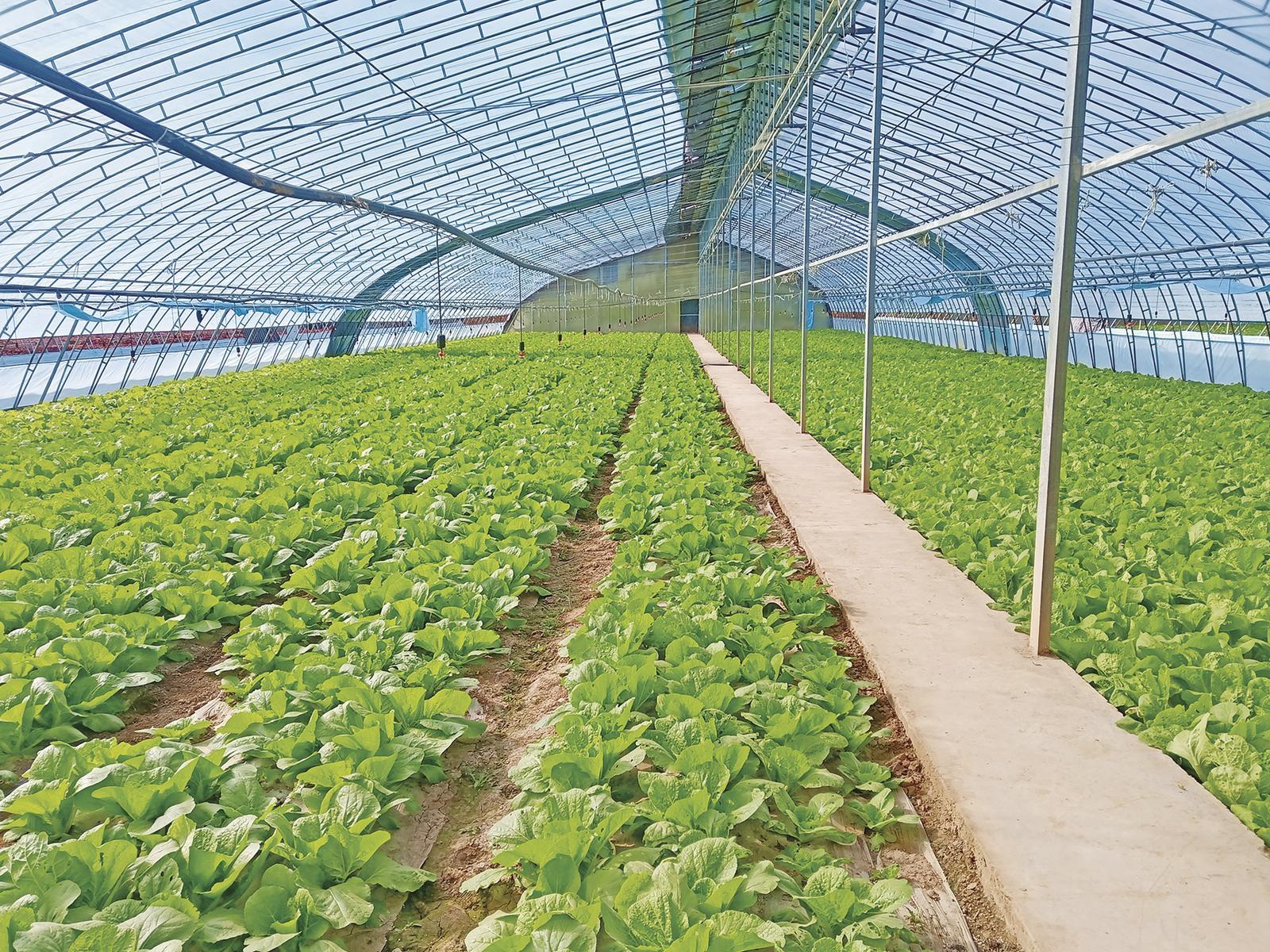
Core Viewpoint - The agricultural industry in Ning County has shown significant growth during the "14th Five-Year Plan" period, focusing on modern agricultural development and rural revitalization, with a strong emphasis on food security and the establishment of a complete industrial chain [5][7]. Group 1: Agricultural Production and Economic Growth - Grain production has steadily increased, with a total output of 252,000 tons and a planting area of 770,000 acres [7]. - The agricultural output value for 2024 is projected to reach 2.32 billion yuan, marking a 23.07% increase compared to the end of the "13th Five-Year Plan" [5]. - The per capita disposable income of rural residents rose from 11,509.34 yuan in 2021 to 14,178.04 yuan in 2024, an increase of 24.6% [5]. Group 2: Agricultural Infrastructure and Technology - Ning County has implemented a comprehensive approach to agricultural production, including the integration of planting, storage, processing, and sales, resulting in an annual output value exceeding 1 billion yuan from 12 "grain head and food tail" enterprises [7]. - The county has invested in high-standard farmland construction and improved agricultural infrastructure, enhancing the efficiency of water and soil resource utilization [7][14]. - The mechanization rate of major crops reached 88.25% by the end of 2024, an increase of 8.99 percentage points from the end of the "13th Five-Year Plan" [14]. Group 3: Industry Development and Specialization - Ning County has established a 12 billion yuan "six major industries" chain, focusing on regional layout and the integration of primary, secondary, and tertiary industries [9]. - The apple industry serves as a key pillar for wealth generation, with an orchard area of 250,000 acres and an output value exceeding 4 billion yuan [9]. - The county has developed various agricultural projects, including vegetable production, mushroom cultivation, and traditional Chinese medicine, contributing to increased income for over 2,000 households [10][11]. Group 4: Environmental and Rural Development - The county has undertaken initiatives to improve rural living conditions, including the removal of waste and the construction of high-quality toilets, with over 160,000 issues addressed [12]. - Agricultural pollution management has improved, with the resource utilization rate of livestock waste rising from 82.3% in 2021 to 92.05% in 2024 [13]. - The implementation of the "Technology Strong County" strategy has led to the promotion of new varieties and technologies, enhancing agricultural productivity [14].

2026种子大会暨南繁硅谷论坛征集田间展示品种
Hai Nan Ri Bao· 2025-10-04 01:12
Core Points - The 2026 Seed Conference and South Breeding Silicon Valley Forum is scheduled to be held from March 25 to 29, 2026, in Sanya, Hainan Province [1] - The event will feature field demonstrations of new crop varieties and technologies at the National Modern Agriculture (Seed Industry) Industrial Park in Yazhou District [1] Industry Summary - The scope of crop variety collection for field demonstrations includes rice, corn, sweet corn, vegetables, and miscellaneous grains that are suitable for Sanya's climate and can showcase excellent traits during the event [1] - The conference will include specialized areas for smart agricultural machinery, organic ecological agriculture, and corporate exhibits, with unified provision of land, facilities, and production management services [1] - Hainan Nanfan Industry Development Co., Ltd., a subsidiary of Hainan Agricultural Reclamation, will be responsible for coordinating with various agricultural institutions and enterprises nationwide for the event [1]
铭记历史 缅怀先烈|万泉河畔产业兴 五指山下日子甜——琼崖革命老区焕新颜
Xin Hua She· 2025-07-23 14:41
Group 1 - The article highlights the transformation of the Qiongya revolutionary old areas, showcasing the development of tourism and local economies driven by government support and investment in infrastructure [1][2][3] - In the village of Coconut Zhai, investments from tourism companies and hotels have created job opportunities for residents, enhancing the local economy through the development of red tourism and natural tourism resources [1][2] - The article emphasizes the improvements in living conditions in villages like Maogui, where infrastructure such as cement roads and modern housing has been established, leading to increased mobility and income for residents [2][3] Group 2 - The development of agricultural brands such as partridge tea and honey in villages like Rentai has contributed to the local economy, with a projected average annual income of 24,800 yuan per person by 2024 [3] - The integration of red tourism and agricultural development is being pursued, with plans to create comprehensive red revolutionary education and tourism bases, enhancing both educational and recreational opportunities [3] - The overall narrative illustrates a broader trend of industrial revitalization and community prosperity across the Qiongya revolutionary old areas, with various villages implementing unique strategies to boost their economies [3]