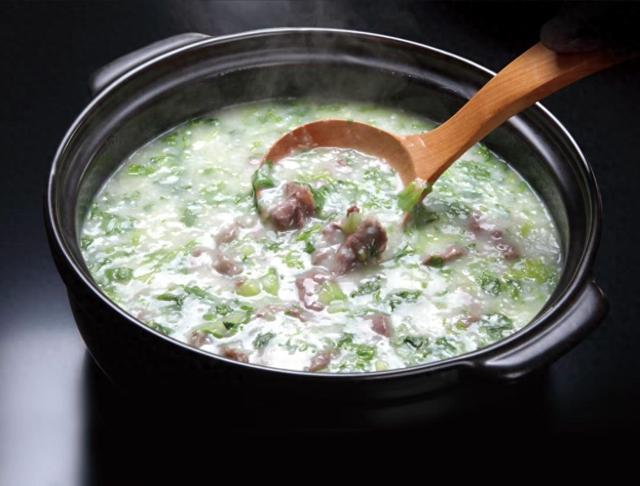
生滚粥

Search documents
识味顺德︱顺德粥世界的滚烫鲜香
Xin Lang Cai Jing· 2026-01-01 04:22
Core Viewpoint - The article highlights the cultural significance and culinary diversity of congee in Shunde, emphasizing its role as a beloved dish that transcends social classes and occasions, from breakfast to late-night snacks [1][3]. Group 1: Cultural Significance - Congee represents a rich cultural heritage in Chinese civilization, with a history dating back over 2200 years to the era of the Five Emperors [3]. - The preparation and consumption of congee reflect the philosophy of harmony with nature and the integration of various ingredients, showcasing the culinary wisdom of the Cantonese people [3]. Group 2: Types of Congee - Shunde congee can be categorized into several types, with the most common being the freshly cooked "生滚粥" (live congee), which is served hot and fresh, symbolizing a warm start to the day [4][5]. - The ingredients for "生滚粥" are carefully selected, including a variety of meats and vegetables, with the cooking techniques being crucial for achieving the desired flavors [5][7]. Group 3: Popular Variants - The "猪杂粥" (pork offal congee) is a popular breakfast item, made with fresh ingredients sourced directly from slaughterhouses, emphasizing the importance of freshness in its preparation [14][24]. - Another notable variant is the seafood congee, which incorporates high-quality ingredients like abalone and lobster, showcasing the culinary creativity in Shunde [20][22]. Group 4: Culinary Techniques - The preparation of congee involves specific techniques, such as the timing of adding ingredients to ensure optimal flavor and texture, which reflects the skill of the chef [15][25]. - The article emphasizes the importance of controlling the cooking process, particularly for mixed congee, to achieve a harmonious blend of flavors from different ingredients [8][19].

深圳出招!为城市占道经营治理破题
Nan Fang Du Shi Bao· 2025-12-10 06:13
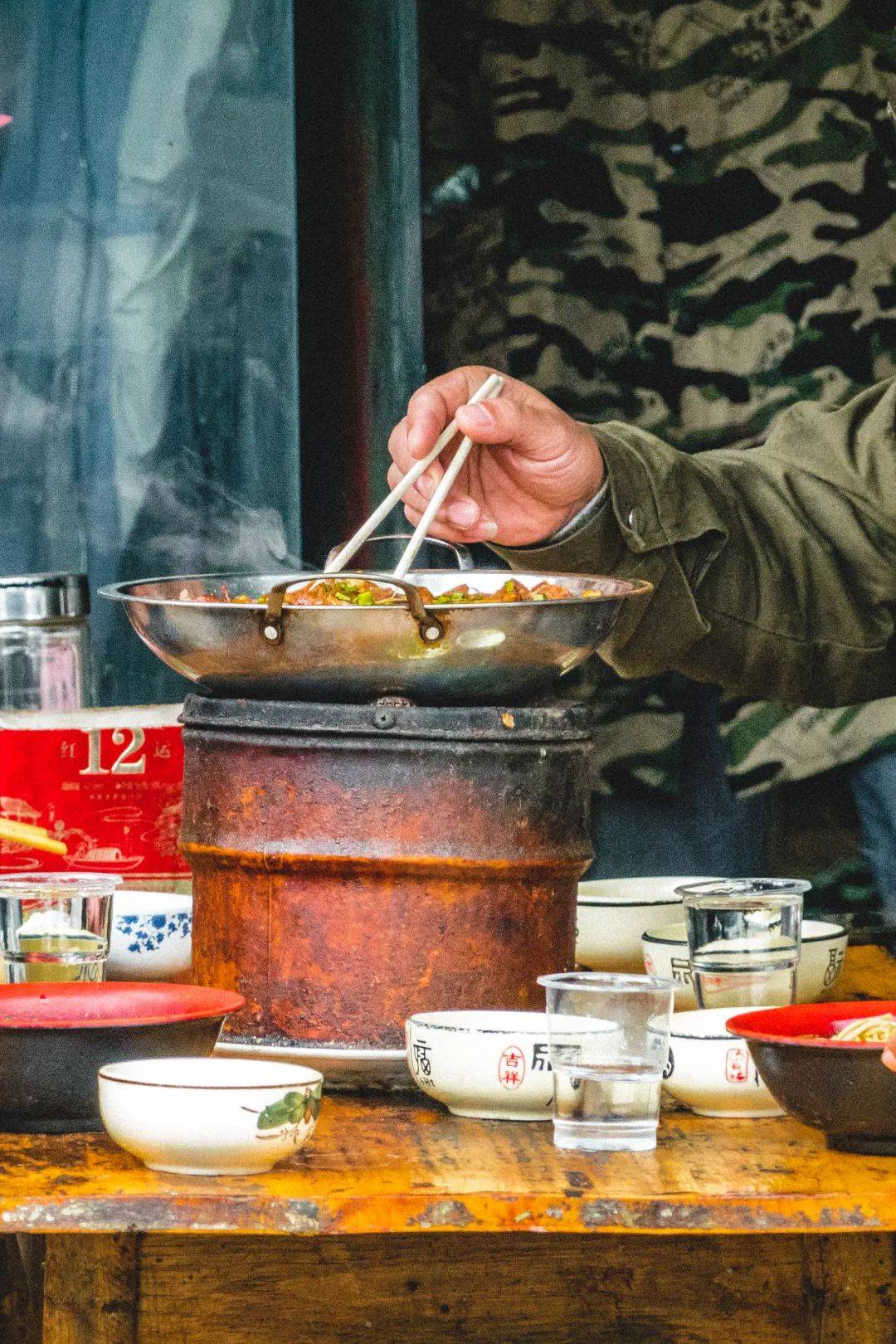
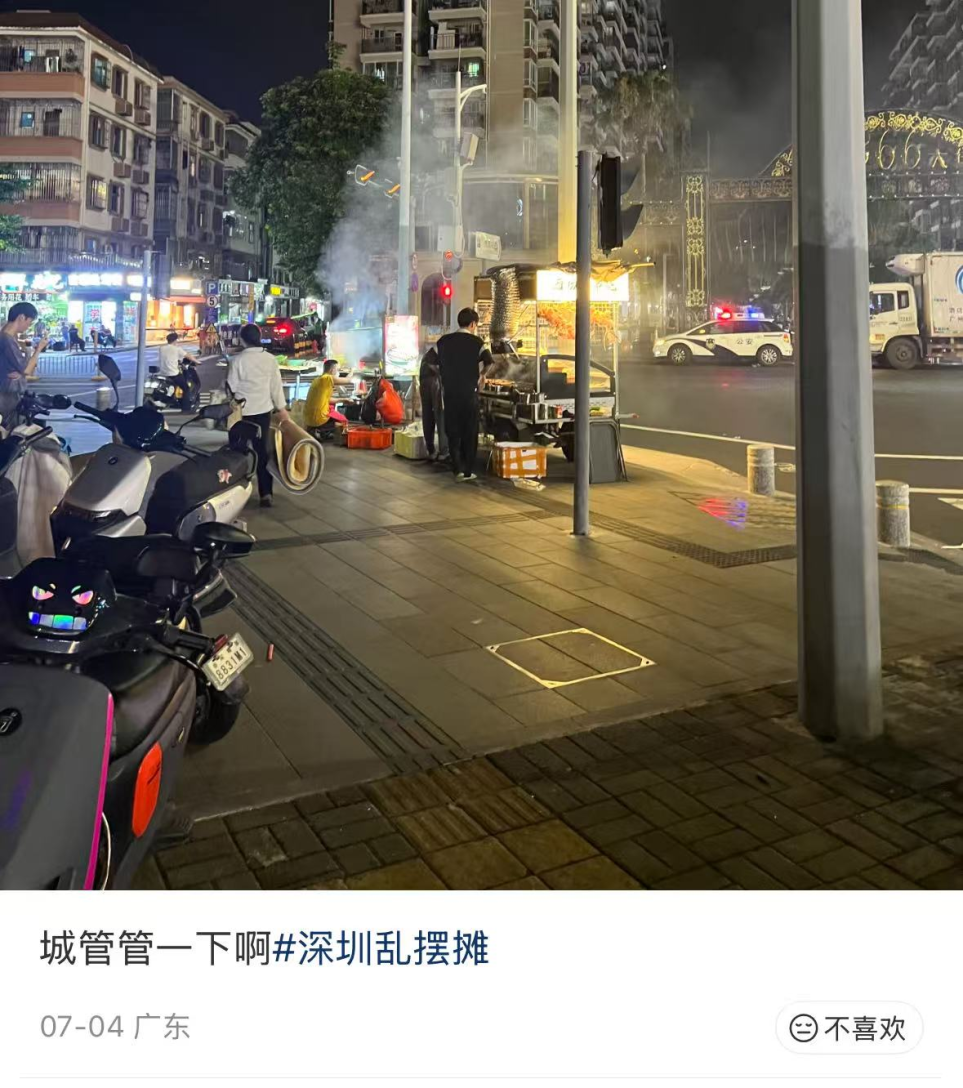
Core Viewpoint - The article discusses the successful implementation of a new regulatory framework for street vendors in Shenzhen, which aims to balance the needs of vendors and residents while maintaining urban order and cleanliness [2][10][25]. Group 1: Regulatory Framework - Shenzhen's Nanshan District has introduced a new management approach for street vendors through the "Resident Council" model, allowing for collaborative planning among vendors, residents, and local businesses [2][24]. - The "Implementation Measures for the Designation and Management of Vendor Operating Locations" was officially released on November 7, emphasizing orderly operations and legal restrictions on street vending outside designated areas [2][10][25]. - The new regulations have led to the establishment of over 40 designated temporary vendor locations in Nanshan, with similar initiatives in Longgang District collecting information on nearly 2,500 vendors [3][27]. Group 2: Vendor Experience - Vendors like Aunt Shao have reported increased stability in their income and customer base due to fixed operating hours and designated stalls, contrasting with their previous experiences as mobile vendors [4][5]. - The article highlights the case of Mr. Zhong, who transitioned from running a restaurant to operating a street stall, viewing it as a temporary measure while seeking a new storefront [6][8]. - The introduction of customer groups for pre-ordering has improved service efficiency and customer satisfaction for vendors [7]. Group 3: Community Impact - The new vendor management system has not only stabilized vendor incomes but also created job opportunities for others, contributing positively to the local economy [9]. - The initiative aims to address the previous issues of noise, pollution, and public complaints associated with unregulated street vending, promoting a cleaner and more organized urban environment [12][18]. - The community's desire for a balance between the vibrancy of street life and urban order is reflected in the collaborative efforts to manage vendor activities [23][28].
从早上就开始喝酒?这可能是全国最豪放的早餐
Hu Xiu· 2025-07-02 09:30
Core Viewpoint - The article discusses the rising trend of "early drinking" culture in various regions of China, particularly focusing on the city of Jianli in Hubei province, where it has become a popular social activity among young people [1][5][14]. Group 1: Early Drinking Culture - "Early drinking" is characterized by a relaxed atmosphere where the focus is more on the food than the alcohol itself, with common dishes including hearty home-style meals [3][4][36]. - Jianli is highlighted as a city with a strong affinity for early drinking, boasting an estimated 1,000 to 4,000 early drinking establishments, which is significant for its population of just over one million [6][5]. Group 2: Local Cuisine and Social Dynamics - The typical early drinking menu includes a variety of hearty dishes such as braised beef, spicy stir-fries, and local specialties like "土火锅" (earth pot), which is a simple yet engaging way to enjoy food and drink [7][10][13]. - The geographical location of Jianli, situated at a key bend in the Yangtze River, contributes to its vibrant early drinking culture, as it serves as a hub for workers who seek hearty meals and drinks to start their day [16][17]. Group 3: Regional Variations - The article notes that early drinking is not limited to Jianli but is prevalent along the Yangtze River, with cities like Wuhan and Chongqing also having their unique early drinking customs and dishes [18][19][22]. - In Wuhan, for example, the early drinking experience includes local favorites like "热干面" (hot dry noodles) and "蛋酒" (egg wine), showcasing the regional diversity in early drinking practices [19][22]. Group 4: Broader Implications - The trend of early drinking reflects a shift in social habits, where younger generations are drawn to the leisurely pace and communal aspects of dining and drinking, contrasting with the fast-paced urban lifestyle [36][37]. - The article suggests that while early drinking may have originated among laborers, it has evolved into a cultural phenomenon that appeals to a broader audience, including older generations who enjoy the social interaction it fosters [35][36].