电商包裹

Search documents
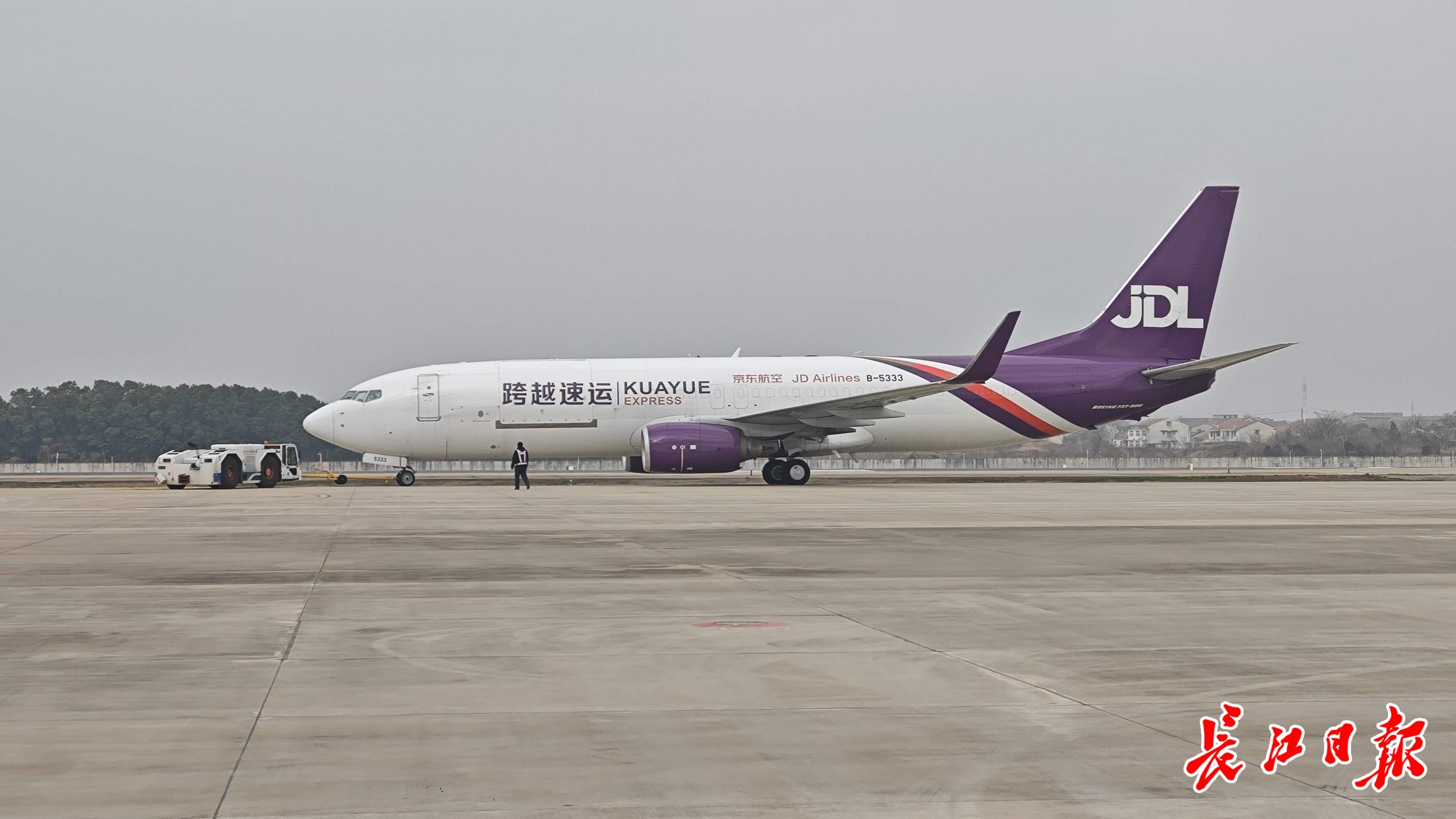
“武汉—曼谷”国际货运航线开通
Chang Jiang Ri Bao· 2026-01-28 00:48
Core Viewpoint - The launch of the "Wuhan-Bangkok" international cargo route by JD Logistics marks a significant expansion of cross-border logistics capabilities, enhancing the efficiency of logistics services between China and Southeast Asia [1][4]. Group 1: Route Details - The cargo flight, operated by a JD Airlines B737-800BCF, has a maximum single-trip cargo capacity of 22 tons, catering to various transportation needs [3]. - The route will operate three flights per week from January to October, increasing to five flights per week in November and December, with an expected total of 174 flights and a cargo volume of approximately 723 tons for the year [3]. Group 2: Cargo Focus - The outbound flights will primarily transport high-value electronic products, precision instruments, and e-commerce packages from Wuhan, while the return flights will focus on tropical fruits, particularly durians, from Thailand [3]. - This route aims to enhance the export of Hubei products and diversify the local market in Wuhan by introducing Southeast Asian specialty goods [3]. Group 3: Strategic Importance - The successful launch of this international cargo route signifies a deepening collaboration between Hubei Airport Group and JD Logistics, transitioning from domestic to international operations [4]. - The route is expected to strengthen the logistics capabilities of Tianhe Airport and enhance the overall cargo throughput, contributing to a new global logistics service framework [4].

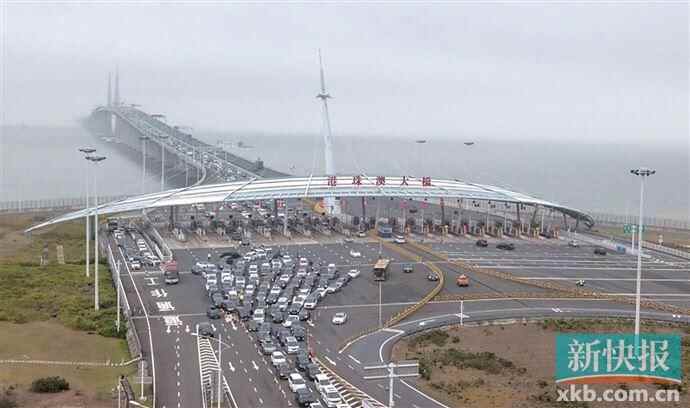
拱北海关发布最新数据 港珠澳大桥珠海口岸进出口货值首破三千亿元
Xin Lang Cai Jing· 2026-01-17 01:15
Core Insights - The Hong Kong-Zhuhai-Macao Bridge (HZMB) has significantly boosted cross-border trade and transportation, with projections indicating over 31 million people and 6.8 million vehicles will pass through the Zhuhai port by 2025, alongside a record-breaking import and export value of 325.84 billion yuan, marking a 40.1% year-on-year increase [2][6]. Group 1: Cross-Border Trade Growth - The HZMB has facilitated a surge in cross-border e-commerce, with daily shipments reaching 1.6 million packages sent to over 140 countries and regions, showcasing a dramatic increase in logistics capacity compared to seven years ago [3]. - The weight of e-commerce packages exported through the bridge exceeded 89,000 tons last year, indicating robust growth in the sector [3]. Group 2: Regulatory and Operational Enhancements - The establishment of 22 cross-border cooperation agreements, including a recent memorandum for the inspection and quarantine of fresh produce, has enhanced regulatory alignment between Guangdong and Hong Kong, promoting a "soft connection" for trade [4]. - The implementation of a "one-stop" system for customs and border control has reduced overall clearance times by 60% compared to 2019, while logistics costs for businesses have decreased by 30% [5].
苏州太仓到张家口物流公司苏州太仓至张家口专线
Sou Hu Cai Jing· 2025-12-04 04:45
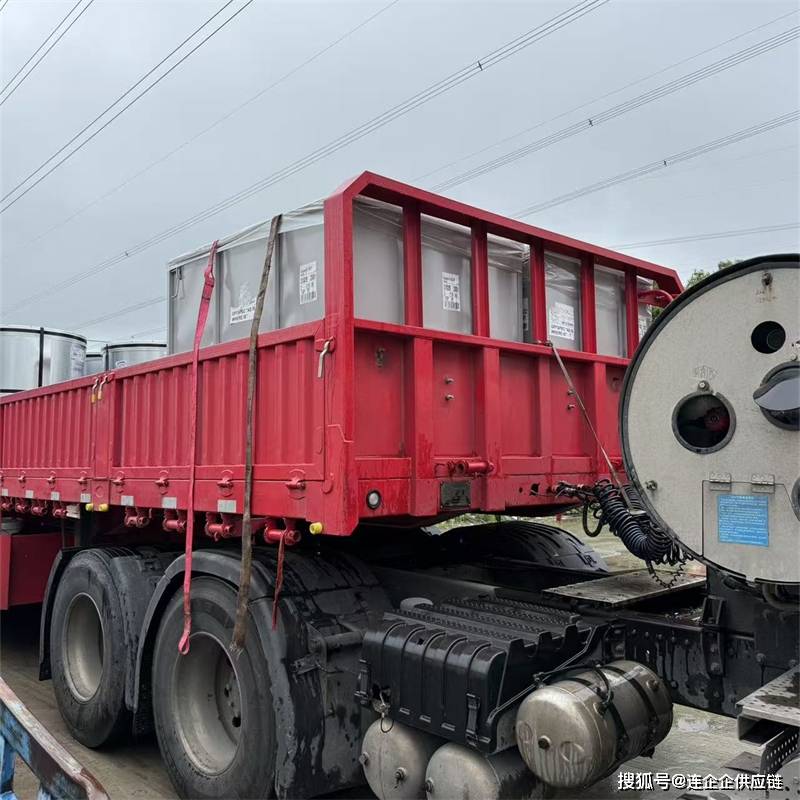
Core Viewpoint - The article highlights the establishment of an efficient logistics route connecting Suzhou Taicang and Zhangjiakou, leveraging the advantages of both regions to enhance supply chain efficiency and support local industries, particularly in agriculture and renewable energy [10][18]. Logistics Operations - The logistics operations involve a variety of specialized vehicles tailored for different types of cargo, including temperature-sensitive equipment and large machinery, ensuring optimal transport conditions [11][12]. - A dedicated logistics team manages the transportation of precision instruments, ensuring they are protected from environmental fluctuations during transit [11]. - Heavy machinery, such as wind turbine blades, is transported using specialized low-platform trucks, with careful planning to navigate local road conditions and obtain necessary permits [12]. Cold Chain Logistics - The cold chain logistics service is optimized for Zhangjiakou's climate, ensuring that perishable goods maintain their quality during transport, with temperature control systems in place [13]. - The logistics team employs advanced monitoring systems to track temperature and humidity, ensuring compliance with strict preservation standards [13]. Distribution Network - The distribution network covers 19 districts in Zhangjiakou, utilizing a combination of public and rail transport to facilitate efficient delivery of goods [16]. - The logistics service includes features such as early morning and late evening deliveries, tailored to meet the needs of local agricultural producers and industrial clients [16]. Warehouse and Storage Solutions - A modern warehouse at Taicang port supports various storage needs, including temperature-controlled areas for sensitive equipment and materials [15]. - The warehouse also offers value-added services such as customs clearance and equipment calibration, enhancing overall supply chain efficiency [15]. Economic Impact - The logistics route significantly reduces delivery times, with some shipments arriving up to two days earlier than traditional methods, thus supporting local agricultural and industrial sectors [11][14]. - The initiative aligns with broader regional development strategies, enhancing connectivity between the Yangtze River Delta and the Beijing-Tianjin-Hebei region, fostering economic growth [18].
欧盟准备对中国出手,结束零关税时代,德国财长:不要中国垃圾
Sou Hu Cai Jing· 2025-11-18 12:09
Group 1 - The upcoming high-level financial dialogue between China and Germany is overshadowed by German Vice Chancellor and Finance Minister Christian Lindner's aggressive stance against Chinese imports, particularly targeting low-value packages [1] - The EU is moving to end the tax exemption for packages valued under 150 euros by 2026, a decision driven by Germany and France, which is perceived as a direct attack on Chinese e-commerce [1][3] - In 2024, 4.6 billion small packages are expected to enter the EU, with 91% originating from China, highlighting the significant impact of Chinese e-commerce on the European market [3] Group 2 - The EU's decision to impose taxes on small packages is seen as a desperate measure to protect local industries, but it may not effectively shield them from competition, as evidenced by the U.S. experience with similar policies [3][4] - Germany's energy policy failures have led to skyrocketing electricity costs, complicating efforts to protect local manufacturing through taxation on Chinese imports [4] - The economic situation in the EU, particularly in Germany, is deteriorating, with negative growth reported in 2023 and 2024, and a significant number of business bankruptcies, raising questions about consumer acceptance of increased costs due to new tariffs [5][6]