
电极

Search documents
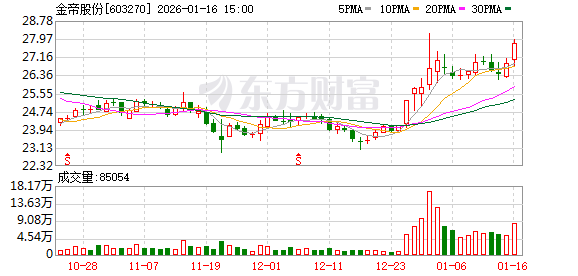
金帝股份:公司与保时来新材料科技(苏州)有限公司共同打造在氢能等领域具有核心竞争力的协同产品
Zheng Quan Ri Bao· 2026-01-16 15:15
Core Viewpoint - The company, Jindi Co., is entering a strategic partnership with Positron New Materials Technology (Suzhou) Co., Ltd. to leverage their respective strengths in hydrogen energy components and related technologies [2] Group 1: Strategic Cooperation - The partnership is based on principles of "equality, mutual benefit, complementary advantages, long-term cooperation, and joint development" [2] - The collaboration aims to integrate Jindi's manufacturing capabilities in hydrogen energy components with Positron's technological advantages in electrodes and nickel mesh products [2] Group 2: Product Development - Both companies have agreed to prioritize the bundling of Jindi's precision components, such as plates and end plates, with Positron's core components for hydrogen electrolyzers to create "joint products" or "coordinated assemblies" for market promotion [2] - This strategic alliance is expected to enhance their competitive edge in the hydrogen energy sector [2]


行业深度报告:“十五五”谋篇新蓝图,脑机接口进入产业化快车道
KAIYUAN SECURITIES· 2026-01-06 05:45
Investment Rating - The industry investment rating is "Positive" (maintained) [1] Core Insights - The brain-computer interface (BCI) technology is undergoing a period of accelerated transformation, with various technical paths available, including invasive, semi-invasive, and non-invasive methods, each with its own advantages in signal quality, safety, and operational difficulty [5][19] - The Chinese brain-computer interface market is projected to grow significantly, with the market size reaching approximately 1.73 billion yuan in 2023, accounting for 12.5% of the global market [6] - The industry is supported by a three-pronged policy approach focusing on planning, payment, and standards, which is expected to facilitate rapid development [6][33] Summary by Sections 1. Brain-Computer Interface Overview - BCI is a multidisciplinary technology that integrates neuroscience, computer science, and engineering to enable communication between the brain and external devices [17] - The technology operates through a closed-loop system involving signal input, processing, device control, and feedback [17] 2. Policy Support for BCI Development - The Chinese government has issued several policies to support the BCI industry, including the "Implementation Opinions on Promoting the Innovation and Development of the Brain-Computer Interface Industry" which outlines goals for 2027 and 2030 [6][43] - The policies aim to establish a robust industrial ecosystem, enhance innovation capabilities, and promote clinical applications of BCI technologies [43][44] 3. Technological Advancements and Applications - Core technological breakthroughs are occurring in the upstream segment of the BCI industry, particularly in hardware such as electrodes and chips [7] - The medical application of BCI is predominant, with 56% of the market share in 2023, focusing on various therapeutic areas including cognitive disorders and movement disabilities [7][9] - Companies like Lepu Medical and Aipeng Medical are actively involved in developing deep brain stimulation (DBS) technologies, with some preparing for IPOs [7][8] 4. Investment Recommendations - The report suggests focusing on both invasive and non-invasive BCI products, with specific companies identified as beneficiaries based on their clinical trial progress and commercialization potential [8] - Notable companies include Aipeng Medical and Lepu Medical for invasive products, and Xiangyu Medical and Innovation Medical for non-invasive products [8]



金帝股份(603270.SH)与保时来签订战略合作框架协议
智通财经网· 2026-01-05 11:24
Core Viewpoint - The company JinDi Co., Ltd. has signed a strategic cooperation framework agreement with Baoshilai New Materials Technology (Suzhou) Co., Ltd. to leverage their respective strengths in hydrogen energy components and electrode technology for mutual benefit and long-term collaboration [1] Group 1: Strategic Cooperation - The agreement emphasizes principles of equality, mutual benefit, complementary advantages, long-term cooperation, and joint development [1] - The collaboration aims to integrate JinDi's expertise in hydrogen energy component R&D and manufacturing with Baoshilai's technological advantages in electrodes and nickel mesh products [1] Group 2: Goals and Outcomes - The partnership seeks to develop core competitive hydrogen energy collaborative products through deep cooperation in market, product, technology, and capital [1] - The strategic alliance is expected to promote resource complementarity, collaborative innovation, and win-win cooperation between the two companies [1]
金帝股份与保时来签订战略合作框架协议
Zhi Tong Cai Jing· 2026-01-05 11:23
Core Viewpoint - The company JinDi Co., Ltd. has signed a strategic cooperation framework agreement with Baoshilai New Materials Technology (Suzhou) Co., Ltd. to leverage their respective strengths in hydrogen energy components and electrode technology for mutual development and competitive advantage in the hydrogen energy sector [1] Group 1: Strategic Cooperation - The agreement is based on principles of equality, mutual benefit, complementary advantages, long-term cooperation, and joint development [1] - The collaboration aims to integrate JinDi's expertise in hydrogen energy component R&D and manufacturing with Baoshilai's technical strengths in electrodes and nickel mesh products [1] - The partnership seeks to create synergistic products in the hydrogen energy field that possess core competitiveness through deep cooperation in market, product, technology, and capital [1] Group 2: Goals and Outcomes - The strategic cooperation is expected to enhance resource complementarity and collaborative innovation between the two companies [1] - The focus is on developing competitive hydrogen energy collaborative products that will lead to win-win outcomes for both parties [1]
金帝股份:拟以2160.44万元受让保时来3.36%股权
Zheng Quan Shi Bao Wang· 2026-01-05 09:56
Core Viewpoint - JinDi Co., Ltd. plans to invest 21.6044 million yuan to acquire a 3.36% stake in Baoshilai New Materials Technology (Suzhou) Co., Ltd. from SANY Hydrogen Energy Co., Ltd. This investment aims to strengthen the company's position in the hydrogen energy industry and promote resource sharing and technological exchange [1]. Group 1 - The investment amount is 21.6044 million yuan [1] - The stake being acquired is 3.36% in Baoshilai [1] - Baoshilai is a high-tech enterprise involved in the R&D, production, and sales of key components for hydrogen production [1] Group 2 - The purpose of the investment is to enhance the company's layout in the hydrogen energy sector [1] - The investment aims to explore new product forms and promote technological and product upgrades [1] - The collaboration is expected to strengthen the market position of both companies [1]
金帝股份:拟2160.44万元受让三一氢能持有的保时来3.36%股权
Xin Lang Cai Jing· 2026-01-05 09:34
Core Viewpoint - Jindi Co., Ltd. announced plans to acquire a 3.36% stake in Baoshilai for 21.6044 million yuan and signed a strategic cooperation framework agreement with Baoshilai New Materials Technology (Suzhou) Co., Ltd. to enhance collaboration in hydrogen energy components and related technologies [1] Group 1 - Jindi Co., Ltd. intends to use 21.6044 million yuan to acquire a 3.36% stake in Sany Hydrogen Energy Co., Ltd. [1] - The strategic cooperation framework agreement aims to integrate both companies' technological advantages in hydrogen energy component research and manufacturing, as well as in electrodes and nickel mesh [1] - The agreement is effective upon signing by the legal representatives or authorized representatives of both parties and will last for five years [1]
金帝股份(603270.SH):与保时来签订战略合作框架协议 共同打造在氢能等领域具有核心竞争力的协同产品
Ge Long Hui A P P· 2026-01-05 09:34
Core Viewpoint - JinDi Co., Ltd. has signed a strategic cooperation framework agreement with Baoshilai New Materials Technology (Suzhou) Co., Ltd. to leverage their respective strengths in hydrogen energy components and electrode products for mutual development and competitive advantage in the hydrogen energy sector [1] Group 1: Strategic Cooperation - The agreement is based on principles of equality, mutual benefit, complementary advantages, long-term cooperation, and joint development [1] - The collaboration aims to integrate JinDi's R&D and manufacturing strengths in hydrogen energy components with Baoshilai's technological advantages in electrodes and nickel mesh products [1] Group 2: Market and Product Development - The partnership will focus on deep cooperation in market, product, technology, and capital aspects to create synergistic products with core competitiveness in the hydrogen energy field [1] - The goal is to achieve complementary advantages and win-win cooperation through this strategic alliance [1]
金帝股份:与保时来新材料科技(苏州)有限公司签订战略合作框架协议
Xin Lang Cai Jing· 2026-01-05 09:23
Core Viewpoint - The company JinDi Co., Ltd. (603270.SH) has signed a strategic cooperation framework agreement with Baoshilai New Materials Technology (Suzhou) Co., Ltd. to enhance collaboration in hydrogen energy components and related technologies [1] Group 1: Strategic Cooperation - The agreement aims to integrate the technological advantages of both companies in the research and manufacturing of hydrogen energy components, electrodes, and nickel nets [1] - The collaboration will focus on deep cooperation in market, product, technology, and capital aspects to create synergistic products with core competitiveness [1] - The agreement is effective for five years from the date of signing by the legal representatives or authorized representatives of both parties [1]
金帝股份:与保时来签订战略合作框架协议 共同打造在氢能等领域具有核心竞争力的协同产品
Ge Long Hui· 2026-01-05 09:23
Core Viewpoint - The company JinDi Co., Ltd. has signed a strategic cooperation framework agreement with Baoshilai New Material Technology (Suzhou) Co., Ltd. to enhance collaboration in the hydrogen energy sector, aiming for mutual benefits and long-term development [1] Group 1: Strategic Cooperation - The agreement is based on principles of equality, mutual benefit, complementary advantages, long-term cooperation, and joint development [1] - The collaboration aims to integrate JinDi's strengths in hydrogen energy component R&D and manufacturing with Baoshilai's technological advantages in products like electrodes and nickel nets [1] Group 2: Market and Product Development - The partnership will focus on deep cooperation in market, product, technology, and capital aspects to create synergistic products with core competitiveness in the hydrogen energy field [1] - The goal is to achieve complementary advantages and win-win cooperation through this strategic alliance [1]
2025年我国脑机接口和卫星互联网产业亮眼成绩单
Xin Lang Cai Jing· 2025-12-21 05:20
Group 1 - The conference titled "Deep Observation Report of China Academy of Information and Communications Technology 2026" focused on the development of new productive forces under the wave of artificial intelligence during the 14th Five-Year Plan period [4] - Significant advancements have been made in two emerging industries in China: brain-computer interfaces and satellite internet, with notable progress in technology breakthroughs, practical applications, and industrial layout [4] - In the field of brain-computer interfaces, China has achieved breakthroughs in core technologies, including self-developed brain-computer interface chips and implanted electrodes, which have improved the stability and precision of interpreting brain signals [4] Group 2 - The application of implanted brain-computer interfaces is primarily in the medical field, with dozens of clinical cases already established, while non-invasive interfaces are targeting consumer and industrial applications, leading to the production of several devices for various scenarios [4] - The construction of satellite internet has accelerated since 2025, with low Earth orbit satellite constellations being rapidly deployed, and some constellations having launched over a hundred communication satellites [5] - Satellite internet is transitioning from serving primarily industry clients to being accessible to the general public, with technologies allowing smartphones to connect directly to satellites for voice and messaging services [5]
