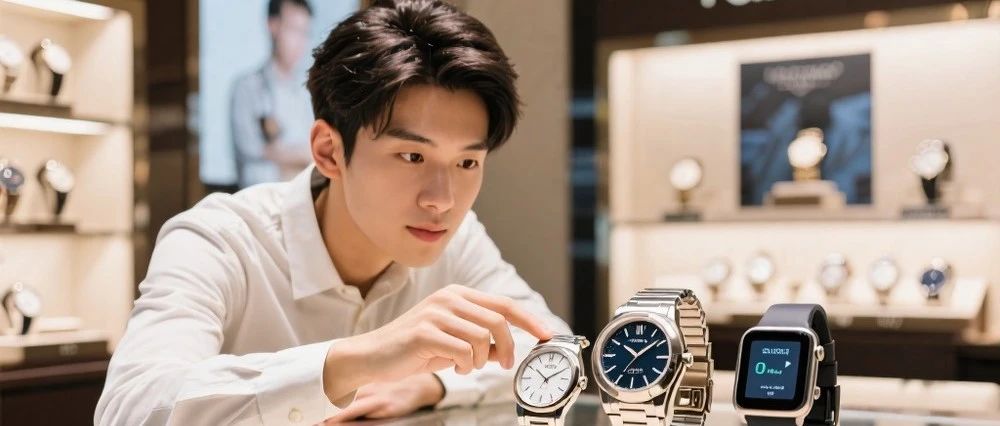
百达翡丽手表

Search documents
身家十亿的富家千金破产后,发现:没有真正保值的东西
36氪· 2026-01-03 04:23
Core Viewpoint - The article discusses the decline of wealthy families in China, highlighting the experiences of individuals like Zhenzhen, who faced significant financial setbacks and lifestyle changes due to economic fluctuations and failed investments [4][5][6]. Group 1: Wealth Decline - The number of families with assets exceeding 6 million yuan has been decreasing for two consecutive years, with about 30% of wealthy families experiencing varying degrees of wealth shrinkage [4]. - Zhenzhen's family, once worth over 1 billion yuan, faced a financial crisis leading to a significant downgrade in lifestyle, including selling luxury items to support their business [5][6]. Group 2: Personal Experience - Zhenzhen's family initially accumulated wealth through real estate investments, but a failed tourism real estate project led to substantial financial losses, including a 1.5 billion yuan loss when a developer absconded [13][14]. - The family's financial struggles resulted in the loss of household staff and a drastic change in living conditions, with Zhenzhen reflecting on the emotional toll of these changes [16][30]. Group 3: Asset Liquidation - Zhenzhen attempted to support her family by selling luxury items, including a Hermes bag purchased for 400,000 yuan, which she sold for 500,000 yuan to cover business expenses [32]. - Over ten years, she sold various luxury goods, recovering approximately 4 to 5 million yuan, but these funds were quickly consumed by ongoing financial pressures [35]. Group 4: New Beginnings - Currently, Zhenzhen operates a small 5-square-meter coffee shop in Macau, working long hours and finding a sense of stability in her new life [48][50]. - She acknowledges the importance of hard work for basic needs, contrasting her previous reliance on wealth with her current self-sufficiency [56].

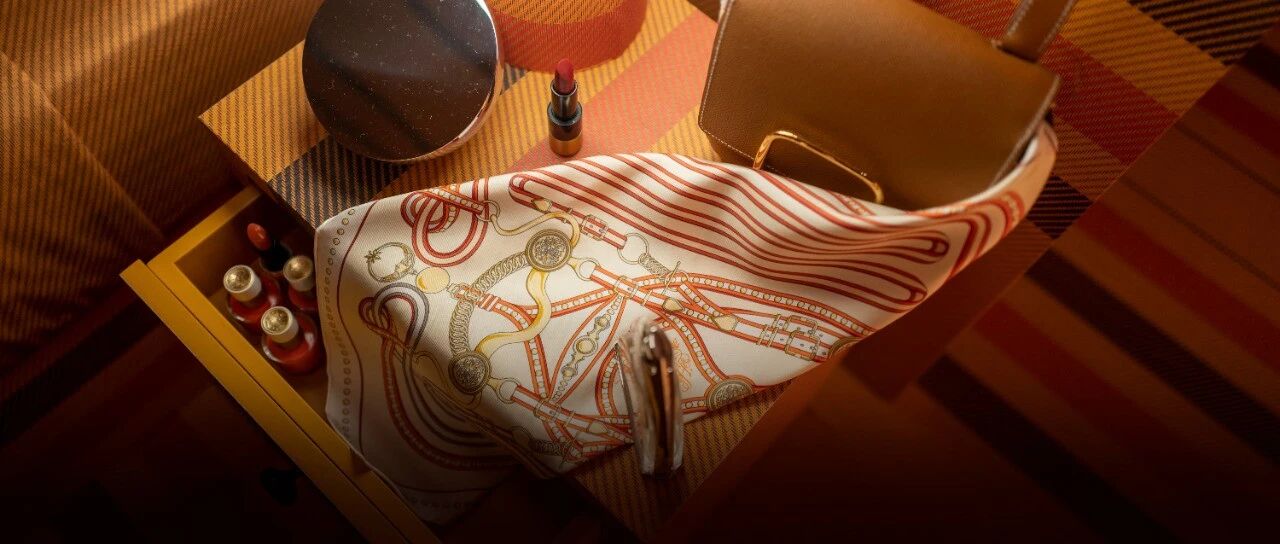
身家十亿的富家千金破产后,发现:没有真正保值的东西
虎嗅APP· 2026-01-01 09:29
Core Viewpoint - The number of wealthy families in China is quietly decreasing, with a significant portion experiencing wealth shrinkage and some falling out of their original social class [4]. Group 1: Wealth Decline - The number of families with assets exceeding 6 million yuan has declined for two consecutive years, and about 30% of wealthy families have experienced varying degrees of wealth shrinkage [4]. - A case study of a 35-year-old individual named Zhenzhen illustrates the impact of wealth decline, as her family, once worth over 1 billion yuan, has faced significant financial challenges, leading her to sell luxury items to support family business operations [4][12]. Group 2: Lifestyle Changes - Zhenzhen's lifestyle has drastically changed from frequenting Michelin-starred restaurants to carefully budgeting for meals, reflecting the broader trend among wealthy families adjusting to financial constraints [5]. - The family's living conditions have deteriorated, moving from a large home to a small rented apartment, and the number of household staff has been reduced due to financial inability [17][30]. Group 3: Asset Liquidation - Zhenzhen has sold various luxury items, including a Hermès bag purchased for 400,000 yuan, which she sold for 500,000 yuan to cover business expenses, highlighting the struggle to maintain financial stability through asset liquidation [31]. - Over the years, she has managed to recover approximately 4 to 5 million yuan through the sale of luxury goods, but this has not alleviated the family's financial pressures [34]. Group 4: New Beginnings - Zhenzhen now operates a small coffee shop in Macau, working long hours and finding a sense of stability and fulfillment in her new role, despite the challenges faced [45][49]. - The experience of financial loss has led to a shift in Zhenzhen's understanding of wealth, emphasizing the importance of earning capacity over material possessions [41][52].
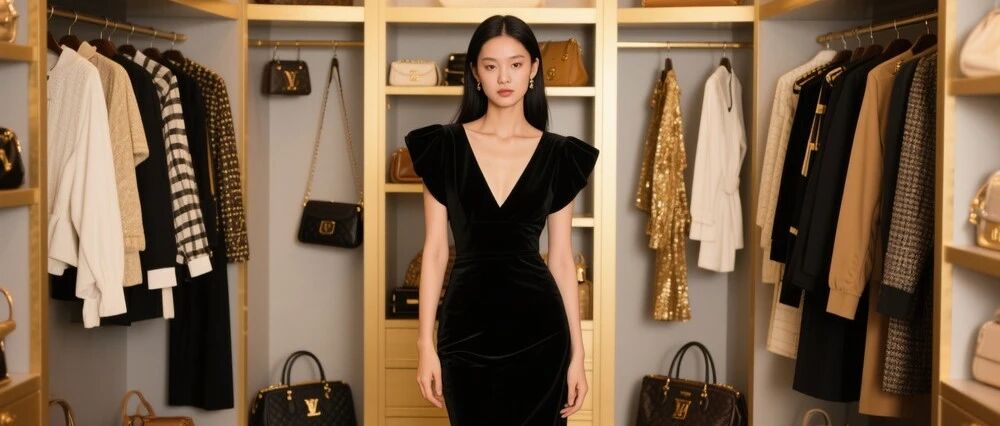
值超过六千亿美元,六万八千块
Sou Hu Cai Jing· 2025-10-13 08:19
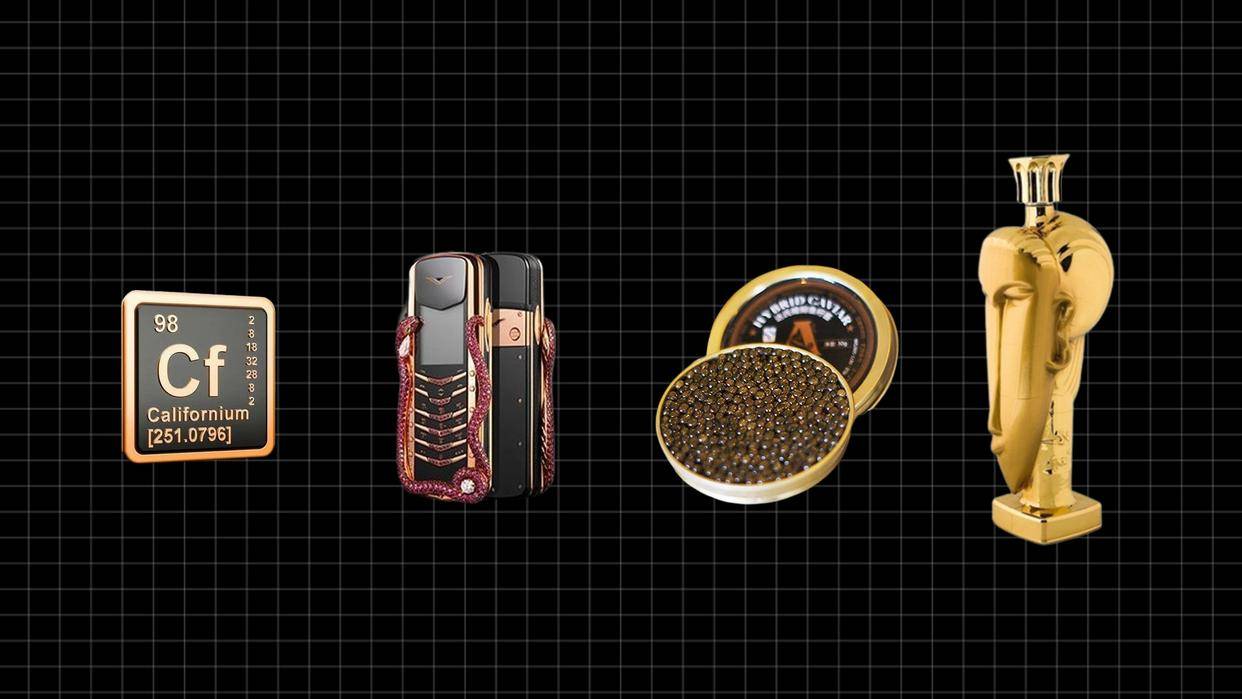
Core Points - The article discusses the ten most expensive items in the world, highlighting their extraordinary prices and unique characteristics [1] Group 1: Expensive Items - The tenth item is the feather of the endangered Huia bird, valued at $10,000, which translates to approximately 68,000 RMB [3] - The ninth item is a bottle of water designed by artist Fernando, priced at $60,000, made from Fiji's purest water and containing gold dust [6][10] - The eighth item is a luxury mobile phone priced at $2.89 million, crafted with 439 rubies, 2 emeralds, and 1 diamond, emphasizing its exclusivity [13][15] - The seventh item is the Han Emperor Moutai liquor, with a record price of $8.9 million for a rare bottle from 1992 [19][21] - The sixth item is golden caviar, selling for $10,000 per spoon, made from the eggs of the endangered Beluga sturgeon mixed with gold dust [22][24] - The fifth item is a Patek Philippe watch, which sold for $21.79 million at auction, known for its craftsmanship and exclusivity [27][29] - The fourth item is Antilia, a private residence in Mumbai, valued at $1 billion, known for its luxury and size [32][34] - The third item is the golden mask of Tutankhamun, estimated at $10 billion, recognized as a significant archaeological artifact [36][38] - The second item is Californium-252, priced at $27 million per gram, used in cancer treatment but extremely rare [40][42] - The most expensive item is antimatter, costing over $60 trillion per gram, with potential applications in energy generation [45][46]
手表消费大变天
虎嗅APP· 2025-08-24 09:02
Core Viewpoint - The traditional allure of European luxury watches, once seen as a symbol of wealth and status in China, is diminishing as consumer preferences shift towards domestic brands and smartwatches, leading to a significant decline in the resale value of high-end Swiss watches [4][5][10]. Market Trends - The resale index for Rolex watches has dropped nearly one-third from its peak in March 2022 to March 2025, marking a four-year low [4][10]. - The sales of Swiss watches to mainland China fell by 26% last year, with exports to Hong Kong also declining by 19% [11]. Consumer Behavior - The middle-class consumer group, which has been a significant driver of luxury watch sales, is experiencing a decline in spending enthusiasm, with 45% reporting reduced luxury goods consumption in 2023-2024 [14][17]. - A survey indicated that 80% of consumers who are reducing luxury purchases believe that luxury goods lack cost-effectiveness [17]. Competitive Landscape - Domestic watch brands like Seagull and Fiyta are gaining traction, particularly with models associated with national leaders, while smartwatches from brands like Huawei and Xiaomi are becoming popular for their affordability and functionality [4][20]. - In 2024, Huawei led the smartwatch market in China with a shipment of 21.2 million units, reflecting a 34.2% year-on-year growth [19]. Brand Perception - The perception of European luxury watches as "hard currency" is fading, with consumers now prioritizing value for money over status symbols [5][11]. - The narrative surrounding luxury watches is changing, with younger consumers seeking personalized expressions rather than adhering to traditional brand stories [18][24]. Technological Advancements - Domestic watch manufacturers are improving their technical capabilities, with products like the Fiyta "Zhai Xing" automatic mechanical movement achieving recognition for quality [22][24]. - The gap in technology between domestic and Swiss watches is narrowing, as evidenced by advancements in domestic manufacturing processes [21][22]. Cultural Shifts - The cultural significance of luxury watches is evolving, with consumers increasingly valuing heritage and local craftsmanship in domestic brands [20][24]. - The rise of smartwatches and domestic brands reflects a broader shift in consumer values, moving away from ostentation towards practicality and personal relevance [20][24].