稀土磁粉

Search documents
中国稀土公司,绕开国内管制,向西方继续出口就是资敌行为
Sou Hu Cai Jing· 2026-01-11 03:30
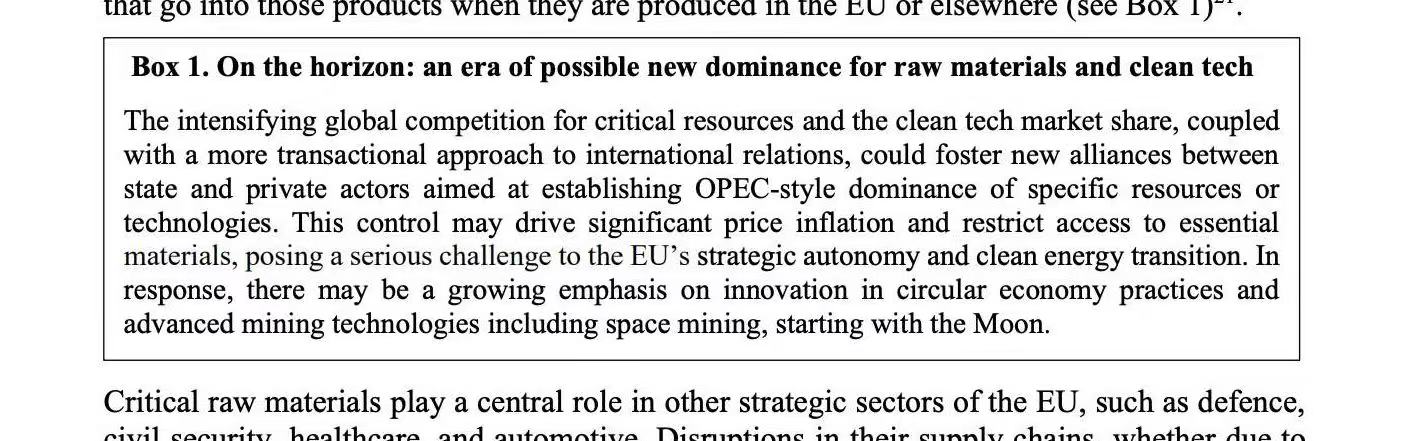
Core Viewpoint - Chinese rare earth companies are circumventing domestic regulations to export products to Western countries, prioritizing personal profits over national strategic security, which is considered an act of aiding adversaries [1][4][25]. Group 1: Industry Context - Rare earth elements, particularly those refined through complex processes like neodymium, dysprosium, and terbium, are not ordinary industrial additives but are critical resources that influence the efficiency of wind power equipment and the performance of advanced military aircraft like the F-35 [7][9]. - The significance of rare earths was highlighted in 2010 when China halted exports to certain countries due to diplomatic tensions, causing panic in Japan's automotive and electronics industries, demonstrating the strategic leverage China holds in this sector [9][4]. Group 2: Export Practices - Recent reports indicate that some companies have evolved their methods to sophisticated operations resembling espionage, using intricate logistics to smuggle rare earths disguised as ordinary materials [11][13]. - These companies are employing tactics such as mislabeling shipments and embedding rare earth metals in inexpensive products to evade strict export controls, aiming to satisfy the insatiable demand from Western buyers [15][17]. Group 3: Economic Implications - The underground market offers immediate responses to overseas clients, with profits potentially reaching multiples of legal trade, incentivizing companies to take significant risks [17][19]. - Following the announcement of stricter export controls in April 2025, official statistics showed a dramatic 90% drop in shipments to the U.S. within a month, raising concerns within the U.S. Department of Defense about finding alternative sources [19][20]. Group 4: Strategic Risks - The transfer of core technologies related to rare earth processing to foreign entities poses a significant risk, as it could enable Western countries to replicate China's supply chain capabilities, undermining China's strategic advantages [29][34]. - The potential loss of control over both raw materials and technological leadership could turn China's strategic assets into liabilities, facilitating adversaries' capabilities [34][36]. Group 5: Regulatory Response - In response to these challenges, the Chinese government has initiated crackdowns on illegal trade networks and is developing a "rare earth fingerprint" system for tracking the entire supply chain from extraction to export [38][40]. - This ongoing battle between regulatory authorities and smugglers reflects a broader struggle between national interests and corporate greed, as the demand for Chinese rare earth resources remains high among Western nations [40][42].


欧盟要去月亮上挖矿?
第一财经· 2025-09-11 13:16
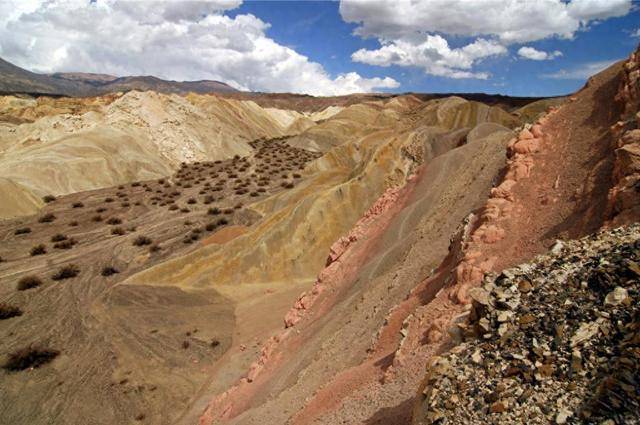
Core Viewpoint - The European Union is exploring space mining as a potential solution for sourcing raw materials necessary for renewable energy technologies, particularly focusing on lunar resources due to the scarcity of essential metals like lithium, copper, and nickel within the EU [2][3]. Group 1: Space Mining Initiatives - The EU Commission's annual Strategic Foresight Report highlights the need for advanced mining technologies, including space mining, as a response to the challenges posed by reliance on non-EU countries for critical materials [2][3]. - Luxembourg is positioned as a hub for space mining in Europe, planning to utilize robotics for extracting resources from the Moon and asteroids, which are rich in rare earth metals and precious metals [3][4]. - The European Space Resources Innovation Centre (ESRIC) was established in 2020 to focus on the scientific, technological, and economic aspects of space resource utilization, aiming to lay the groundwork for a future space economy [4]. Group 2: Demand for Key Minerals - The demand for key minerals is surging due to the energy transition, with estimates indicating that the global copper mining requirement over the next 25 years will equal the total mined in history [6]. - The EU anticipates a twelvefold increase in lithium demand for batteries by 2030 compared to 2020 levels, and a twenty-onefold increase by 2050, while currently lacking any lithium mining operations within its borders [6]. - The EU is heavily reliant on imports for rare earth materials, with nearly 100% dependence, which poses risks of supply disruptions and price volatility, exacerbating vulnerabilities in critical sectors [6]. Group 3: Recycling Efforts - To address the shortfall in critical materials, the EU is encouraging the establishment of rare earth recycling industries, exemplified by Heraeus Group's construction of Europe's largest rare earth magnet recycling plant [7]. - Despite the strategic importance of the recycling facility, it has struggled to achieve profitability, with the company indicating that it has not yet reached full production capacity [7].
欧盟要去月亮上挖矿?还有这些国家也在推动太空资源挖掘
Di Yi Cai Jing· 2025-09-11 10:29
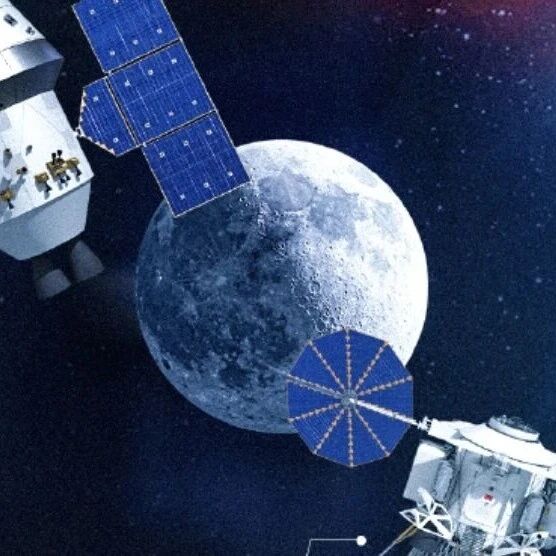
Core Viewpoint - The European Union (EU) is exploring space mining, particularly targeting the Moon, as a potential source for raw materials essential for renewable energy technologies due to reliance on non-EU countries being challenged [1][3]. Group 1: Space Mining Initiatives - The EU Commission's annual Strategic Foresight Report highlights the need for advanced mining technologies, including space mining, to secure critical materials like lithium, copper, nickel, and rare earth metals [1][3]. - Luxembourg is positioned as a hub for space mining in Europe, planning to utilize robotics for extracting resources from the Moon and asteroids, which are rich in practical metals and precious metals [3][4]. - The European Space Resources Innovation Centre (ESRIC) was established in 2020 to focus on the scientific, technological, and economic aspects of space resource utilization [4]. Group 2: Demand for Key Minerals - The demand for key minerals is surging due to the energy transition, with estimates indicating that the global copper mining requirement over the next 25 years will equal the total mined in history [5]. - The EU anticipates a 12-fold increase in lithium demand for batteries by 2030 compared to 2020 levels, and a 21-fold increase by 2050, while currently lacking any lithium mining operations within its borders [5]. - The EU is heavily reliant on imports for rare earth materials, with nearly 100% dependence, which poses risks of supply disruptions and price volatility [5]. Group 3: Challenges in Resource Recovery - Despite the strategic importance of rare earth recycling, a facility established by Heraeus in Germany to recover rare earth magnets is struggling to achieve full production capacity and is currently operating at a loss [6].