精确制导导弹

Search documents
最新消息,美军准备地面入侵伊朗?
天天基金网· 2026-03-29 02:53
Group 1 - The article discusses the escalating tensions in the Middle East, particularly focusing on military actions involving Iran and Israel [2] - On March 28, Israeli air forces conducted a large-scale airstrike in Tehran, targeting dozens of Iranian infrastructure sites, marking the third round of attacks that day [4][5] - Israeli military claims to have struck approximately 90% of Iran's key military industrial facilities, which are responsible for developing weapons that threaten Israel [6] Group 2 - The U.S. military is preparing for ground operations in Iran, with approximately 3,500 sailors and Marines arriving in the Central Command area aboard the "Liberty" amphibious assault ship [3][7] - Iran's military has warned that it will target universities in Israel and U.S. universities in the region as legitimate targets in response to recent attacks on Iranian facilities [10] - The Iranian Revolutionary Guard reported that an American F-16 fighter jet was hit during their military operations, which included drone strikes on U.S. and Israeli industrial sites [10]


德黑兰,遭大规模袭击!最新消息,美军准备地面入侵伊朗?
券商中国· 2026-03-29 02:32
Core Viewpoint - The article discusses the escalating tensions in the Middle East, particularly focusing on the military actions between Israel and Iran, highlighting significant airstrikes and military preparations by both sides [1][2][3]. Group 1: Military Actions - On March 28, Israel conducted a large-scale airstrike in Tehran, targeting dozens of Iranian infrastructure sites, marking the third round of such attacks that day [2][3]. - Approximately 50 Israeli fighter jets were involved in the airstrikes, which aimed at the headquarters of the Iranian Marine Industry Organization and various military production sites [3][4]. - Israeli military claims that they are close to completing strikes on about 90% of Iran's critical military facilities, which are believed to develop weapons that threaten Israel [5]. Group 2: U.S. Military Involvement - The U.S. military is preparing for ground operations in Iran, with reports indicating that approximately 3,500 sailors and Marines have arrived in the Central Command area aboard the "USS Tripoli" amphibious assault ship [2][6][7]. - The U.S. Central Command denied reports of attacks on American personnel in Dubai, asserting that no U.S. personnel were harmed [7]. Group 3: Iranian Response - Iran's Islamic Revolutionary Guard Corps announced the successful targeting of a U.S. F-16 fighter jet during their "Real Commitment-4" operation, which included strikes on U.S. and Israeli industrial sites [8]. - Iran has warned that universities in Israel and U.S. universities in the region will be considered legitimate targets in retaliation for recent attacks on Iranian educational institutions [8][9].

伊朗称不会相信美国的任何承诺、“军事行动进入全新阶段”,美放风护航,特朗普警告伊勿布雷!
美股IPO· 2026-03-10 23:55
Core Viewpoint - The ongoing military conflict between Iran and the US/Israel has escalated significantly, with Iran claiming to have taken the initiative and utilizing hypersonic missiles, while the US threatens to respond with maximum intensity [3][8][10]. Group 1: Military Actions and Responses - Iran has declared that it will not engage in negotiations and has taken military actions, including the use of hypersonic missiles, marking a new phase in the conflict [3][8]. - The US has conducted strikes against 16 Iranian minesweeping vessels in the vicinity of the Strait of Hormuz, asserting its military presence [7][10]. - The US Defense Secretary announced that the current military operation would involve the highest intensity of strikes, targeting Iran's missile storage and naval capabilities [10]. Group 2: Casualties and Impact - The conflict has resulted in over 1,800 deaths, significantly impacting the global energy market [4][17]. - Approximately 140 US military personnel have been reported injured since the onset of the military actions against Iran [15][16]. Group 3: International Reactions and Energy Security - Leaders from the UK, Germany, and Italy have emphasized the importance of keeping the Strait of Hormuz open and are coordinating efforts to address the Iranian threat [17]. - The International Energy Agency (IEA) has convened a special meeting to assess the oil supply security situation, with discussions on the potential release of strategic oil reserves [18]. - The US has begun to ease sanctions on Russian oil to mitigate energy market pressures, allowing India a 30-day exemption to purchase Russian oil [18]. Group 4: Diplomatic Efforts and Statements - Iranian officials have expressed distrust towards US diplomatic efforts, citing past experiences where negotiations were undermined by military actions [3][8]. - The Russian government has indicated a willingness to assist in diplomatic efforts to de-escalate the situation, emphasizing the need for a political resolution [19].
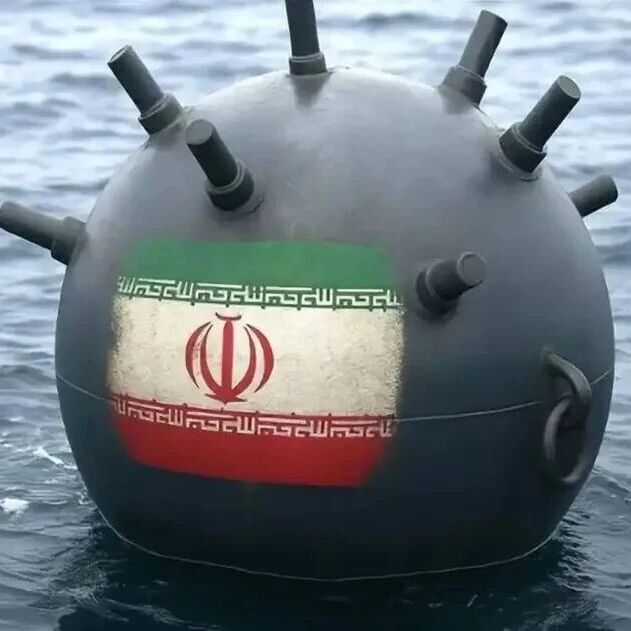
使用超100枚制导导弹!美军公布在叙打击行动详情
证券时报· 2025-12-20 07:50
Core Viewpoint - The article discusses the recent military actions taken by the U.S. against the Islamic State in Syria, highlighting the scale and intent of the operations as a response to previous attacks on U.S. personnel [2][5]. Group 1: Military Actions - The U.S. military initiated "Operation Eagle Eye" on December 19, targeting over 70 locations associated with the Islamic State in Syria [2][4]. - The operation involved the use of more than 100 precision-guided missiles, focusing on the infrastructure and weaponry of the Islamic State [4]. - U.S. forces, including fighter jets and attack helicopters, were supported by Jordanian military aircraft during the strikes [4]. Group 2: Context and Reactions - The military actions were a direct response to an attack on December 13 that resulted in the deaths of two U.S. soldiers and one American civilian, marking a significant escalation in hostilities [5]. - President Trump emphasized the operations as a "severe retaliation" against the Islamic State, indicating full support from Syrian authorities for the U.S. actions [5]. - The U.S. Defense Secretary described the operation as a declaration of revenge rather than the beginning of a new war [5].
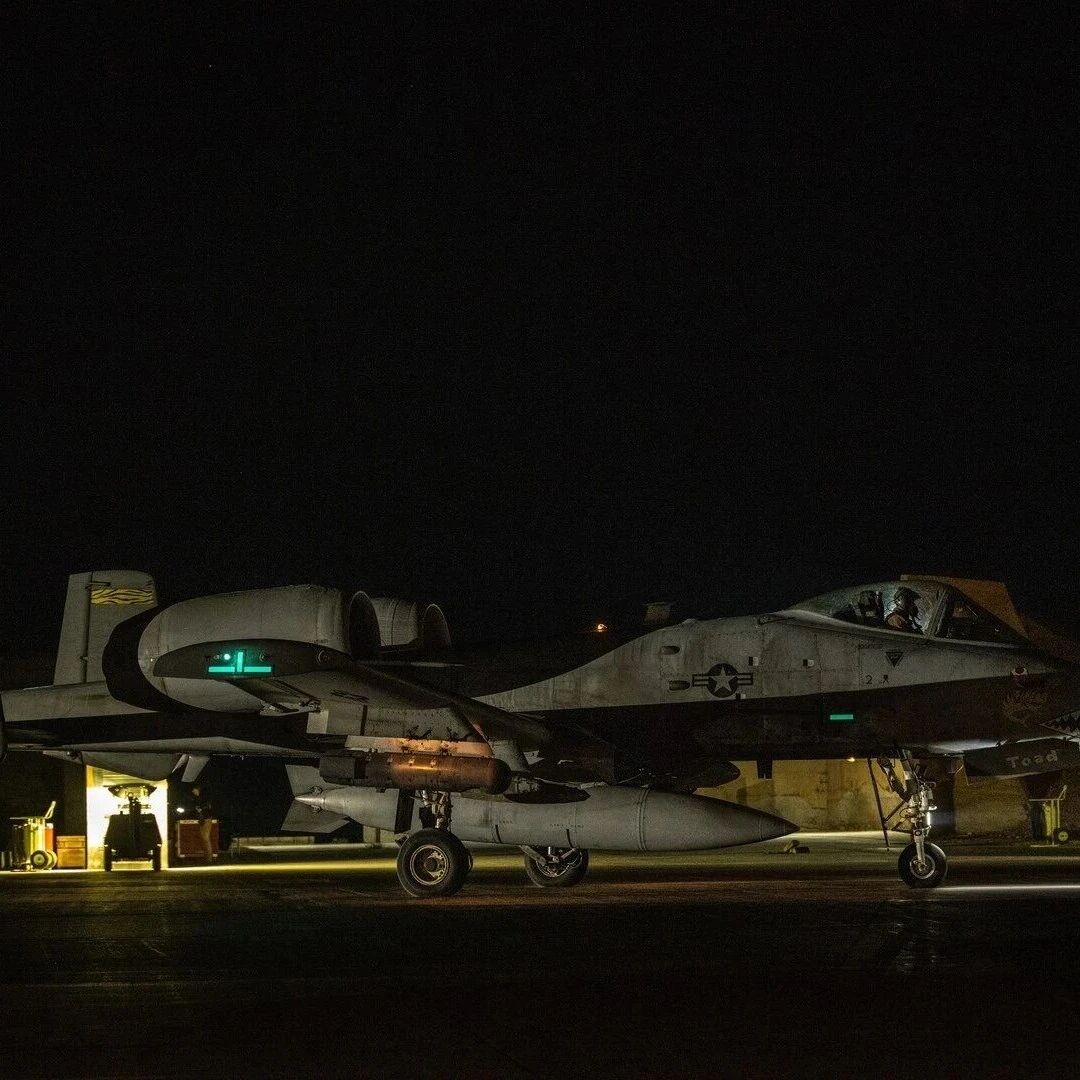
使用超100枚制导导弹 美军公布在叙打击行动详情
Yang Shi Xin Wen· 2025-12-20 02:57
Core Viewpoint - The U.S. military has initiated "Operation Eagle Eye Strike" against ISIS in Syria, targeting over 70 locations with the support of Jordanian forces, marking a significant escalation in military actions against the extremist group [1]. Group 1: Military Actions - The U.S. military began operations on October 19, targeting over 70 ISIS sites in central Syria using fighter jets, attack helicopters, and artillery, deploying over 100 precision-guided missiles [1]. - Following an attack on U.S. and Syrian personnel on October 13, the U.S. and its partners conducted 10 operations in Syria and Iraq, resulting in the death or capture of 23 terrorists [1]. Group 2: Political Context - President Trump stated on social media that the U.S. is launching a "severe retaliation" against ISIS, with full support from the Syrian government [1]. - The U.S. Defense Secretary emphasized that this operation is not the beginning of a war but a declaration of revenge [1]. - The Syrian transitional government's news minister confirmed a political cooperation declaration with the U.S.-led coalition against ISIS, highlighting Syria's role in combating terrorism and maintaining regional stability [2].
中美交涉失败,特朗普对华掀桌子,91票比7票,不许中企收购农田
Sou Hu Cai Jing· 2025-07-13 23:44
Group 1 - The recent conflict between the U.S. and China over a small portion of farmland has escalated tensions in U.S.-China relations, with the U.S. taking drastic measures such as contract termination and forced confiscation [1][4][15] - Chinese investments in U.S. agricultural land account for less than 0.03%, indicating that the perceived threat is minimal compared to investments from U.S. allies like Canada and the Netherlands, which far exceed Chinese investments [3][4][19] - The U.S. government's justification for these actions is framed around "national security" and "food security," but the data suggests that this narrative is not substantiated [4][6][11] Group 2 - The U.S. appears to be reacting out of a sense of insecurity as China has rapidly advanced in various sectors, including high-tech industries, leading to a shift in the power dynamic [8][11][23] - The U.S. is shifting its focus to agriculture as a new battleground, reflecting a lack of effective strategies in previous trade and technology conflicts [11][15][23] - China's response has been measured, emphasizing the importance of normal economic and trade relations and adjusting its asset allocation to reduce reliance on U.S. debt while increasing gold holdings [15][19] Group 3 - China holds a significant advantage in rare earth resources, which are critical for high-tech and military applications, giving it leverage in the ongoing tensions [17][19] - The U.S. faces a paradox where it seeks to impose restrictions on China while simultaneously recognizing its own vulnerabilities in rare earth supply, leading to a sense of urgency to negotiate [19][21] - If the U.S. proceeds with contract violations and confiscation of Chinese investments, it risks undermining its own reputation for rule of law and property rights, which could have far-reaching consequences for global investment [21][23]
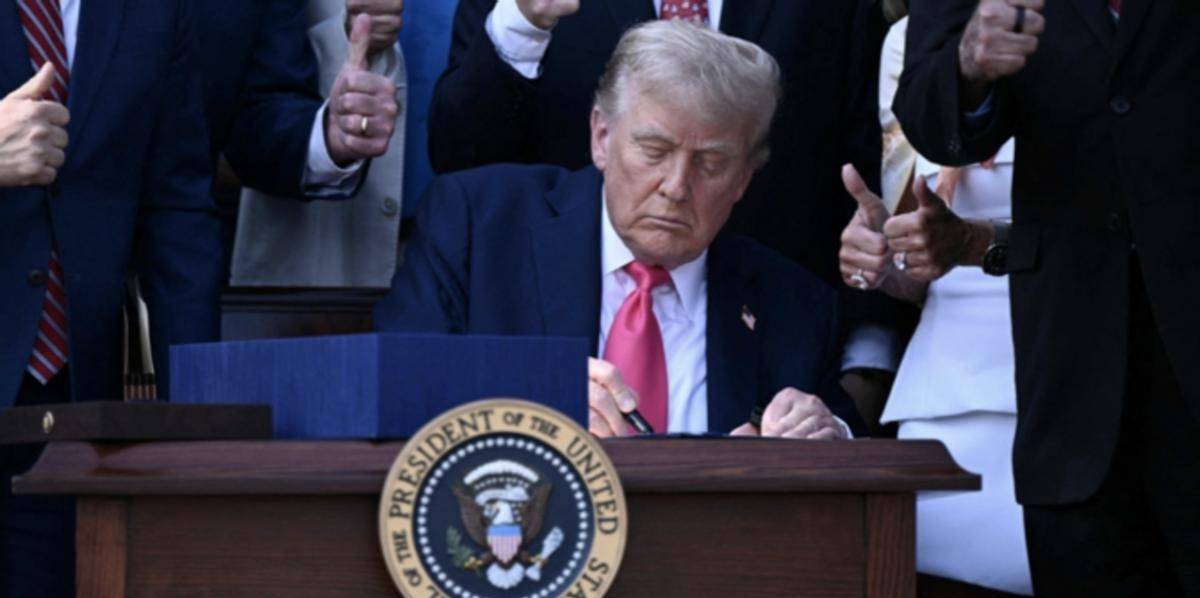
美军公布空袭伊朗核设施行动细节icon_voice_onicon_voice
Xin Hua She· 2025-06-22 15:26
Core Points - The U.S. military conducted a significant operation named "Midnight Hammer" targeting Iranian nuclear facilities, utilizing 7 B-2 bombers, marking the largest deployment of B-2s in history [1] - The operation involved a multi-layered deception strategy, with over 125 aircraft participating and approximately 75 precision-guided missiles launched [2] Group 1 - The B-2 bombers flew from the U.S. to Iran, maintaining radio silence and completing multiple aerial refuels during an 18-hour flight [1] - The operation commenced with a U.S. submarine launching over 20 Tomahawk missiles at ground targets near Isfahan before the B-2s entered Iranian airspace [1] - The B-2s dropped a total of 14 bunker-busting bombs on the Fordow and Natanz nuclear facilities, with the strikes occurring between 6:40 PM and 7:05 PM Eastern Time on June 21 [2] Group 2 - Initial assessments indicate that all three targeted nuclear facilities sustained severe damage, although a complete evaluation will take time [2] - Iranian aircraft did not engage during the operation, and their air defense systems appeared to be unaware of the U.S. military's presence [2]
伊朗革命卫队:以色列最新防御系统在拦截行动中失败,我们在最近的袭击中使用了以固体和液体燃料为动力的精确制导导弹。
news flash· 2025-06-21 01:34
Core Viewpoint - The Iranian Revolutionary Guard claims that Israel's latest defense system has failed in interception operations, highlighting the effectiveness of Iran's precision-guided missiles powered by solid and liquid fuels in recent attacks [1] Group 1 - The Iranian Revolutionary Guard asserts that Israel's defense system was unsuccessful in intercepting their recent missile attacks [1] - Iran utilized precision-guided missiles that are powered by both solid and liquid fuels during these operations [1]
稀土暴涨210%,中国动了真格,白宫有人递来软话,我们要慎防一件事
Sou Hu Cai Jing· 2025-05-08 10:49
Core Insights - China's export control on rare earth elements has significantly impacted the high-tech industries in Europe and the US, leading to a surge in prices for dysprosium and terbium, reaching $850/kg and $3000/kg respectively [2] - The US Treasury Secretary's call for constructive dialogue comes after the US military's realization of its dependency on rare earth imports, highlighting a shift in the narrative from confrontation to negotiation [4] - The rare earth supply chain's vulnerability has been exposed, with Western companies facing a critical choice: either establish manufacturing in China or pay exorbitant prices for second-hand rare earth materials [6] Group 1 - China's rare earth export control is a strategic move that targets critical components for military and green technologies, affecting 80% of US rare earth imports [2] - The price increase in rare earth elements is a direct consequence of China's control measures, which has left Western countries scrambling for alternatives [4] - The situation reflects a broader geopolitical struggle, where control over key materials translates into strategic advantages in technology and defense [6] Group 2 - The US's previous aggressive trade policies towards China, such as tariffs and restrictions on semiconductors, are now being reconsidered in light of the rare earth crisis [4] - There is a growing concern about potential smuggling and illegal trade of rare earths due to the significant price differences, prompting calls for stricter customs enforcement [4] - The ongoing rare earth competition emphasizes the importance of material control in the context of national security and technological advancement [6]