缪缪

Search documents
2025年零售圈十大收购事件发布
Tai Mei Ti A P P· 2026-01-06 13:14
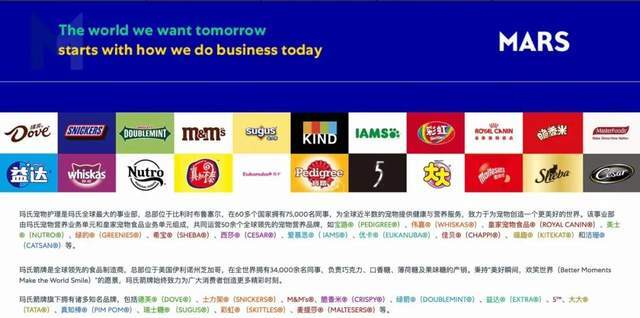
Core Insights - The retail industry experienced a significant wave of mergers and acquisitions in 2025, indicating a major capital reshuffle within the sector [1][27] - Major companies are either divesting non-core assets to focus on their main businesses or acquiring new brands to expand their portfolios [1][27] - Private equity firms are playing a crucial role in driving brand transformation and expansion in the retail sector [1][27] Group 1: Major Mergers and Acquisitions - Alibaba divested its stake in Suning and Intime Retail, marking a strategic shift to optimize resource allocation [3][26] - Mars, Incorporated completed the acquisition of Kellanova for approximately $35.9 billion, creating a global snack empire [5][7] - KKR acquired an 85% stake in Vista International, which is linked to the domestic beverage brand Da Yao, enhancing its control over the Chinese soda market [9][10] Group 2: Strategic Adjustments and Performance - After KKR's acquisition, Gao Xin Retail reported a revenue of 71.55 billion yuan, with a net profit of 386 million yuan, marking a turnaround from previous losses [4] - The acquisition of Kellanova by Mars is one of the largest in the packaged food sector in the last decade, highlighting the trend of consolidation among food giants [7][8] - CPE Yuanfeng's acquisition of Burger King China aims to accelerate local expansion with a commitment to invest $350 million [16][17] Group 3: Industry Trends and Future Outlook - The retail sector is shifting from scale expansion to lean operations, focusing on supply chain and brand value [2][27] - The relationship between brands and capital is evolving from mere financial support to active operational involvement, indicating a search for sustainable growth [27] - The ongoing mergers and acquisitions signal a re-evaluation of the value of physical retail, with supply chain and product strength becoming central to competition [27]


百亿接过烫手山芋,范思哲不良业绩或将连累“优等生”普拉达
Xin Jing Bao· 2025-04-12 07:16
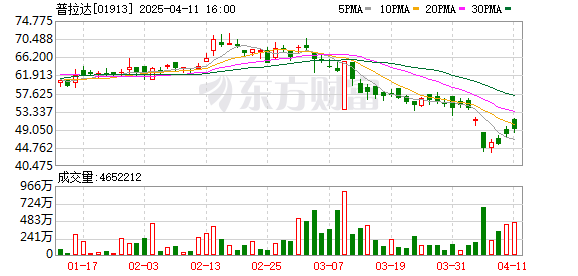
Core Viewpoint - Versace has been sold to Prada for $1.375 billion, approximately 33% less than the $2.15 billion paid by Capri Holdings seven years ago [1][2] Group 1: Acquisition Details - Prada announced on April 10 that it plans to acquire Versace for $1.375 billion (approximately €1.25 billion) [2] - Following the acquisition, Versace will become a subsidiary of Prada, which aims to leverage Versace's distinct aesthetic to complement its brand portfolio [2] - The acquisition price values Versace at 1.33 times its projected revenue for the fiscal year 2024 [6] Group 2: Financial Performance - Capri Holdings, Versace's parent company, has faced declining revenues, with a reported third-quarter revenue of $1.26 billion for the fiscal year ending December 28, 2024, down 11.6% year-over-year [4] - Versace's performance has been the weakest among Capri's brands, with a 28.2% year-over-year revenue drop to $201 million in the second quarter of fiscal 2025 [4] - In contrast, Prada reported a revenue of €5.432 billion for 2024, a 17% increase year-over-year, and a net profit of €839 million, marking a 25% increase [5] Group 3: Market Context and Challenges - The global luxury goods market is experiencing a downturn, with forecasts predicting annual growth of only 2% to 5% from 2025 to 2027 [7] - Analysts express mixed opinions on whether Prada's acquisition of Versace will be beneficial or pose financial risks, given the differing styles and consumer positioning of the two brands [6][7] - Prada's previous acquisition attempts have not been successful, raising concerns about its ability to enhance Versace's profitability [6]