价值重塑

Search documents
地缘局势的预期差为原油带来重估机会,石化ETF(159731)连续19个交易日合计“吸金”超14亿元
Sou Hu Cai Jing· 2026-02-03 05:36
Group 1 - The core viewpoint of the articles highlights the upward trend of the China Petroleum and Chemical Industry Index, with significant gains in stocks such as Zhejiang Longsheng, Guangwei Composites, and Hebang Biotechnology [1] - The largest petrochemical ETF (159731) has attracted a total of 1.413 billion yuan in funds over the last 19 trading days, with the latest share count reaching 1.656 billion and total scale at 1.616 billion yuan [1] - The U.S. government has intensified restrictions on oil-producing countries like Russia, Venezuela, and Iran since December 2025, leading to substantial disruptions in oil supply, while Brent crude oil prices have rebounded to around $70 per barrel [1] Group 2 - The petrochemical industry is expected to face a dual backdrop of macro oil price fluctuations and profound domestic industry changes by 2026, with a wide range of oscillations in the oil market due to weak supply-demand fundamentals and geopolitical risks [1] - Domestic industries are undergoing supply-side reforms and value reconstruction driven by the "14th Five-Year Plan" and "anti-involution" policies, shifting investment opportunities towards policy-driven and structural improvements [1] - The petrochemical ETF (159731) and its linked funds (017855/017856) focus on "big energy" security logic, allowing investors to benefit from downstream chemical profit recovery and secure upstream resource value through high allocations to major oil companies [2]
纯苯:供需重构 震荡修复
Zhong Guo Hua Gong Bao· 2026-02-03 03:37
Core Insights - The chemical industry is expected to transition from price competition to value creation by 2025, leading to a systematic restructuring of the entire chemical supply chain [1] - The pure benzene market experienced a significant decline in 2025, with prices dropping from 7464 yuan per ton in January to 5318 yuan in December, a decrease of over 40% [1] - For 2026, industry experts anticipate a "supply-demand restructuring and oscillatory recovery" in the pure benzene market, with overall transaction levels expected to gradually improve [1] Supply Dynamics - The rapid expansion of pure benzene production capacity in China has led to a supply surplus, with 2025 production reaching approximately 23 million tons and imports at 5.6083 million tons, marking increases of 10% and 30.03% year-on-year, respectively [2] - In 2026, the supply of pure benzene is expected to show "limited growth and structural optimization," as capacity expansion slows down, with new capacity additions around 2.26 million tons [2] - The exit of outdated production capacity, driven by carbon reduction policies, is accelerating, with about 15% of existing old facilities facing elimination or upgrades [2] Demand Factors - Traditional demand for pure benzene remains stable, primarily driven by the styrene sector, which accounts for approximately 48% of demand [4] - Although traditional demand is steady, emerging market demand is weak, with high-end applications like electronic-grade solvents and pharmaceutical intermediates making up less than 5% of total demand [4] - The overall growth rate for pure benzene demand in Asia is projected to be only 1.6% in 2026 due to global economic uncertainties and trade barriers [4] Market Outlook - The pure benzene market is expected to experience a "bull-bear tug-of-war and oscillatory recovery" in 2026, with prices rising from 5300 yuan to 6200 yuan, a 17% increase driven by improved fundamentals and pre-holiday stockpiling [5] - The market may enter a phase of oscillatory consolidation due to high inventory levels and the acceptance of price increases by downstream enterprises [5] - Long-term, the chemical sector's new cycle narrative will dominate the market, with supply-side constraints and steady traditional demand providing support for price recovery [6]
*ST国化预计25年度营收3.32亿元到3.57亿元 摘帽逻辑清晰、价值修复可期
Quan Jing Wang· 2026-01-30 08:46
Core Viewpoint - *ST Guohua (600636.SH) has announced a preliminary forecast for its 2025 annual performance, expecting revenue between 332 million and 357 million yuan, which exceeds the 300 million yuan threshold for delisting risk warning [1][2]. Group 1: Financial Performance - The company reported that its audited revenue for 2024 was 283 million yuan, triggering a delisting risk warning due to negative net profit and revenue below 300 million yuan [1]. - According to the revised Shanghai Stock Exchange rules, companies can remove the delisting risk warning if their revenue, after excluding unrelated and non-substantive income, meets or exceeds 300 million yuan [1][2]. Group 2: Regulatory Compliance - The company is expected to meet the core conditions for removing the delisting risk warning, provided that the audited revenue for 2025, after adjustments, remains above 300 million yuan [2]. - The company is required to disclose risk warning announcements every 10 trading days until the annual report is published, following the initial disclosure in January [2]. Group 3: Market Outlook - If the company successfully removes the delisting risk warning, its stock will return to a 10% price fluctuation limit, improving liquidity and valuation recovery potential [3]. - The company is positioned to benefit from policy support in smart education and advancements in AI+ education products, enhancing its competitive edge in the main business [3].

A股指数涨跌不一:创业板指跌0.69%,石油、航天系等板块涨幅居前
Feng Huang Wang Cai Jing· 2026-01-09 01:30
Market Overview - The three major indices opened mixed, with the Shanghai Composite Index up by 0.09%, the Shenzhen Component down by 0.30%, and the ChiNext Index down by 0.69% [1] - The oil, aerospace, and telecommunications sectors showed strong performance, while industrial gases, electronic chemicals, and energy metals faced declines [1] Index Performance - Shanghai Composite Index: 4086.76, up 0.09%, with a trading volume of 116.12 billion [2] - Shenzhen Component Index: 13917.78, down 0.30%, with a trading volume of 192.72 billion [2] - ChiNext Index: 3279.38, down 0.69%, with a trading volume of 75.19 billion [2] - Northbound 50 Index: 1511.97, up 0.24%, with a trading volume of 2.78 billion [2] External Market - U.S. stock indices closed mixed, with the Dow Jones up by 270.03 points (0.55%) at 49266.11, while the Nasdaq fell by 104.26 points (0.44%) to 23480.02 [3] - The Nasdaq China Golden Dragon Index rose by 1.09%, with notable gains in stocks like Bilibili (up over 6%) and Alibaba (up over 5%) [3] Institutional Insights - Huatai Securities suggests continuing to position for the spring market, with a balanced allocation between growth and cyclical sectors, highlighting improvements in upstream resources, public industries, TMT, and essential consumer goods [4] - CITIC Securities emphasizes capturing structural market opportunities, focusing on large-cap growth stocks with improving fundamentals [5] - Guojin Securities sees potential for value reconstruction in the wind power industry, recommending focus on manufacturing, subsea cables, and component companies benefiting from domestic and international market changes [6] - Tianfeng Securities is optimistic about A-share gaming companies entering a strong product cycle in 2026, driven by improved supply conditions and stable regulatory environments [7][8] - CICC notes the real estate sector's shift towards asset management, emphasizing the need for high-quality development in housing and operational real estate [9]



2025年零售圈十大收购事件发布
Tai Mei Ti A P P· 2026-01-06 13:14
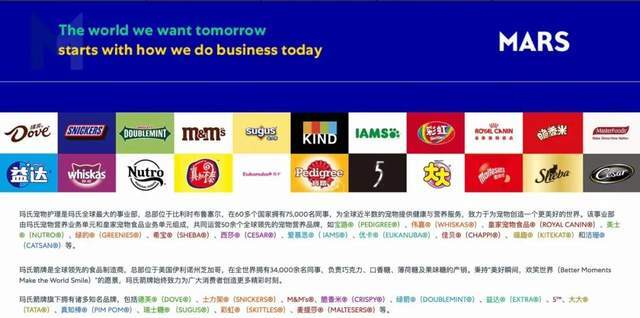
Core Insights - The retail industry experienced a significant wave of mergers and acquisitions in 2025, indicating a major capital reshuffle within the sector [1][27] - Major companies are either divesting non-core assets to focus on their main businesses or acquiring new brands to expand their portfolios [1][27] - Private equity firms are playing a crucial role in driving brand transformation and expansion in the retail sector [1][27] Group 1: Major Mergers and Acquisitions - Alibaba divested its stake in Suning and Intime Retail, marking a strategic shift to optimize resource allocation [3][26] - Mars, Incorporated completed the acquisition of Kellanova for approximately $35.9 billion, creating a global snack empire [5][7] - KKR acquired an 85% stake in Vista International, which is linked to the domestic beverage brand Da Yao, enhancing its control over the Chinese soda market [9][10] Group 2: Strategic Adjustments and Performance - After KKR's acquisition, Gao Xin Retail reported a revenue of 71.55 billion yuan, with a net profit of 386 million yuan, marking a turnaround from previous losses [4] - The acquisition of Kellanova by Mars is one of the largest in the packaged food sector in the last decade, highlighting the trend of consolidation among food giants [7][8] - CPE Yuanfeng's acquisition of Burger King China aims to accelerate local expansion with a commitment to invest $350 million [16][17] Group 3: Industry Trends and Future Outlook - The retail sector is shifting from scale expansion to lean operations, focusing on supply chain and brand value [2][27] - The relationship between brands and capital is evolving from mere financial support to active operational involvement, indicating a search for sustainable growth [27] - The ongoing mergers and acquisitions signal a re-evaluation of the value of physical retail, with supply chain and product strength becoming central to competition [27]


破局困境资产!建元信托副总裁李林:打造特殊资产处置“新范式”
券商中国· 2026-01-06 08:42
Core Viewpoint - The article emphasizes the growing importance of special asset management in the context of economic restructuring and the need for diversified asset disposal strategies, highlighting the role of JianYuan Trust in this sector [1][2]. Group 1: Special Asset Business Opportunities - JianYuan Trust has achieved a business scale of 130 billion yuan in special asset management over the past two years, positioning itself as a key player in this market [1]. - The company views itself as a "discoverer, activator, and enabler" of special asset value, focusing on risk disposal services, revitalization of state-owned assets, and comprehensive services for non-performing assets [1][13]. - The trust's unique resources, including its location in Shanghai and partnerships with major stakeholders, provide a solid foundation for its special asset business [3]. Group 2: Industry Trends and Strategic Positioning - The special asset business is seen as a "value lowland" in the financial market, with JianYuan Trust strategically focusing on this area to align with industry transformation and regulatory changes [2]. - The introduction of new regulations in the trust industry has clarified its role in supporting the real economy and protecting creditor interests, making special asset management a critical tool for financial risk mitigation [2]. Group 3: Challenges and Market Dynamics - Despite facing challenges such as complex pricing and increased competition, the special asset business is gaining importance due to its counter-cyclical nature, requiring specialized capabilities for value reconstruction [4]. - The supply of special assets is increasing in both quantity and quality, driven by various economic adjustments, creating opportunities for professional management and restructuring [4]. Group 4: Methodologies and Best Practices - JianYuan Trust has developed a methodology for asset disposal that emphasizes timely decision-making and the use of diverse tools to break deadlocks, such as bankruptcy restructuring and market-oriented reorganization [6][7]. - The company aims to shift from passive disposal to proactive management, creating an ecosystem that integrates industry, capital, judiciary, and government resources for effective asset value recovery [7]. Group 5: Future Outlook and Strategic Goals - JianYuan Trust anticipates significant growth in its special asset business, projecting a doubling of revenue in the coming year, with a focus on transforming from passive disposal to active empowerment of assets [12][13]. - The company aims to create a replicable model for special asset management that emphasizes risk resolution, value enhancement, and industrial empowerment, contributing to the broader financial ecosystem [13].


企业白牌爆品品牌营销怎么做?奇正沐古有方法
Sou Hu Cai Jing· 2026-01-06 00:57
Core Insights - The article emphasizes that the traditional low-cost and short-term profit strategies of white-label brands are unsustainable for long-term growth, highlighting the need for a shift towards a more strategic approach in product development and marketing [1][10]. Group 1: Product Development Strategies - White-label brands have achieved rapid growth through a "private label + traffic operation" model, but many face the fate of becoming "short-lived internet celebrities" due to a lack of core competitiveness and reliance on low prices [1][3]. - Successful case studies, such as "Yang Xiaoguai Snacks," demonstrate the importance of capturing real consumer needs and avoiding blind trend-chasing by focusing on health and convenience [4][5]. - The article suggests that value reconstruction is essential to break the cycle of price competition, advocating for a shift from extreme price cuts to value-based competition [5][6]. Group 2: Marketing and Operational Efficiency - The article critiques the traditional approach of heavy investment in traffic without precision, leading to high conversion costs, and proposes a "full-channel collaboration" strategy to maximize traffic efficiency [7][8]. - Successful examples include "Qibeile," which improved its market position by focusing on a specific product category and optimizing its marketing strategies across various platforms [8][9]. Group 3: Long-term Brand Development - The article stresses the importance of long-term planning to extend the lifecycle of products and transition from white-label to brand status, highlighting the need for a long-term mindset and comprehensive capabilities [9][10]. - Case studies, such as "Dongdong Bao," illustrate how establishing a strong brand identity and enhancing user engagement can lead to significant growth and customer loyalty [9][11].
走出低谷:硅基新材料破局低价竞争之殇
2 1 Shi Ji Jing Ji Bao Dao· 2025-12-30 23:03
Core Viewpoint - The silicon-based new materials industry in China is transitioning from low-price competition to value competition, driven by policy guidance, innovation, and industry collaboration [1][3][4]. Group 1: Industry Challenges - The silicon-based new materials sector has faced structural contradictions due to rapid capacity expansion, particularly in the organic silicon field, where annual capacity growth exceeded 15% while market demand grew only 8%-10% [2]. - Companies are engaged in price wars, with some selling below cost, leading to significant profit margin compression and reduced investment in R&D and innovation [2][3]. - Product homogeneity is prevalent, with many small enterprises lacking core technology and focusing on low-value products, while high-end products remain heavily reliant on imports [2]. Group 2: Policy and Industry Response - In response to the low-price competition, leading companies like Hoshine Silicon Industry have taken the initiative to promote self-discipline and industry consensus to combat price wars [3][4]. - The Chinese government has introduced policies to regulate market competition, including a notice from the National Development and Reform Commission aimed at curbing disorderly pricing practices [3][4]. Group 3: Value Creation and Innovation - Hoshine Silicon Industry emphasizes internal transformation through refined management, technological innovation, and industry chain collaboration to enhance resilience and break free from price competition [5][6]. - The company has maintained a research and development expenditure growth rate of over 20% annually, significantly above the industry average, and has established partnerships with academic institutions to foster innovation [6]. Group 4: Market Recovery and Future Outlook - Since 2025, the organic silicon industry has seen improvements in supply-demand dynamics, with core product prices rebounding and profitability recovering among leading companies [7]. - The demand is shifting towards high-value sectors such as new energy vehicles, photovoltaics, and 5G communications, while the capacity expansion cycle has ended, indicating a transition towards green transformation and technological upgrades in the silicon-based new materials sector [7].

邓正红能源软实力:原油市场走势在规则重构与价值重塑的拉锯中维持震荡格局
Sou Hu Cai Jing· 2025-12-18 05:19
Group 1: Oil Price Movements - International oil prices increased on December 17, with West Texas Intermediate crude oil rising by $0.67 to $55.94 per barrel, a 1.21% increase, and Brent crude oil rising by $0.76 to $59.68 per barrel, a 1.29% increase [1] - The fluctuations in oil prices are attributed to geopolitical tensions and supply-demand imbalances, reflecting a complex interplay between sanctions and market conditions [2][4] Group 2: U.S. Sanctions on Russia and Venezuela - The U.S. is preparing to implement new sanctions on the Russian energy sector in response to President Putin's refusal to accept a peace agreement regarding Ukraine, targeting "shadow tanker fleets" and traders facilitating related transactions [1][3] - The U.S. has announced a complete blockade of all sanctioned tankers entering and exiting Venezuela, which has led to a significant tightening of Venezuela's oil storage capacity, expected to reach its maximum in about 10 days [2][4] Group 3: Energy Market Dynamics - The U.S. sanctions are seen as a strategic move to reshape global energy flows, with implications for the pricing power of oil and the dynamics of energy trade [3][5] - The sanctions create a feedback mechanism with the ongoing negotiations for a peace agreement in Ukraine, illustrating the interplay between geopolitical strategy and market responses [3][4] Group 4: Inventory Reports and Market Reactions - The U.S. Energy Information Administration reported a decrease in crude oil inventories by 1.274 million barrels, while gasoline inventories increased by 4.808 million barrels, indicating a mixed supply-demand scenario [2] - The market's reaction to the sanctions and inventory changes has led to increased risk premiums, affecting the pricing of oil, particularly from sanction-sensitive countries like Russia and Venezuela [4][5]
5.5亿元!又一锂电项目暂缓实施
起点锂电· 2025-12-13 11:08
Core Viewpoint - The lithium battery industry is experiencing a high growth trend, but many related projects are facing delays and adjustments due to changes in the internal and external environment [2][8][13]. Group 1: Event Announcement - The 2025 (10th) Lithium Battery Industry Annual Conference and Lithium Battery Golden Ding Award Ceremony will be held on December 18-19, 2025, at the Venus Hall, Shenzhen [2]. - The event is organized by Qidian Lithium Battery, Qidian Energy Storage, and Qidian Research Institute, celebrating the 10th anniversary of Qidian Research [2]. Group 2: Company Updates - Kaisheng New Materials announced a delay in the implementation of its public offering of convertible bonds for a new lithium salt project, which was initially planned to produce 10,000 tons per year [3][8]. - The company raised a total of 650 million yuan (approximately 6.5 billion yuan) through the issuance of convertible bonds, with a net amount of 637.9 million yuan after deducting issuance costs [4]. - As of November 30, the new lithium salt project had not commenced construction, and only 100 million yuan had been allocated to supplement working capital [5][6]. Group 3: Financial Performance - For the first three quarters of 2025, Kaisheng New Materials reported a revenue of 774 million yuan, representing a year-on-year increase of 11.22%, and a net profit attributable to shareholders of 116 million yuan, up 121.56% year-on-year [9]. Group 4: Industry Trends - Other companies in the lithium battery supply chain, such as Tianci Materials and Mingguan New Materials, have also announced project delays, indicating a broader trend of cautious project management in the industry [13][14]. - The adjustments are attributed to rapid technological updates in lithium battery technology and the need to avoid overcapacity, suggesting a shift towards more mature and prudent business strategies [15].