美国转基因玉米

Search documents
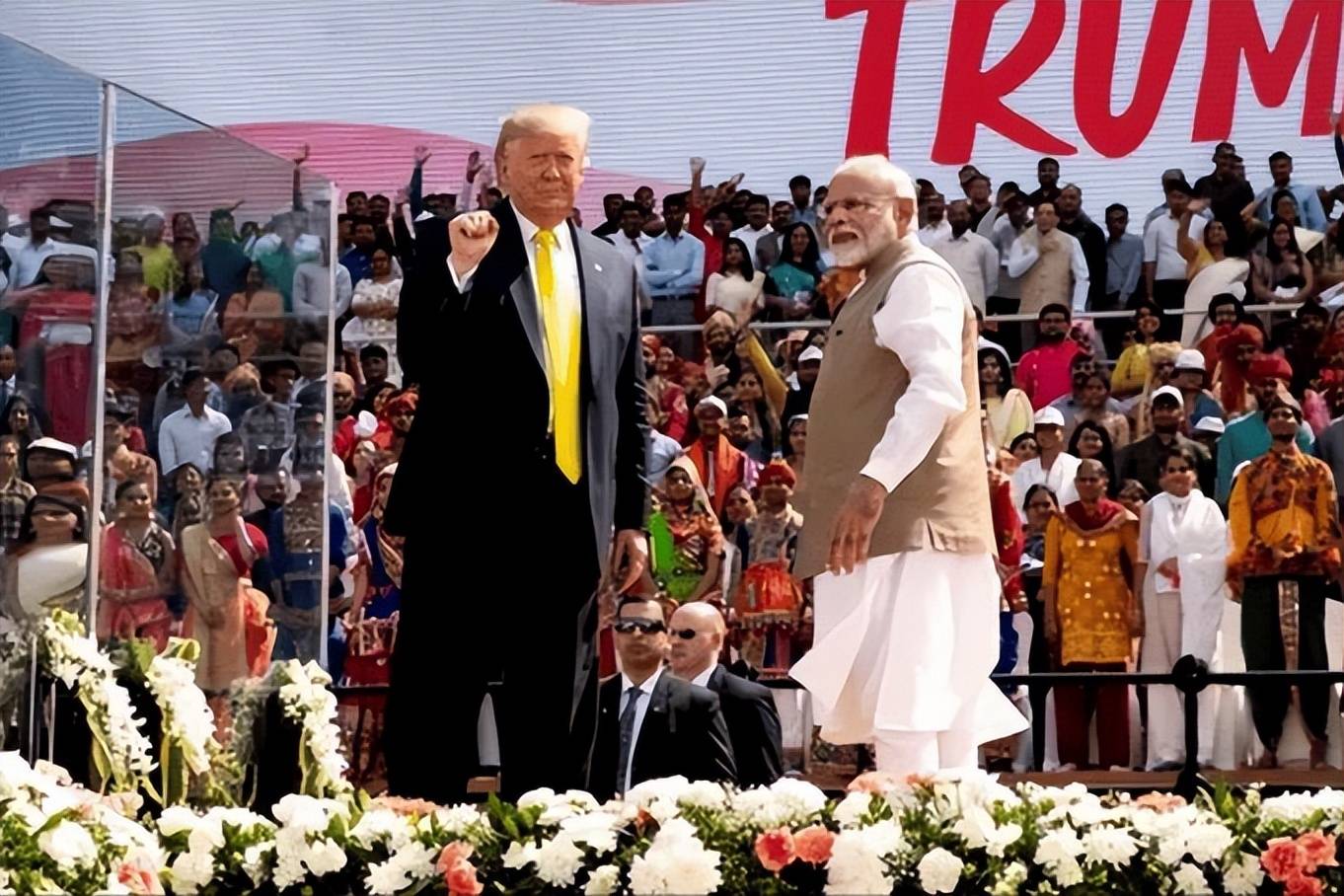
特朗普对印度下“关税通牒”:再买俄油,等着交50%的高额关税!印度482亿出口要凉?
Sou Hu Cai Jing· 2025-10-20 14:26
Core Viewpoint - Trump has issued a "tariff ultimatum" to India, threatening hefty fines if India continues to purchase Russian oil, which could escalate tensions between the US and India and disrupt global trade [1][8]. Group 1: Tariff Actions - Trump has already imposed tariffs on India three times, starting with a 25% tariff on goods exported to the US in late July, followed by an additional 25% tariff due to India's oil purchases from Russia, raising the total tariff rate to 50% [3]. - The tariffs could impact India's $48.2 billion export revenue, especially considering the projected $128.8 billion total trade volume between India and the US for 2024 [3]. Group 2: Geopolitical Implications - The situation reflects a larger geopolitical struggle, where the US seeks market access while India aims to protect its agricultural sector, which supports 60% of its population [5]. - The US is pressuring India to choose sides, as India benefits from purchasing Russian oil at lower prices while also wanting to enhance its international standing through relations with the US [5]. Group 3: Future Outlook - The likely outcome of this conflict is a "fight without breaking," where India may publicly resist US pressure while quietly seeking negotiation space by reducing tariffs on US products like bourbon whiskey [6]. - The US may not fully sever ties with India, as losing India would weaken its "Indo-Pacific strategy," suggesting that the situation may result in targeted industry actions rather than a complete fallout [6].

一天倒计时!特朗普封关前夜,印度突然出手,美国战略或遭重创?
Sou Hu Cai Jing· 2025-07-09 07:51
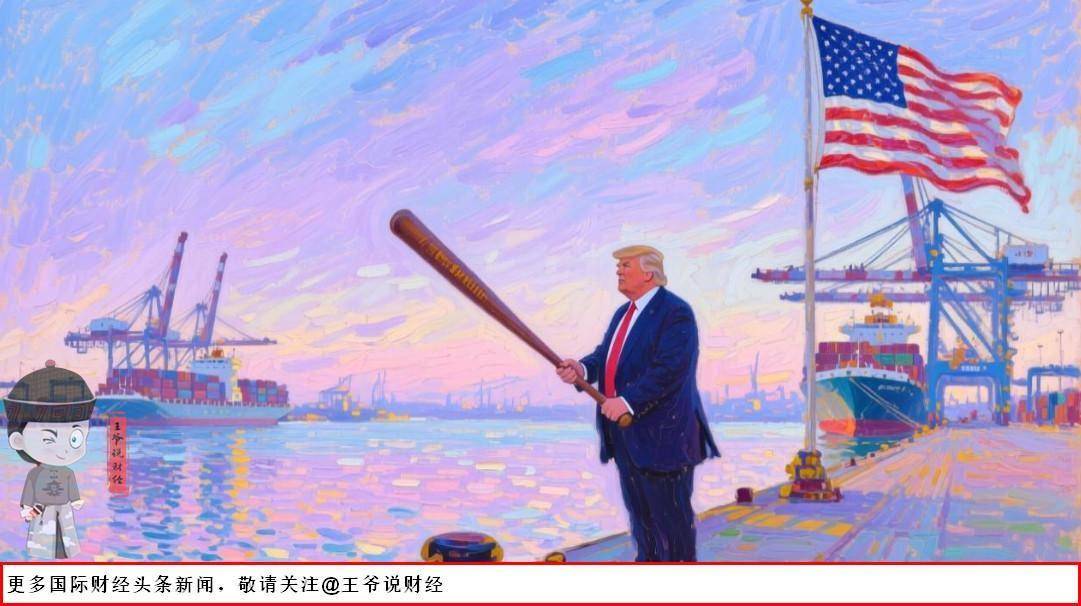
Core Viewpoint - India, traditionally cautious in its diplomatic strategies, has unexpectedly chosen to confront the United States amidst the backdrop of Trump's impending "reciprocal tariffs" policy, signaling a significant shift in its approach to U.S. relations [1][3][5]. Group 1: India-U.S. Trade Relations - India has been under pressure from the Trump administration to lower tariffs on U.S. goods, especially as the U.S. has become one of India's largest trading partners [5][7]. - Despite a history of friendly relations, the U.S. demands, particularly regarding agricultural products, have led to a stalemate, with India unwilling to compromise on its agricultural market [8][10]. - On July 4, India announced retaliatory tariffs on U.S. goods worth approximately $725 million, marking a public counteraction against U.S. trade strategies [11]. Group 2: Diplomatic Maneuvers - India's stance at the BRICS summit has shifted, moving from a supportive role of U.S. interests to a more confrontational position, indicating a strategic pivot in its international relations [12][15]. - India is also seeking to undermine U.S. influence on the global stage by collaborating with other international organizations and advocating for reforms in the International Monetary Fund (IMF) [13][15]. Group 3: Domestic Considerations - The Indian government's response to U.S. demands is influenced by domestic political factors, particularly the religious and cultural implications of agricultural policies, which are critical to Prime Minister Modi's political standing [17][19]. - Modi's firm stance on agricultural market control reflects the need to maintain support from significant voter demographics, particularly those influenced by Hindu religious beliefs [17][19]. Group 4: Broader Implications - The ongoing trade tensions between India and the U.S. could have wider repercussions, potentially affecting U.S. trade strategies and its broader geopolitical objectives, including its approach to China [19][20]. - India's awareness of China's trade negotiations with the U.S. has prompted it to adopt a more assertive position, as it seeks to enhance its own standing on the global economic stage [20].