
耳钉

Search documents
一级致癌物,超标9000倍!低价饰品被曝光,美丽外表下的健康雷区
Sou Hu Cai Jing· 2025-11-25 02:56
Core Viewpoint - The article highlights the health risks associated with alloy jewelry, particularly the prevalence of allergic reactions due to the presence of heavy metals like nickel and cadmium in these products [3][5][7]. Group 1: Health Risks - Patients at Peking University People's Hospital have been diagnosed with "jewelry dermatitis" due to prolonged wear of alloy jewelry, leading to symptoms such as skin redness, itching, and peeling [3]. - The primary culprits for allergic reactions are heavy metals found in jewelry, with nickel and cadmium being significant offenders [5][7]. - A significant number of jewelry samples tested showed that 17 out of 21 did not meet the required thickness standards for gold and silver plating, with some items having plating thicknesses far below the industry standards [5]. Group 2: Market Practices - Many jewelry items are sold at low prices, often misleading consumers regarding their material composition, with some items falsely labeled as gold or silver [5][9]. - Some merchants use deceptive practices, such as marking jewelry with high-purity indicators like "999" or "S925," while the actual metal content is significantly lower [7][12]. - The rise of live-stream selling has led to the distribution of substandard jewelry, with consumers expressing concerns over the authenticity of products being sold [9][12]. Group 3: Consumer Awareness and Regulation - The China Consumers Association reported a 43% increase in complaints related to jewelry, with 72% of these complaints concerning material misrepresentation [11]. - Experts suggest simple testing methods for consumers to check the authenticity of jewelry, although these methods may damage the items [11]. - Regulatory bodies are planning to initiate special inspections to combat fraudulent labeling of jewelry, particularly those claiming to be made of precious metals when they are not [12].

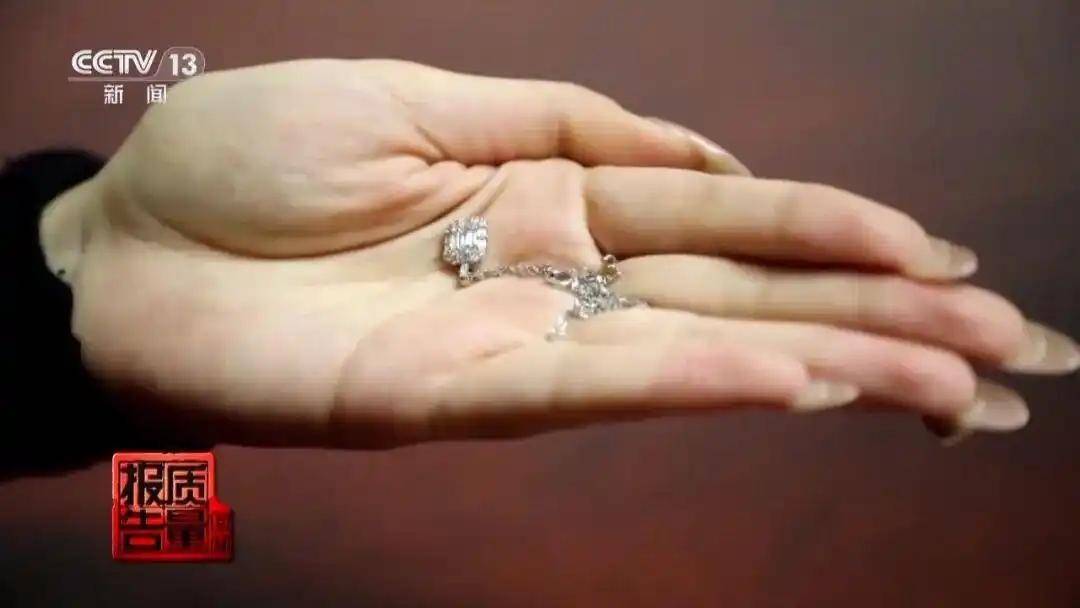
廉价首饰致癌物超标9000多倍,官方:已抽样送检
Xin Jing Bao· 2025-11-24 14:13
Core Viewpoint - The issue of "cheap jewelry containing carcinogenic substances exceeding standards by over 9000 times" has garnered significant attention, particularly regarding the detection of cadmium in jewelry samples from a wholesale market in Guangzhou [1] Group 1: Regulatory Response - The Guangzhou Market Supervision Administration has initiated joint inspections with the police across various districts following the detection of hazardous materials in jewelry [1] - The administration has confirmed that they are conducting random checks on the implicated products and will take further action based on the test results [1] Group 2: Health Implications - Cadmium, identified as a Class 1 carcinogen, poses serious health risks as it accumulates in the human body and is difficult to metabolize, increasing the risk of cancer with prolonged exposure [1] - Out of 21 jewelry samples collected from various locations, 17 were found to have gold and silver plating thickness that did not meet standard requirements [1]
镉超标9000多倍,“银”以为美实则“毒”不可言
Xin Jing Bao· 2025-11-24 10:24
Core Viewpoint - The article highlights the health risks associated with low-quality alloy jewelry, particularly the prevalence of "jewelry dermatitis" caused by allergic reactions to heavy metals like nickel and cadmium, and the misleading marketing practices surrounding these products [1][2]. Group 1: Health Risks - Many patients have developed skin conditions due to prolonged wear of alloy jewelry, leading to symptoms such as redness, itching, and peeling [1]. - A significant number of tested jewelry samples (17 out of 21) failed to meet the required thickness standards for gold and silver plating, with some items having plating thicknesses as low as 0.03 micrometers for gold, far below the standard of 0.5 micrometers [2]. - Certain jewelry items contain dangerously high levels of cadmium, a known carcinogen, with one sample exceeding the safe limit by over 9000 times, posing serious health threats to consumers [2]. Group 2: Market Practices - The jewelry market is rife with issues of false advertising and substandard products, where many items are sold at low prices without proper quality assurance [1][3]. - Retailers often mislabel their products, claiming they are made of precious metals while using cheaper alloys, misleading consumers about the safety and quality of the items [2]. - The prevalence of these low-quality products is not limited to physical markets but is also widespread on e-commerce platforms and live-streaming sales [3]. Group 3: Regulatory Recommendations - There is an urgent need for stricter regulations and oversight in the jewelry market to combat false advertising and ensure product safety [4]. - Regulatory bodies should increase inspections and penalties for non-compliant products to protect consumer rights and public health [4]. - E-commerce platforms must take responsibility for screening and verifying the quality of jewelry sold on their sites to prevent the circulation of hazardous items [4].
得不偿失!“7天无理由退货”不是“0元购”
Ren Min Wang· 2025-11-11 00:55
Core Viewpoint - The article discusses a legal case in which a buyer abused the "7-day no-reason return" policy on an e-commerce platform, leading to a court ruling against the buyer for refunding unreturned goods and compensating the seller for losses incurred [1][7]. Group 1: Case Background - The buyer, referred to as Cai, frequently returned items purchased from a seller, Li, using the "7-day no-reason return" policy, leading to disputes over refunds [2][3]. - Cai made 69 orders totaling 5581.9 yuan and later attempted to return items using the same tracking number for multiple orders, which the seller contested [2][4]. Group 2: Legal Proceedings - The seller, Li, provided evidence of Cai's repeated misuse of tracking numbers and the e-commerce platform's warning about potential fraudulent activity [3][4]. - The court found that Cai's actions constituted abuse of the return policy, as he had no genuine intent to purchase the items, and ruled that he must return 48599.13 yuan for unreturned goods [7][8]. Group 3: Implications for E-commerce - The case highlights the need for both sellers and buyers to engage in honest transactions, as misuse of return policies can disrupt market order and lead to legal consequences [9][10]. - Recommendations include improving return verification processes on e-commerce platforms and establishing credit scoring systems to monitor consumer behavior [10][11].