联想moto X70 Air

Search documents
iPhone降价,破纪录了
3 6 Ke· 2026-01-26 23:59
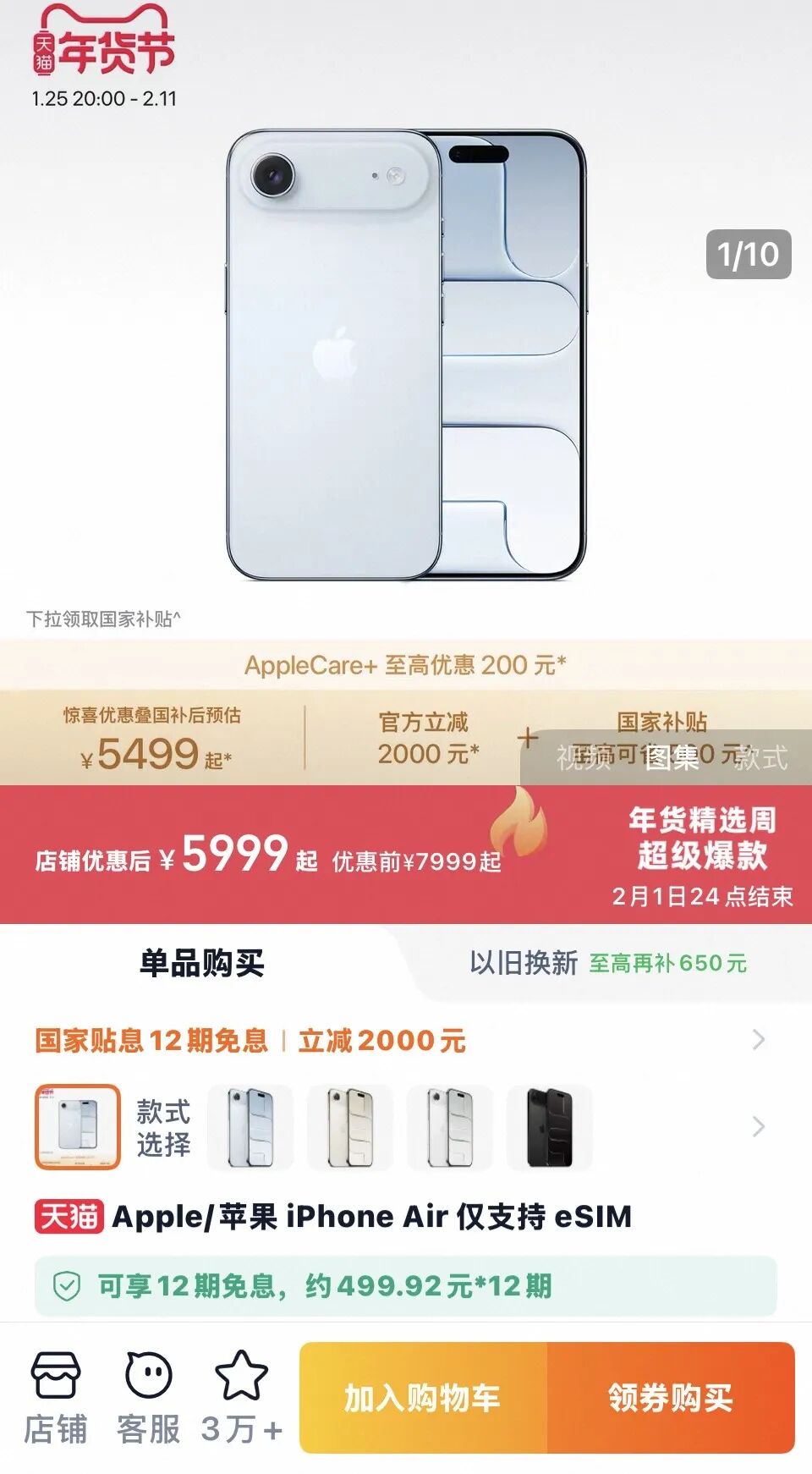
Core Viewpoint - The iPhone Air, released only three months ago, has become a focal point due to a significant price drop, with a reduction of 2000 yuan, bringing the starting price to 5499 yuan after regional subsidies [1][3]. Group 1: Market Performance and Consumer Response - The iPhone Air's market performance has been disappointing, leading to the dismantling of several production lines by Apple suppliers [3][9]. - The device has not resonated with the majority of consumers, as its lightweight design appeals to a niche market rather than the broader audience [4][10]. - The iPhone Air's initial sales were overshadowed by the iPhone 17 series, which dominated sales rankings during the same period [4][8]. Group 2: Product Features and Consumer Expectations - To achieve its slim profile of 5.6 mm and weight of 165 grams, the iPhone Air compromised on key features, including a smaller battery capacity of 3149 mAh and a single camera setup [5][7]. - Consumers are increasingly unwilling to pay flagship prices for devices that lack high-end specifications, leading to a perception of the iPhone Air as a "downgraded" option [8][9]. - The high initial price of 7999 yuan, which is comparable to other flagship models with superior specifications, has further hindered its appeal [8][9]. Group 3: Industry Trends and Competitor Actions - The smartphone market is witnessing a shift, with many manufacturers, including Xiaomi and OPPO, canceling lightweight model projects in response to consumer feedback [9][10]. - Competitors are adopting a more balanced approach, offering lightweight models with better specifications at lower price points, which has proven more successful in the market [13][19]. - The iPhone Air's lack of success does not indicate a failure in the lightweight category, as the industry continues to explore innovations in design and functionality [20][21].


iPhone Air,要凉?
3 6 Ke· 2025-12-08 23:27
Core Viewpoint - The iPhone Air, despite being marketed as the "thinnest iPhone" at 5.6mm thick and weighing 165g, has underperformed in the market since its launch on October 22, 2025, leading to the dismantling of several production lines by Apple suppliers [1][3]. Market Performance - The iPhone Air has not met sales expectations, with reports indicating that Apple suppliers have removed multiple production lines dedicated to this model [3][8]. - In contrast, the iPhone 17 series has performed exceptionally well, dominating sales rankings during the recent "Double 11" shopping festival, while the iPhone Air was notably absent from the top lists [3][6]. Consumer Preferences - The iPhone Air caters to a niche market that values lightweight design, but this demographic is not representative of the broader consumer base, which prioritizes features such as performance and battery life over thinness [3][6]. - The device's specifications, including a 3149mAh battery and single-camera setup, have been perceived as compromises, leading consumers to view the iPhone Air as a "downgraded" option compared to other flagship models [4][6]. Pricing and Competition - Priced at 7999 yuan, the iPhone Air is more expensive than many Android flagship models, yet offers less storage capacity than the iPhone 17, which is available at the same price point [7][8]. - The high-end smartphone segment has seen significant growth, with models priced above 6000 yuan accounting for 50% of sales, indicating that consumers are willing to pay for premium features rather than just a lightweight design [7][8]. Industry Response - The lack of consumer interest in lightweight models has prompted both Apple and Android manufacturers to reconsider their strategies, with reports of Android brands like Xiaomi, OPPO, and vivo canceling their lightweight projects [8][9]. - Analysts suggest that while there is a demand for thinner devices, it is not a primary concern compared to performance and battery life, leading to a reevaluation of the lightweight smartphone market [8][9]. Future Outlook - The iPhone Air may not be positioned for annual updates, indicating that Apple might not prioritize this model for mass production, but rather use it as a testbed for future innovations, such as foldable devices [9][10]. - The overall trend in the smartphone industry suggests that while lightweight designs are appealing, the focus will likely shift back to performance and advanced features, including AI capabilities, in future product developments [17][18].
别乱叫Air! 联想moto内涵友商,“落后者”定义标准遭群嘲 | BUG
Xin Lang Ke Ji· 2025-11-13 00:43
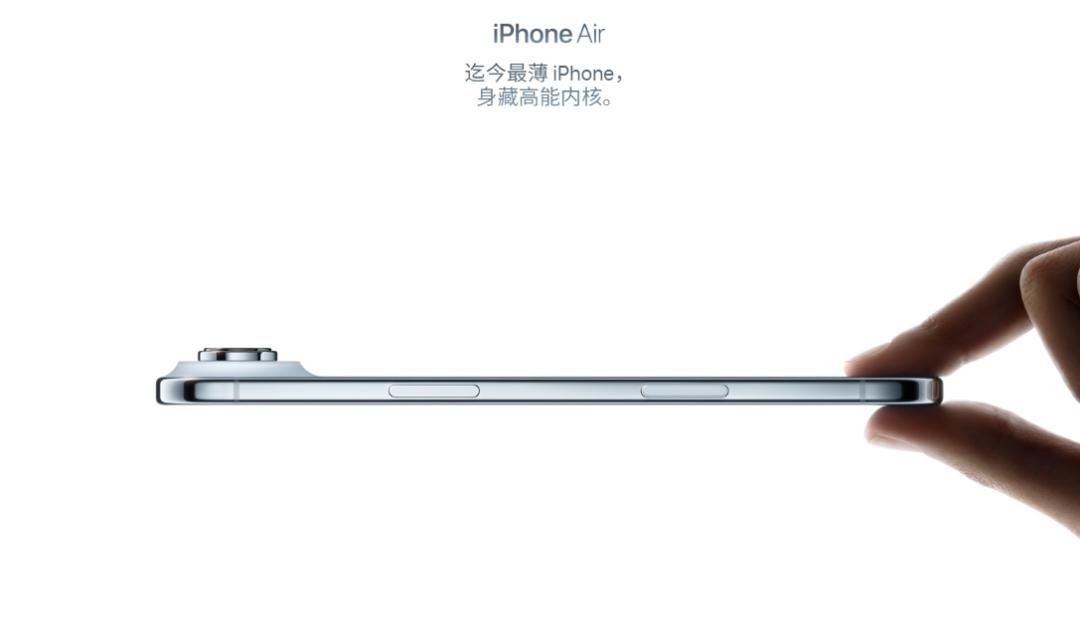
Core Viewpoint - Lenovo Moto is aggressively positioning itself in the smartphone market by criticizing competitors' "Air" products, particularly targeting Huawei and Apple, while struggling to achieve significant market share and brand recognition [2][4][16]. Group 1: Market Positioning and Competition - Lenovo Moto has introduced a standard for "Air" phones, claiming that true "Air" devices must be less than 6mm thick and weigh under 160g, which is seen as a direct critique of Huawei's Mate 70 Air and Apple's iPhone Air [2][6][10]. - In Q1 of this year, Lenovo Moto held nearly 5% of the global smartphone market, ranking ninth, and remains far from its goal of being among the top three globally [16][14]. - The introduction of the Moto X70 Air, with a thickness of 5.99mm and weight of 159g, is part of Lenovo's strategy to capture consumer interest in lightweight devices [5][6]. Group 2: Consumer Reception and Expert Opinions - Experts suggest that while the lightweight design may appeal to some consumers, it is unlikely to become mainstream due to the need for a balance between performance, battery life, and user experience [11][13]. - The focus on lightweight phones is seen as a marketing strategy rather than a substantial shift in consumer demand, with predictions that such devices will remain a niche market [11][13]. Group 3: Brand Challenges and Future Outlook - Motorola's brand presence in China has diminished since its acquisition by Lenovo in 2014, with previous attempts to launch various phone brands failing to gain traction [14][16]. - Lenovo aims to increase investment in its smartphone business to regain a competitive position within three years, although challenges remain due to strong competition from established domestic brands [14][16]. - The company faces significant hurdles in improving its market presence, including enhancing product innovation, brand recognition, and effective marketing strategies [16][20].


手机走向“瘦身”:华为入局苹果受挫,轻薄机困于小众
Xin Jing Bao· 2025-11-11 11:01
Core Viewpoint - Huawei has launched the Mate 70 Air, a lightweight smartphone with a thickness of 6.6mm and a starting price of 4199 yuan, entering the ultra-thin smartphone market alongside competitors like Apple and Samsung [1][2]. Group 1: Product Features and Market Position - The Mate 70 Air features a 6500mAh battery and retains a physical SIM card slot, unlike the iPhone Air which only supports eSIM [1][4]. - The smartphone is positioned in the mid-range market, priced between 4000 to 5000 yuan, which is a highly competitive segment in China [7]. - The device includes a 50MP triple-camera system and a 7-inch display, aiming to provide a balance between lightweight design and user experience [4][7]. Group 2: Market Trends and Competitor Analysis - The trend of ultra-thin smartphones has been growing, with major brands like Samsung and Apple releasing models with thicknesses below 6mm [3]. - Despite initial sales success, the iPhone Air has shown disappointing performance, activating only 50,000 units in its first week in China, which represents just 3% of the total iPhone 17 series sales [5][6]. - Analysts suggest that the demand for ultra-thin smartphones may be limited due to compromises in performance, battery life, and user experience [4][7]. Group 3: Challenges and Consumer Sentiment - The ultra-thin smartphone segment faces challenges in balancing aesthetics with practical functionality, as consumers prioritize battery life and performance [7]. - The complexity of eSIM activation in China has also been highlighted as a barrier to the adoption of models like the iPhone Air [7]. - Industry experts believe that the future of ultra-thin smartphones will depend on manufacturers finding a balance between design and practical value for consumers [7].
联想moto X70 Air正式发布:厚度为5.99mm,2399元起
Feng Huang Wang· 2025-11-01 12:41
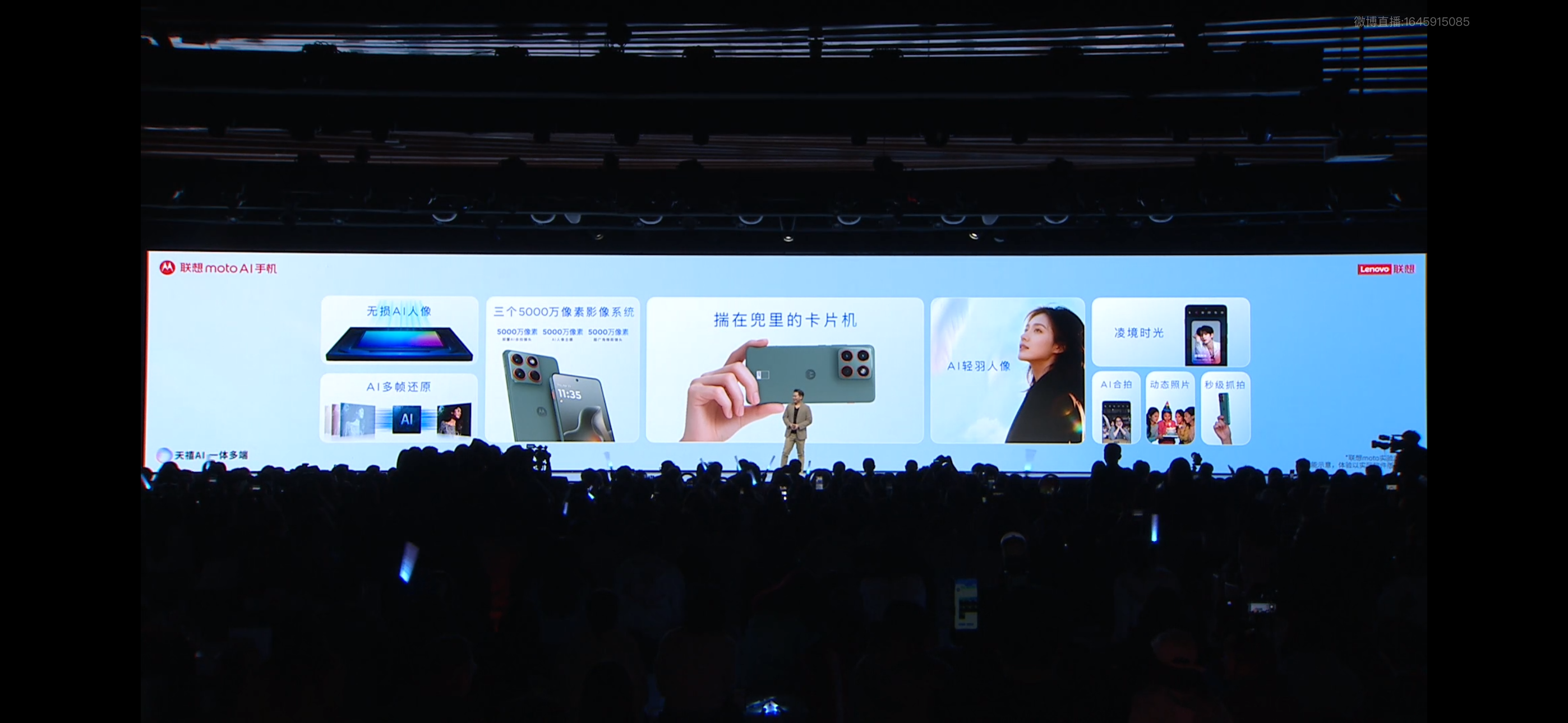
Core Points - Lenovo officially launched the moto X70 Air ultra-thin smartphone, emphasizing its lightweight design and comprehensive imaging upgrades [1][3] - The device features a thickness of only 5.99mm and weighs 159g, constructed with aerospace-grade aluminum alloy for strength and lightness [1] - The moto X70 Air is equipped with a 50MP AI imaging system on both front and rear cameras, supporting 2× lossless quality mode [1][3] Pricing and Variants - The starting price for the moto X70 Air is 2399 yuan for the 12GB+256GB version, while the 12GB+512GB version is priced at 2699 yuan [4] Features and Specifications - The smartphone has passed GJB150A-2009 certification and supports IP68 and IP69 ratings for dust and water resistance [3] - It includes a "Star Sea Blade Battery" with fast charging capabilities and features dual-engine NFC for three-way card swiping [3] - The device runs on "Tianxi Personal Super Intelligent Body 3.5" and "Super Connectivity 3.0," enhancing AI experience and multi-device collaboration [3] Special Editions - A customized gift box version endorsed by Zhang Linghe is also launched, containing exclusive items such as a custom card, signed waist seal, wallpapers, and ringtones [3]
政策加持,巨头引领,端侧AI爆发或成中企超车良机
Cai Fu Zai Xian· 2025-10-16 06:33
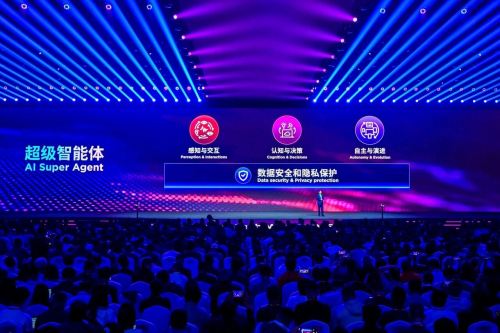
Core Insights - The article discusses the significant shift of artificial intelligence (AI) from cloud-based solutions to edge computing, driven by the explosion of computing power and increasing privacy concerns. This transition is termed the "downward revolution" in AI, which is expected to create new opportunities in the industry [1][2]. Industry Developments - The Ministry of Commerce and eight other departments in China have issued guidelines to accelerate innovation in AI terminal products, emphasizing the need for collaboration between supply and demand [1][2]. - Major tech companies, including Meta, OpenAI, NVIDIA, Lenovo, and JD.com, are making significant advancements in edge AI, indicating a competitive landscape that is heating up [1][3]. - According to Tianfeng Securities, the combination of policy support and industry leadership is expected to lead to a major cycle of innovation in edge AI products, with 2026 projected to be a pivotal year [1][3]. Market Potential - The demand for edge AI is driven by user needs for real-time processing, data privacy, and personalized experiences. Edge AI reduces reliance on cloud computing resources, thereby enhancing user experience and privacy protection [2][6]. - The Chinese edge AI market is projected to grow from less than 200 billion yuan in 2023 to over 1.9 trillion yuan by 2028, with a compound annual growth rate (CAGR) of 58% [6][7]. Competitive Landscape - Companies are intensifying their efforts in edge AI, with OpenAI planning to launch several AI hardware products in the coming year, including smart speakers and smart glasses [3][6]. - Lenovo is also making strides in edge AI, with its upcoming Moto X70 Air smartphone expected to feature advanced AI capabilities, positioning it as a strong competitor to Apple's products [3][4]. Technological Innovations - The trend towards smaller AI models for edge devices is gaining traction, with companies focusing on practical performance and power efficiency rather than just increasing model parameters [7][8]. - Lenovo has introduced technologies such as model compression and inference acceleration engines to enhance the performance of AI PCs, achieving capabilities comparable to cloud-based models [9][11]. Future Outlook - The integration of edge and cloud AI is seen as crucial for enhancing overall AI performance, with companies like Lenovo developing platforms that facilitate seamless collaboration between devices [11][12]. - The maturation of model miniaturization technology and continuous upgrades in hardware components are expected to lead to a significant explosion in AI terminal products, benefiting domestic manufacturers [14].