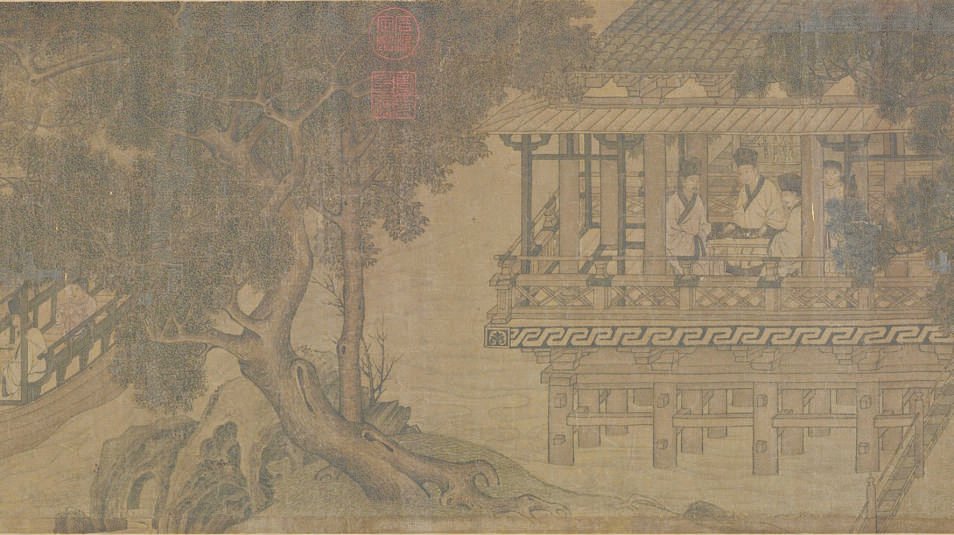
胡饼

Search documents
郭纯|舌尖上的唐朝:这场公元7世纪的朝贡,深刻改变了中国人的味蕾和餐桌
Xin Lang Cai Jing· 2026-02-22 05:31
Core Viewpoint - The article discusses the historical significance of foreign tribute goods during the Tang Dynasty, particularly focusing on exotic fruits and vegetables that enriched Chinese cuisine and culture [1][6]. Group 1: Tribute Goods - The Tang Dynasty received various tribute goods from its vassal states, including unique items like the "golden peach" from the Kingdom of Kang, which was noted for its rarity and beauty [3][6]. - Other tribute items included a variety of vegetables from the "Mudboluo Kingdom" (modern-day Nepal), such as "Bole vegetables," "vinegar vegetables," and "Hu Qian," which were new to the Chinese palate [6][9]. Group 2: Cultural Impact - The introduction of these foreign foods significantly altered Chinese culinary practices, with items like spinach (Bole vegetables) initially viewed as medicinal rather than culinary [9][10]. - The article highlights how the Tang Dynasty's openness to foreign goods led to the integration of these items into everyday Chinese cuisine, with "Hu cakes" becoming popular and widely consumed [17][20]. Group 3: Agricultural Exchange - The article notes that the Tang Dynasty facilitated agricultural exchanges, allowing for the introduction of new crops and culinary techniques, such as sugar production methods from the "Mogadishu Kingdom" [10][11]. - The transformation of food culture during this period is emphasized, as wheat-based foods began to replace traditional grains, marking a shift towards a "flour-based culture" in China [23].

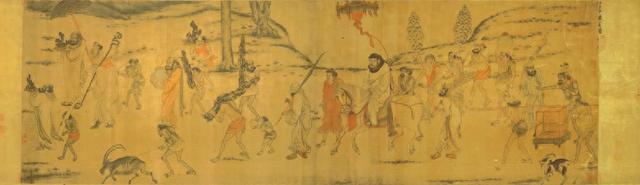
文博日历丨那个吹火的背影,像极了记忆中的年
Xin Lang Cai Jing· 2026-02-20 13:29
Core Viewpoint - The article highlights a series of cultural activities titled "Celebrating the New Year in Museums," organized by CCTV News in collaboration with various museums, showcasing the rich culinary traditions of the Tang Dynasty during the Spring Festival [1]. Group 1: Activities and Exhibitions - From the second to the seventh day of the Lunar New Year, museums are hosting the "Museum New Year Calendar" series of events [1]. - The "Tang Dynasty Kitchen" exhibition at the Wuhan Museum features a recreation of a 1,000-year-old kitchen, emphasizing the vibrant human activity and culinary practices of the time [26]. - The exhibition includes immersive experiences, allowing visitors to engage with the rich cultural heritage and aesthetic beauty of ancient ceramics [28]. Group 2: Culinary Traditions - The Tang Dynasty kitchen is depicted with a clear division of labor, showcasing a "kitchen assembly line" that reflects the era's culinary practices [7]. - Various types of food, including dumplings, mooncakes, and a variety of flatbreads, highlight the diversity of Tang Dynasty cuisine, with an emphasis on lamb as a primary protein source [21][17]. - The article mentions a traditional dessert called "Su Shan," an ancient form of ice cream, illustrating the sophistication of Tang Dynasty desserts [23]. Group 3: Cultural Performances - The museum will host lion dance performances by the Foshan Lion Dance Team from the fifth to the seventh day of the Lunar New Year, enhancing the festive atmosphere [32]. - The combination of martial arts and lion dance performances aims to invigorate visitors and create a lively celebration of the New Year [35].
面食名义札记
Xin Lang Cai Jing· 2025-12-23 12:55
Core Insights - The article discusses the linguistic origins and classifications of various types of Chinese wheat-based foods, highlighting the evolution of terms and their regional variations [6][12][20] Group 1: Terminology and Classification - The terms "面" (mian), "馍" (mo), and "饽" (bo) refer to wheat grains ground into fine powder, serving as basic materials for wheat-based foods [3][11] - Chinese wheat foods can be categorized based on four naming sources: ingredient origin, preparation method, physical characteristics, and foreign transliteration [6][8] - "面" primarily refers to flour in northern dialects, while in southern dialects, it often denotes noodles, reflecting regional linguistic differences [8][11] Group 2: Historical Context - Wheat cultivation in China has a long history, with significant advancements in milling technology during the Han Dynasty leading to the evolution of wheat consumption from whole grains to flour-based foods [6][10] - The term "麦" (mai) is used in southern dialects to refer to flour, indicating a historical lack of wheat-based foods in these regions until the Song Dynasty [11][12] Group 3: Regional Variations - The term "烧麦" (shao mai) has various regional pronunciations and is believed to have originated from the Mongolian language, showcasing the influence of different cultures on Chinese cuisine [12][18] - The term "饼" (bing) is an ancient term for various types of wheat foods, with historical references indicating its use as early as the Western Han Dynasty [12][13] Group 4: Linguistic Evolution - The article notes that "馄饨" (hun tun) shares a similar linguistic evolution to "烧麦," with various interpretations of its meaning and origins, reflecting the complexity of food terminology in Chinese [17][19] - The term "饼" has retained its meaning across different dialects, often used to describe a wide range of wheat-based foods, indicating its foundational role in Chinese culinary language [16][18]
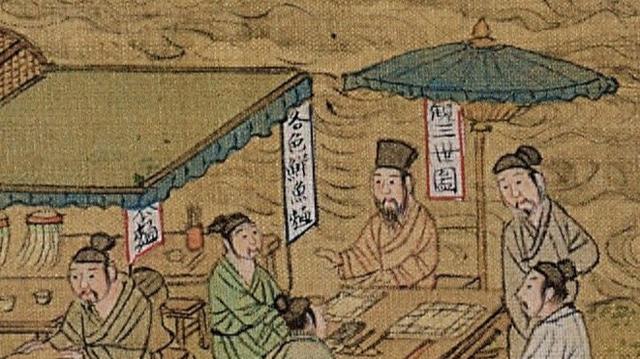
白居易笔下的河洛之宴
Xin Lang Cai Jing· 2025-12-20 07:48
Core Viewpoint - The article explores the culinary artistry of the Tang Dynasty, particularly through the lens of poet Bai Juyi, highlighting the rich variety of food and the cultural significance of gastronomy in his poetry [1][3][10]. Group 1: Bai Juyi's Culinary Appreciation - Bai Juyi, a prominent poet from the Tang Dynasty, expressed his love for food through his poetry, reflecting on the flavors and experiences associated with various dishes [1][3]. - His poem "饱食闲坐" illustrates a warm scene of enjoying local delicacies, such as red rice porridge and fish from the Yi River, emphasizing the joy of simple yet exquisite meals [3][4]. - Bai Juyi's writings reveal a deep connection between food and life, showcasing how culinary experiences can evoke nostalgia and happiness [1][10]. Group 2: Traditional Dishes and Ingredients - The Yi River fish, known for its unique flavor and historical significance, is highlighted as a traditional dish in Henan cuisine, with a cooking history dating back over a thousand years [4][6]. - Bai Juyi's poetry details various cooking methods for fish, including the preparation of fish slices (鲙) and the use of local ingredients like watercress, showcasing the culinary techniques of the time [5][6]. - The article mentions the popularity of bamboo shoots in Tang cuisine, with historical references to their medicinal value and culinary versatility [7][8]. Group 3: Cultural Significance of Food - The article discusses the cultural exchange brought by foods like the sesame flatbread (胡饼), which became a symbol of friendship and connection between regions during the Tang Dynasty [9]. - Bai Juyi's poetry not only reflects his personal culinary preferences but also serves as a historical document that illustrates the social and cultural dynamics of food in Tang society [10]. - The emphasis on seasonal ingredients and traditional cooking methods in Bai Juyi's works highlights the importance of food in fostering community and cultural identity [7][8].