腾讯地图旺店

Search documents
独家对话腾讯云产业生态部杨晨:上任500天,这位船长如何带伙伴用AI穿越「求生焦虑」?
雷峰网· 2026-01-29 00:35
Core Viewpoint - The article discusses Tencent Cloud's strategic shift towards AI SaaS as a primary focus for its ecosystem partners, moving away from traditional GPU computing and MaaS models, which are deemed unsustainable and less profitable [4][8][9]. Group 1: Strategic Direction - Yang Chen, the new head of Tencent Cloud's Industry Ecosystem Cooperation Department, emphasizes the need for partners to find sustainable revenue streams amidst the AI wave [3][5]. - The decision to focus on AI SaaS aligns with Tencent's business model, which has evolved to include a significant portion of SaaS offerings, unlike competitors heavily reliant on IaaS [12][21]. - The shift towards AI SaaS is seen as a way to create more stable and sticky revenue streams compared to the volatile GPU computing market [10][17]. Group 2: Market Opportunities - AI SaaS is expected to redefine customer value propositions, moving from traditional software functionalities to intelligent efficiency engines that drive business outcomes [15][17]. - The market for AI SaaS is growing, with commercial empowerment SaaS experiencing a 128% increase, and specific products like Tencent Maps and Tencent Questionnaire exceeding 200% growth [21][22]. - The integration of AI capabilities into SaaS products is driving customer willingness to pay, as these solutions address real business needs [22][33]. Group 3: Partner Engagement and Transformation - Yang Chen highlights the importance of changing partner mindsets to embrace AI SaaS, moving from a focus on resource resale to value-based sales [18][35]. - Tencent Cloud is implementing a three-pronged approach to support partners: product integration, comprehensive training, and incentive structures to encourage the sale of AI SaaS [19][31]. - The company aims to create a collaborative ecosystem where partners evolve alongside Tencent Cloud, enhancing their service capabilities and customer relationships [22][37].


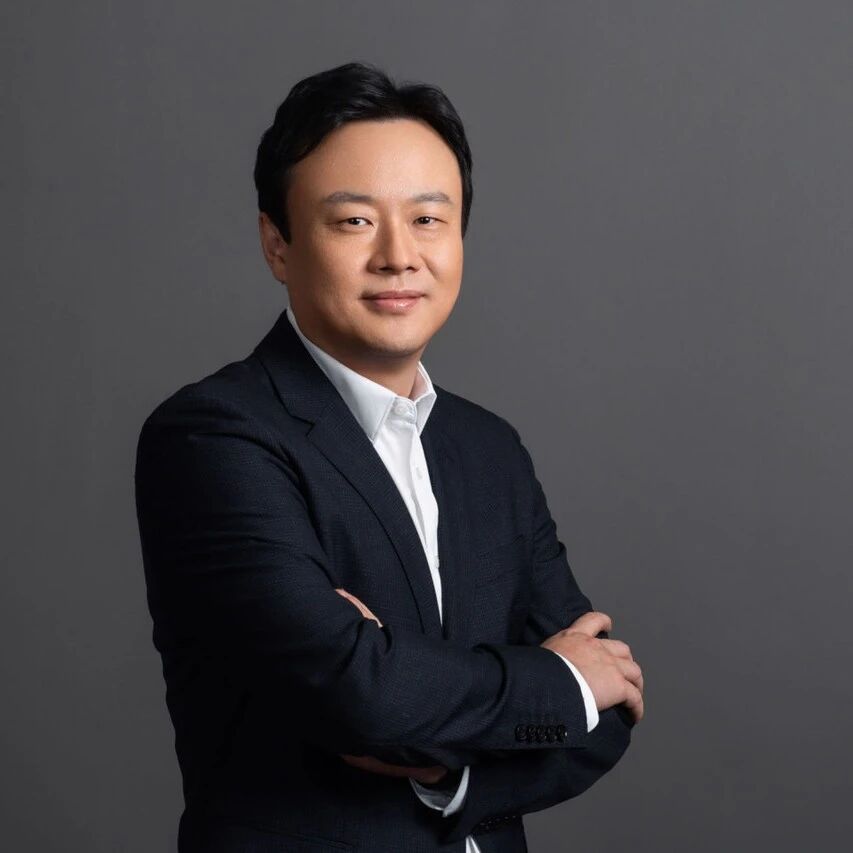
大模型卷价格没意义,AI竞争关键是“卖场景”!腾讯云高管发声
券商中国· 2026-01-23 14:48
Core Viewpoint - The article discusses the shift in the competitive logic of the domestic cloud computing market as artificial intelligence (AI) moves from technical demonstrations to practical applications within industries, emphasizing the importance of integrating AI into business processes to create measurable commercial value by 2026 [2]. Group 1: Competitive Logic Shift - The initial phase of AI competition focused on selling resources, particularly GPU computing power, but many clients did not fully understand how AI could reduce costs and improve efficiency [3]. - By 2025, the market's focus shifted from survival to seizing new AI opportunities, with competition now centered on application rather than underlying resources [3]. - Tencent Cloud's revenue structure shows a significant shift, with approximately 25% of revenue coming from SaaS, contrasting with other cloud providers that primarily focus on infrastructure services [3]. Group 2: Ecosystem Partner Transformation - Tencent Cloud estimates that 30%-40% of its ecosystem partners have begun exploring AI business opportunities, but transitioning from resource resellers to value service providers presents challenges [4]. - Partners face two main pain points: internal consensus and execution issues, and the need to shift from price-based sales to value-based sales, requiring a deep understanding of customer business scenarios [4]. - Tencent Cloud's strategy has evolved from merely opening technology capabilities to integrating technology with business through collaborative exploration of vertical industry scenarios [4]. Group 3: International Expansion and Value Competition - In addition to the competitive domestic market, "going global" has become a common strategy for cloud providers and partners seeking growth, with Tencent Cloud's international business growing by 30% year-on-year [5]. - Key factors for winning overseas clients include advanced audio and video technology, competitive pricing, and professional localized service support [5]. - Tencent Cloud's executives reject the notion of engaging in price wars, emphasizing that the focus should be on delivering core value to customers rather than competing on price [5].

走出舱门就是“战场”:不拼价格拼AI,云巨头“军备竞赛”升级了
Di Yi Cai Jing· 2026-01-22 11:44
Core Insights - The competition in the cloud computing market has intensified, particularly in the AI sector, with companies focusing on different metrics to highlight their advantages [1][4] - Major cloud providers like Tencent Cloud and Alibaba Cloud have reported significant growth in AI-related products and services, indicating a robust market expansion [2][4] Group 1: Market Dynamics - The cloud computing market is expected to expand significantly due to the demand driven by AI, with predictions that the incremental growth in the AI cloud market will exceed the total growth of the previous year [4] - Companies are experiencing a shift in competition from resource-based metrics to application-based solutions, emphasizing the need for innovative use cases rather than just price competition [5][6] Group 2: Company Performance - Tencent Cloud reported a doubling of orders related to AI and SaaS products, with AI model product revenue increasing over 50 times in two years [2] - Alibaba Cloud aims to capture 80% of the incremental growth in China's AI cloud market by 2026, indicating aggressive growth targets [2] Group 3: Pricing Strategies - A price war has emerged among major cloud providers, with companies like Alibaba Cloud and Tencent Cloud announcing reductions in the cost of AI models and services [5] - The focus on token consumption as a primary business model is deemed unsustainable, with a call for companies to develop applications that enhance user engagement rather than merely competing on price [5][6] Group 4: Future Outlook - The cloud market is anticipated to shift towards solving specific business problems using AI, moving away from a focus solely on resource sales [6][7] - The competitive landscape is evolving, with leading model providers narrowing the performance gap, suggesting that future competition will hinge on the ability to address real-world challenges [7]