航天级UTG柔性玻璃

Search documents
蓝思科技遭小摩减持,机构评级中性,股价短期承压
Jing Ji Guan Cha Wang· 2026-02-20 05:35
Group 1 - Morgan Stanley reduced its stake in Lens Technology by approximately 396,300 shares, bringing its holding percentage down to 5.88% [2] - Lens Technology is currently validating its aerospace-grade UTG flexible glass technology and has initiated recruitment for the Spring Festival, offering a maximum signing bonus of 3,000 yuan, indicating business expansion needs [2] - The A-share price of Lens Technology closed at 34.29 yuan on February 13, down 1.38%, while the Hong Kong stock closed at 27.82 HKD on February 20, up 2.28%, reflecting market divergence [2] Group 2 - On February 13, the A-share market experienced a net outflow of approximately 103 million yuan, with retail investors dominating the inflow, indicating short-term pressure on the capital market [3] - According to the latest institutional research, Lens Technology has a comprehensive target price of 38.40 yuan, suggesting an upside potential of about 11.99% from the current A-share price, with a forecasted average annual compound growth rate of over 30% for net profit from 2025 to 2027 [4]

蓝思科技:公司在AI端侧、智能汽车等领域均拥有深厚且领先的技术鱼池
Zheng Quan Ri Bao· 2026-01-28 12:43
Core Viewpoint - The company emphasizes its mission of "technology creates the future" and has established a three-tier R&D system focusing on production, reserve, and research [1] Group 1: R&D and Technological Advancements - The company has developed advanced technologies in various fields including AI edge computing, smart vehicles, embodied intelligence, commercial aerospace, and AI servers [1] - Key innovations include self-developed aerospace-grade UTG flexible glass, high-degree-of-freedom robotic dexterous hand modules, precision automatic assembly lines for AI edge hardware, and innovative materials for AI server structural components [1]
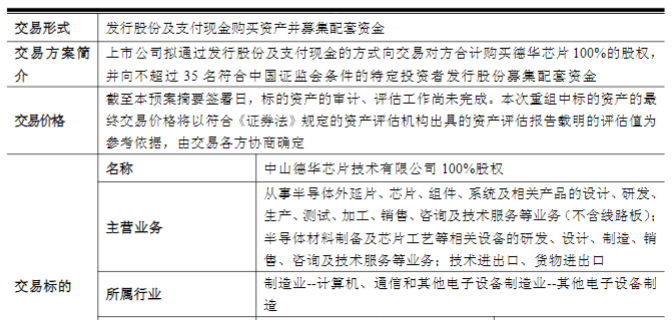
商业航天产业化提速引爆太空光伏概念,明阳智能等多股涨停!多家上市公司披露最新进展
Jin Rong Jie· 2026-01-26 05:01
Group 1: Industry Overview - The space photovoltaic sector is gaining momentum, driven by the rapid rise of China's commercial aerospace industry, which is transitioning into a new phase of scale and commercialization [2] - The demand for low Earth orbit satellite constellations is increasing, leading to a significant rise in the need for reliable energy systems, with space photovoltaics becoming a focal point due to its advantages [2] - Predictions indicate that the global annual satellite launch quantity will increase from 5,000 to 50,000 between 2025 and 2040, with the total demand for photovoltaic cells expected to rise from 0.024 GW to 1.8 GW [3] Group 2: Company Strategies - Several A-share listed companies are actively positioning themselves in the space photovoltaic market through diversified strategies, including traditional aerospace companies focusing on high-efficiency batteries and lightweight components [4] - Mingyang Smart Energy plans to acquire control of Zhongshan Dehua Chip Technology Co., which specializes in gallium arsenide space solar cells, as part of its strategy to extend into the space photovoltaic sector [4] - Junda Co. announced a cash investment of 30 million yuan to acquire a stake in Shanghai Xingyi Chip Energy Technology Co., marking its strategic extension from terrestrial to space photovoltaics [6] Group 3: Technological Developments - Qian Zhao Optoelectronics is a leading supplier of gallium arsenide solar cells, with products already in use in large commercial satellite constellations, and is expanding its international market presence [7] - Lens Technology has overcome key technical challenges in developing aerospace-grade UTG flexible glass for space photovoltaic applications and is currently in deep technical validation with clients [8] - Zhonglai Co. is developing backplane products for space photovoltaic module packaging and is working on perovskite and silicon tandem products for diverse applications [10]