花生味压缩饼干

Search documents
花生上树了?AI竟然敢这么玩
3 6 Ke· 2025-09-01 13:51
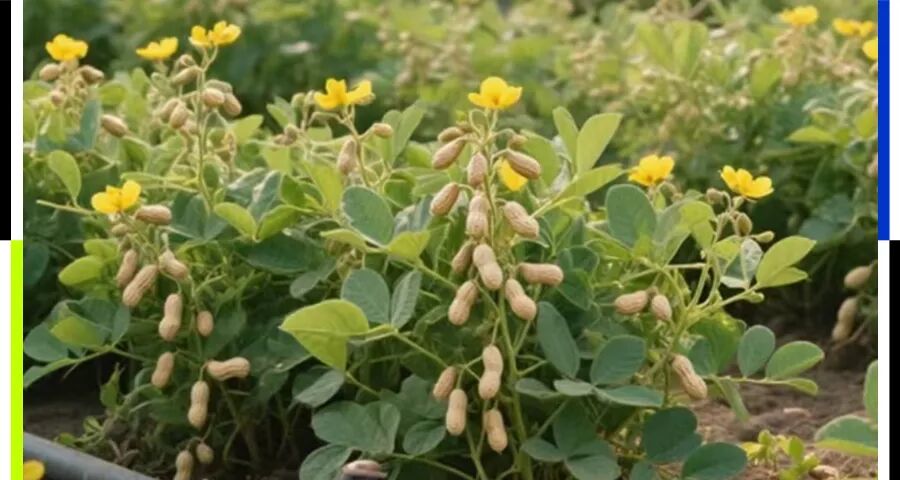
Core Viewpoint - The article discusses the pitfalls of using AI in marketing and advertising, highlighting a recent incident involving a snack brand that mistakenly depicted peanuts growing on trees, showcasing the limitations of AI's understanding of natural processes [8][10][49]. Group 1: Incident Overview - A well-known snack brand, Liangpin Puzi, faced backlash for using AI-generated images that inaccurately depicted peanuts growing on trees, leading to public ridicule [3][5][8]. - The brand issued an apology on August 28, acknowledging the error and updating the related promotional materials [8][10]. - This incident reflects a broader issue where AI-generated content can misrepresent reality, as seen in other examples like a woman with six fingers in an advertisement [15][19]. Group 2: AI Limitations - AI lacks true common sense and understanding of natural laws, relying instead on statistical probabilities from vast datasets, which can lead to absurd outcomes [13][49]. - The article emphasizes that while AI can enhance efficiency, it is not a foolproof solution and requires careful oversight to avoid damaging brand reputation [49]. Group 3: Broader Implications - The misuse of AI in advertising has led to a rise in misleading representations across various sectors, including e-commerce and food delivery, where businesses use AI to create appealing but unrealistic images [26][30]. - There is a growing concern about the potential for fraud, as consumers may exploit AI-generated images to manipulate product returns and refunds [42][44]. - The article concludes that the rise of AI necessitates a critical approach to visual content, urging consumers to remain vigilant and skeptical of overly perfect or bizarre images [49].


花生上树了?AI竟然敢这么玩
36氪· 2025-09-01 13:36
Core Viewpoint - The article discusses the pitfalls of using AI in marketing and product representation, highlighting the absurdities that arise when AI-generated content lacks common sense and understanding of reality [3][11][61]. Group 1: AI Misuse in Marketing - A recent incident involving a snack brand, Liangpin Puzi, showcased the absurdity of AI-generated images, where peanuts were depicted growing on trees, leading to public ridicule [11][12][19]. - The brand acknowledged the error and apologized, indicating a lack of oversight in using AI for image generation [11][61]. - This incident reflects a broader issue where AI fails to grasp basic biological facts, resulting in misleading representations [17][19]. Group 2: Broader Implications of AI in E-commerce - The article points out that AI-generated images are increasingly used in e-commerce, often leading to unrealistic expectations for consumers, as many models may not be real but AI-generated [27][29]. - There are reports of businesses using AI to create deceptive images of their products, which can mislead customers and result in dissatisfaction upon delivery [31][41]. - The rise of AI in marketing has led to a new form of consumer fraud, where buyers manipulate AI-generated images to claim refunds for products that were not as advertised [49][57]. Group 3: Regulatory Response and Future Considerations - The article emphasizes the need for stricter oversight and regulation regarding the use of AI in marketing to prevent misleading practices [61][62]. - It warns that as AI technology evolves, consumers must remain vigilant and critical of overly perfect or bizarre images, as they may not reflect reality [63][65]. - The incident serves as a reminder that independent thinking and respect for rules are essential in an AI-driven future [66].

花生上树了?AI 竟然敢这么玩
3 6 Ke· 2025-09-01 02:12
Core Viewpoint - The incident involving the snack brand Liangpinpuzi highlights the pitfalls of using AI-generated images in marketing, leading to public ridicule and brand damage due to unrealistic representations of products [6][53]. Group 1: Incident Overview - Liangpinpuzi used an AI-generated image depicting peanuts hanging from trees, which is biologically inaccurate as peanuts grow underground [3][6]. - The brand issued an apology on August 28, acknowledging the error and updating the promotional materials [6][53]. - The incident drew attention from media outlets, including CCTV, which emphasized the natural growth conditions of peanuts [6]. Group 2: Broader Implications of AI in Marketing - The use of AI in advertising has led to various absurdities, such as images of six-fingered models and unrealistic product representations [13][23]. - AI's limitations in understanding common knowledge can result in misleading visuals that do not align with reality, raising concerns about consumer trust [10][53]. - The incident serves as a warning for brands to maintain oversight and quality control when utilizing AI technologies in their marketing strategies [53][55]. Group 3: Consumer Awareness and Future Considerations - The reliance on AI-generated content may lead to a shift in consumer perception, making it harder to distinguish between genuine and manipulated images [54][55]. - Consumers are encouraged to approach overly perfect or bizarre visuals with skepticism, as the prevalence of AI in marketing continues to grow [55].