
花生糖

Search documents
传承四百余年的省级非遗
Xin Lang Cai Jing· 2026-02-25 18:57
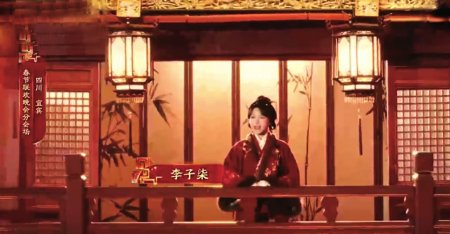
Core Viewpoint - The article highlights the cultural significance of "Qing Chun Jiu," a traditional spring banquet in southern Sichuan, which has been celebrated for over 400 years and was featured in the 2026 CCTV Spring Festival Gala, showcasing its importance as a cultural heritage and social gathering event [11][12]. Summary by Sections Cultural Significance - "Qing Chun Jiu" is a provincial-level intangible cultural heritage in Sichuan, recognized in 2018, and is celebrated from the Spring Festival to the Lantern Festival, embodying a cultural feast that integrates rituals, emotions, and blessings [12][13]. - The tradition is documented in various local chronicles, indicating its historical roots and the customs associated with it, such as family gatherings and offerings to deities [12][13]. Celebration Process - The banquet consists of three main courses: the first course includes tea and sweets, the second features alcoholic beverages paired with cured meats, and the third serves a main meal with various steamed dishes [13][14]. - The practice of "Qing Chun Jiu" is not unique to southern Sichuan; similar customs exist across China, often referred to by different names, indicating a widespread cultural phenomenon of inviting friends and family to celebrate the new year [14][15]. Regional Variations - Various regions in China, including Taiwan, have their own interpretations of "Qing Chun Jiu," with local customs and practices that reflect the same underlying theme of gathering and celebration during the spring season [15][16]. - The essence of "Qing Chun Jiu" lies in the act of inviting people rather than just serving alcohol, emphasizing the importance of reconnecting with friends and family during the festive season [15].

元通古镇“村糖会”春节专场大年初一开启
Xin Lang Cai Jing· 2026-02-15 19:04
Group 1 - The core event "Village Sugar Fair" will take place in Yuantong Ancient Town from February 17 to February 20, coinciding with the Lunar New Year [1] - The theme of the event is "Seeking the Flavor of the Year," integrating intangible cultural heritage, traditional food, handmade crafts, and festive parades to create a cultural feast for citizens and tourists [1] - The market will feature over 20 local traditional candy vendors and artisans, selling various traditional sweets such as steamed cakes, handmade maltose, peanut candy, sesame candy, and puffed rice candy [1] Group 2 - Special food stalls will offer local delicacies including "Four Flowers" (oil flower, bean flower, tofu flower, and pig's trotter flower), as well as pepper duck, cured meat, sausages, and fine wines, enhancing the festive atmosphere [1] - The event will also showcase a "Non-material Cultural Heritage Spring Festival" performance, featuring Sichuan opera skills like face-changing and fire-spitting, scheduled to perform daily at landmark locations [1] - These performances aim to provide a dual visual and auditory experience for visitors, enriching the festive spirit through traditional artistry [1]
腊月里的那口甜
Xin Lang Cai Jing· 2026-02-11 16:40
Core Viewpoint - The article highlights the traditional practice of making "炒米糖" (stir-fried rice candy) during the Chinese New Year, emphasizing its cultural significance and the communal joy it brings to families and children in rural areas [1][2][3] Group 1: Preparation Process - The preparation of 炆糖果子 begins after the 23rd day of the twelfth lunar month, with families in the village collaborating to make the candy [1] - The process involves several steps, including preparing glutinous rice, heating sugar syrup, and mixing in peanuts and sesame seeds, all requiring careful attention to detail [2] - The final product is cut into uniform pieces and shared among children, symbolizing community and familial bonds [2][3] Group 2: Cultural Significance - 炆糖果子 is not only a treat for children but also serves as a gift during New Year visits to relatives, reflecting the simplicity and warmth of rural life [2] - The article contrasts the traditional homemade candy with modern supermarket options, suggesting that the authentic taste and experience of making 炆糖果子 are irreplaceable [3] - The joy of making and sharing the candy is portrayed as a vital part of the New Year celebrations, emphasizing the importance of community and shared experiences over material wealth [3]