英文媒体服务

Search documents
36氪出海·中东|IFZA解读:出海中东,如何避免常见的商业陷阱?
3 6 Ke· 2025-10-20 04:20
Core Insights - The article emphasizes the importance of understanding common pitfalls faced by companies expanding globally, particularly in Dubai, and offers a guide to avoid these challenges [2][14]. Group 1: Common Pitfalls for Companies Going Global - Misunderstanding local laws and regulations can lead to fines, operational delays, or even business closure [3]. - Lack of market research and consumer insights often results in products that do not meet local demand, leading to poor sales and marketing failures [4]. - Ignoring cultural differences and communication styles can negatively impact brand perception and customer trust [5]. - Choosing the wrong market entry strategy or unreliable local partners can result in operational inefficiencies and legal disputes [6]. - Overlooking the complexities of tax and financial management can cause cash flow issues and tax penalties [7]. - Neglecting talent and human resource management can lead to compliance issues and difficulties in attracting suitable talent [8]. - Rapid and unstrategic expansion can strain resources and damage brand reputation [9]. Group 2: Building a Robust Global Expansion Strategy - Establishing a strong compliance and legal framework is crucial from the outset to avoid penalties and operational risks [10]. - Conducting thorough market research and localization of products and services is essential for meeting local consumer expectations [11]. - Collaborating with reliable free zones and local experts can streamline the process of entering new markets [12]. - Developing sustainable financial and human resource planning is necessary to manage international operations effectively [13].


36氪出海·中东|迪拜IFZA自由区上海办公室正式揭牌,加速深化全球布局
3 6 Ke· 2025-10-17 03:03
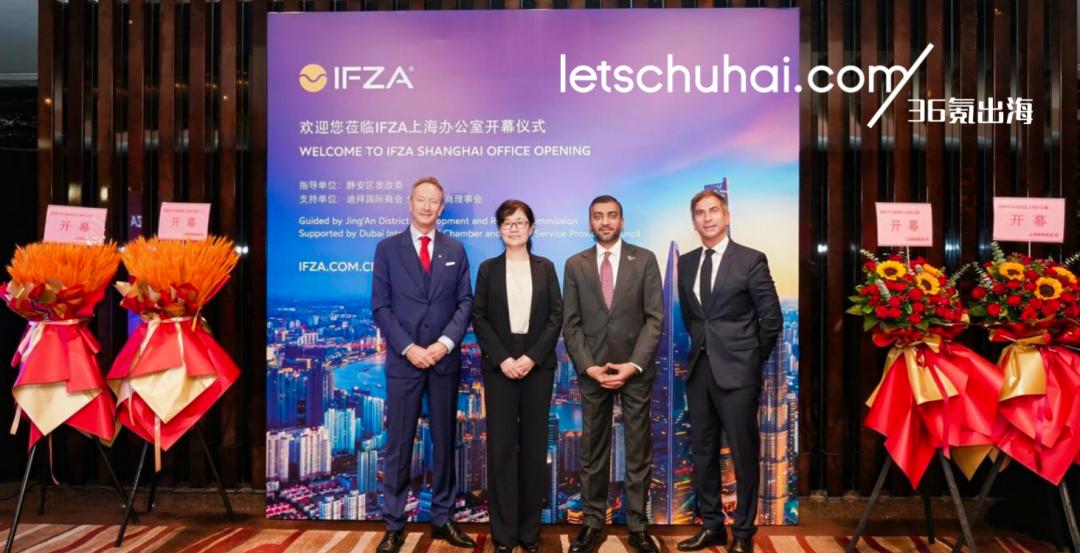
Core Insights - Dubai IFZA Free Zone has officially established its first representative office in Shanghai on October 13, marking a significant step in its global expansion strategy and demonstrating a long-term commitment to the Chinese market [2][6][8] Group 1: Establishment and Significance - The opening ceremony took place at the InterContinental Hotel in Jing'an, Shanghai, attended by IFZA executives, Chinese government representatives, UAE government officials, and business leaders [2][10] - Jochen Knecht, CEO of IFZA, emphasized Shanghai's role as a global business center and highlighted that over 15,500 Chinese companies are currently operating in the UAE [6][8] - The Shanghai office aims to facilitate Chinese enterprises' access to Dubai's thriving business ecosystem, providing one-stop company registration services and linking them to a global trade cooperation network [8][13] Group 2: Economic Relations - In 2024, the bilateral trade volume between China and the UAE reached a historic record of $101.8 billion, continuing a decade of steady growth [8] - The UAE has become China's second-largest trading partner in the Middle East, while China is the UAE's largest global trading partner, indicating a robust and deep economic relationship between the two countries [8][13] Group 3: Future Plans and Services - The establishment of the Shanghai office follows IFZA's participation in the World Free Zones Organization World Congress 2025 held in Hainan, reinforcing its commitment to promoting global entrepreneurship and trade cooperation [8][13] - IFZA aims to deepen China-UAE economic ties and empower enterprises for global development, fostering an open, win-win, and innovative international business landscape [13]
36氪出海·中东|IFZA自由区如何成为国际业务扩张的加速通道?
3 6 Ke· 2025-09-11 03:32
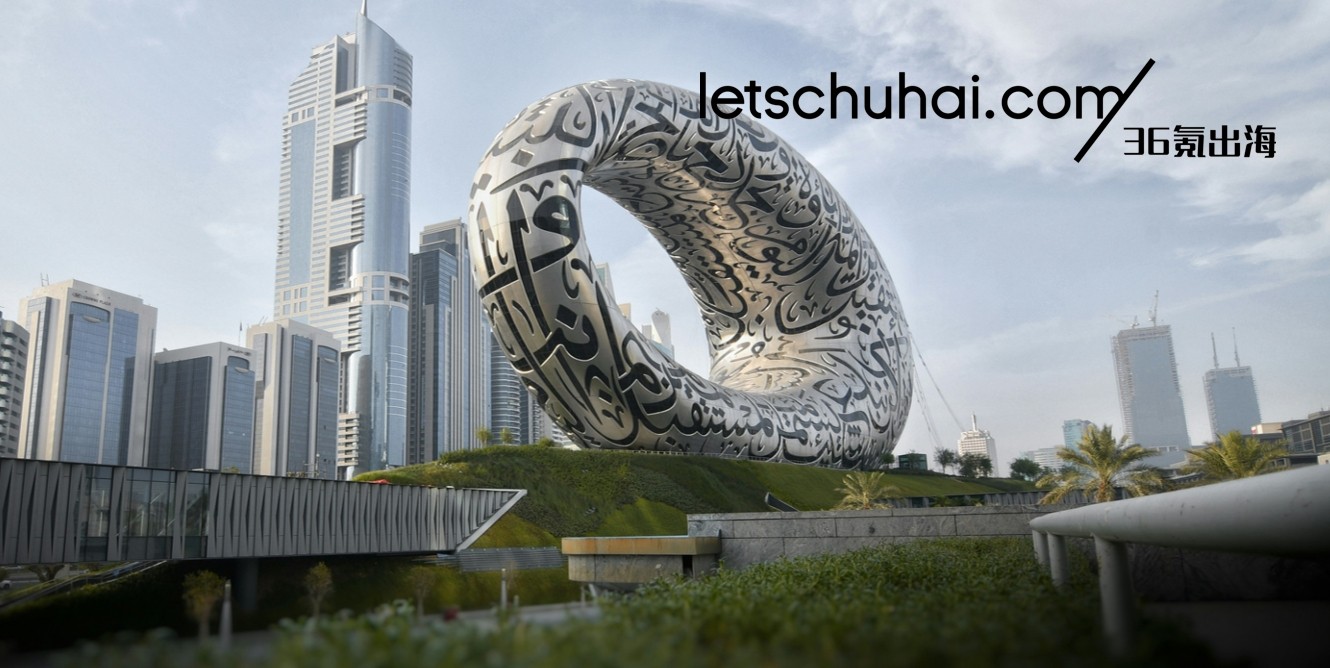
Core Insights - The UAE free zones, particularly IFZA, are becoming strategic starting points for global entrepreneurs aiming for international expansion due to their unique advantages [2][3][4] Group 1: Advantages of UAE Free Zones - The UAE free zones allow 100% foreign ownership, simplifying the process of entering different regulatory environments and providing operational flexibility for businesses [3][4] - Proximity to world-class logistics hubs, such as ports and airports, enhances market accessibility for products and services, facilitating efficient international reach [3][4] - Free zones are designed to foster innovation, offering support for startups in sectors like fintech, AI, and advanced manufacturing through accelerators and mentorship programs [5][6] Group 2: Comparison with Mainland Companies - Free zone companies are ideal for businesses focused on global trade and digital services, benefiting from tax exemptions and simplified setup processes, especially for startups and SMEs [4] - Mainland companies can access a broader UAE market, including government contracts, but require local sponsorship and face more complex regulatory processes [4] - Understanding business goals and operational needs is crucial for selecting the best investment path between free zones and mainland setups [4] Group 3: Operational Efficiency - The registration process in IFZA is transparent and relatively low-cost, particularly suitable for SMEs in trade, consulting, and services [12] - Companies can register remotely within 5-7 working days, with each license covering multiple business activities without additional fees [12] - IFZA provides professional consulting services, including banking, licensing, and legal advice, along with shared and virtual office options for startups [12]
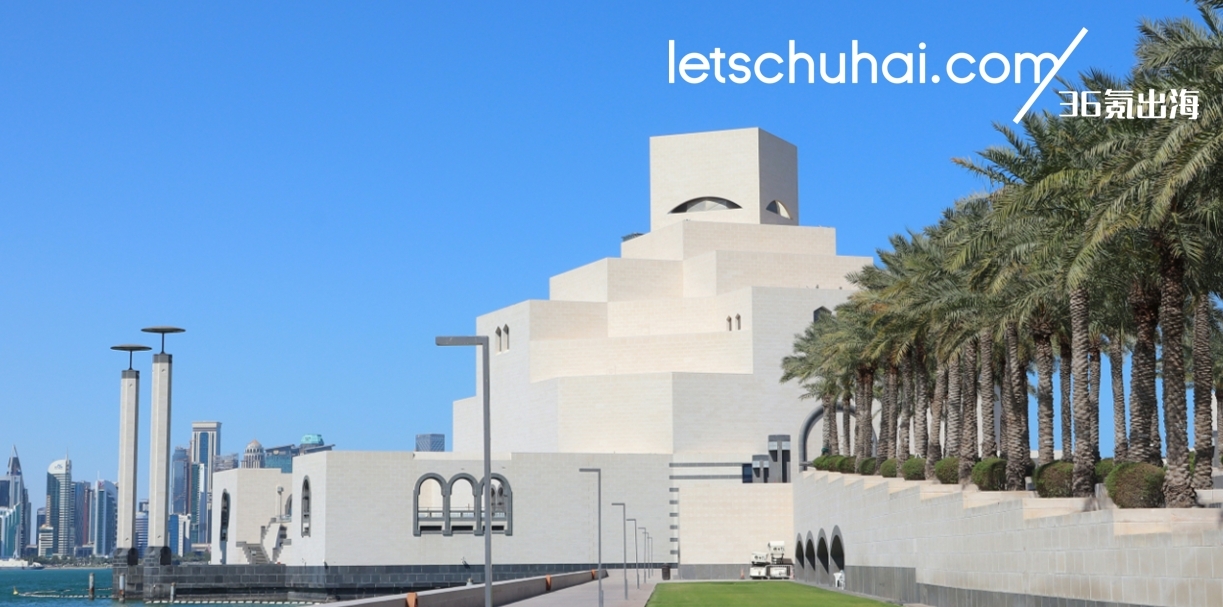
36氪出海·中东|世行预测:卡塔尔将在2026和2027年成为海湾地区“表现最强劲”的经济体
3 6 Ke· 2025-06-17 06:02
Economic Growth Projections - Qatar's real GDP is projected to grow by 2.4% in 2023, 5.4% in 2026, and reach 7.6% in 2027, surpassing the growth rates of five other GCC countries in 2026 and 2027 [2] - The GCC countries' economic growth is expected to rise to 3.2% in 2025, 4.5% in 2026, and 4.8% in 2027, indicating a more conservative outlook compared to Qatar [2] Oil Production and Economic Activity - Despite anticipated global demand weakness leading to declining oil prices, oil production is expected to increase as production cuts are gradually lifted [2] - The expansion of non-oil economic activities will continue to drive growth in the region [2] - Economic activity in the MENA region is showing signs of improvement, partly due to increased oil production [2]