出海中东

Search documents
“刚才是不是又炸了?太吓人了!”中国游客在导弹声中刷回国机票,华人司机在沙漠公路上“生命摆渡”!中东剧变,当地中国企业还好吗?
新浪财经· 2026-03-07 08:51
Core Viewpoint - The article discusses the impact of escalating tensions in the Middle East on Chinese tourists and businesses, highlighting the challenges faced by both groups in navigating the crisis and the varying responses from companies operating in the region [22][25]. Group 1: Tourist Experiences - Chinese tourists in Dubai faced sudden disruptions due to military actions, leading to flight cancellations and a scramble to find alternative routes home [4][14]. - Tourists like Lin Yi had to change their travel plans drastically, opting for longer routes through Oman to return to China, reflecting the anxiety and urgency of the situation [9][12]. - Despite the chaos, some tourists managed to return home, with reports of successful flights resuming from Dubai [5][20]. Group 2: Business Responses - Chinese companies in the Middle East are responding to the crisis with varied strategies, including pausing operations, ensuring employee safety, and some even increasing investments in the region [22][23]. - Companies like Meituan and New Stone Technology are adapting their operations, with some halting services while others are deploying new technologies despite the risks [22][23]. - The logistics sector is particularly affected, with companies facing challenges such as disrupted supply chains and increased operational risks due to the geopolitical situation [26][27]. Group 3: Risks and Recommendations - Experts highlight three main risks for Chinese companies operating in the Middle East: potential logistics disruptions, operational halts, and financial pressures due to currency devaluation and customer payment issues [26][27]. - Companies are advised to prioritize safety, restructure supply chains for resilience, and diversify their business strategies to mitigate risks associated with the current geopolitical climate [27].


中东局势升级,顺丰停送、萝卜快跑暂停运营,外贸人订单被取消
21世纪经济报道· 2026-03-04 01:22
Core Viewpoint - The ongoing conflict in the Middle East has significantly disrupted logistics and operations for companies engaged in cross-border trade, particularly affecting those in the UAE, Saudi Arabia, and Israel. The situation has led to increased shipping costs, order cancellations, and a general sense of uncertainty among businesses operating in the region [1][3][12]. Group 1: Impact on Logistics and Operations - Companies like 彭云's, which deal in construction materials and medical equipment, have faced substantial economic losses due to order cancellations and disrupted supply chains [1]. - The major ports in the region, such as Jebel Ali in the UAE and Dammam in Saudi Arabia, have halted operations, leading to a backlog of goods and increased shipping rates [1][13]. - Cross-border e-commerce businesses are particularly affected, with significant delays in order fulfillment and a lack of viable alternative shipping routes [1][13]. Group 2: Business Adaptations - Many companies have shifted to remote work arrangements, with some suspending operations in the region entirely. For instance, 顺丰 International has paused its international express services to multiple Middle Eastern countries [2][3]. - Companies like 文远知行 have temporarily halted their autonomous vehicle operations in Dubai while continuing data training and safety measures [4][5]. - 美的 has reported that its operations in the Middle East remain stable, with local offices functioning normally despite the ongoing conflict [5][16]. Group 3: Market Sentiment and Future Outlook - The perception of the Middle East as a safe investment destination is being tested, with concerns about the long-term implications of the conflict on capital inflow and real estate prices [14][16]. - Despite the current turmoil, some companies maintain a positive outlook on the long-term growth potential of the Middle Eastern market, emphasizing the importance of diversifying international operations to mitigate risks [16].

下一片出海热土,为什么还是中东?
3 6 Ke· 2026-01-05 08:37
Core Insights - The article highlights the ongoing growth and strategic evolution of Chinese enterprises in the Middle East, transitioning from initial market entry to deeper local integration and sustainable operations [1][2][3]. Group 1: Market Trends and Developments - Chinese companies are increasingly focusing on the Middle East, with nearly 90% of surveyed firms planning to enter or deepen their presence in the region, and 44% having detailed business plans, a 7% increase from 2022 [1]. - The profitability of Chinese enterprises in the Middle East has improved, with 40% reporting profits, up 9% from 2022, while the proportion of loss-making companies has decreased to 15% [1]. - The revenue from Middle Eastern operations for over 30% of companies now accounts for more than 20% of their total income, an increase of 8% from 2022 [1]. Group 2: Strategic Shifts in Operations - Chinese firms are moving from a focus on product exports to establishing regional headquarters, supply chain capabilities, and localized operational systems, indicating a shift towards platform-based and ecosystem-oriented business models [2][9]. - The competitive landscape in the Middle East is evolving, with a focus on long-term local integration rather than merely selling products [2][3]. Group 3: Investment and Economic Diversification - The GCC countries are forming an interconnected hub network, allowing Chinese companies to leverage the strengths of different nations for a complementary business approach [10][11]. - Countries like Bahrain and Oman are actively seeking Chinese investments, with Bahrain positioning itself as a strategic hub due to its geographical advantages [11][13]. Group 4: Capital Market Adjustments - Middle Eastern capital is shifting from aggressive expansion to more cautious, focused investments, particularly in high-potential sectors like entertainment and green energy, while scaling back on longer-term, high-cost projects [21][25]. - The Saudi stock market has faced challenges, with IPO financing dropping over one-third in 2025, marking the lowest level since 2020 [21][25]. Group 5: Consumer Behavior and Market Opportunities - The rise of a new middle class in the Middle East is driving changes in consumer preferences, with a focus on experience, quality, and local products [37][39]. - The demand for local brands is increasing, with 20% of consumers willing to pay the same or higher prices for domestic products compared to international brands [45][46]. Group 6: Tourism and Cultural Shifts - The Middle East is leveraging tourism as a key pillar for economic diversification, with Saudi Arabia and the UAE implementing significant initiatives to attract international visitors [50][52]. - The region is witnessing a cultural shift, with Saudi Arabia relaxing traditional restrictions to enhance its appeal as a tourist destination [52][53].
从短剧到儿童经济,站在利雅得的土地上重新理解出海
3 6 Ke· 2025-10-31 00:55
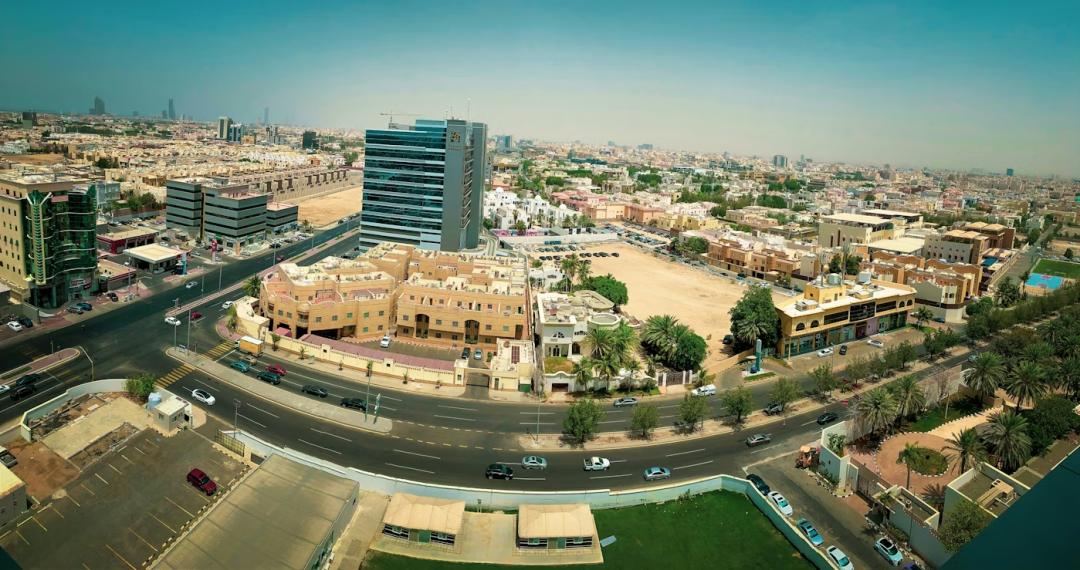
Core Insights - The article highlights the booming opportunities in the Middle East, particularly in Saudi Arabia, driven by the "Vision 2030" initiative, which is transforming the entertainment landscape and attracting Chinese businesses [1][4][15] Industry Overview - Saudi Arabia's entertainment and leisure market is projected to reach $4.6 billion by 2030, with a compound annual growth rate (CAGR) of 10% [1] - The country has a GDP exceeding $1 trillion, ranking first in the Middle East and North Africa, and 19th globally, with a nominal GDP per capita over $30,000 [4] - The population is predominantly young, with over 70% under the age of 35, and a high digital penetration rate, with mobile communication reaching 140% [4] Market Dynamics - The shift from traditional entertainment to online platforms is significant due to the desert climate and cultural factors, leading to a higher reliance on online entertainment [2][4] - Major Chinese companies like Alibaba and Huawei are establishing a strong presence in the region, with Alibaba's AliExpress becoming the second-largest e-commerce platform in Saudi Arabia [5] Content and Consumer Behavior - Playlet, a short video platform, has rapidly gained traction in the Middle East, with nearly 10% of its revenue coming from the region within two months of entry [7] - Snapchat is a key player in the market, with over 25 million monthly active users in Saudi Arabia, and has launched a "Middle East Outbound Acceleration Program" to support Chinese brands [8] Retail Trends - The children's economy is emerging as a significant segment, with brands like LÄTT LIV and Miniso actively participating in the market, reflecting the high percentage of the population aged 0-14 [10][13] - The cultural significance of children's products is evident, with parents willing to invest in quality items for their children, indicating a robust market for children's goods [13][15]

36氪出海 · 中东|卡塔尔投资促进局在京会见重要合作伙伴
3 6 Ke· 2025-07-10 10:22
Group 1 - Qatar Investment Promotion Agency (Invest Qatar) and Qatar Free Zones Authority (QFZ) conducted a high-level business visit in Beijing to deepen relationships with key partners and explore new investment opportunities [2] - During the visit, Invest Qatar engaged in one-on-one business discussions and strategic exchanges with leading companies such as China Merchants Capital, JD.com, Meituan, Xiaomi, and Tencent, focusing on areas of mutual interest including technology, logistics, and digital innovation [2] - The visit highlighted the commitment of both China and Qatar to strengthen cooperation and establish long-term, productive partnerships [2] Group 2 - An exchange event was held during the visit, attracting business leaders, investors, and stakeholders from Beijing's commercial ecosystem, fostering vibrant discussions and new connections [2] - Qatar is continuously reinforcing its position as a global business and innovation hub, providing aspiring companies with a favorable investment environment, convenient market access, and future-oriented support systems [2]
CEO锦囊·出海季|出海中东,如何抓住新机会?
3 6 Ke· 2025-07-01 11:10
Group 1 - The Middle East, particularly Dubai, is becoming a preferred destination for international brands due to its high GDP and consumer spending power, as well as its young and diverse population [3][4] - The local market values emotional connection and quality over price, which influences consumer behavior and service expectations [3][4] - The rise of internet entertainment forms, such as voice chat and live streaming, is driven by the local climate and limited entertainment options [3] Group 2 - Potential growth sectors in the Middle East include cross-border e-commerce, but profitability can be challenging due to high costs and market saturation in areas like real estate [5] - The food and beverage sector, while popular, faces high operational costs and regulatory challenges, particularly in Saudi Arabia [5] - Less obvious sectors, such as manufacturing, food processing, and medical devices, may present better opportunities for investment [5] Group 3 - The "Middle East boom" is linked to the rise of local tech companies and increased venture capital funding, with $3.6 billion raised in 2022 [8][9] - The region is transitioning from a focus on business model replication to technology and innovation, attracting companies in AI and hard tech [9] - The Saudi Vision 2030 initiative is driving infrastructure development and economic diversification, creating opportunities for Chinese companies in various sectors [11][12] Group 4 - E-commerce growth in the Middle East is fueled by a young population, increased female participation in the workforce, and improved infrastructure [12] - The logistics sector faces unique challenges, such as the need for direct interaction during deliveries and the implementation of standardized addressing systems [13] - Local and cross-border delivery expectations vary, with a growing demand for same-day delivery services [14] Group 5 - Chinese companies have a competitive advantage in the Middle East due to high consumer demand for quality products and services, but they must navigate local regulations and cultural differences [16] - The survival rate of Chinese enterprises in Saudi Arabia has improved significantly, from 38% in 2021 to 67% in 2023, indicating a more supportive ecosystem [10] - Companies must adapt to local employment policies, such as the Saudization requirement, which mandates a certain percentage of local hires [17] Group 6 - Building trust in the Middle East requires cultural understanding and respect for local customs, which can enhance business relationships [18][19] - Long-term relationship building is essential, with an emphasis on personal connections before discussing business [20] - Companies must be cautious of cultural sensitivities and ensure compliance with local laws to avoid operational risks [22][24]

36氪出海·中东|卡塔尔投资促进局即将赴京,推动中卡投资新机遇
3 6 Ke· 2025-06-24 10:27
Group 1 - Qatar Investment Promotion Agency is set to visit Beijing to deepen investment relations between China and Qatar [2] - In 2024, Qatar attracted over $41 million in foreign direct investment (FDI) from China, creating over 350 jobs in key sectors such as automotive, consumer electronics, business services, and information technology [2] - Several leading Chinese companies, including Kingdee, Hisense, Yingke, Oribo, Shenzhen Airlines, Midea Group, and BYD, have established Qatar as their regional strategic base [2] Group 2 - Qatar offers a resilient economy, a business-friendly environment, and a strategically significant geographical location for global expansion [2]
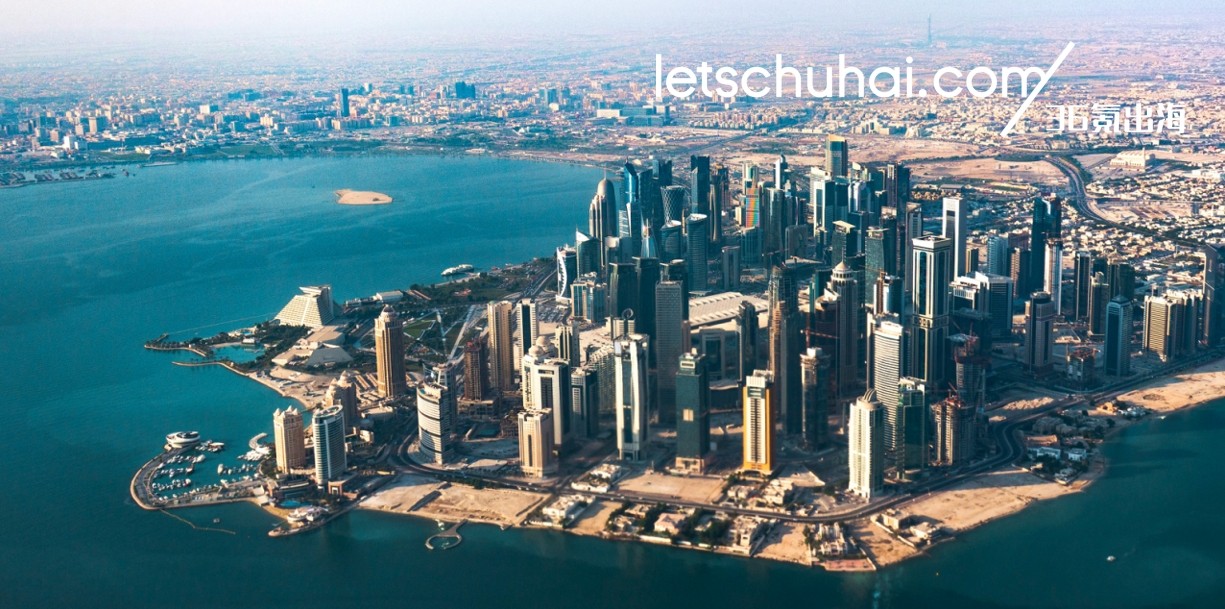
36氪出海·中东|世行预测:卡塔尔将在2026和2027年成为海湾地区“表现最强劲”的经济体
3 6 Ke· 2025-06-17 06:02
Economic Growth Projections - Qatar's real GDP is projected to grow by 2.4% in 2023, 5.4% in 2026, and reach 7.6% in 2027, surpassing the growth rates of five other GCC countries in 2026 and 2027 [2] - The GCC countries' economic growth is expected to rise to 3.2% in 2025, 4.5% in 2026, and 4.8% in 2027, indicating a more conservative outlook compared to Qatar [2] Oil Production and Economic Activity - Despite anticipated global demand weakness leading to declining oil prices, oil production is expected to increase as production cuts are gradually lifted [2] - The expansion of non-oil economic activities will continue to drive growth in the region [2] - Economic activity in the MENA region is showing signs of improvement, partly due to increased oil production [2]
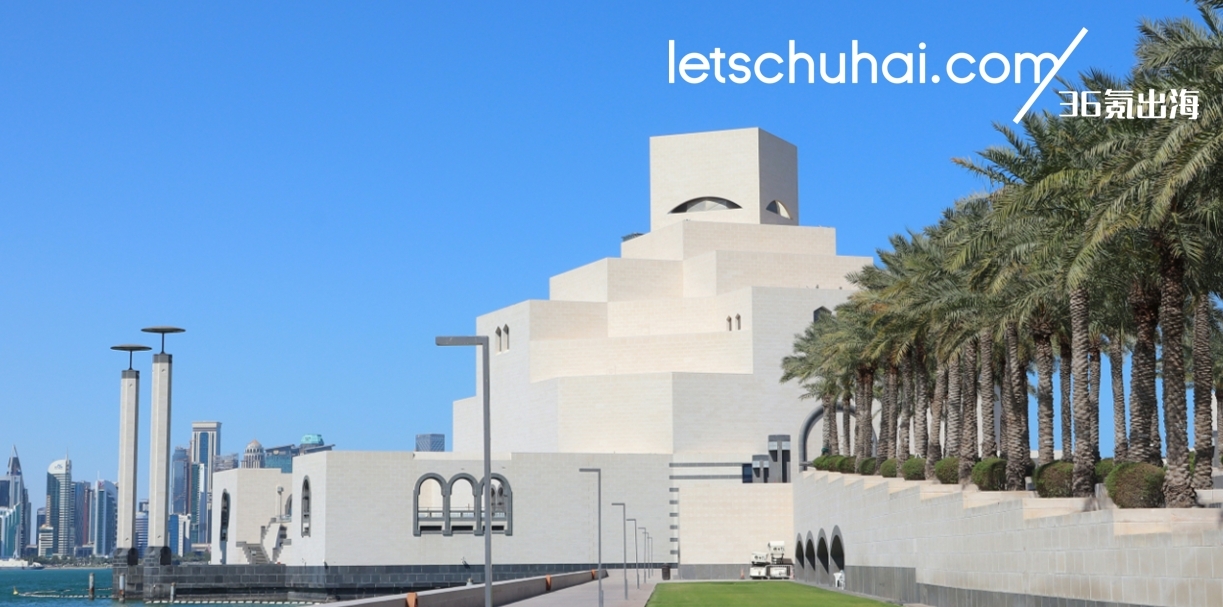
36氪出海·中东|香港特首李家超将率香港及内地代表团访问卡塔尔
3 6 Ke· 2025-05-09 06:51
Group 1 - The Chief Executive of Hong Kong, John Lee, will lead a joint delegation to Qatar and Kuwait to promote business cooperation and cultural exchange with the Middle East [2] - This visit is the second official trip to the Middle East following a previous visit to Saudi Arabia and the UAE in 2023, focusing on new opportunities in finance, trade, and technology [2] - The delegation will include over 30 business leaders from Hong Kong and more than 20 entrepreneurs from mainland provinces such as Zhejiang, Fujian, and Guangdong, covering sectors like innovative technology, new energy, finance, trade, and logistics [2] Group 2 - The core idea of the delegation is to leverage Hong Kong's role as a "super connector" and "super value creator" between the mainland and international markets [3] - Participants from the mainland are primarily engaged in advanced manufacturing and are seeking overseas expansion, with plans to sign memorandums of cooperation with local partners [3] - There are already 3 to 4 Hong Kong companies established in Qatar, which is actively seeking more technology firms and talent [3]